California Department of Water Resources, West Sacramento, California, United States of America.
Department of Animal Science, University of California - Davis, Davis, California, United States of America.
PLoS One. 2023 May 26;18(5):e0286027. doi: 10.1371/journal.pone.0286027. eCollection 2023.
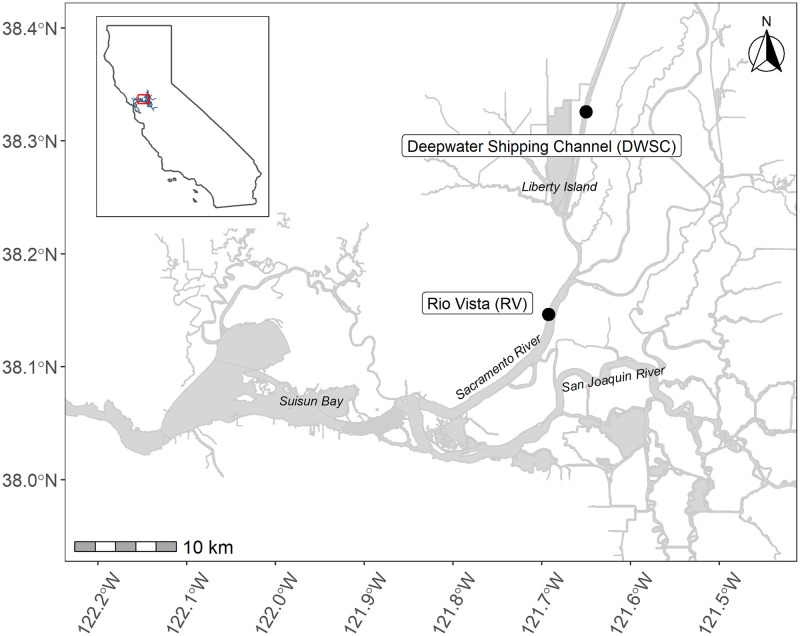
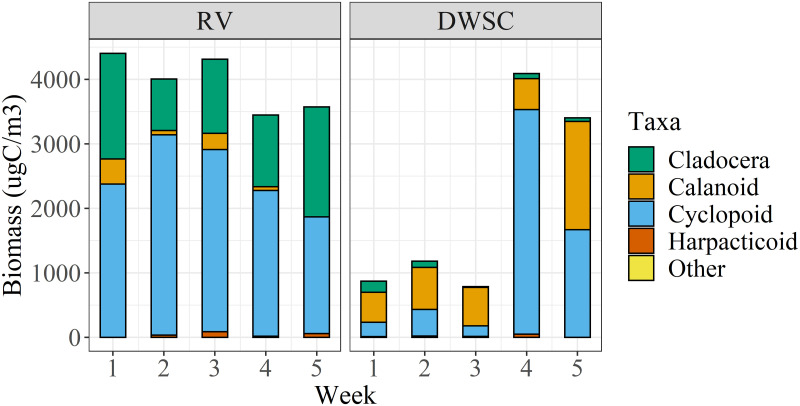
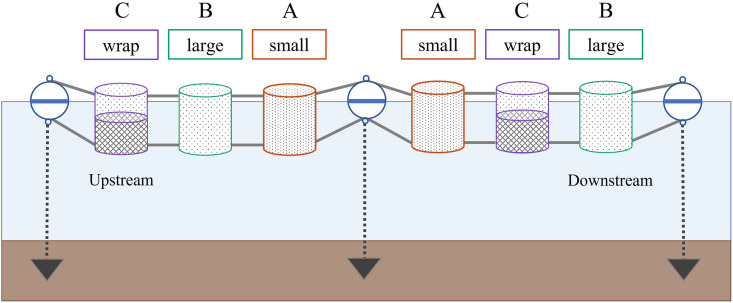
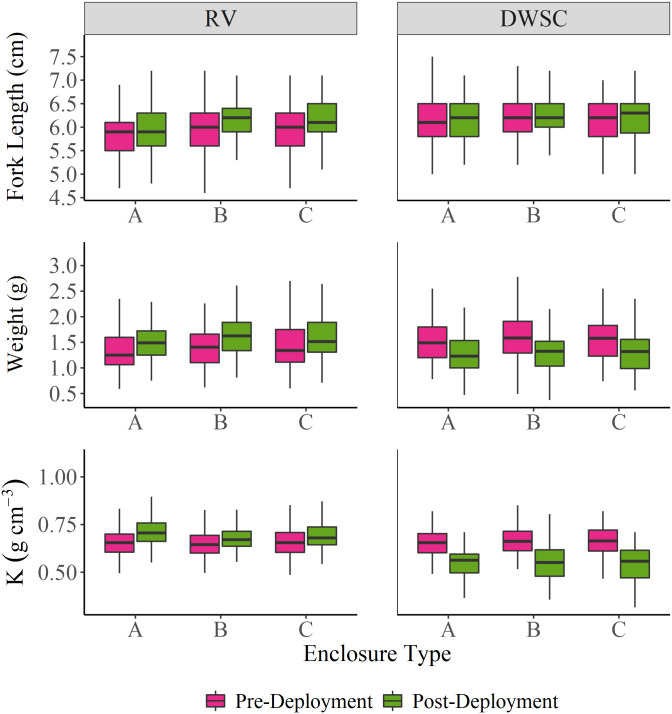
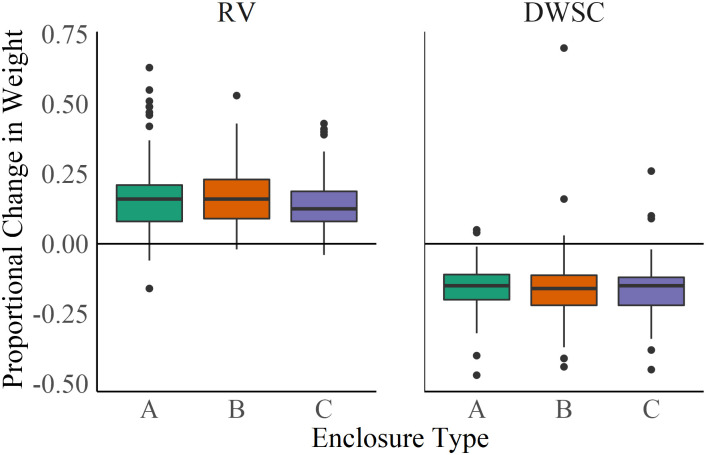
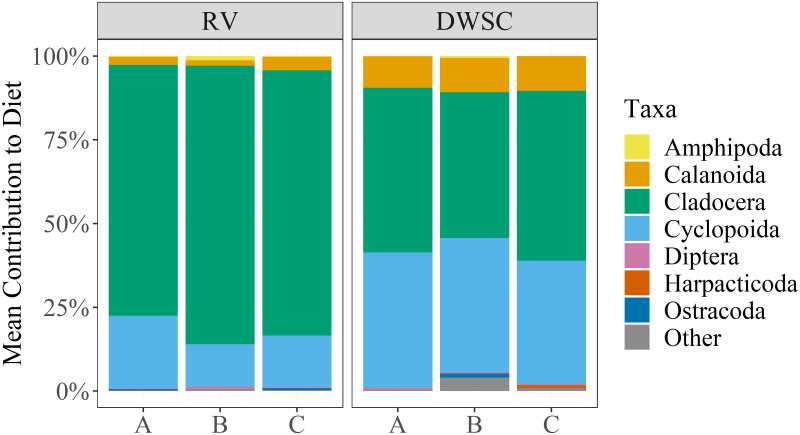
Conservation of endangered fishes commonly includes captive breeding, applied research, and management. Since 1996, a captive breeding program has existed for the federally threatened and California endangered Delta Smelt Hypomesus transpacificus, an osmerid fish endemic to the upper San Francisco Estuary. Although this program serves as a captive refuge population, with experimental releases being initiated to supplement the wild population, it was uncertain how individuals would survive, feed, and maintain condition outside hatchery conditions. We evaluated this and the effects of three enclosure designs (41% open, 63% open, and 63% open with partial outer mesh wrap) on growth, survival, and feeding efficacy of cultured Delta Smelt at two locations (Sacramento River near Rio Vista, CA and in Sacramento River Deepwater Ship Channel) in the wild. Enclosures exposed fish to semi-natural conditions (ambient environmental fluctuations and wild food resources) but prevented escape and predation. After four weeks, survival was high for all enclosure types (94-100%) at both locations. The change in condition and weight was variable between sites, increasing at the first location but decreasing at the second location. Gut content analysis showed that fish consumed wild zooplankton that came into the enclosures. Cumulatively, results show that captive-reared Delta Smelt can survive and forage successfully when housed in enclosures under semi-natural conditions in the wild. When comparing enclosure types, we observed no significant difference in fish weight changes (p = 0.58-0.81 across sites). The success of housing captive-reared Delta Smelt in enclosures in the wild provides preliminary evidence that these fish may be suitable to supplement the wild population in the San Francisco Estuary. Furthermore, these enclosures are a new tool to test the efficacy of habitat management actions or to acclimate fish to wild conditions as a soft release strategy for recently initiated supplementation efforts.
保护濒危鱼类通常包括圈养繁殖、应用研究和管理。自 1996 年以来,一个圈养繁殖计划已经存在于联邦受威胁和加利福尼亚濒危的Delta Smelt Hypomesus transpacificus,这是一种原产于旧金山河口上游的 Osmerid 鱼类。虽然这个计划是一个圈养避难种群,通过实验释放来补充野生种群,但不确定个体在孵化场外的生存、进食和保持状态的能力。我们评估了这一点,以及三种围栏设计(41%开放、63%开放和 63%开放带部分外部网罩)对在野外两个地点(加利福尼亚州里维斯塔附近的萨克拉门托河和萨克拉门托河深水航道)养殖的 Delta Smelt 的生长、存活和摄食效率的影响。围栏使鱼类暴露在半自然条件下(环境波动和野生食物资源),但防止了鱼类逃脱和捕食。四周后,所有围栏类型的存活率都很高(94-100%),在两个地点都是如此。在不同地点之间,状况和体重的变化是可变的,在第一个地点增加,而在第二个地点减少。肠道内容物分析表明,鱼类消耗了进入围栏的野生浮游动物。总的来说,结果表明,在半自然条件下,圈养繁殖的 Delta Smelt 可以在围栏中成功生存和觅食。在比较围栏类型时,我们观察到鱼类体重变化没有显著差异(p = 0.58-0.81,不同地点)。在野外围栏中饲养圈养繁殖的 Delta Smelt 的成功提供了初步证据,表明这些鱼类可能适合补充旧金山河口的野生种群。此外,这些围栏是一种新的工具,可以测试栖息地管理措施的效果,或使鱼类适应野外条件,作为最近开始的补充工作的软释放策略。