Department of Zoology, College of Life Science, Sichuan Agricultural University, Ya'an, China.
Chengdu Livestock and Poultry Genetic Resources Protection Center, Chengdu, China.
Elife. 2023 Jun 5;12:e86504. doi: 10.7554/eLife.86504.
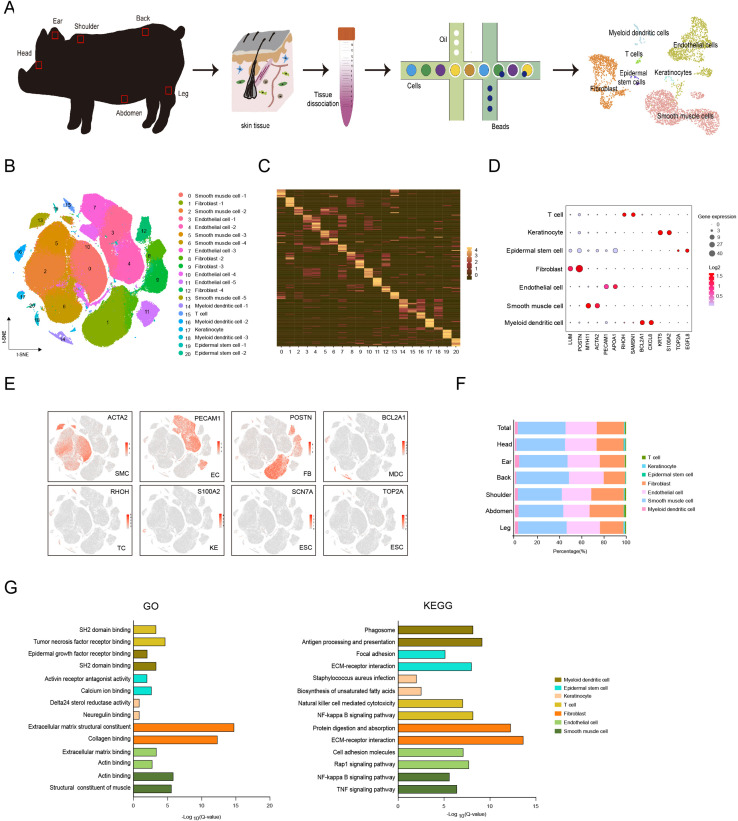
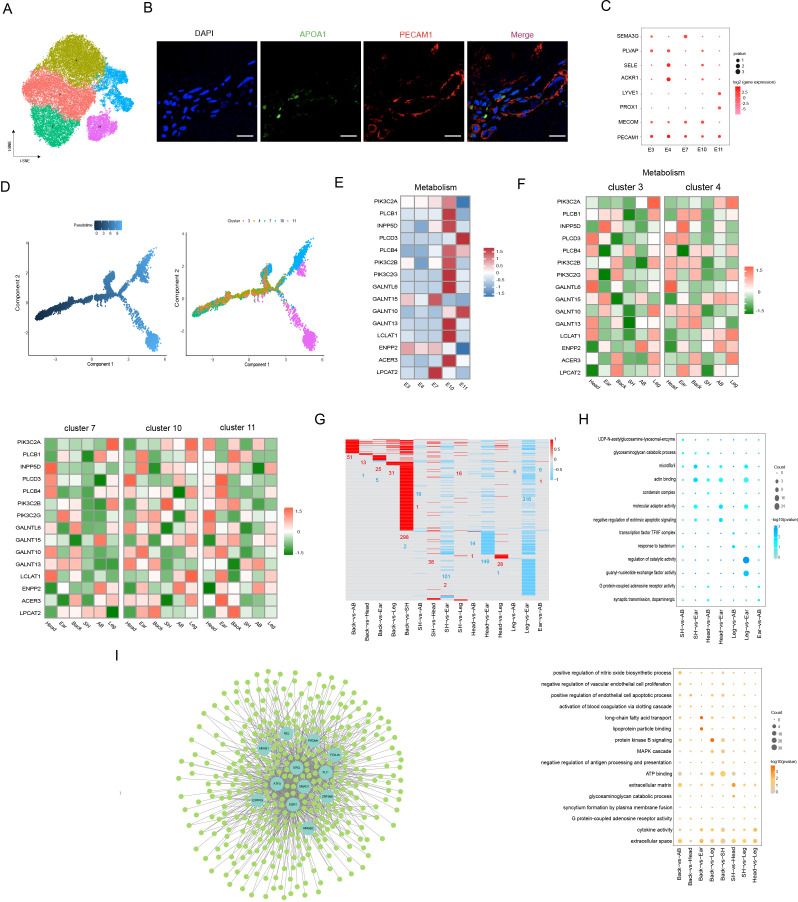
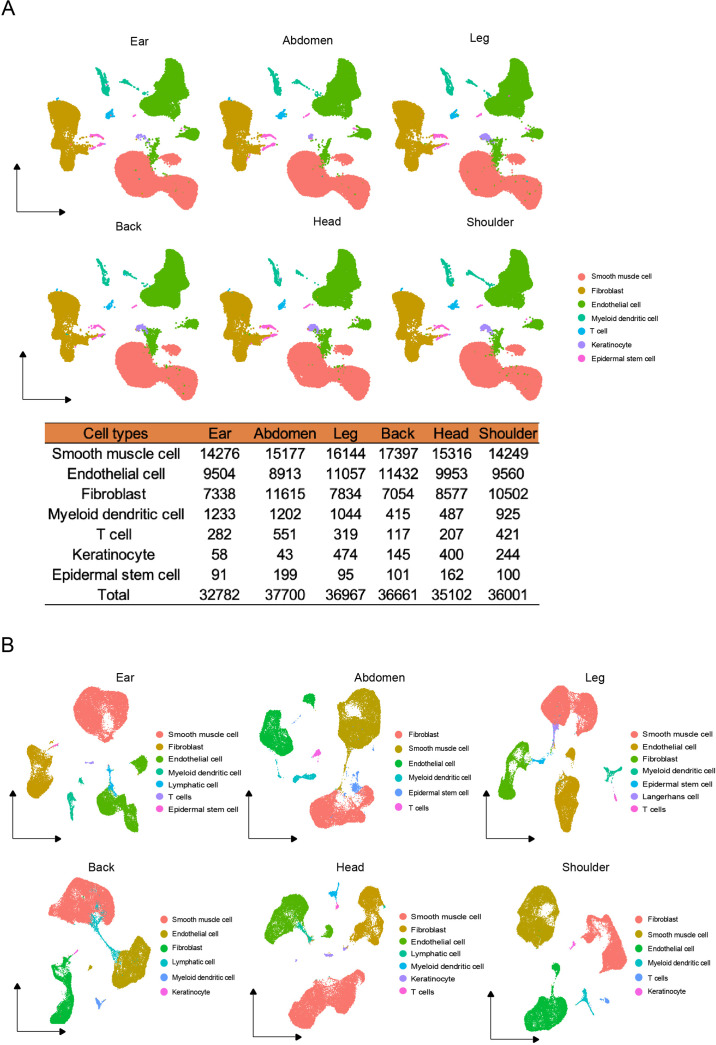
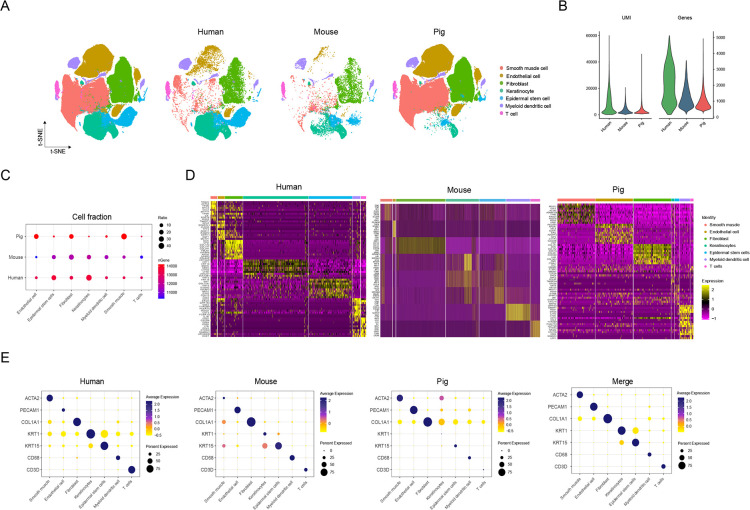
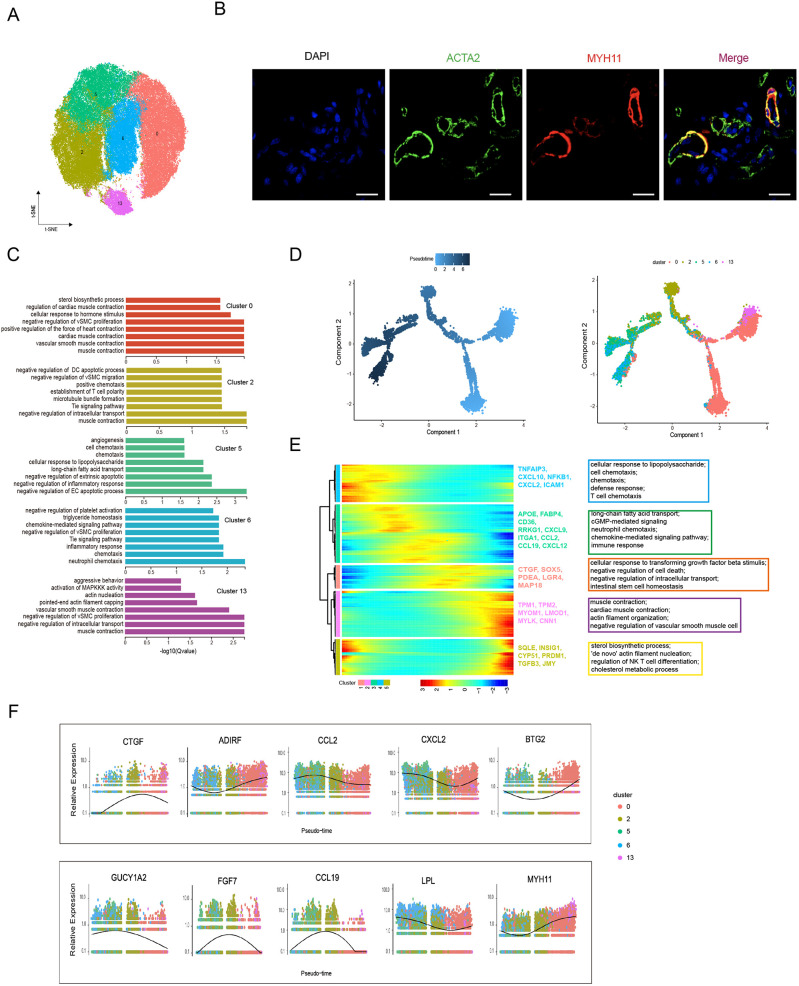
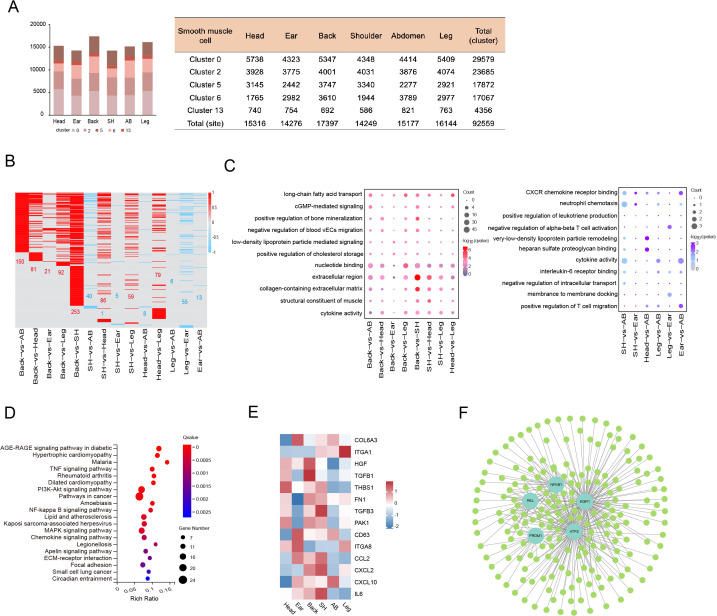
Different anatomical locations of the body skin show differences in their gene expression patterns depending on different origins, and the inherent heterogeneous information can be maintained in adults. However, highly resolvable cellular specialization is less well characterized in different anatomical regions of the skin. Pig is regarded as an excellent model animal for human skin research in view of its similar physiology to human. In this study, single-cell RNA sequencing was performed on pig skin tissues from six different anatomical regions of Chenghua (CH) pigs, with a superior skin thickness trait, and the back site of large white (LW) pigs. We obtained 233,715 cells, representing seven cell types, among which we primarily characterized the heterogeneity of the top three cell types, including smooth muscle cells (SMCs), endothelial cells (ECs), and fibroblasts (FBs). Then, we further identified several subtypes of SMCs, ECs, and FBs, and discovered the expression patterns of site-specific genes involved in some important pathways such as the immune response and extracellular matrix (ECM) synthesis in different anatomical regions. By comparing differentially expressed genes of skin FBs among different anatomical regions, we considered TNN, COL11A1, and INHBA as candidate genes for facilitating ECM accumulation. These findings of heterogeneity in the main skin cell types from different anatomical sites will contribute to a better understanding of inherent skin information and place the potential focus on skin generation, transmission, and transplantation, paving the foundation for human skin priming.
不同解剖部位的皮肤因其不同的起源而表现出基因表达模式的差异,并且在成人中可以维持内在的异质性信息。然而,不同解剖部位的皮肤中高度可分辨的细胞特化程度还不太清楚。鉴于猪的生理学与人相似,因此被认为是研究人类皮肤的理想模型动物。在这项研究中,对具有优异皮肤厚度性状的成华猪(CH)和大白猪(LW)背部六个不同解剖部位的皮肤组织进行了单细胞 RNA 测序。我们获得了 233715 个细胞,代表七种细胞类型,其中我们主要描述了前三种细胞类型(平滑肌细胞(SMCs)、内皮细胞(ECs)和成纤维细胞(FBs))的异质性。然后,我们进一步鉴定了 SMCs、ECs 和 FBs 的几个亚型,并发现了一些重要通路(如免疫反应和细胞外基质(ECM)合成)中参与不同解剖部位的特定基因的表达模式。通过比较不同解剖部位皮肤成纤维细胞中差异表达的基因,我们认为 TNN、COL11A1 和 INHBA 是促进 ECM 积累的候选基因。这些不同解剖部位主要皮肤细胞类型的异质性发现将有助于更好地理解内在的皮肤信息,并将潜在的重点放在皮肤生成、传递和移植上,为人类皮肤的启动奠定基础。