Barker Colin M, Meduri Christopher U, Fail Peter S, Chambers Jeffrey W, Solet Darrell J, Kriegel Jacob M, Vela Deborah C, Feldt Kari, Pate Thomas D, Patel Avni P, Shaburishvili Tamaz
Section of Interventional Cardiology, Vanderbilt University Medical Center Nashville, Tennessee, USA.
Department of Cardiology, Karolinska University Hospital, Stockholm, Sweden.
Struct Heart. 2022 Aug 9;6(4):100078. doi: 10.1016/j.shj.2022.100078. eCollection 2022 Aug.
Heart failure with preserved ejection fraction represents a major unmet clinical need with limited treatment options. Recent device therapies under investigation have focused on decompression of the left atrium through an implantable interatrial shunt. Although these devices have shown favorable safety and efficacy signals, an implant is required to maintain shunt patency, which may increase the patient risk profile and complicate subsequent interventions requiring transseptal access.
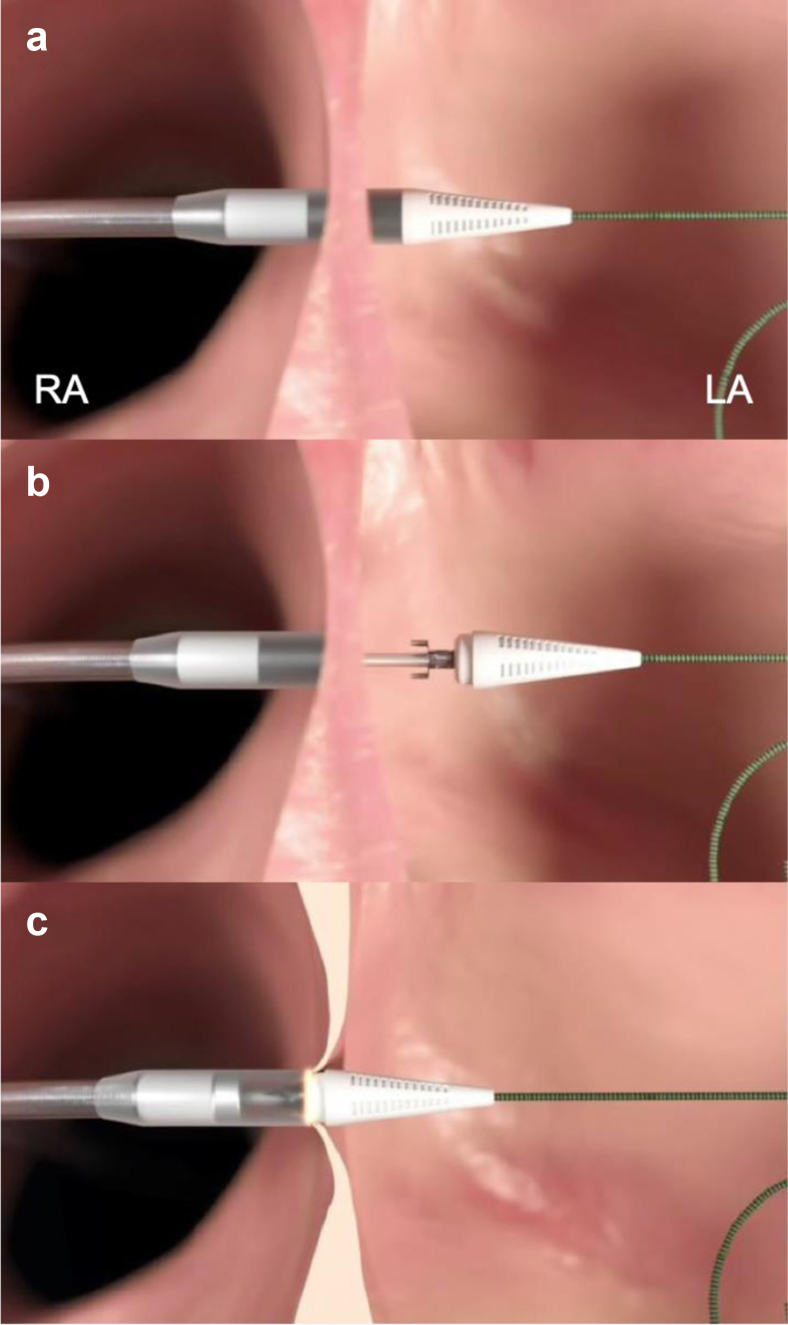
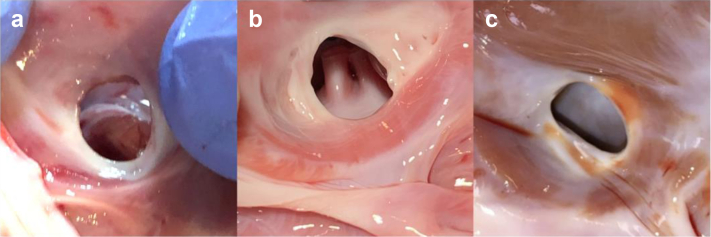
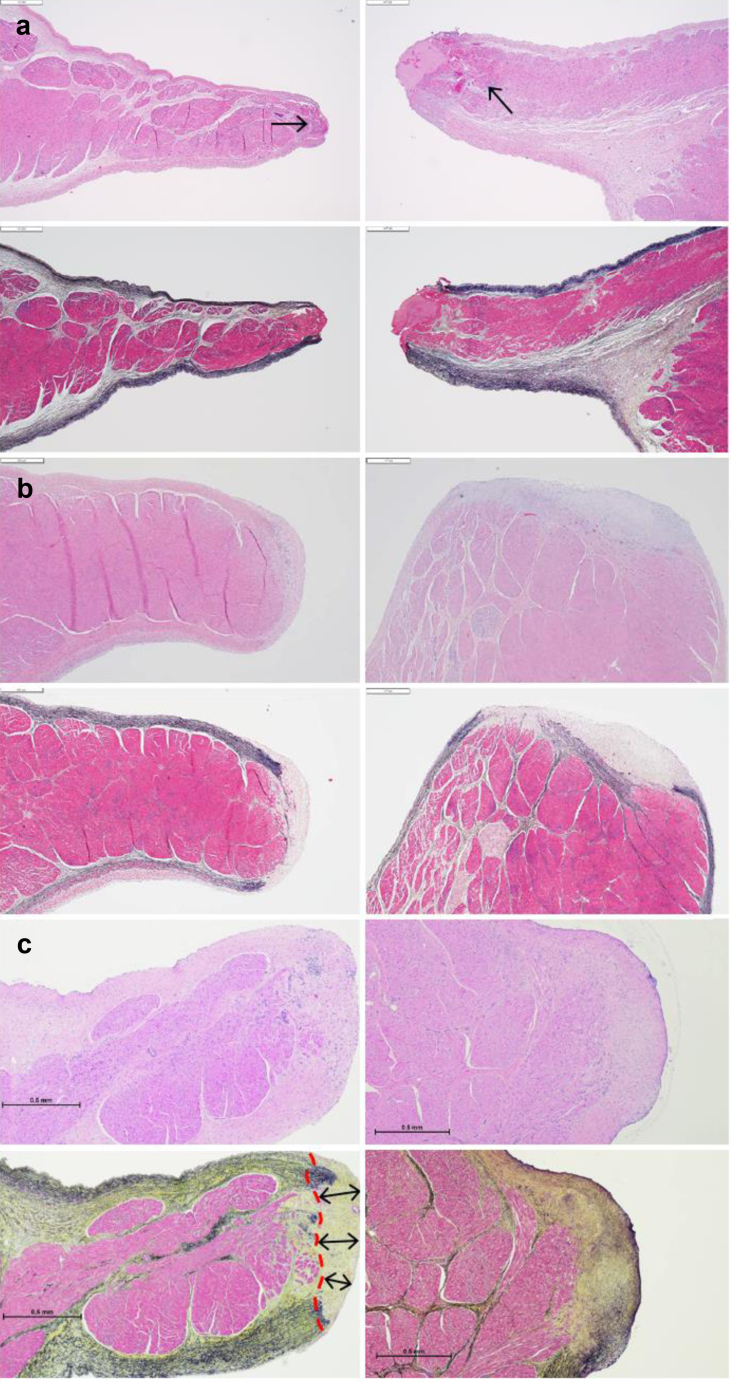
The Alleviant System is a no-implant approach to creating an interatrial shunt using radiofrequency energy to securely capture, excise, and extract a precise disk of tissue from the interatrial septum. Acute preclinical studies in healthy swine (n = 5) demonstrated the feasibility of the Alleviant System to repeatably create a 7 mm interatrial orifice with minimal collateral thermal effect and minimal platelet and fibrin deposition observed histologically.
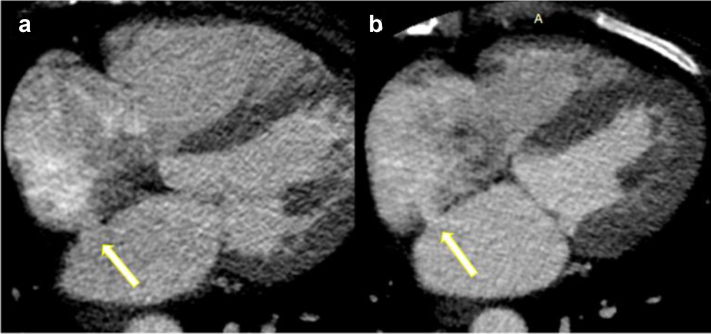
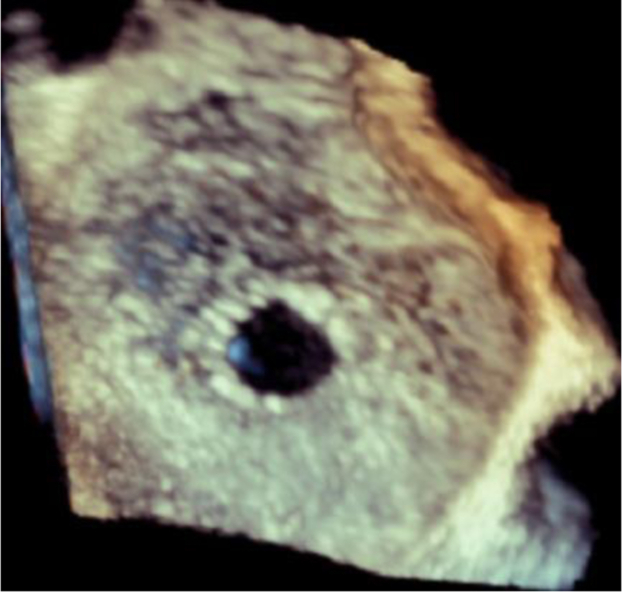
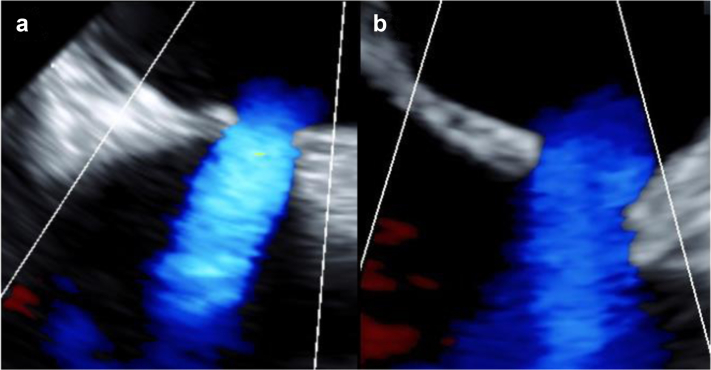
Chronic animal studies (n = 9) were carried out to 30- and 60-day time points and exhibited sustained shunt patency with histology demonstrating completely healed margins, endothelialization, and no trauma to adjacent atrial tissue. Preliminary clinical safety and feasibility were validated in a first-in-human study in patients with heart failure with preserved ejection fraction (n = 15). All patients demonstrated shunt patency by transesophageal echocardiographic imaging at 1, 3, and 6 months, as well as cardiac computed tomography imaging at 6-month follow-up timepoints.
Combined, these data support the safety and feasibility of a novel no-implant approach to creating an interatrial shunt using the Alleviant System. Continued follow-up and subsequent clinical studies are currently ongoing.
射血分数保留的心力衰竭是一项尚未得到满足的重大临床需求,治疗选择有限。目前正在研究的新型器械疗法主要聚焦于通过植入式房间隔分流装置来减轻左心房压力。尽管这些装置已显示出良好的安全性和有效性信号,但需要植入物来维持分流通道的通畅,这可能会增加患者的风险,并使后续需要经房间隔穿刺的干预操作变得复杂。
Alleviant系统是一种无需植入的房间隔分流创建方法,利用射频能量精确捕获、切除并取出房间隔的一个精确组织盘。在健康猪(n = 5)身上进行的急性临床前研究证明了Alleviant系统可重复创建7毫米房间隔口的可行性,组织学观察显示其旁热效应最小,血小板和纤维蛋白沉积最少。
进行了长达30天和60天的慢性动物研究(n = 9),结果显示分流通道持续通畅,组织学检查表明边缘完全愈合、内皮化,且未对相邻心房组织造成损伤。在一项针对射血分数保留的心力衰竭患者的首次人体研究(n = 15)中验证了初步的临床安全性和可行性。所有患者在1个月、3个月和6个月时经食管超声心动图成像显示分流通道通畅,在6个月随访时间点经心脏计算机断层扫描成像也显示通畅。
综合来看,这些数据支持了使用Alleviant系统创建房间隔分流的新型无需植入方法的安全性和可行性。目前正在进行持续随访和后续临床研究。