Milićević Bogdan, Milošević Miljan, Simić Vladimir, Preveden Andrej, Velicki Lazar, Jakovljević Đorđe, Bosnić Zoran, Pičulin Matej, Žunkovič Bojan, Kojić Miloš, Filipović Nenad
Faculty of Engineering, University of Kragujevac, Kragujevac 34000, Serbia.
Bioengineering Research and Development Center (BioIRC), Kragujevac 34000, Serbia.
Heliyon. 2023 May 27;9(6):e16724. doi: 10.1016/j.heliyon.2023.e16724. eCollection 2023 Jun.
Predicting the long-term expansion and remodeling of the left ventricle in patients is challenging task but it has the potential to be clinically very useful.
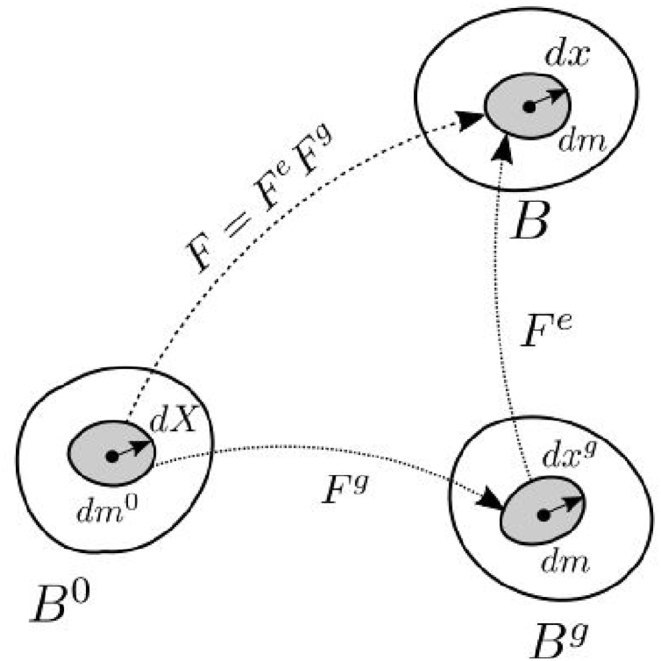
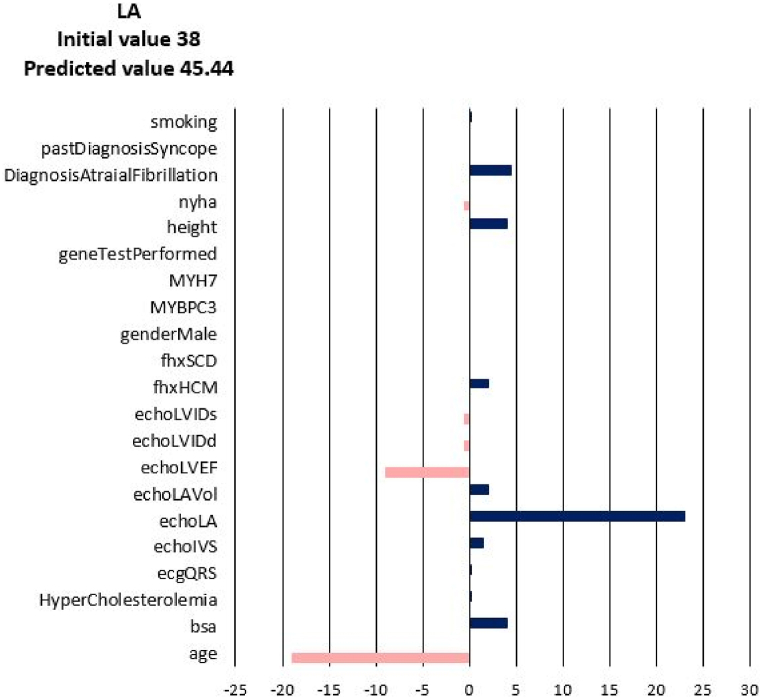
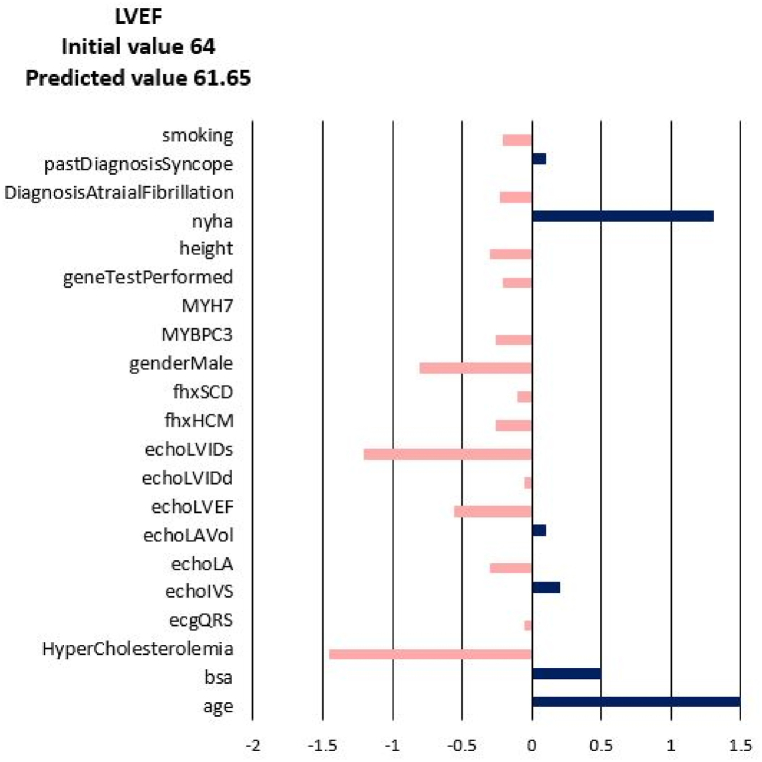
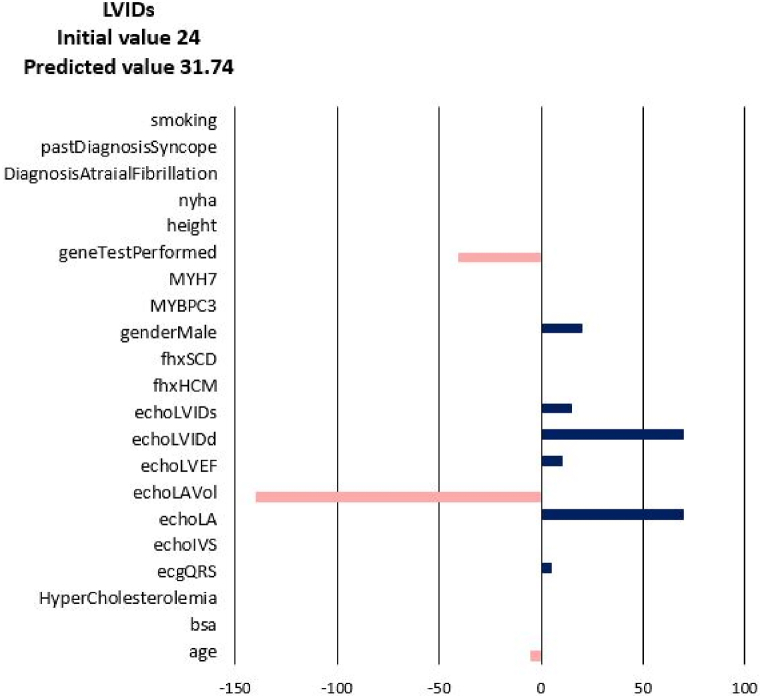
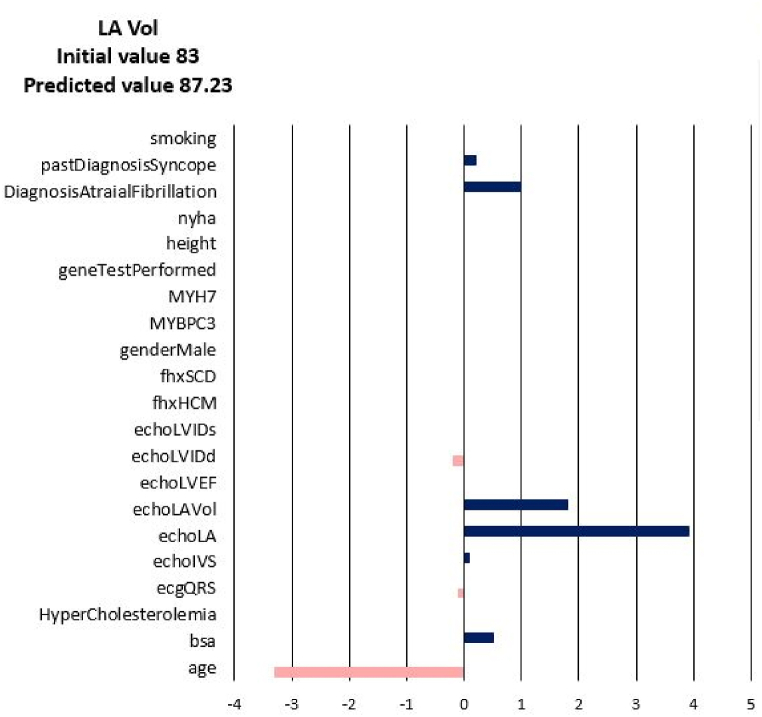
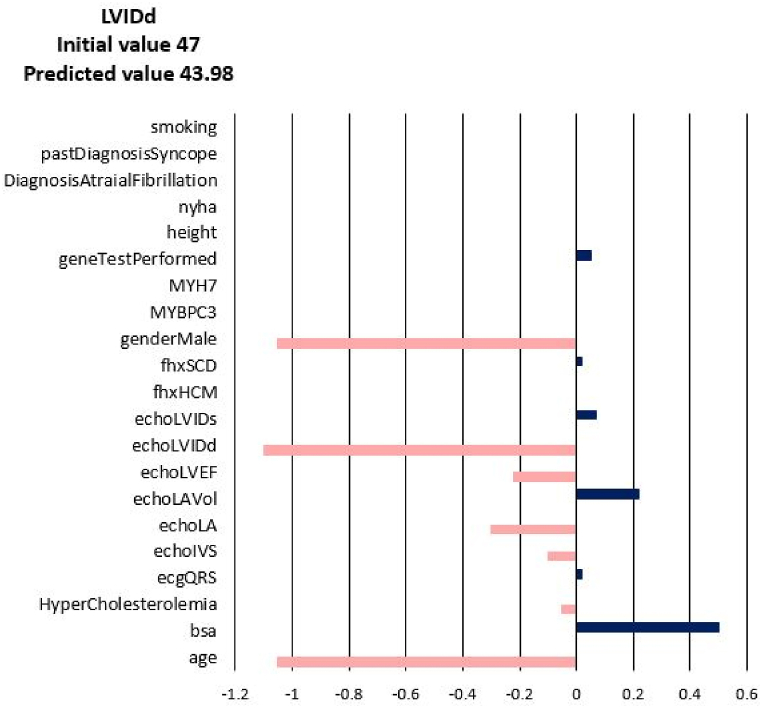
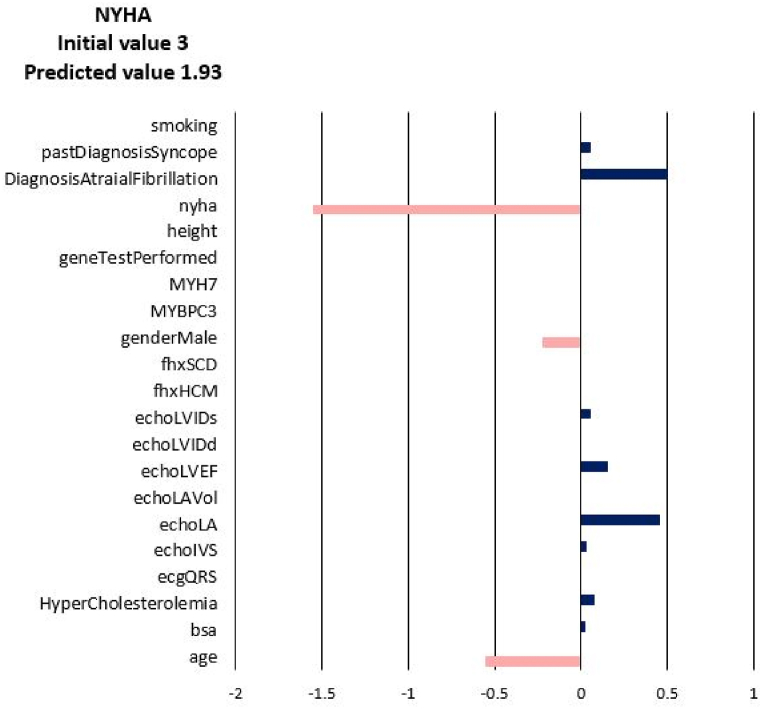
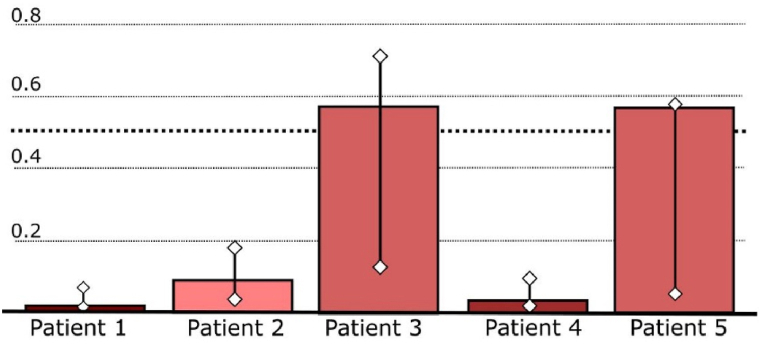
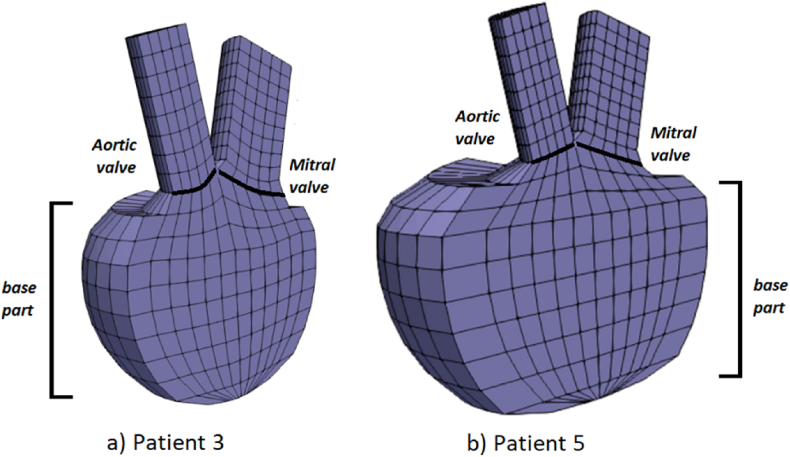
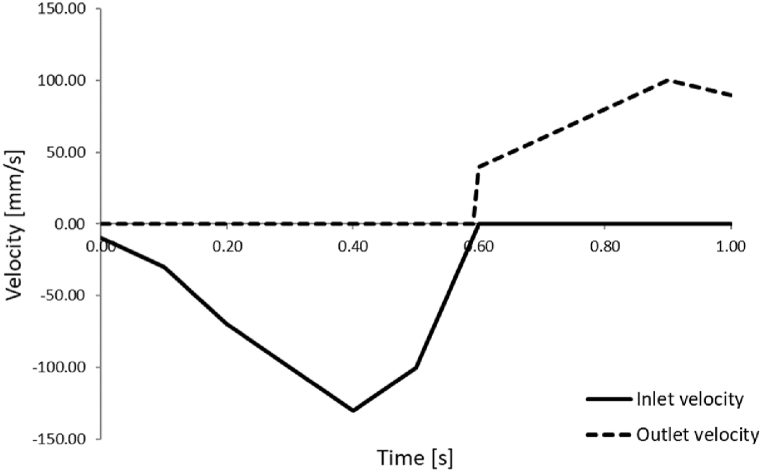
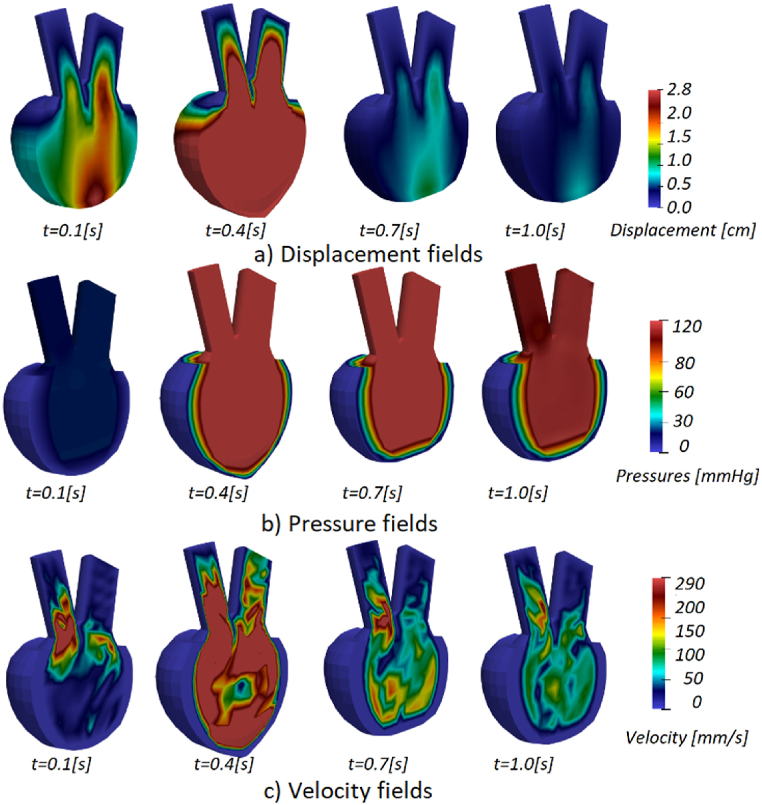
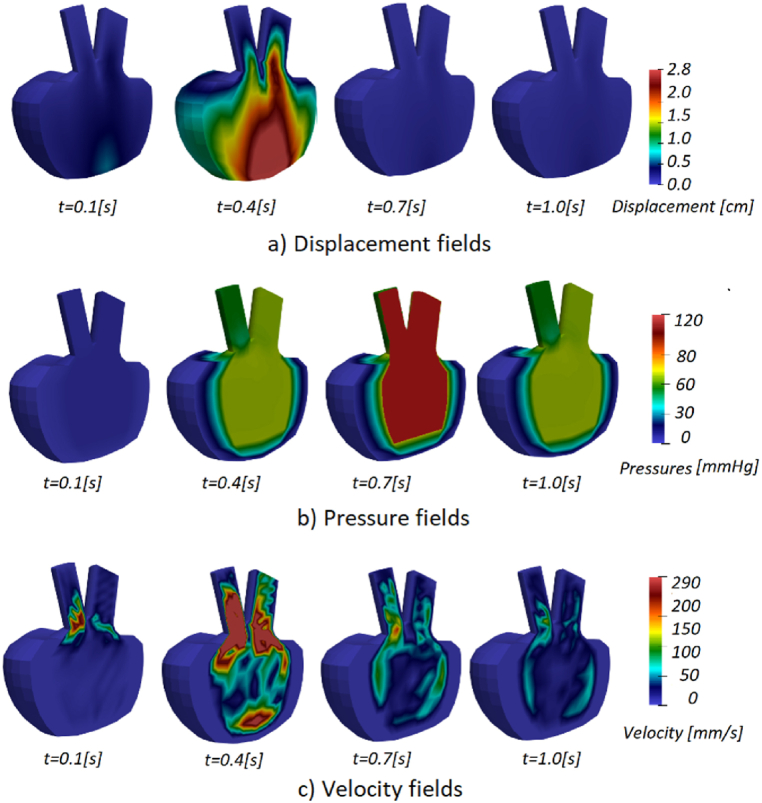
In our study, we present machine learning models based on random forests, gradient boosting, and neural networks, used to track cardiac hypertrophy. We collected data from multiple patients, and then the model was trained using the patient's medical history and present level of cardiac health. We also demonstrate a physical-based model, using the finite element procedure to simulate the development of cardiac hypertrophy.
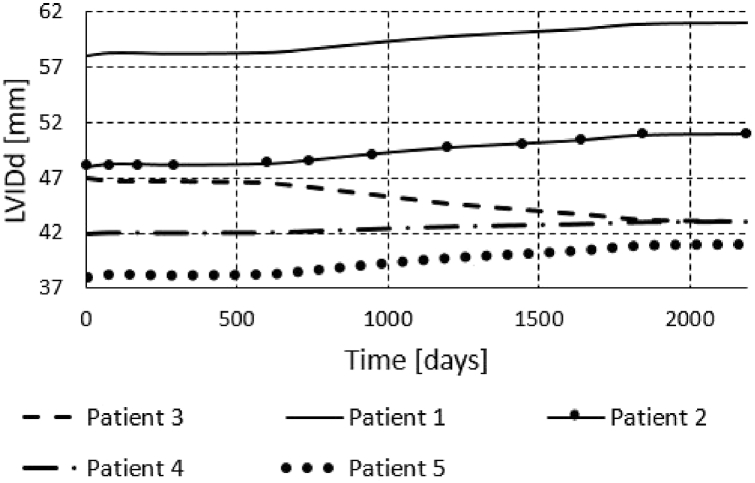
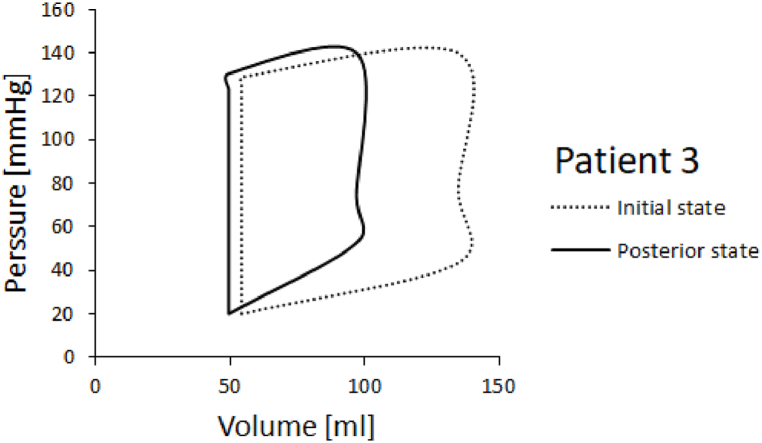
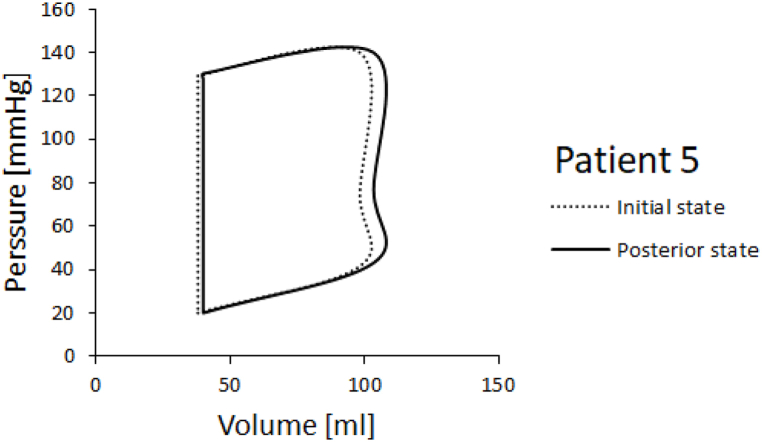
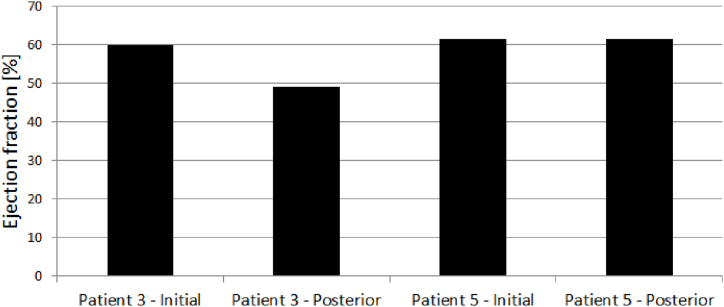
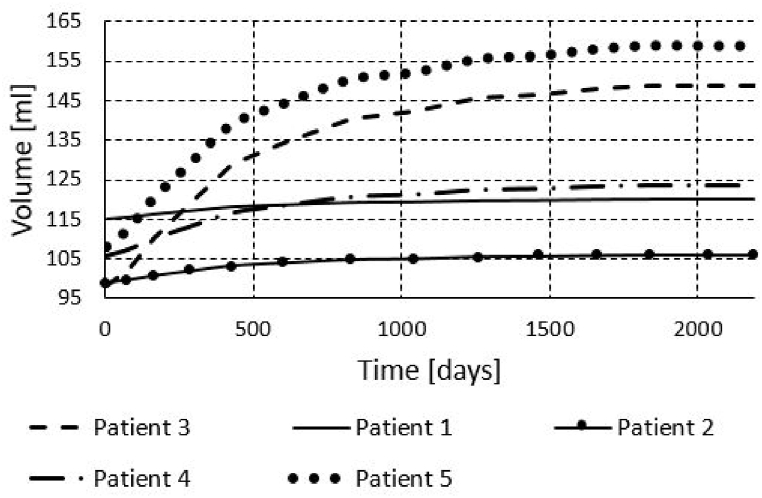
Our models were used to forecast the evolution of hypertrophy over six years. The machine learning model and finite element model provided similar results.
The finite element model is much slower, but it's more accurate compared to the machine learning model since it's based on physical laws guiding the hypertrophy process. On the other hand, the machine learning model is fast but the results can be less trustworthy in some cases. Both of our models, enable us to monitor the development of the disease. Because of its speed machine learning model is more likely to be used in clinical practice. Further improvements to our machine learning model could be achieved by collecting data from finite element simulations, adding them to the dataset, and retraining the model. This can result in a fast and more accurate model combining the advantages of physical-based and machine learning modeling.
预测患者左心室的长期扩张和重塑是一项具有挑战性的任务,但它有可能在临床上非常有用。
在我们的研究中,我们提出了基于随机森林、梯度提升和神经网络的机器学习模型,用于追踪心肌肥厚。我们收集了多名患者的数据,然后使用患者的病史和当前心脏健康水平对模型进行训练。我们还展示了一个基于物理的模型,使用有限元程序来模拟心肌肥厚的发展。
我们的模型用于预测六年内心肌肥厚的演变。机器学习模型和有限元模型提供了相似的结果。
有限元模型速度慢得多,但与机器学习模型相比更准确,因为它基于指导肥厚过程的物理定律。另一方面,机器学习模型速度快,但在某些情况下结果可能不太可靠。我们的两个模型都能使我们监测疾病的发展。由于其速度,机器学习模型更有可能在临床实践中使用。通过从有限元模拟中收集数据,将其添加到数据集中,并对模型进行重新训练,可以进一步改进我们的机器学习模型。这可以产生一个结合了基于物理建模和机器学习建模优势的快速且更准确的模型。