Mansour Mostafa A, AboulMagd Asmaa M, Abbas Samar H, Abdel-Rahman Hamdy M, Abdel-Aziz Mohamed
Pharmaceutical Chemistry Department, Faculty of Pharmacy, Nahda University in Beni-Suef (NUB) Beni-Suef 62513 Egypt.
Medicinal Chemistry Department, Faculty of Pharmacy, Minia University Minia 61519 Egypt.
RSC Adv. 2023 Jun 21;13(27):18825-18853. doi: 10.1039/d3ra02347h. eCollection 2023 Jun 15.
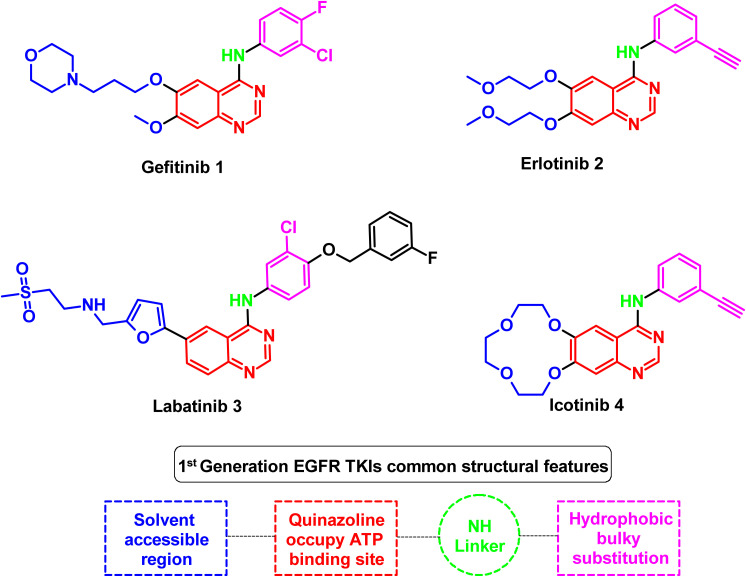
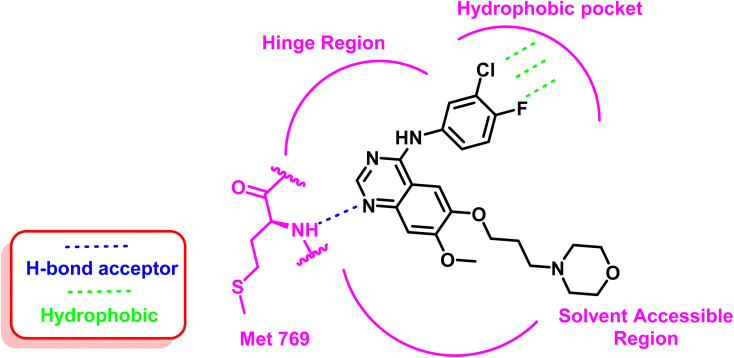
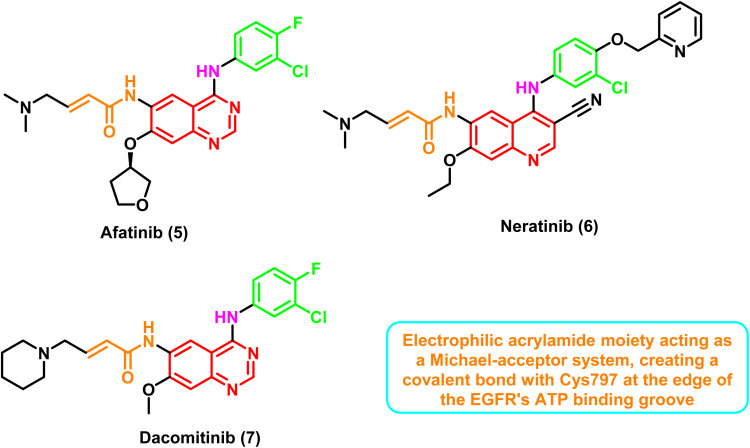
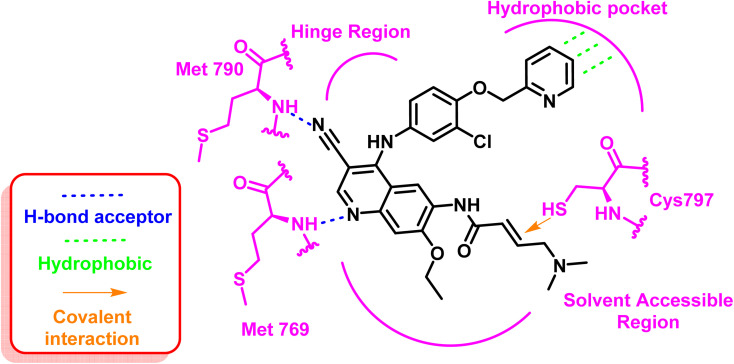
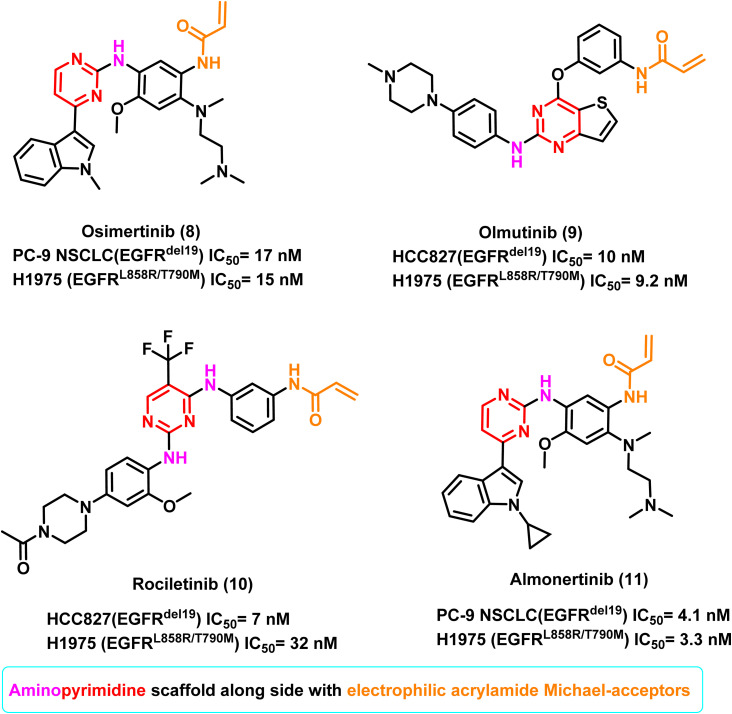
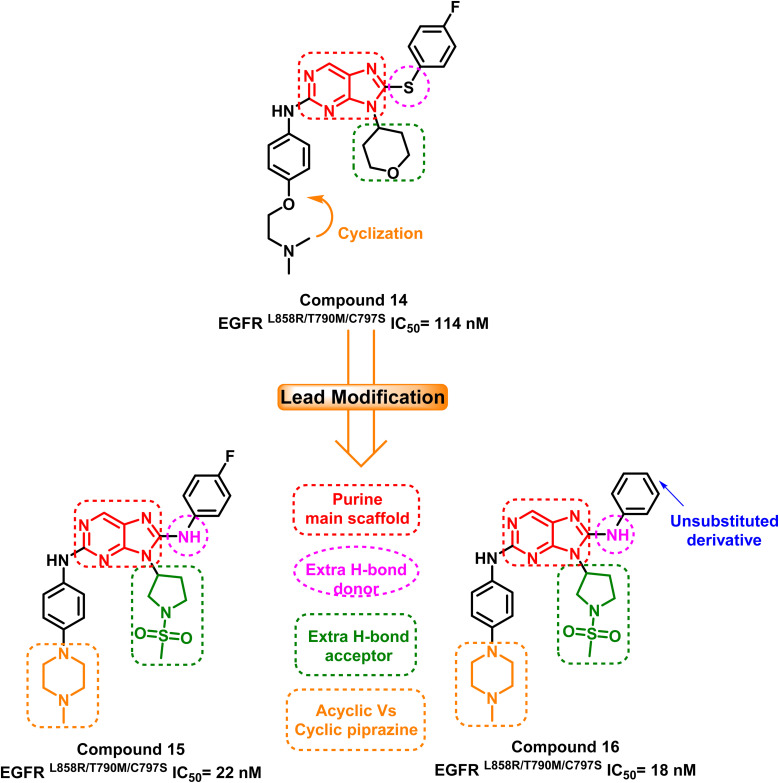
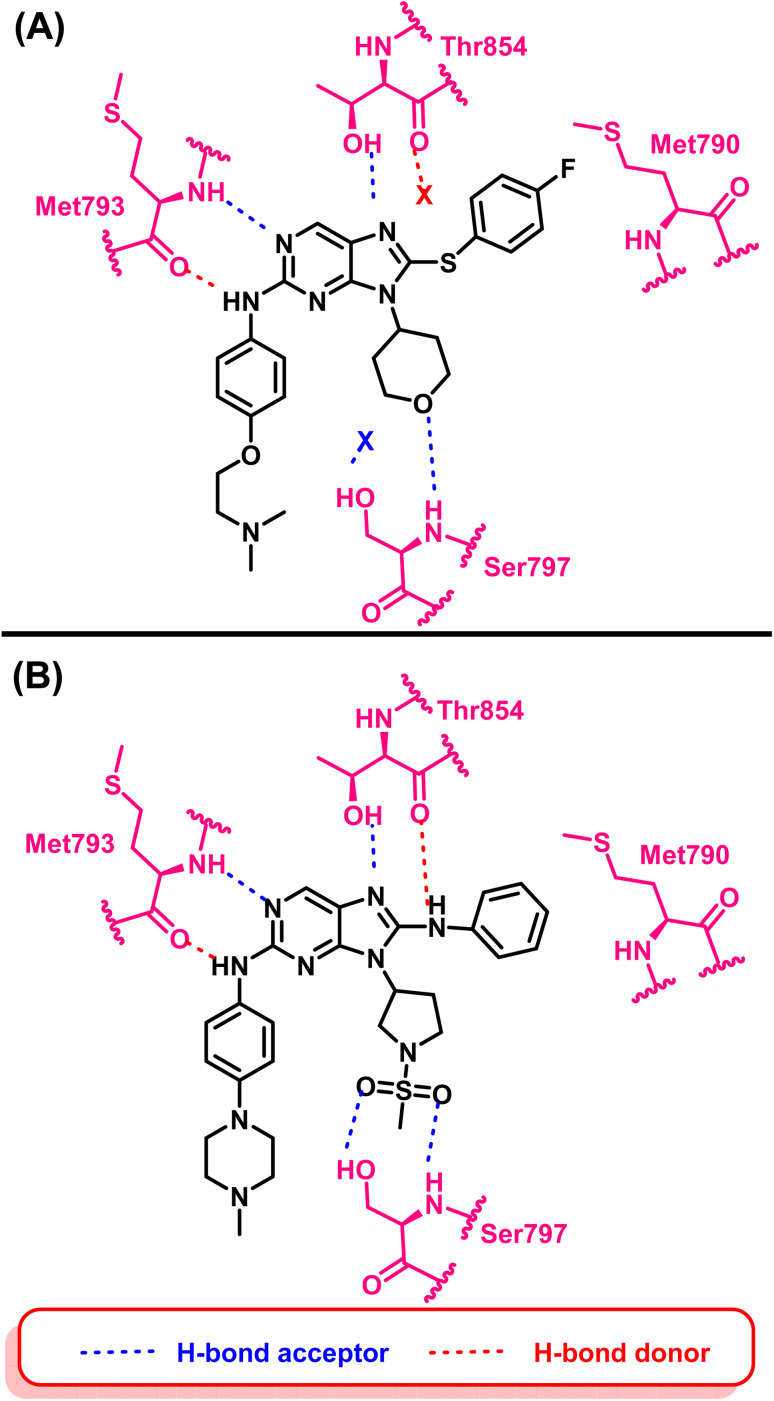
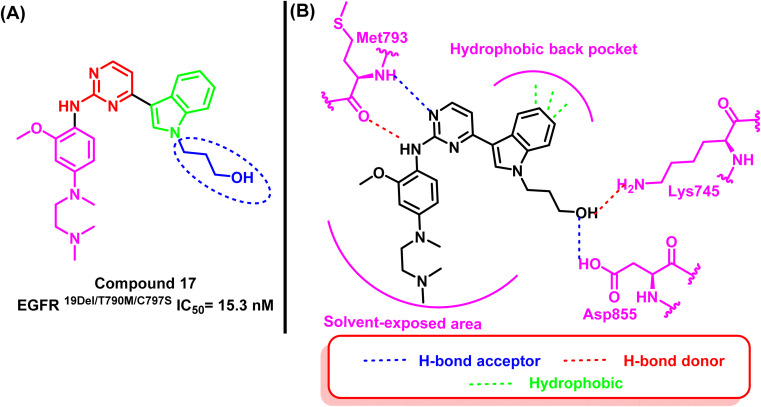
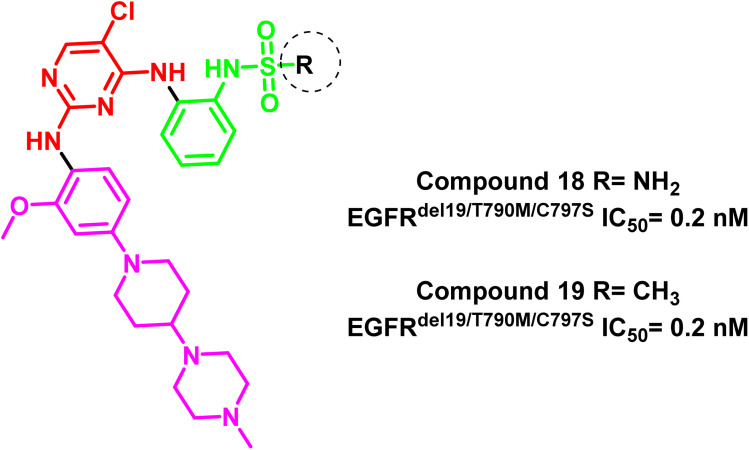
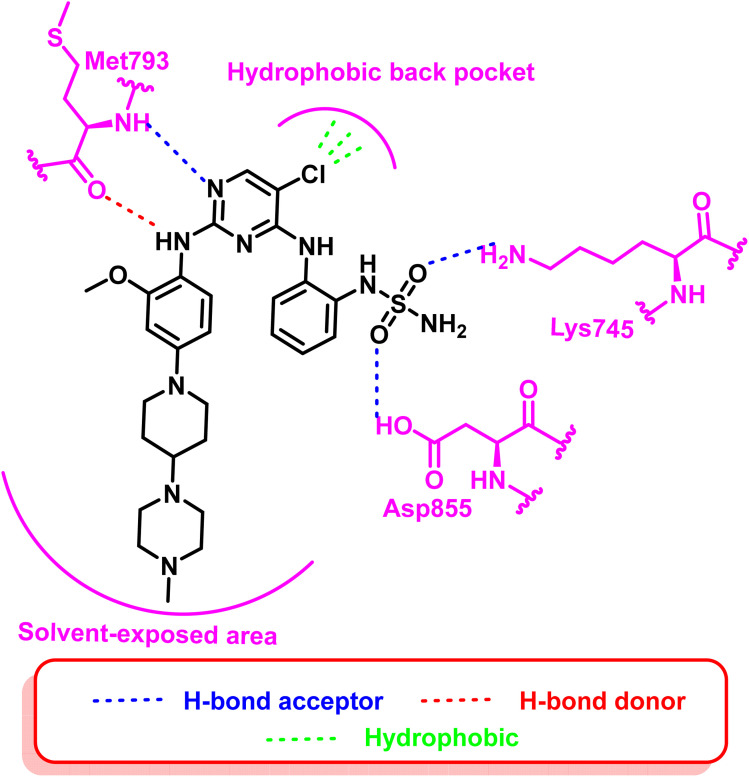
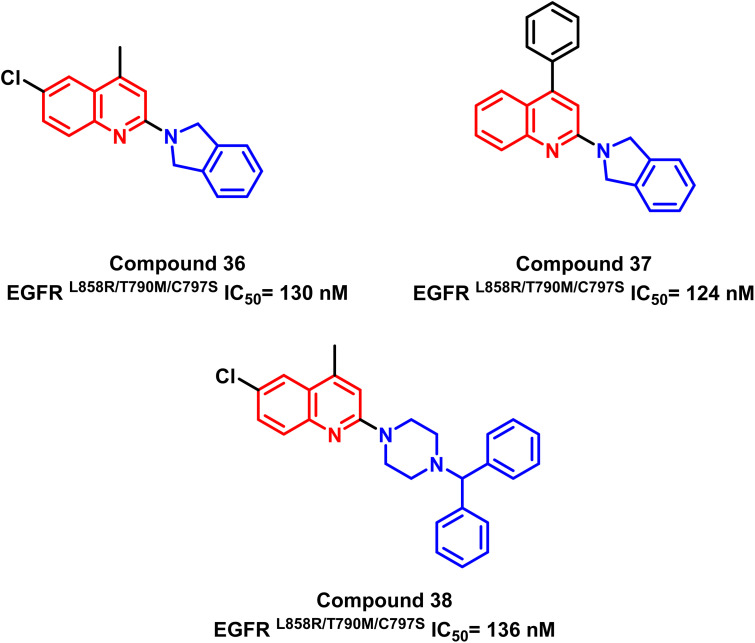
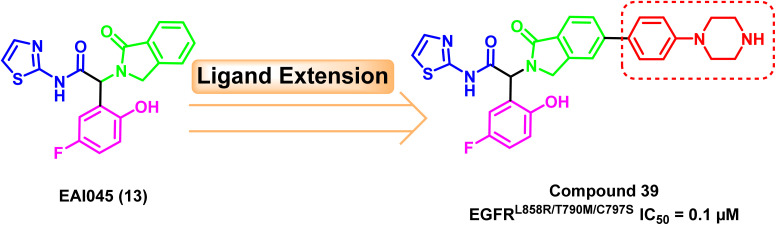
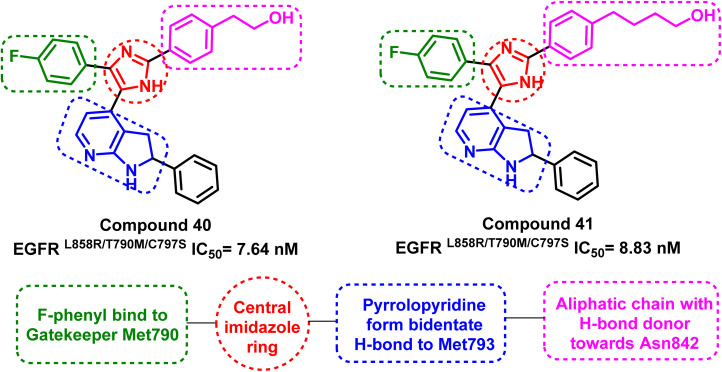
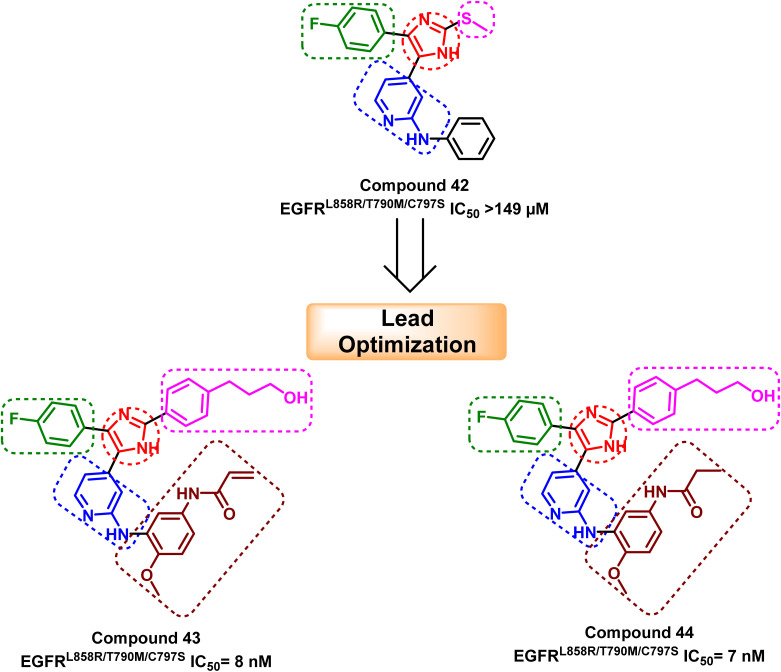
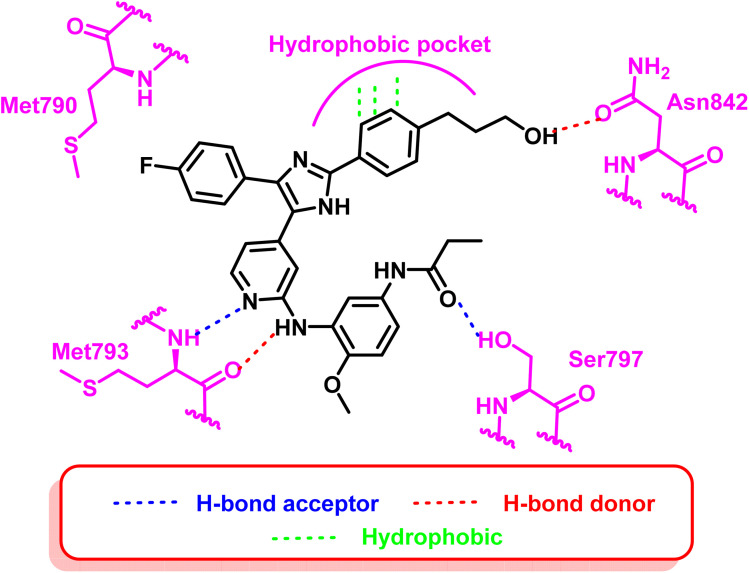
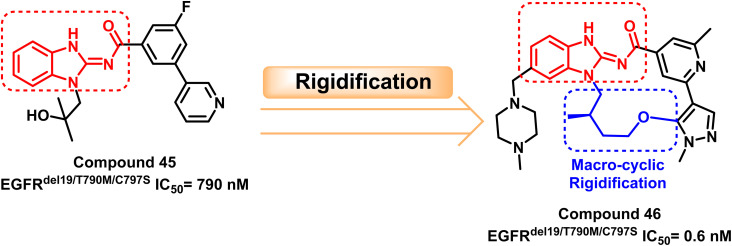
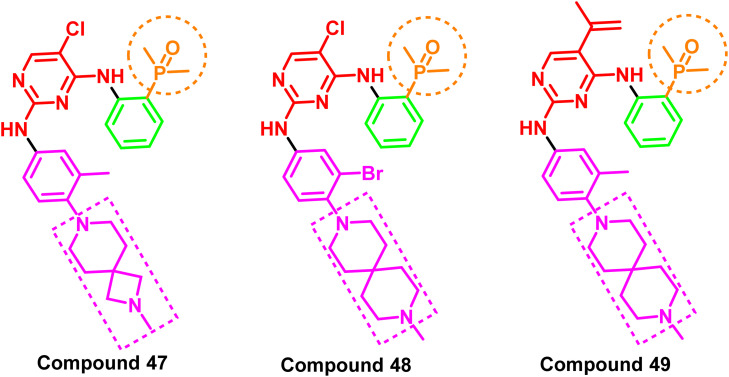
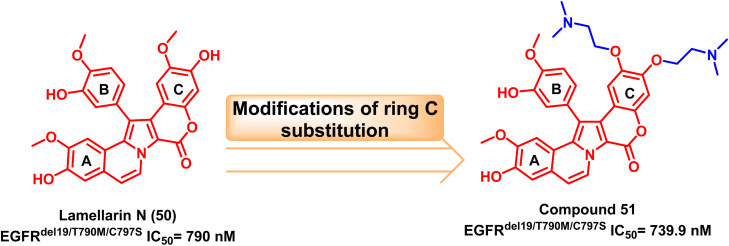
Lung cancer is the second most common cause of morbidity and mortality among cancer types worldwide, with non-small cell lung cancer (NSCLC) representing the majority of most cases. Epidermal growth factor receptor tyrosine kinase inhibitors (EGFR TKIs) are among the most commonly used targeted therapy to treat NSCLC. Recent years have seen the evaluation of many synthetic EGFR TKIs, most of which showed therapeutic activity in pertinent models and were classified as first, second, and third-generation. The latest studies have concluded that their efficacy was also compromised by additional acquired mutations, including C797S. Because second- and third-generation EGFR TKIs are irreversible inhibitors, they are ineffective against C797S containing EGFR triple mutations (Del19/T790M/C797S and L858R/T790M/C797S). Therefore, there is an urgent unmet medical need to develop next-generation EGFR TKIs that selectively inhibit EGFR triple mutations a non-irreversible mechanism. This review covers the fourth-generation EGFR-TKIs' most recent design with their essential binding interactions, the clinical difficulties, and the potential outcomes of treating patients with EGFR mutation C797S resistant to third-generation EGFR-TKIs was also discussed. Moreover, the utilization of various therapeutic strategies, including multi-targeting drugs and combination therapies, has also been reviewed.
肺癌是全球癌症类型中导致发病和死亡的第二大常见原因,其中非小细胞肺癌(NSCLC)占大多数病例。表皮生长因子受体酪氨酸激酶抑制剂(EGFR TKIs)是治疗NSCLC最常用的靶向治疗药物之一。近年来,人们对许多合成EGFR TKIs进行了评估,其中大多数在相关模型中显示出治疗活性,并被分为第一代、第二代和第三代。最新研究得出结论,它们的疗效也受到包括C797S在内的其他获得性突变的影响。由于第二代和第三代EGFR TKIs是不可逆抑制剂,它们对含有EGFR三重突变(Del19/T790M/C797S和L858R/T790M/C797S)的C797S无效。因此,迫切需要开发下一代EGFR TKIs,以选择性抑制EGFR三重突变——一种非不可逆机制。本综述涵盖了第四代EGFR-TKIs的最新设计及其关键结合相互作用、临床难点,还讨论了治疗对第三代EGFR-TKIs耐药的EGFR突变C797S患者的潜在结果。此外,还综述了包括多靶点药物和联合疗法在内的各种治疗策略的应用。