
2019-2020 年 H1N1 甲型流感病毒 A5a.1 谱系病毒比同期流行的 A5a.2 谱系病毒具有更好的体外适应能力。
2019-2020 H1N1 clade A5a.1 viruses have better in vitro fitness compared with the co-circulating A5a.2 clade.
机构信息
W. Harry Feinstone Department of Molecular Microbiology and Immunology, The Johns Hopkins Bloomberg School of Public Health, 615 North Wolfe Street, rm W2116, Baltimore, MD, 21205, USA.
Department of Emergency Medicine, Johns Hopkins University School of Medicine, Baltimore, MD, USA.
出版信息
Sci Rep. 2023 Jun 23;13(1):10223. doi: 10.1038/s41598-023-37122-z.
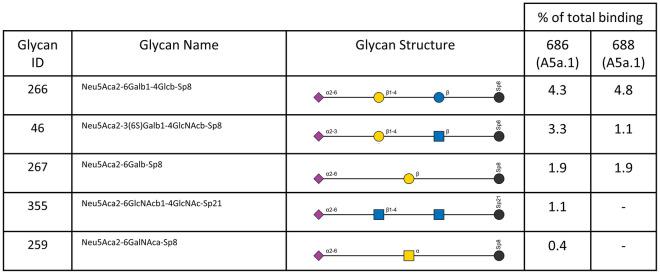
Surveillance for emerging human influenza virus clades is important for identifying changes in viral fitness and assessing antigenic similarity to vaccine strains. While fitness and antigenic structure are both important aspects of virus success, they are distinct characteristics and do not always change in a complementary manner. The 2019-2020 Northern Hemisphere influenza season saw the emergence of two H1N1 clades: A5a.1 and A5a.2. While several studies indicated that A5a.2 showed similar or even increased antigenic drift compared with A5a.1, the A5a.1 clade was still the predominant circulating clade that season. Clinical isolates of representative viruses from these clades were collected in Baltimore, Maryland during the 2019-2020 season and multiple assays were performed to compare both antigenic drift and viral fitness between clades. Neutralization assays performed on serum from healthcare workers pre- and post-vaccination during the 2019-2020 season show a comparable drop in neutralizing titers against both A5a.1 and A5a.2 viruses compared with the vaccine strain, indicating that A5a.1 did not have antigenic advantages over A5a.2 that would explain its predominance in this population. Plaque assays were performed to investigate fitness differences, and the A5a.2 virus produced significantly smaller plaques compared with viruses from A5a.1 or the parental A5a clade. To assess viral replication, low MOI growth curves were performed on both MDCK-SIAT and primary differentiated human nasal epithelial cell cultures. In both cell cultures, A5a.2 yielded significantly reduced viral titers at multiple timepoints post-infection compared with A5a.1 or A5a. Receptor binding was then investigated through glycan array experiments which showed a reduction in receptor binding diversity for A5a.2, with fewer glycans bound and a higher percentage of total binding attributable to the top three highest bound glycans. Together these data indicate that the A5a.2 clade had a reduction in viral fitness, including reductions in receptor binding, that may have contributed to the limited prevalence observed after emergence.
监测新兴的人类流感病毒株对于识别病毒适应性的变化以及评估其与疫苗株的抗原相似性非常重要。虽然适应性和抗原结构都是病毒成功的重要方面,但它们是不同的特征,并不总是以互补的方式发生变化。2019-2020 年北半球流感季节出现了两种 H1N1 株:A5a.1 和 A5a.2。虽然有几项研究表明 A5a.2 与 A5a.1 相比表现出相似甚至更大的抗原漂移,但 A5a.1 株仍然是该季节主要的流行株。在 2019-2020 年期间,从马里兰州巴尔的摩收集了来自这些株的代表性病毒的临床分离物,并进行了多项测定以比较株间的抗原漂移和病毒适应性。在 2019-2020 年期间,对接种疫苗前后医护人员血清进行的中和测定显示,与疫苗株相比,针对 A5a.1 和 A5a.2 病毒的中和滴度均有可比下降,表明 A5a.1 对 A5a.2 没有抗原优势,无法解释其在该人群中的优势地位。进行了噬斑测定以研究适应性差异,与 A5a.1 或亲本 A5a 株的病毒相比,A5a.2 病毒产生的噬斑明显更小。为了评估病毒复制,在 MDCK-SIAT 和原代分化的人鼻上皮细胞培养物上进行了低 MOI 生长曲线测定。在两种细胞培养物中,与 A5a.1 或 A5a.2 相比,A5a.2 在感染后多个时间点的病毒滴度均显著降低。然后通过糖基阵列实验研究了受体结合,结果表明 A5a.2 的受体结合多样性减少,与更少的糖结合,并且总结合的百分比归因于前三种最高结合的糖。这些数据表明,A5a.2 株的病毒适应性降低,包括受体结合降低,这可能导致出现后观察到的有限流行。


 Zotero 插件