Lee Kwangwon, Godina Fatima, Pike Delaney
Center for Early Childhood Education, Eastern Connecticut State University, 83 Windham St, Willimantic, CT 06226 USA.
Early Child Educ J. 2023 Mar 30:1-13. doi: 10.1007/s10643-023-01467-x.
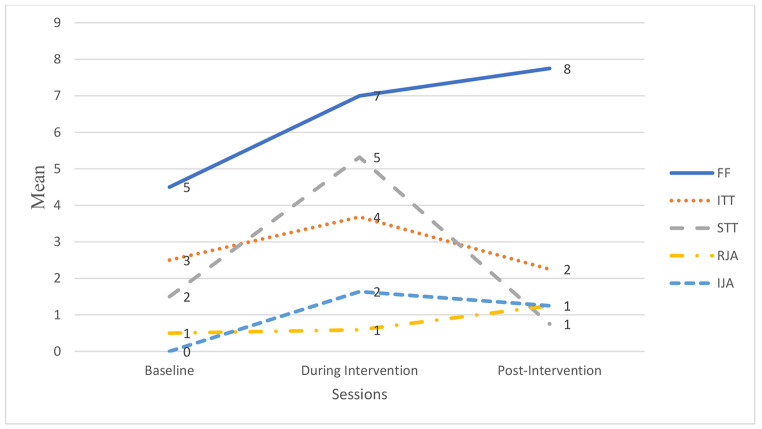
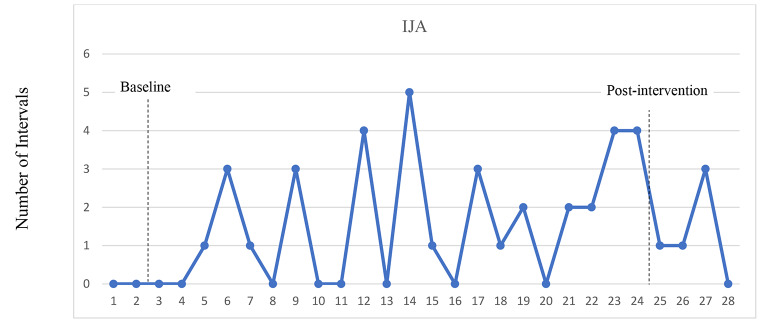
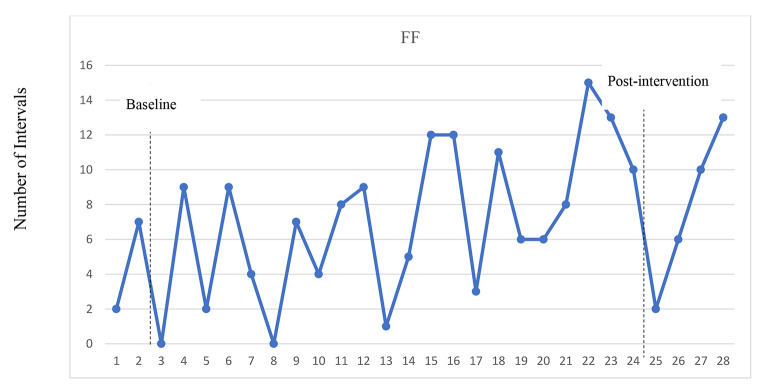
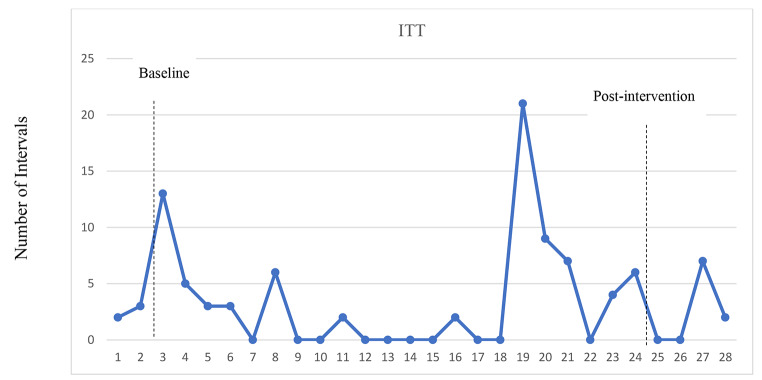
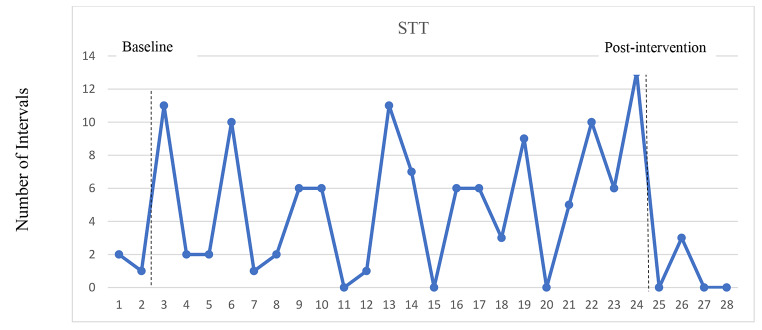
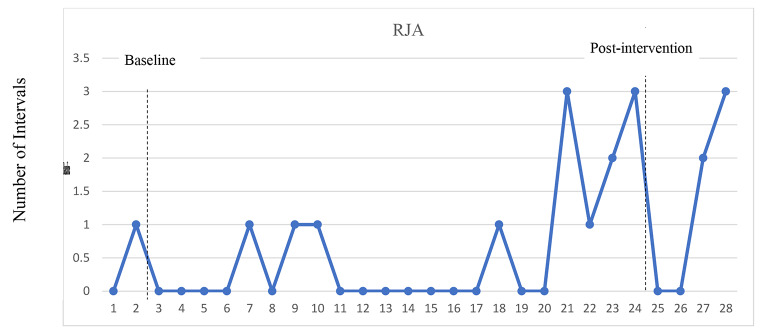
Social turn taking, a preverbal social communication competency often difficult for young children with autism, may be foundational to joint attention when included as a component of interventions for children with autism. In this study, social turn-taking was promoted through a parent mediated learning approach to intervention in a telehealth setting. Following a mixed-methods design, the present study explored the results of this new intervention model for a toddler with autism. The study also sought to understand any changes in the parent-child relationship because of the intervention. Findings indicate that the intervention supported the child's social communication competencies, including social turn-taking, joint attention, and facial focusing. Qualitative data revealed improvements in the parent-child relationship. These preliminary results lend support for promoting social turn-taking in interventions for children with autism, as well as for following developmental, parent-driven approaches to intervention. Studies with larger sample sizes are needed to understand these findings further. Implications for practice and research in early intervention are presented.
社交轮流互动是一种言语前的社会沟通能力,对于自闭症幼儿来说往往具有挑战性,当它作为自闭症儿童干预措施的一个组成部分时,可能是共同注意的基础。在本研究中,通过一种家长介导的学习方法在远程医疗环境中促进社交轮流互动。采用混合方法设计,本研究探讨了这种针对一名自闭症幼儿的新干预模式的效果。该研究还试图了解因干预而导致的亲子关系的任何变化。研究结果表明,该干预支持了儿童的社会沟通能力,包括社交轮流互动、共同注意和面部聚焦。定性数据显示亲子关系有所改善。这些初步结果为在自闭症儿童干预中促进社交轮流互动以及采用以发展为导向、由家长驱动的干预方法提供了支持。需要进行更大样本量的研究来进一步了解这些发现。本文还介绍了对早期干预实践和研究的启示。