Hawryluk Marek, Lachowicz Marzena, Łukaszek-Sołek Aneta, Lisiecki Łukasz, Ficak Grzegorz, Cygan Piotr
Department of Metal Forming, Welding and Metrology, Wroclaw University of Science and Technology, Lukasiewicza Street 5, 50-370 Wroclaw, Poland.
Faculty of Metals Engineering and Industrial Computer Science, AGH University of Science and Technology, Av. Mickiewicza 30, 30-059 Krakow, Poland.
Materials (Basel). 2023 Jun 7;16(12):4223. doi: 10.3390/ma16124223.
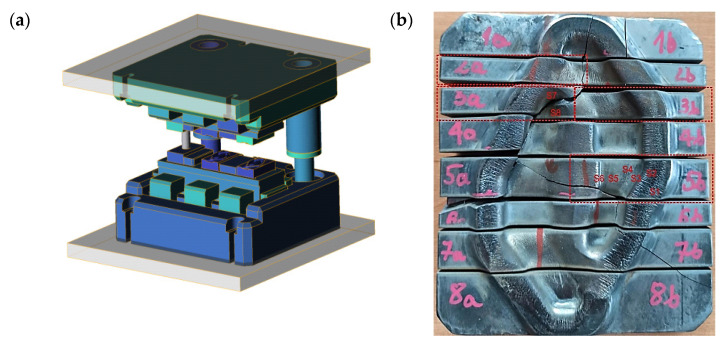
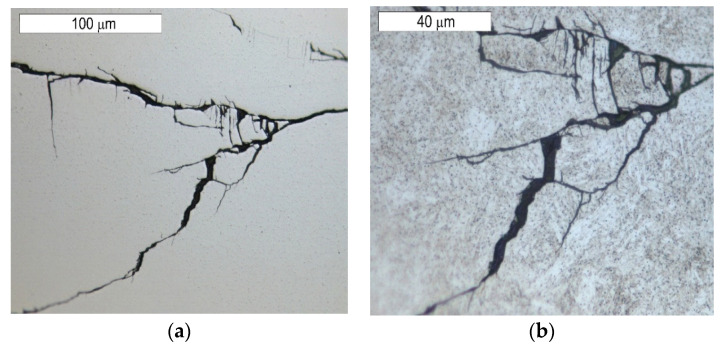
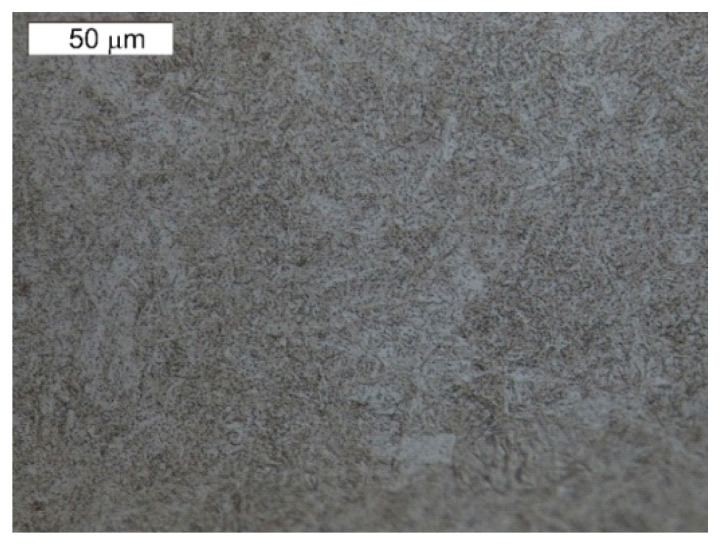
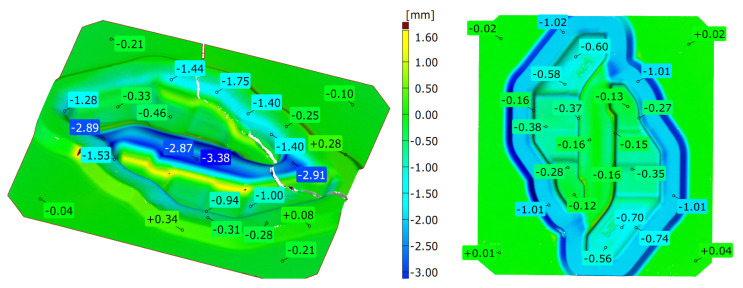
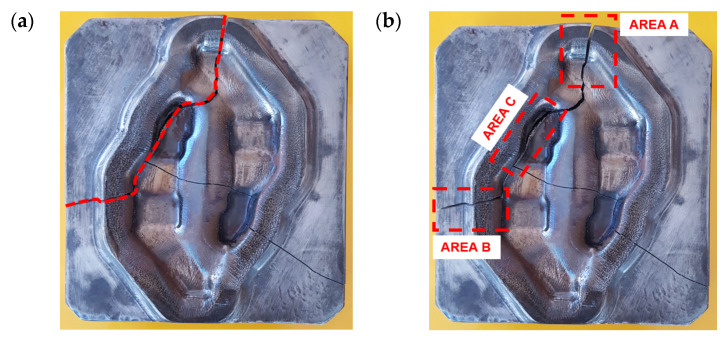
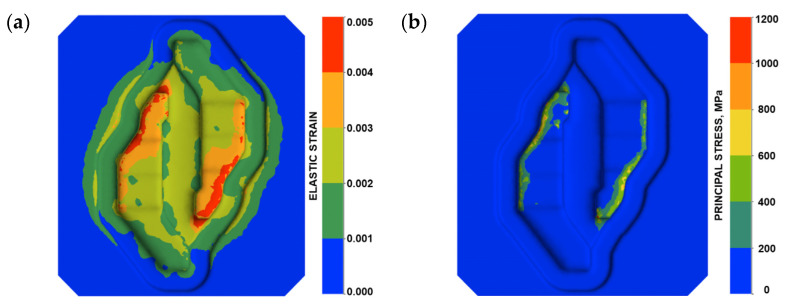
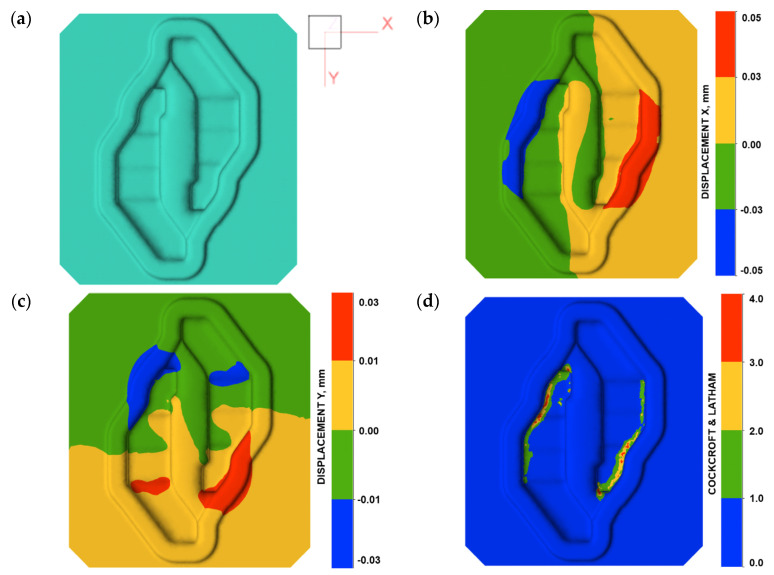
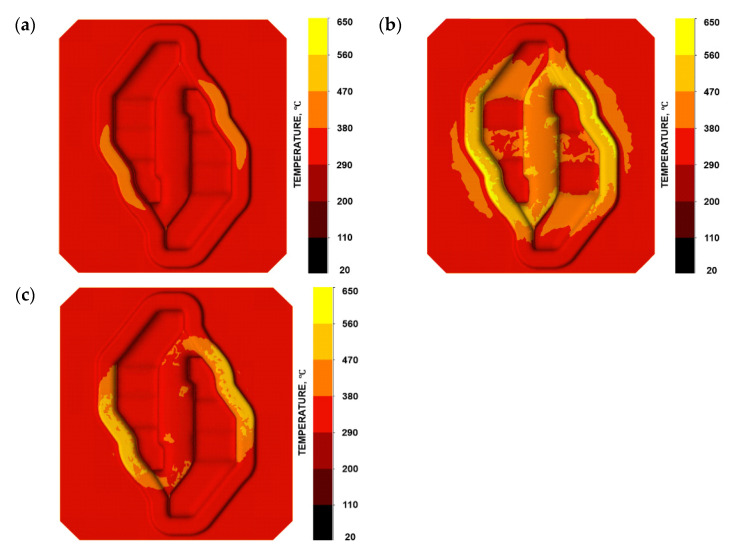
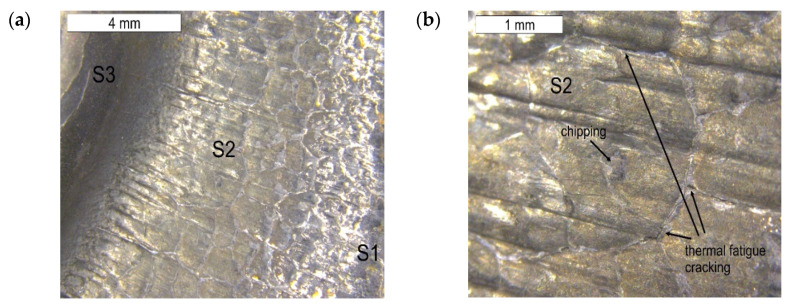
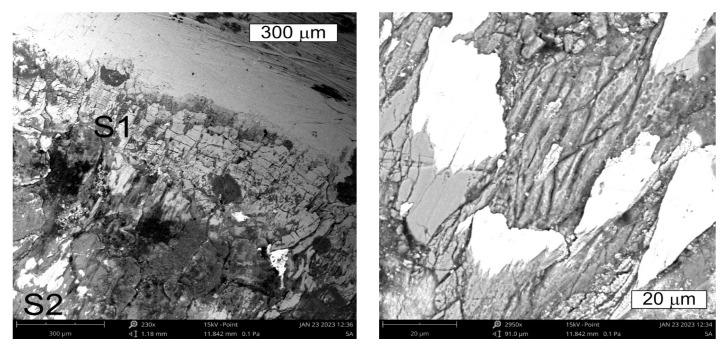
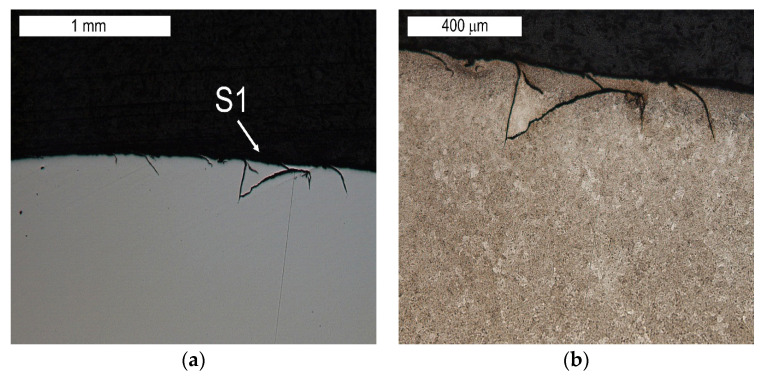
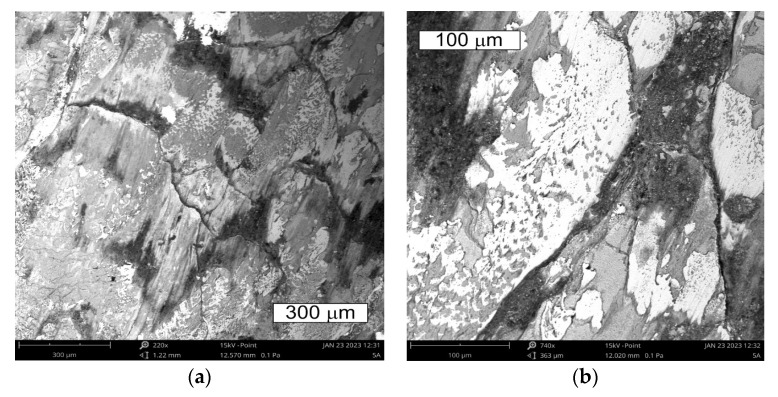
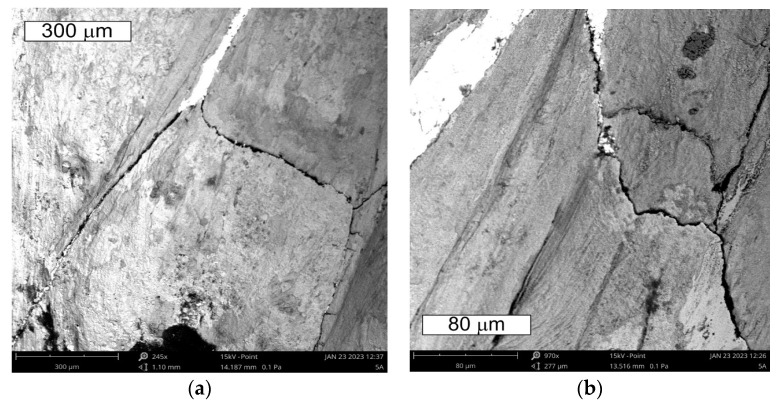
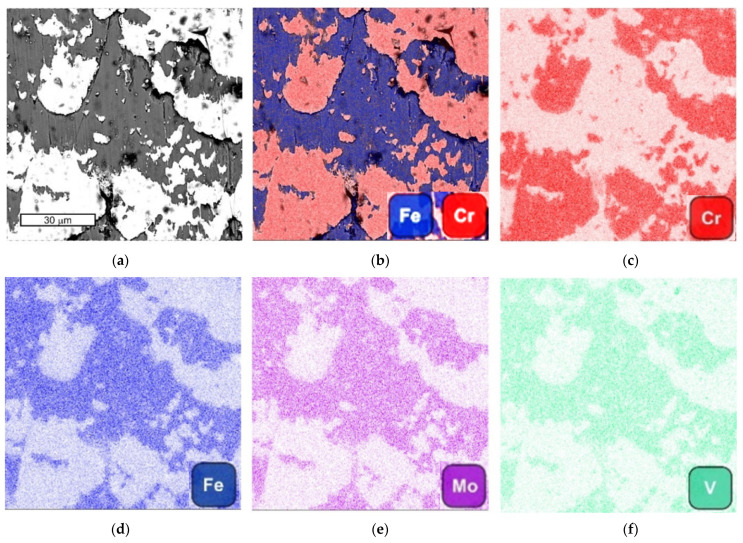
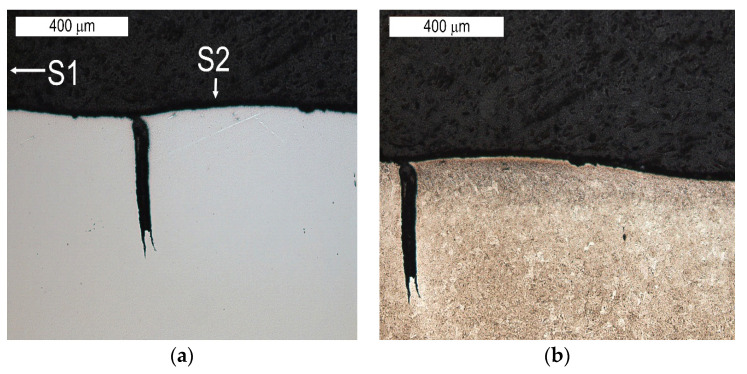
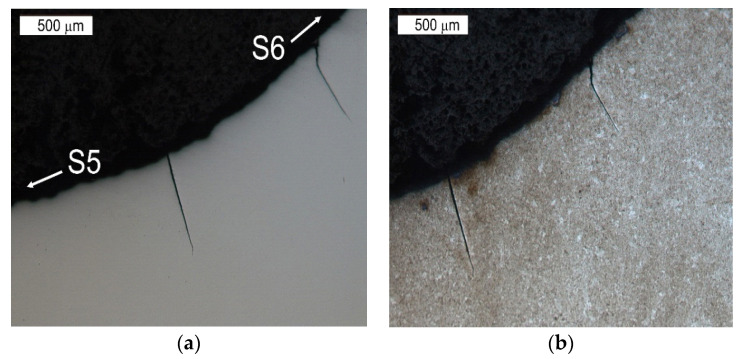
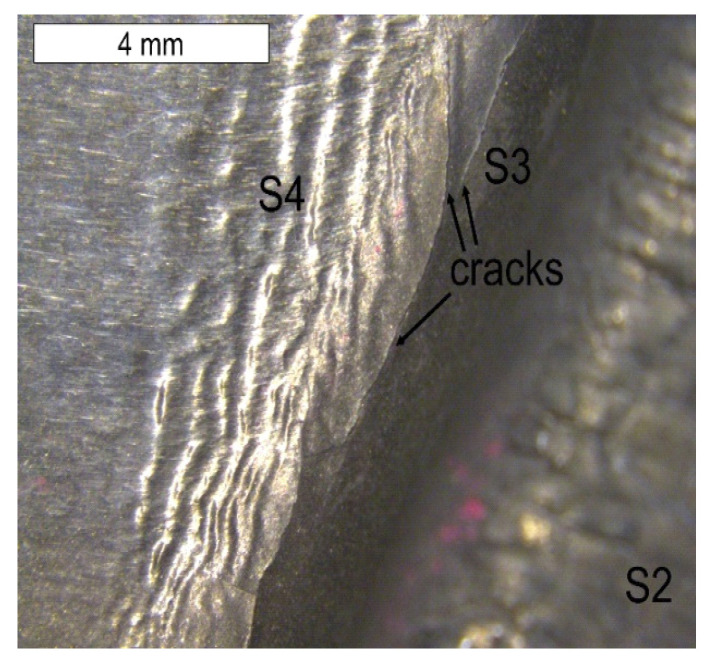
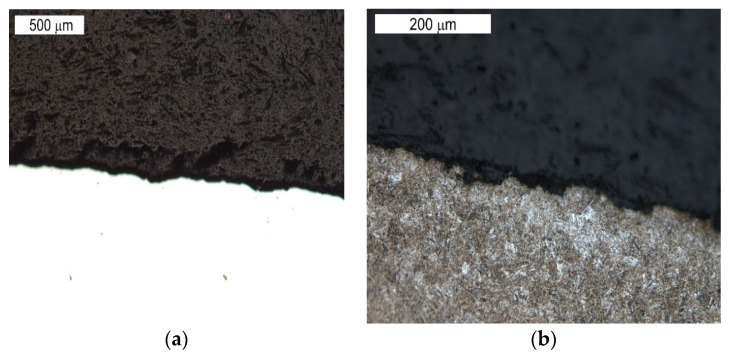
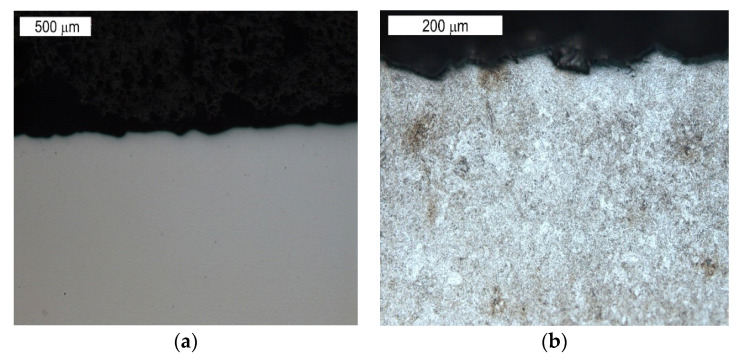
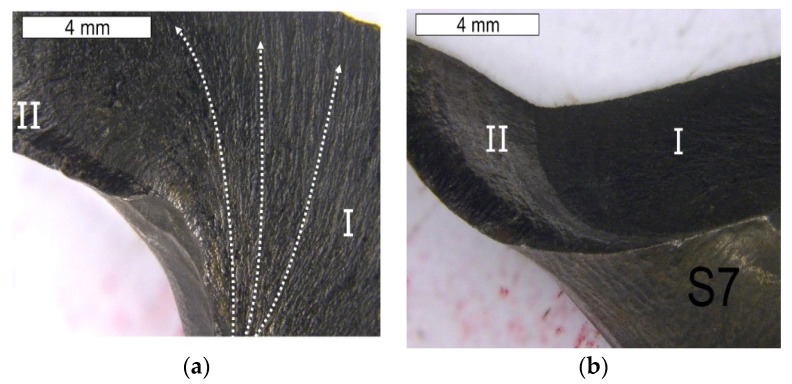
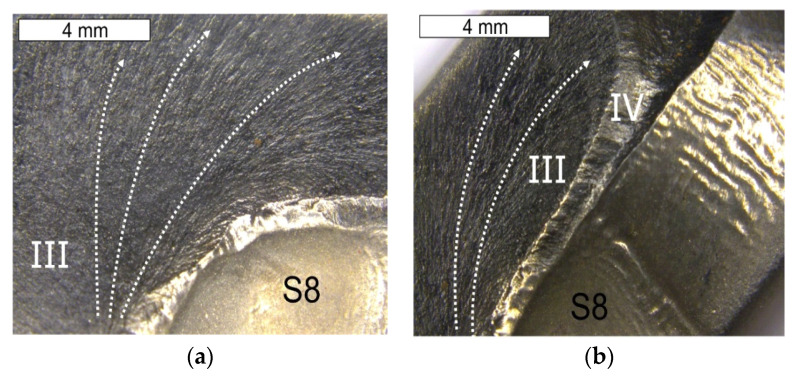
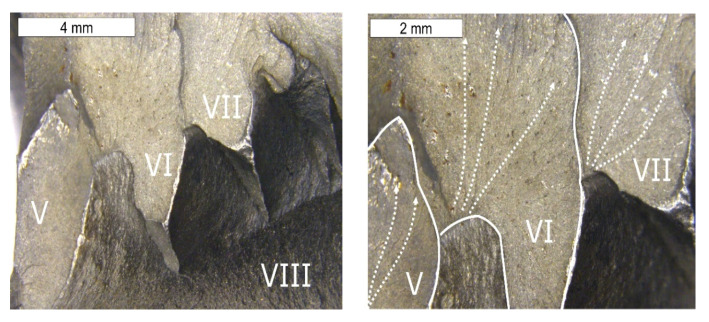
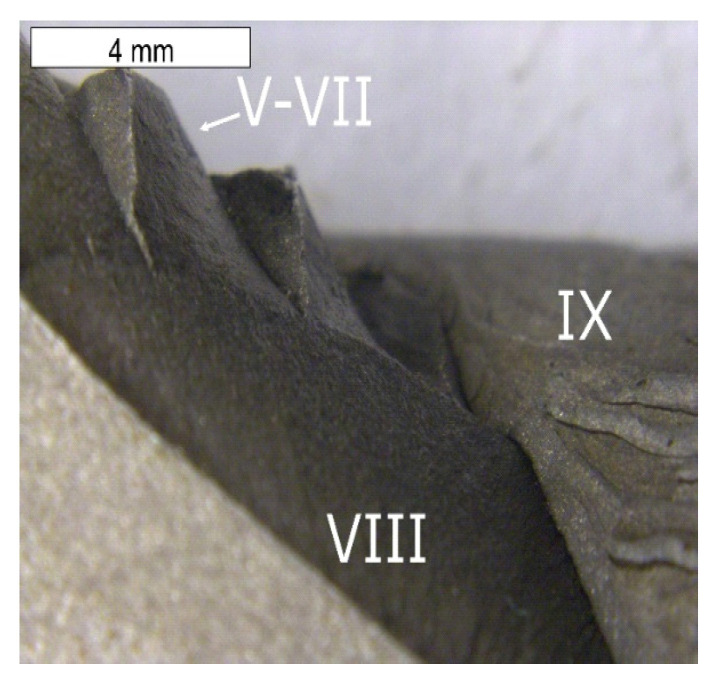
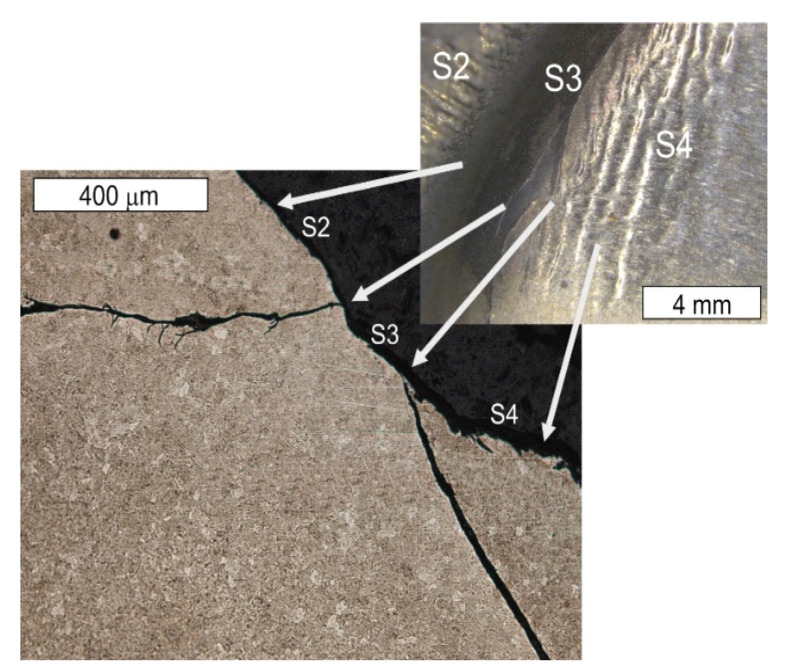
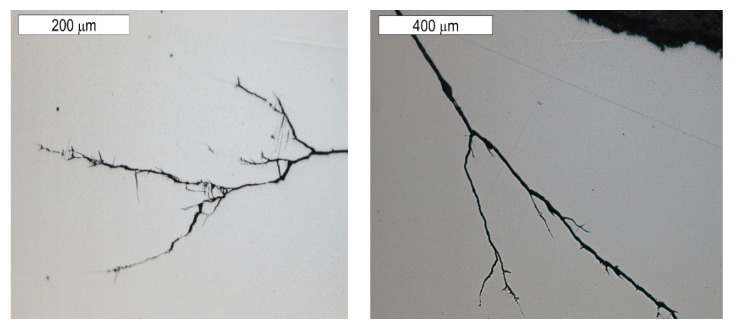
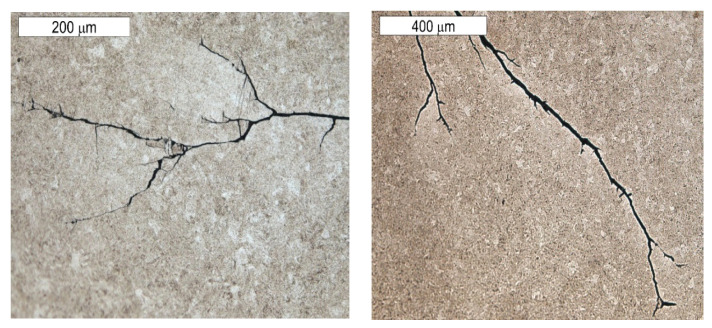
The paper presents the results of tests on a die insert made of non-standardised chrome-molybdenum-vanadium tool steel used during pre-forging, the life of which was 6000 forgings, while the average life for such tools is 8000 forgings. It was withdrawn from production due to intensive wear and premature breakage. In order to determine the causes of increased tool wear, a comprehensive analysis was carried out, including 3D scanning of the working surface; numerical simulations, with particular emphasis on cracking (according to the C-L criterion); and fractographic and microstructural tests. The results of numerical modelling in conjunction with the obtained results of structural tests allowed us to determine the causes of cracks in the working area of the die, which were caused by high cyclical thermal and mechanical loads and abrasive wear due to intensive flow of the forging material. It was found that the resulting fracture initiated as a multi-centric fatigue fracture continued to develop as a multifaceted brittle fracture with numerous secondary faults. Microscopic examinations allowed us to evaluate the wear mechanisms of the insert, which included plastic deformation and abrasive wear, as well as thermo-mechanical fatigue. As part of the work carried out, directions for further research were also proposed to improve the durability of the tested tool. In addition, the observed high tendency to cracking of the tool material used, based on impact tests and determination of the fracture toughness factor, led to the proposal of an alternative material characterised by higher impact strength.
本文介绍了对一种用于预锻造的非标准铬钼钒工具钢模具镶块的测试结果。该模具镶块的使用寿命为6000次锻造,而此类工具的平均使用寿命为8000次锻造。由于磨损严重和过早断裂,它被停止使用。为了确定工具磨损加剧的原因,进行了全面分析,包括对工作表面进行3D扫描;数值模拟,特别强调裂纹(根据C-L准则);以及断口分析和微观结构测试。数值模拟结果与结构测试所得结果相结合,使我们能够确定模具工作区域裂纹的原因,这些裂纹是由高循环热负荷和机械负荷以及锻造材料强烈流动导致的磨料磨损引起的。研究发现,产生的断裂最初是多中心疲劳断裂,随后发展为具有众多次生缺陷的多面脆性断裂。微观检查使我们能够评估镶块的磨损机制,包括塑性变形、磨料磨损以及热机械疲劳。作为所开展工作的一部分,还提出了进一步研究的方向,以提高测试工具的耐用性。此外,基于冲击试验和断裂韧性因子的测定,观察到所用工具材料具有很高的开裂倾向,因此提出了一种具有更高冲击强度的替代材料。