Department of Psychiatry and Psychotherapy, University of Leipzig, Medical Center, Leipzig, Germany.
Department of Health and Prevention, Greifswald University, Greifswald, Germany.
Sci Rep. 2023 Jul 4;13(1):10825. doi: 10.1038/s41598-023-37955-8.
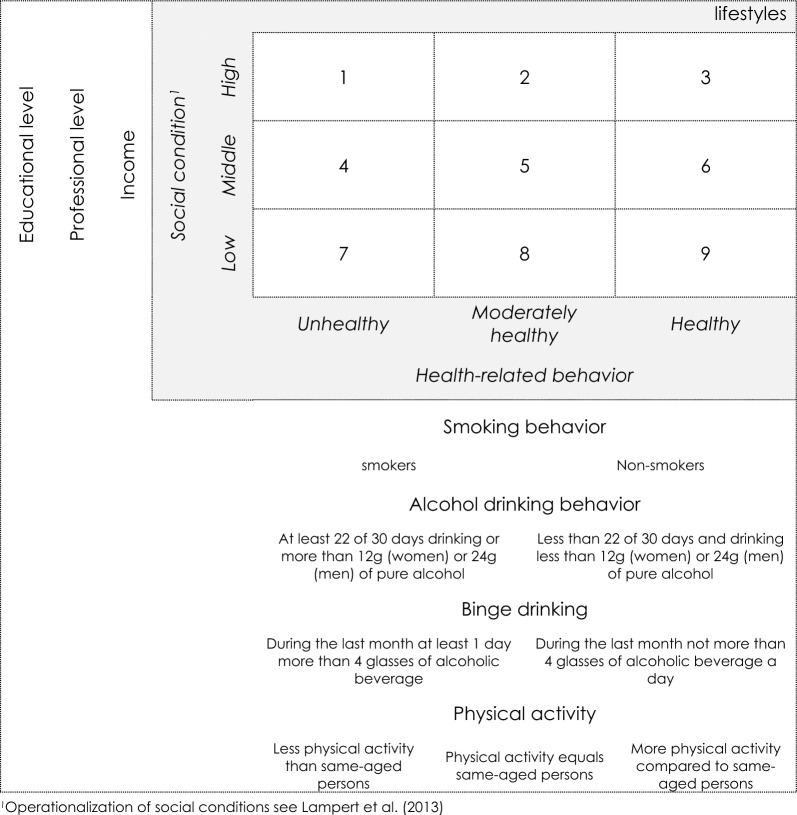
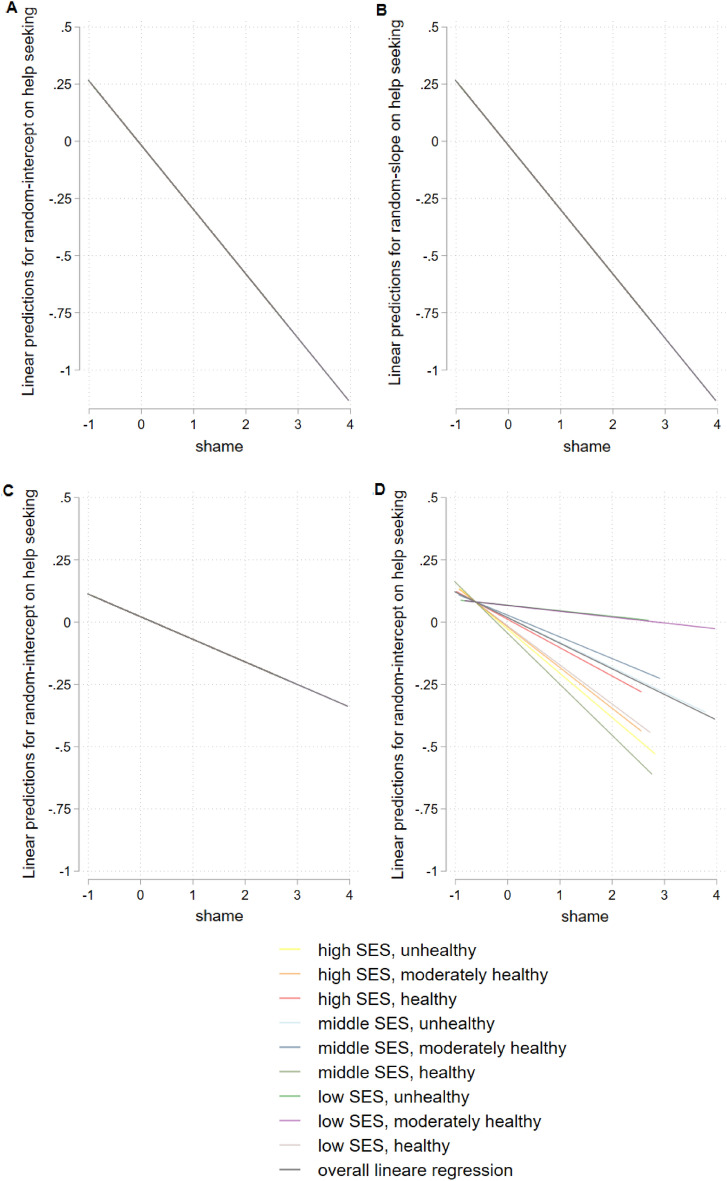
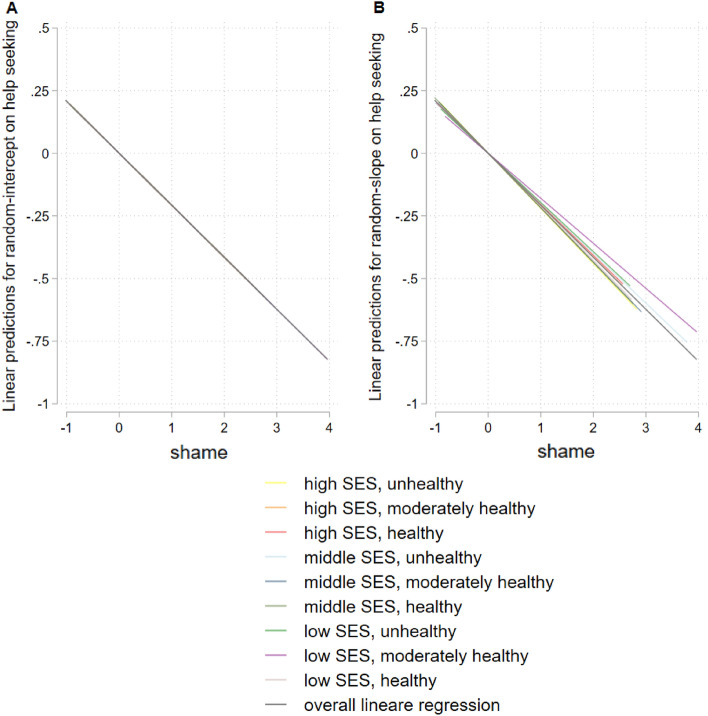
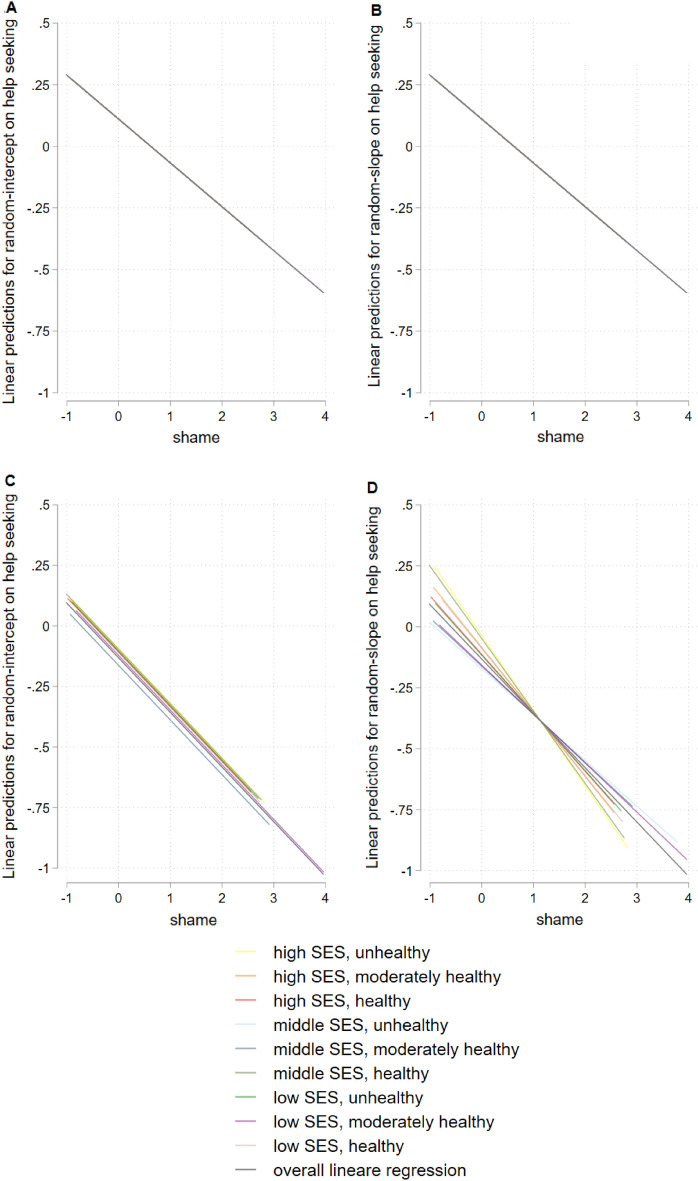
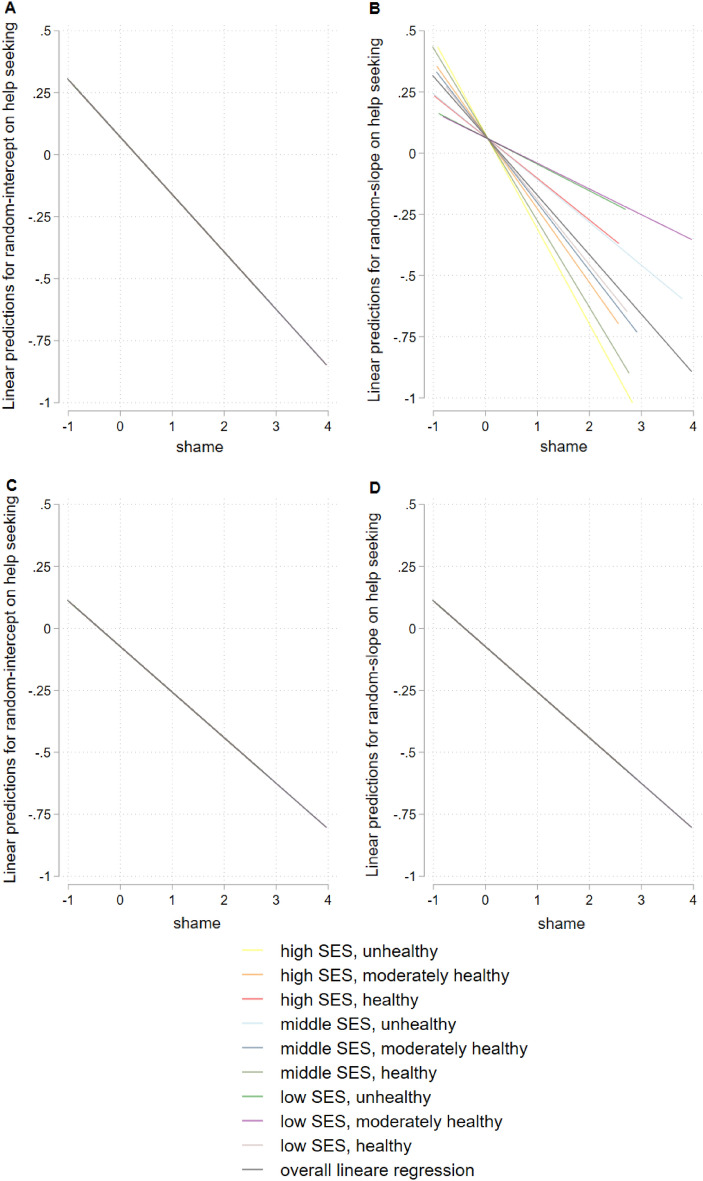
To identify und support particular target groups for mental health prevention, we explore the links between shame and help-seeking intentions concerning mental health in different lifestyles (based on socioeconomic status as well as health-related behaviors). Lifestyles were operationalized by nine confirmatory, homogenous clusters of the sample. These clusters are based on individuals' similarities in sociodemographic aspects and health behavior. Analyses included t tests, Chi-square, ANOVA, regressions investigating in sociodemographic characteristics. Hierarchical linear models examining cross-sectional associations of shame and willingness to seek help for different lifestyles of participants of the Study of Health in Pomerania (SHIP-START-1 and SHIP-START-3, data collected 2002-2006 and 2014-2016; n = 1630). Hierarchical linear models showed small context effects for lifestyle-related associations of shame and willingness to seek help. For younger as well as male participants, lifestyles indicated different associations of shame and help-seeking intentions: Especially the lifestyles with unhealthy behaviors and high as well as low socioeconomic status resulted in higher shame being associated with low help-seeking intentions in case of mental illness. Lifestyle clusters might be a useful tool to identify marginalized groups with unhealthy behaviors, which should be addressed by interventions and prevention programs.
为了确定和支持心理健康预防的特定目标群体,我们探讨了羞耻感与寻求心理健康帮助意愿之间的联系,这些联系存在于不同的生活方式中(基于社会经济地位以及与健康相关的行为)。生活方式通过样本中的九个确认性、同质聚类来操作化。这些聚类基于个体在社会人口统计学方面和健康行为的相似性。分析包括 t 检验、卡方检验、方差分析、回归分析,以研究社会人口统计学特征。分层线性模型检查了不同生活方式的参与者的羞耻感和寻求帮助意愿的横断面关联,这些参与者来自于波罗的海健康研究(SHIP-START-1 和 SHIP-START-3,数据收集于 2002-2006 年和 2014-2016 年;n=1630)。分层线性模型显示,生活方式相关的羞耻感和寻求帮助意愿之间存在小的环境效应。对于年轻和男性参与者,生活方式表明羞耻感和寻求帮助意愿之间存在不同的关联:特别是那些具有不健康行为以及高社会经济地位和低社会经济地位的生活方式,导致在心理健康方面,较高的羞耻感与较低的寻求帮助意愿相关。生活方式聚类可能是识别具有不健康行为的边缘化群体的有用工具,应通过干预和预防计划来解决这些群体的问题。