Department of Pediatrics, Division of Pediatric Neurology, Children's Medical Center, Pediatrics Center of Excellence, Tehran University of Medical Sciences, Tehran, Iran.
Child Growth and Development Research Center, Research Institute for Primordial Prevention of Non-Communicable Disease, Isfahan University of Medical Sciences, Isfahan, Iran.
Orphanet J Rare Dis. 2023 Jul 5;18(1):177. doi: 10.1186/s13023-023-02780-9.
Phospholipase-associated neurodegeneration (PLAN) caused by mutations in the PLA2G6 gene is a rare neurodegenerative disorder that presents with four sub-groups. Infantile neuroaxonal dystrophy (INAD) and PLA2G6-related dystonia-parkinsonism are the main two subtypes. In this cohort, we reviewed clinical, imaging, and genetic features of 25 adult and pediatric patients harboring variants in the PLA2G6.
An extensive review of the patients' data was carried out. Infantile Neuroaxonal Dystrophy Rating Scale (INAD-RS) was used for evaluating the severity and progression of INAD patients. Whole-exome sequencing was used to determine the disease's underlying etiology followed by co-segregation analysis using Sanger sequencing. In silico prediction analysis based on the ACMG recommendation was used to assess the pathogenicity of genetic variants. We aimed to survey a genotype-genotype correlation in PLA2G6 considering all reported disease-causing variants in addition to our patients using the HGMD database and the chi-square statistical approach.
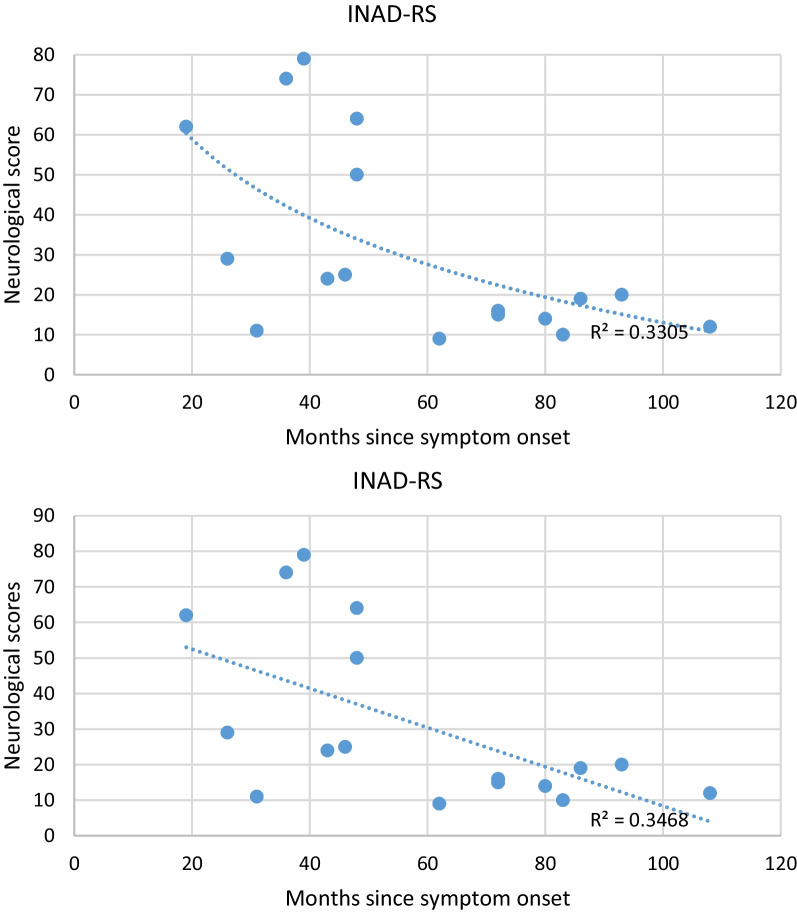
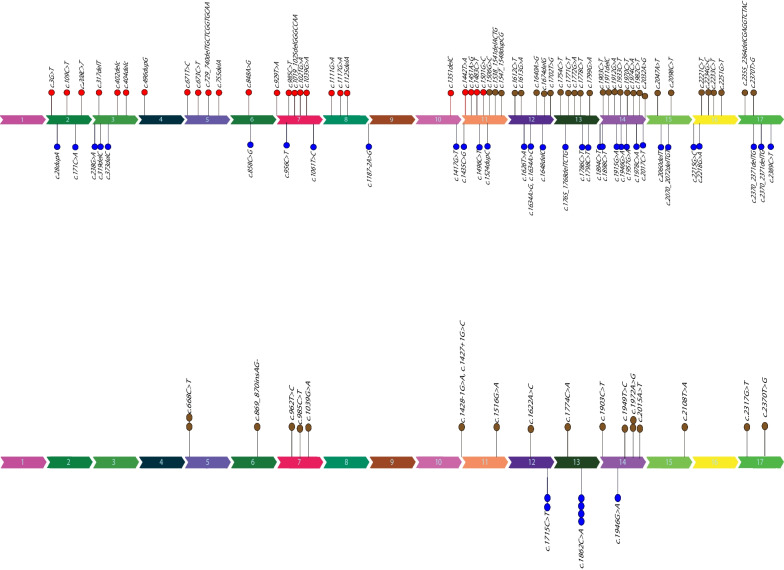
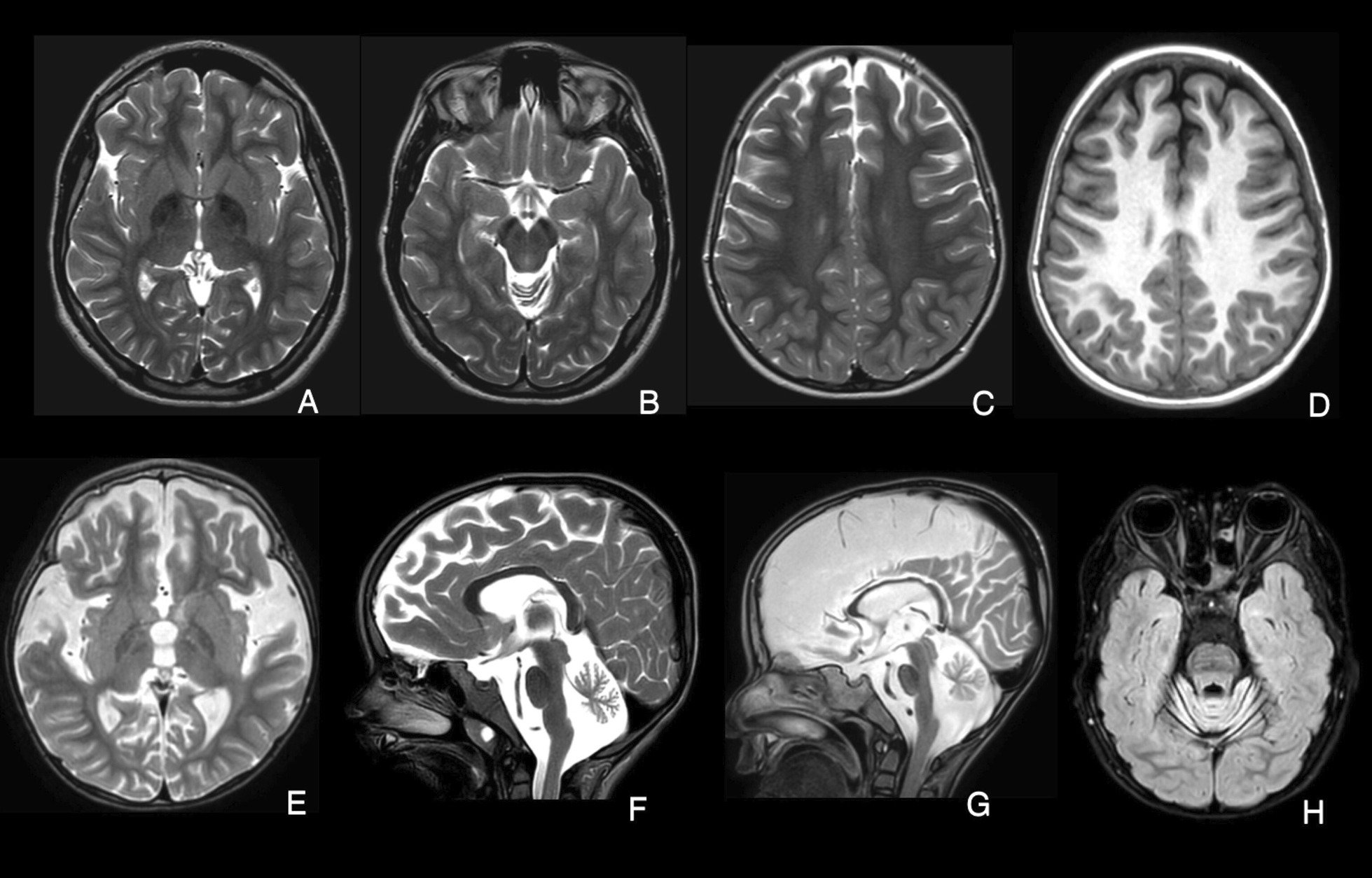
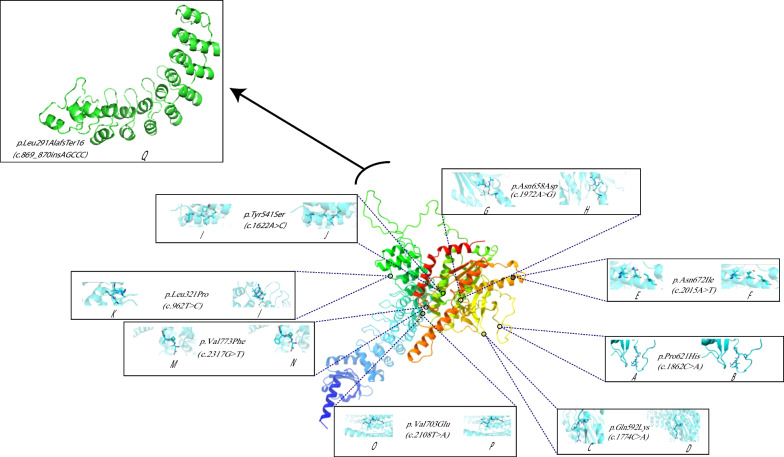
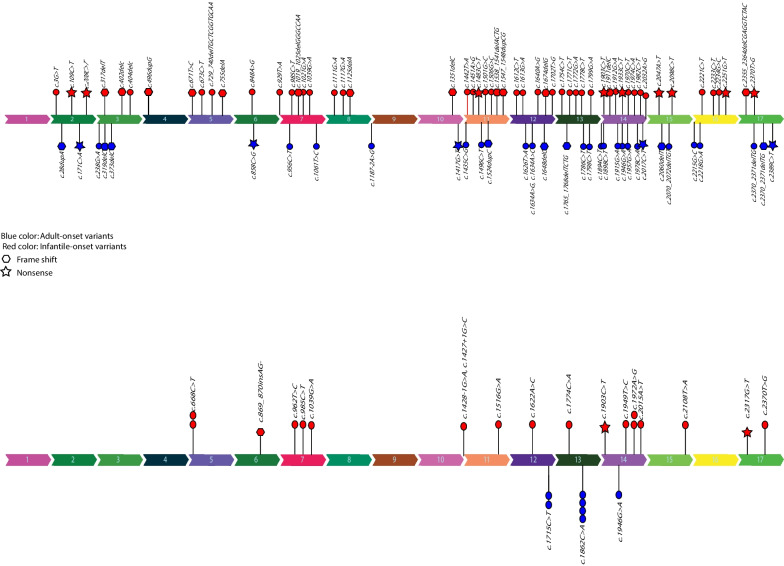
Eighteen cases of INAD and 7 cases of late-onset PLAN were enrolled. Among 18 patients with INAD, gross motor regression was the most common presenting symptom. Considering the INAD-RS total score, the mean rate of progression was 0.58 points per month of symptoms (Standard error 0.22, lower 95% - 1.10, and upper 95% - 0.15). Sixty percent of the maximum potential loss in the INAD-RS had occurred within 60 months of symptom onset in INAD patients. Among seven adult cases of PLAN, hypokinesia, tremor, ataxic gate, and cognitive impairment were the most frequent clinical features. Various brain imaging abnormalities were also observed in 26 imaging series of these patients with cerebellar atrophy being the most common finding in more than 50%. Twenty unique variants in 25 patients with PLAN were detected including nine novel variants. Altogether, 107 distinct disease-causing variants from 87 patient were analyzed to establish a genotype-phenotype correlation. The P value of the chi-square test did not indicate a significant relationship between age of disease onset and the distribution of reported variants on PLA2G6.
PLAN presents with a wide spectrum of clinical symptoms from infancy to adulthood. PLAN should be considered in adult patients with parkinsonism or cognition decline. Based on the current knowledge, it is not possible to foresee the age of disease onset based on the identified genotype.
由 PLA2G6 基因突变引起的磷脂酶相关神经退行性疾病(PLAN)是一种罕见的神经退行性疾病,有四个亚组。婴儿神经轴索营养不良(INAD)和 PLA2G6 相关的肌张力障碍-帕金森病是主要的两个亚型。在本队列中,我们回顾了 25 名携带 PLA2G6 变异的成人和儿科患者的临床、影像学和遗传特征。
对患者数据进行了广泛的回顾。使用婴儿神经轴索营养不良评分量表(INAD-RS)评估 INAD 患者的严重程度和进展情况。使用全外显子组测序确定疾病的潜在病因,然后使用 Sanger 测序进行共分离分析。基于 ACMG 推荐的种系预测分析用于评估遗传变异的致病性。我们旨在通过使用 HGMD 数据库和卡方统计方法,考虑到所有已报道的致病变异以及我们的患者,调查 PLA2G6 中的基因型-基因型相关性。
纳入了 18 例 INAD 和 7 例迟发性 PLAN 病例。在 18 例 INAD 患者中,运动发育倒退是最常见的首发症状。考虑到 INAD-RS 总分,平均进展速度为每月症状 0.58 分(标准误差 0.22,下限 95%-1.10,上限 95%-0.15)。INAD 患者的 INAD-RS 最大潜在损失的 60%发生在症状出现后的 60 个月内。在 7 例成人 PLAN 病例中,运动减少、震颤、共济失调步态和认知障碍是最常见的临床特征。在这些患者的 26 次影像学系列中还观察到各种脑影像学异常,小脑萎缩是最常见的发现,占 50%以上。在 25 例 PLAN 患者中检测到 20 个独特的变异,包括 9 个新变异。总共分析了 87 名患者的 107 个致病变异,以建立基因型-表型相关性。卡方检验的 P 值表明,发病年龄与 PLA2G6 上报道的变异分布之间没有显著关系。
PLAN 的临床表现从婴儿期到成年期范围广泛。对于帕金森病或认知能力下降的成年患者,应考虑 PLAN。根据目前的知识,基于已识别的基因型,无法预见发病年龄。