Ma Hailong, Shi Chaoji, Jin Shufang, Sheng Surui, Zhang Mei, Li Ran, Zhang Xiaocheng, Zhang Zhiyuan, He Yue
Department of Oral Maxillofacial-Head and Neck Oncology, Shanghai Ninth People's Hospital, Shanghai Jiao Tong University School of Medicine, College of Stomatology, Shanghai Jiao Tong University, Shanghai, China.
National Center for Stomatology, National Clinical Research Center for Oral Diseases, Shanghai Key Laboratory of Stomatology, Shanghai, China.
J Dent Sci. 2023 Jul;18(3):976-984. doi: 10.1016/j.jds.2022.12.015. Epub 2023 Jan 2.
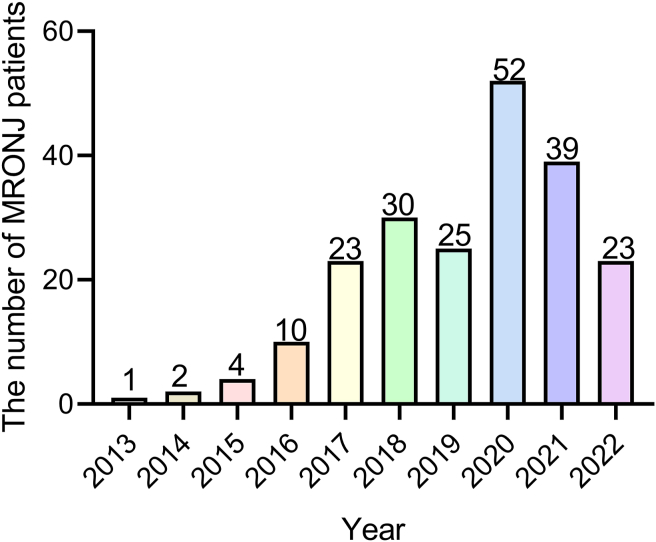
BACKGROUND/PURPOSE: The incidence and patient population of medication-related osteonecrosis of the jaw (MRONJ) has dramatically increased due to the use of drugs suppressing bone metastasis. However, its clinical treatment is still very difficult. The aim of this study was to evaluate the effectiveness and outcome of immediate fibular flap reconstruction for MRONJ in the mandible.
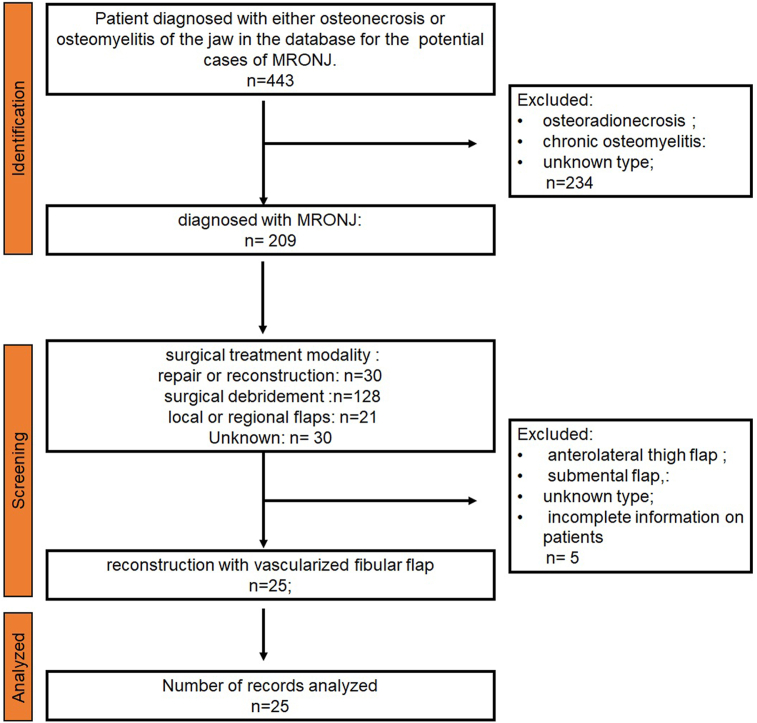
Patients who underwent immediate fibular flap reconstruction for MRONJ in the mandible in our institution from 1990 to 2022 were screened and identified. Their demographics, drug history, symptoms, surgical parameters and follow-up data were collected and analyzed.
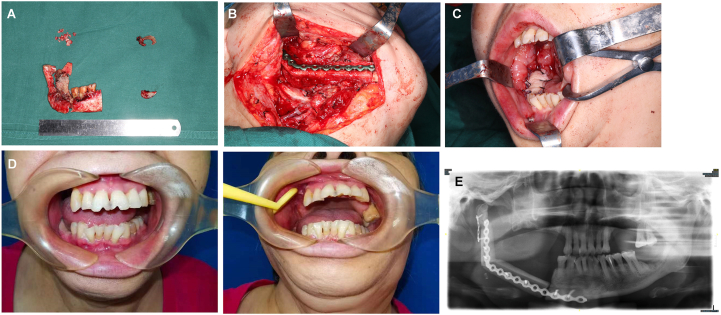
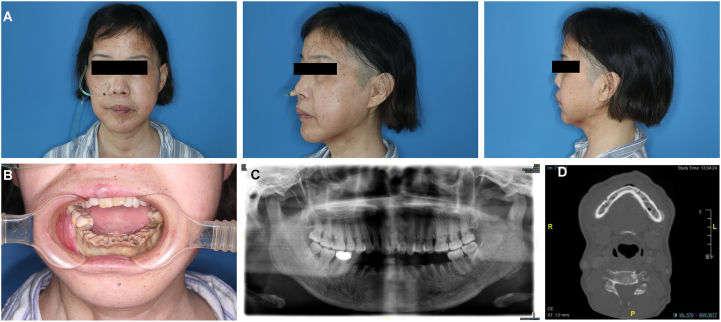
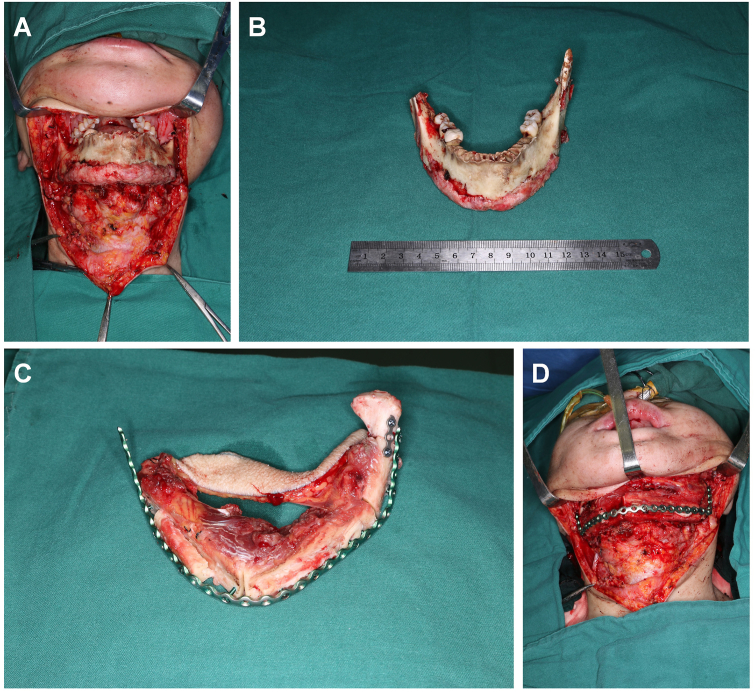
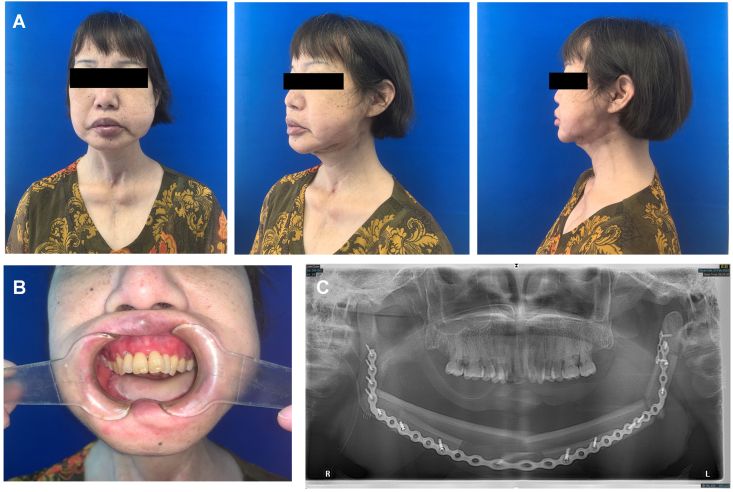
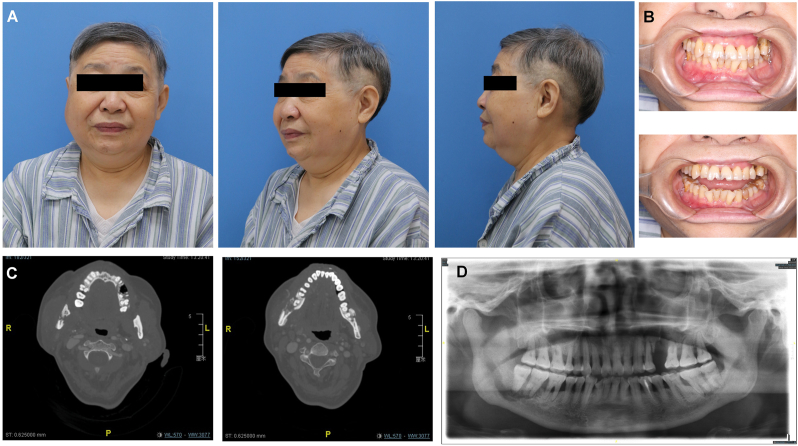
In total, 25 patients with MRONJ stage 3 were included. The main cause of drug administration was osseous metastasis (88%), and zoledronate was the main drug. Pain, swelling (44%), pyorrhea (28%), extraoral fistulas (16%) and necrotic bone exposure (12%) were the main chief complaints. After segmental mandibulectomy, the fibular flap harvest was 9.73 ± 3.37 cm, and 18/25 (72%) were cut into two segments to reconstruct the mandible. Sixty-eight percent had an intraoral skin paddle placed. All of the flaps survived, and 21/25 (84%) of the soft tissue underwent primary healing. During follow-up, the alleviation of symptoms was effective, and there was no primary disease progression or death.
This is the largest comprehensive investigation of fibular flap reconstruction for MRONJ in the mandible, which is proved to be an alternative and effective treatment for managing advanced patients with MRONJ.
背景/目的:由于使用抑制骨转移的药物,颌骨药物相关性骨坏死(MRONJ)的发病率和患者数量急剧增加。然而,其临床治疗仍然非常困难。本研究的目的是评估即刻腓骨瓣重建术治疗下颌骨MRONJ的有效性和效果。
筛选并确定1990年至2022年在本机构接受下颌骨MRONJ即刻腓骨瓣重建术的患者。收集并分析他们的人口统计学资料、用药史、症状、手术参数和随访数据。
共纳入25例3期MRONJ患者。给药的主要原因是骨转移(88%),唑来膦酸是主要药物。疼痛、肿胀(44%)、脓性溢液(28%)、口外瘘(16%)和坏死骨暴露(12%)是主要主诉。下颌骨节段性切除术后,腓骨瓣切取长度为9.73±3.37 cm,25例中有18例(72%)被切成两段以重建下颌骨。68%的患者放置了口内皮瓣。所有皮瓣均存活,25例中有21例(84%)的软组织一期愈合。随访期间,症状缓解有效,无原发疾病进展或死亡。
这是对下颌骨MRONJ腓骨瓣重建术的最大规模综合研究,结果证明该方法是治疗晚期MRONJ患者的一种可行且有效的治疗方法。