
基于呼吸症状和影像学表现的贲门失弛缓症亚型差异
Achalasia Subtype Differences Based on Respiratory Symptoms and Radiographic Findings.
作者信息
Jankovic Jelena, Milenkovic Branislava, Skrobic Ognjan, Ivanovic Nenad, Djurdjevic Natasa, Buha Ivana, Jandric Aleksandar, Colic Nikola, Milin-Lazovic Jelena
机构信息
Clinic for Pulmonology, University Clinical Center of Serbia, 11000 Belgrade, Serbia.
Medical Faculty, University of Belgrade, 11000 Belgrade, Serbia.
出版信息
Diagnostics (Basel). 2023 Jun 28;13(13):2198. doi: 10.3390/diagnostics13132198.
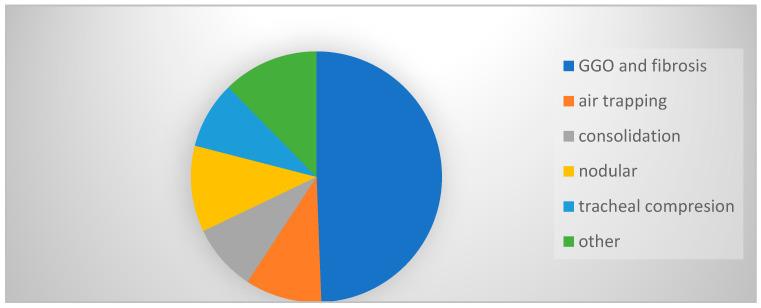
Three subtypes of achalasia have been defined using esophageal manometry. Several studies have reported that symptoms are experienced differently among men and women, regardless of subtype. All subtypes could have some impact on the appearance of respiratory symptoms and lung complications due to compression of the trachea or aspiration of undigested food. The aim of this research was to analyze the differences in respiratory symptoms and radiographic presentation of lung pathology depending on the diameter and achalasia types. One or more respiratory symptoms were reported in 48% of 114 patients, and all of them had two or more gastrointestinal symptoms. The symptom score (SS) is statistically significant for the prediction of subtype 1 (area under the curve = 0.318; < 0.001, cut-off score of 6.5 had 95.2% sensitivity) and subtype 2 (area under the curve = 0.626; = 0.020, cut-off score of 7.5 had 93.1% sensitivity). The most common type was subtype 2 (50.8%), and although only 14 patients had subtype 3, they had the largest esophageal diameter (mean 5.8 cm). The difference in esophageal diameter was significant between subtype 1 and 3 ( = 0.011), subtype 2 and subtype 3 ( = 0.011). Nine patients (6%) had mega-esophagus (four patients in type 1, three in type 2 and two in type 3). More than half of all patients (51.7%) had at least one parenchymal lung change on CT scan. Recurrent micro-aspirations led to changes in the structure of the airways and lung parenchyma such as ground glass (GGO) and nodular changes (12%) and fibrosis (14.5%), and they had higher esophageal diameters ( < 0.001). Patients with chronic lung CT changes had significantly higher esophageal diameter than with acute changes ( < 0.001). Awareness of the association of achalasia and lung disorders is important in early diagnosis and treatment. More than half (57.5%) of patients with achalasia had some clinical and/or structural pulmonary abnormalities. All three subtypes had similar respiratory symptoms, meaning they cannot be used to predict the subtype of achalasia; on the contrary, SS can predict the first two subtypes. A higher diameter of the esophagus is associated with chronic structural lung changes. Although unexpected, the pathological radiological findings and diameter were significantly different in subtype 3 patients, but those parameters cannot lead us to a specified subtype.
根据食管测压已定义了贲门失弛缓症的三种亚型。多项研究报告称,无论亚型如何,男性和女性的症状体验有所不同。由于气管受压或未消化食物的误吸,所有亚型都可能对呼吸道症状和肺部并发症的出现产生一定影响。本研究的目的是分析根据食管直径和贲门失弛缓症类型在呼吸道症状和肺部病理影像学表现上的差异。114例患者中有48%报告了一种或多种呼吸道症状,且他们都有两种或更多的胃肠道症状。症状评分(SS)对1型(曲线下面积 = 0.318;P < 0.001,临界值为6.5时灵敏度为95.2%)和2型(曲线下面积 = 0.626;P = 0.020,临界值为7.5时灵敏度为93.1%)的预测具有统计学意义。最常见的类型是2型(50.8%),虽然只有14例患者为3型,但他们的食管直径最大(平均5.8厘米)。1型和3型之间(P = 0.011)、2型和3型之间(P = 0.011)食管直径差异显著。9例患者(6%)有巨食管(1型4例,2型3例,3型2例)。超过一半的患者(51.7%)在CT扫描中有至少一处肺实质改变。反复的微量误吸导致气道和肺实质结构改变,如磨玻璃影(GGO)和结节状改变(12%)以及纤维化(14.5%),且他们的食管直径更大(P < 0.001)。慢性肺部CT改变的患者食管直径显著高于急性改变的患者(P < 0.001)。认识到贲门失弛缓症与肺部疾病的关联对早期诊断和治疗很重要。超过一半(57.5%)的贲门失弛缓症患者有一些临床和/或结构性肺部异常。所有三种亚型都有相似的呼吸道症状,这意味着它们不能用于预测贲门失弛缓症的亚型;相反,SS可以预测前两种亚型。食管直径增大与慢性结构性肺部改变有关。虽然出乎意料,但3型患者的病理影像学表现和直径有显著差异,但这些参数并不能使我们明确特定的亚型。

 Zotero 插件