Pham-Ngoc Nhiem, Nguyen-Phu Huy, Shin Eun Woo
School of Chemical Engineering, University of Ulsan Daehakro 93, Nam-gu, Ulsan 44610, Republic of Korea.
Department of Chemical and Biomolecular Engineering, Seoul National University of Science and Technology, Seoul 01811, Republic of Korea.
Nanomaterials (Basel). 2023 Jun 21;13(13):1901. doi: 10.3390/nano13131901.
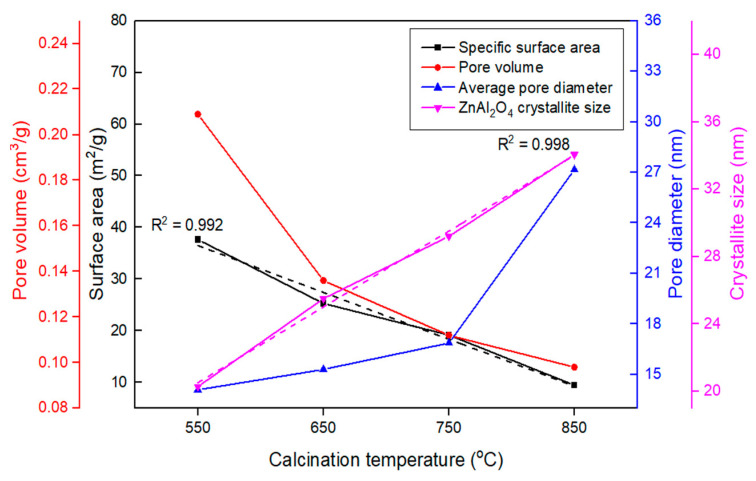
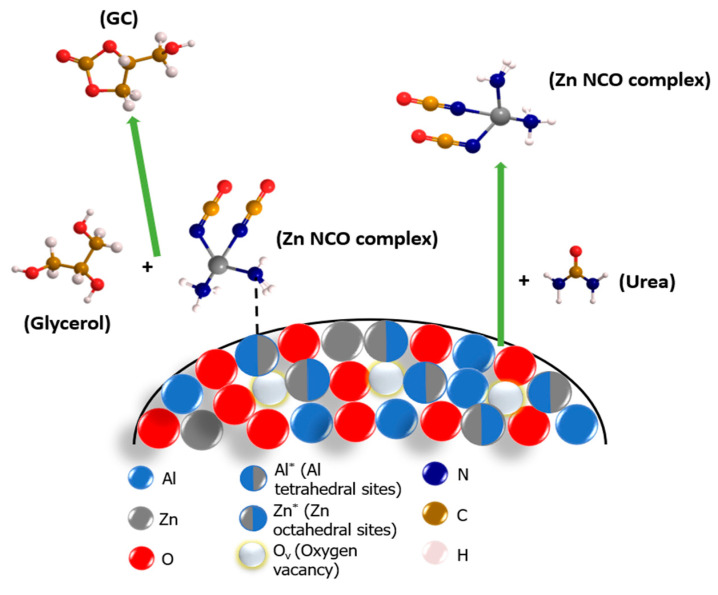
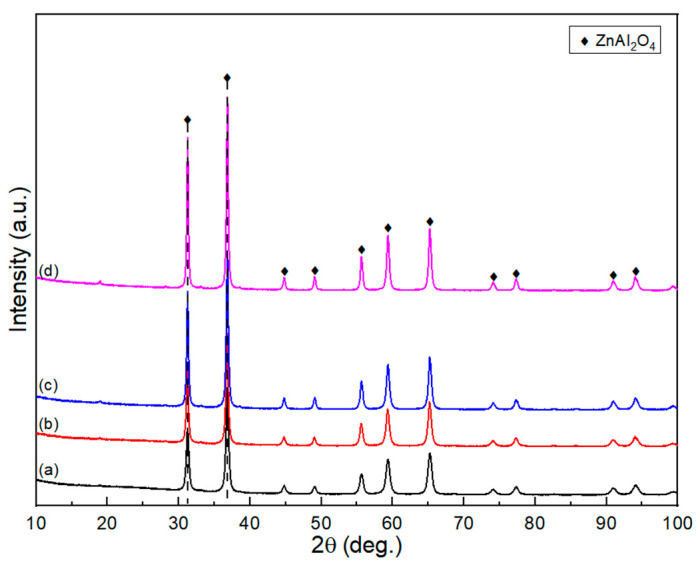
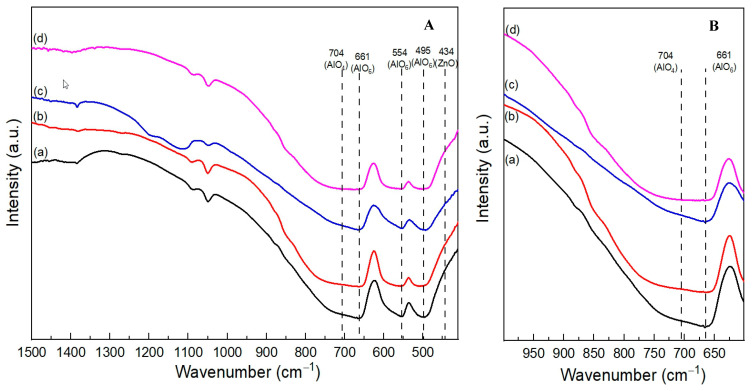
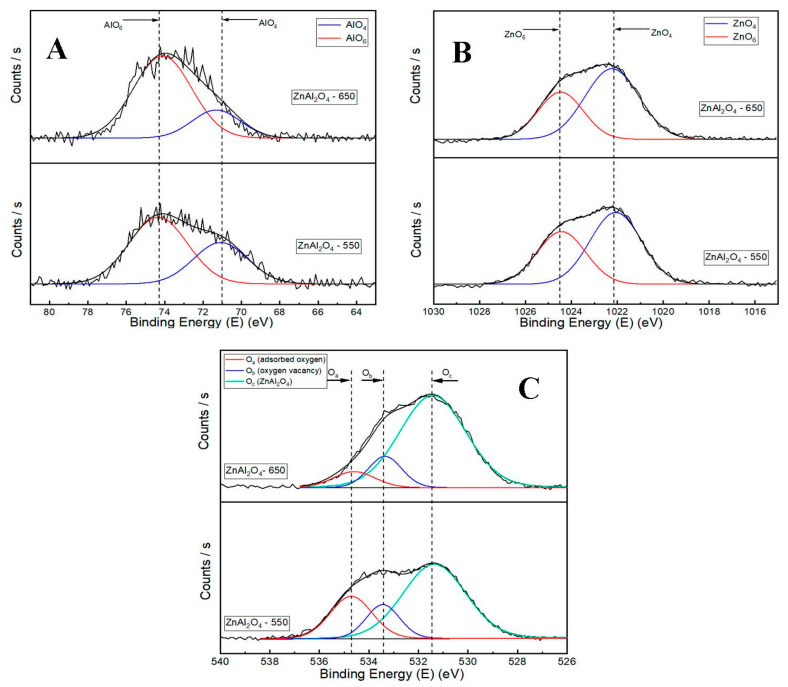
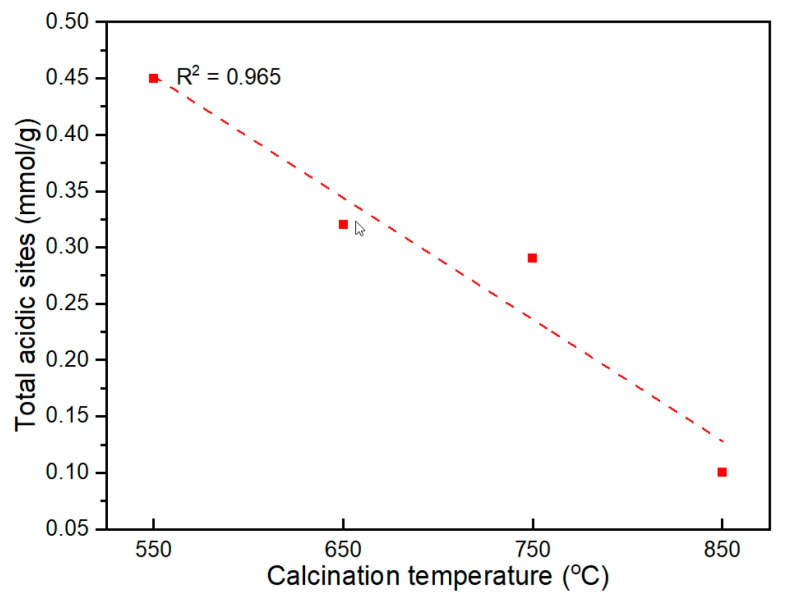
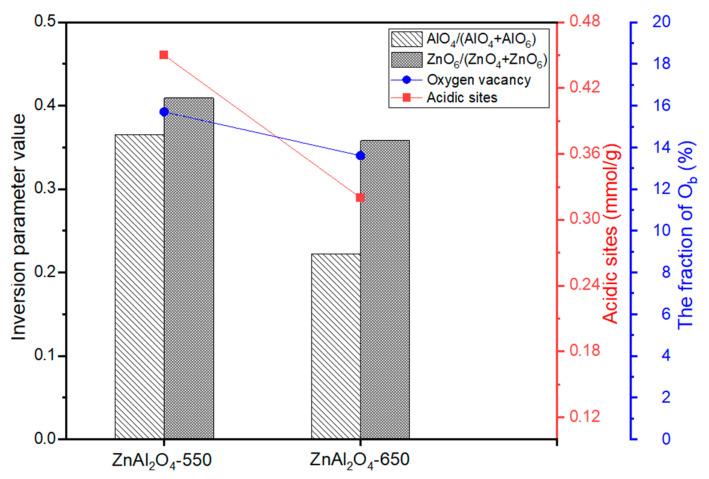
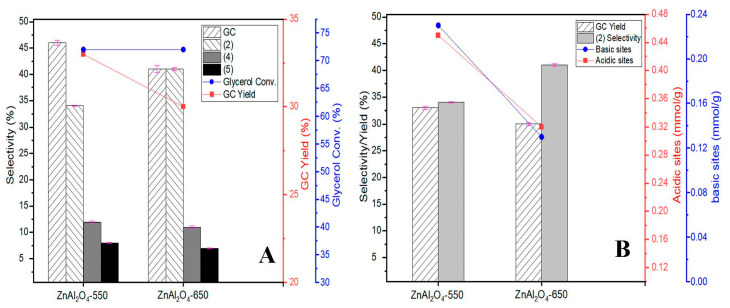
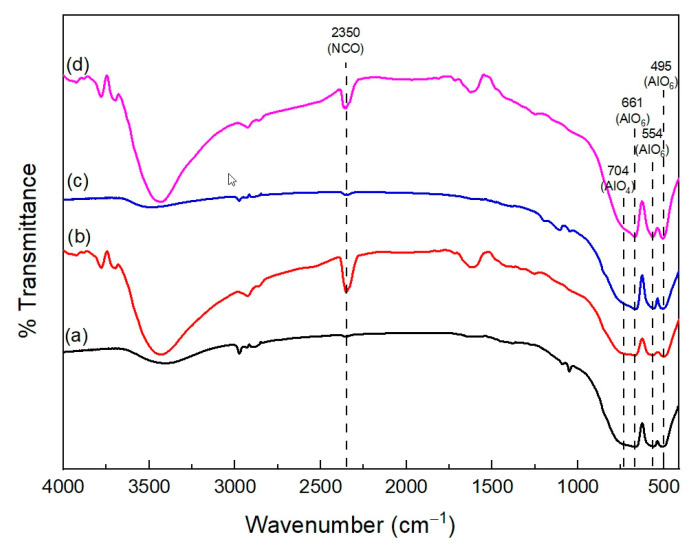
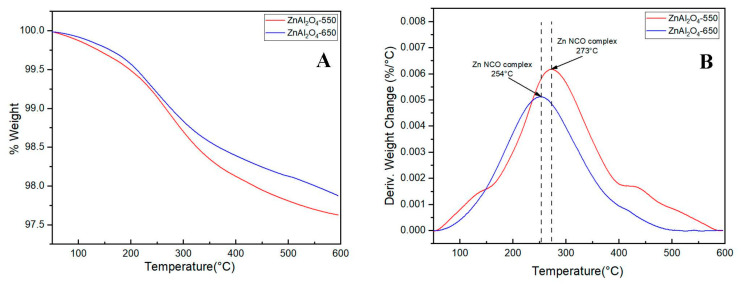
In this study, we investigated urea glycerolysis over ZnAlO catalysts that were prepared by using a citrate complex method and the influence of calcination temperatures on the surface properties of the prepared catalysts by varying the calcination temperature from 550 °C to 850 °C. As the reciprocal substitution between Al and Zn cations led to the formation of a disordered bulk ZnAlO phase, different calcination temperatures strongly influenced the surface properties of the ZnAlO catalysts, including oxygen vacancy. The increase in the calcination temperature from 550 °C to 650 °C decreased the inversion parameter of the ZnAlO structure (from 0.365 to 0.222 for AlO and 0.409 to 0.358 for ZnO). The disordered ZnAlO structure led to a decrease in the surface acidity. The ZnAlO-550 catalyst had a large specific surface area, along with highly disordered surface sites, which increased surface acidity, resulting in a stronger interaction of the Zn NCO complex on its surface and an improvement in catalytic performance. Fourier transform infrared and thermogravimetric analysis results of the spent catalysts demonstrated the formation of a greater amount of a solid Zn NCO complex over ZnAlO-550 than ZnAlO-650. Consequently, the ZnAlO-550 catalyst outperformed the ZnAlO-650 catalyst in terms of glycerol conversion (72%), glycerol carbonate yield (33%), and byproduct formation.
在本研究中,我们研究了采用柠檬酸盐络合法制备的ZnAlO催化剂上的尿素甘油解反应,并通过将煅烧温度从550℃变化到850℃,研究了煅烧温度对所制备催化剂表面性质的影响。由于Al和Zn阳离子之间的相互取代导致形成无序的体相ZnAlO相,不同的煅烧温度强烈影响ZnAlO催化剂的表面性质,包括氧空位。煅烧温度从550℃升高到650℃,降低了ZnAlO结构的反转参数(对于AlO,从0.365降至0.222;对于ZnO,从0.409降至0.358)。无序的ZnAlO结构导致表面酸度降低。ZnAlO-550催化剂具有较大的比表面积以及高度无序的表面位点,这增加了表面酸度,导致其表面上Zn NCO络合物的相互作用更强,催化性能得到改善。废催化剂的傅里叶变换红外光谱和热重分析结果表明,与ZnAlO-650相比,ZnAlO-550上形成了更多量的固体Zn NCO络合物。因此,ZnAlO-550催化剂在甘油转化率(72%)、碳酸甘油酯产率(33%)和副产物形成方面优于ZnAlO-650催化剂。