Namphonsane Atitiya, Amornsakchai Taweechai, Chia Chin Hua, Goh Kheng Lim, Thanawan Sombat, Wongsagonsup Rungtiwa, Smith Siwaporn Meejoo
Center of Sustainable Energy and Green Materials, Faculty of Science, Mahidol University, Phuttamonthon 4 Road, Salaya, Nakhon Pathom 73170, Thailand.
TEAnity Team Co., Ltd., 40/494 Soi Navamintra 111, Khet Bueng Kum, Bangkok 10230, Thailand.
Polymers (Basel). 2023 Jun 29;15(13):2895. doi: 10.3390/polym15132895.
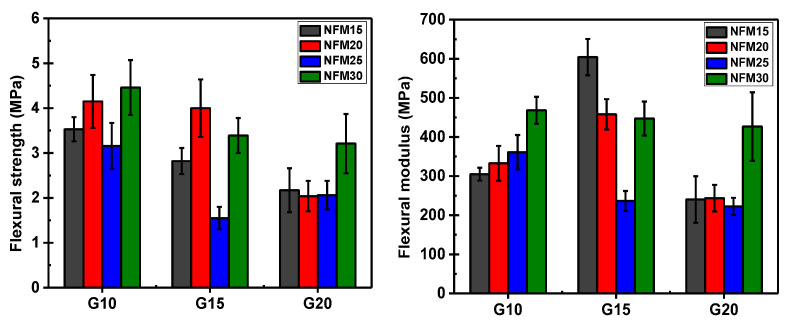
Pineapple materials sourced from agricultural waste have been employed to process novel bio-degradable rigid composite foams. The matrix for the foam consisted of starch extracted from pineapple stem, known for its high amylose content, while the filler comprised non-fibrous cellulosic materials sourced from pineapple leaf. In contrast to traditional methods that involve preparing a batter, this study adopted a unique approach where the starch gel containing glycerol were first formed using a household microwave oven, followed by blending the filler into the gel using a two-roll mill. The resulting mixture was then foamed at 160 °C using a compression molding machine. The foams displayed densities ranging from 0.43-0.51 g/cm and exhibited a highly amorphous structure. Notably, the foams demonstrated an equilibrium moisture content of approximately 8-10% and the ability to absorb 150-200% of their own weight without disintegration. Flexural strengths ranged from 1.5-4.5 MPa, varying with the filler and glycerol contents. Biodegradability tests using a soil burial method revealed complete disintegration of the foam into particles measuring 1 mm or smaller within 15 days. Moreover, to showcase practical applications, an environmentally friendly single-use foam tray was fabricated. This novel method, involving gel formation followed by filler blending, sets it apart from previous works. The findings highlight the potential of pineapple waste materials for producing sustainable bio-degradable foams with desirable properties and contribute to the field of sustainable materials.
源自农业废弃物的菠萝材料已被用于加工新型可生物降解的硬质复合泡沫。该泡沫的基体由从菠萝茎中提取的淀粉组成,这种淀粉以其高直链淀粉含量而闻名,而填料则由源自菠萝叶的非纤维质纤维素材料组成。与传统的制备面糊的方法不同,本研究采用了一种独特的方法,即首先使用家用微波炉形成含有甘油的淀粉凝胶,然后使用双辊磨机将填料混入凝胶中。然后使用压缩成型机在160℃下使所得混合物发泡。这些泡沫的密度范围为0.43 - 0.51g/cm³,呈现出高度无定形的结构。值得注意的是,这些泡沫的平衡水分含量约为8 - 10%,并且能够吸收自身重量150 - 200%的水分而不崩解。弯曲强度范围为1.5 - 4.5MPa,随填料和甘油含量而变化。使用土壤掩埋法进行的生物降解测试表明,泡沫在15天内完全分解成尺寸为1mm或更小的颗粒。此外,为了展示实际应用,制作了一个环保的一次性泡沫托盘。这种先形成凝胶然后混入填料的新方法使其有别于以往的工作。研究结果突出了菠萝废料在生产具有理想性能的可持续生物降解泡沫方面的潜力,并为可持续材料领域做出了贡献。