Ameer Muhammad Atif, Mushtaq Javaria, Chaudhry Haroon, Patel Nimi, Khan Somia Ilyas
Medicine, Punjab Rangers Teaching Hospital, Lahore, PAK.
Cell Biology and Neuroscience, Rowan University, Stratford, USA.
Cureus. 2023 Jun 12;15(6):e40320. doi: 10.7759/cureus.40320. eCollection 2023 Jun.
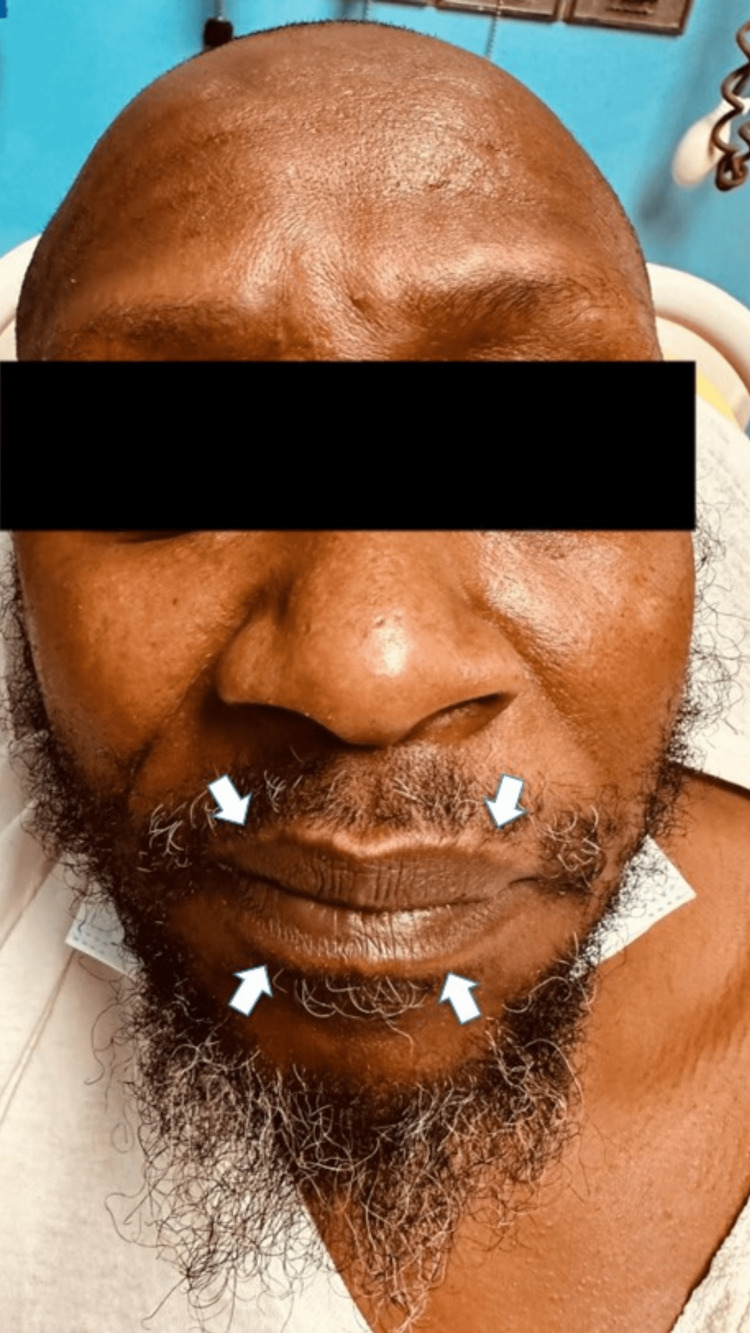
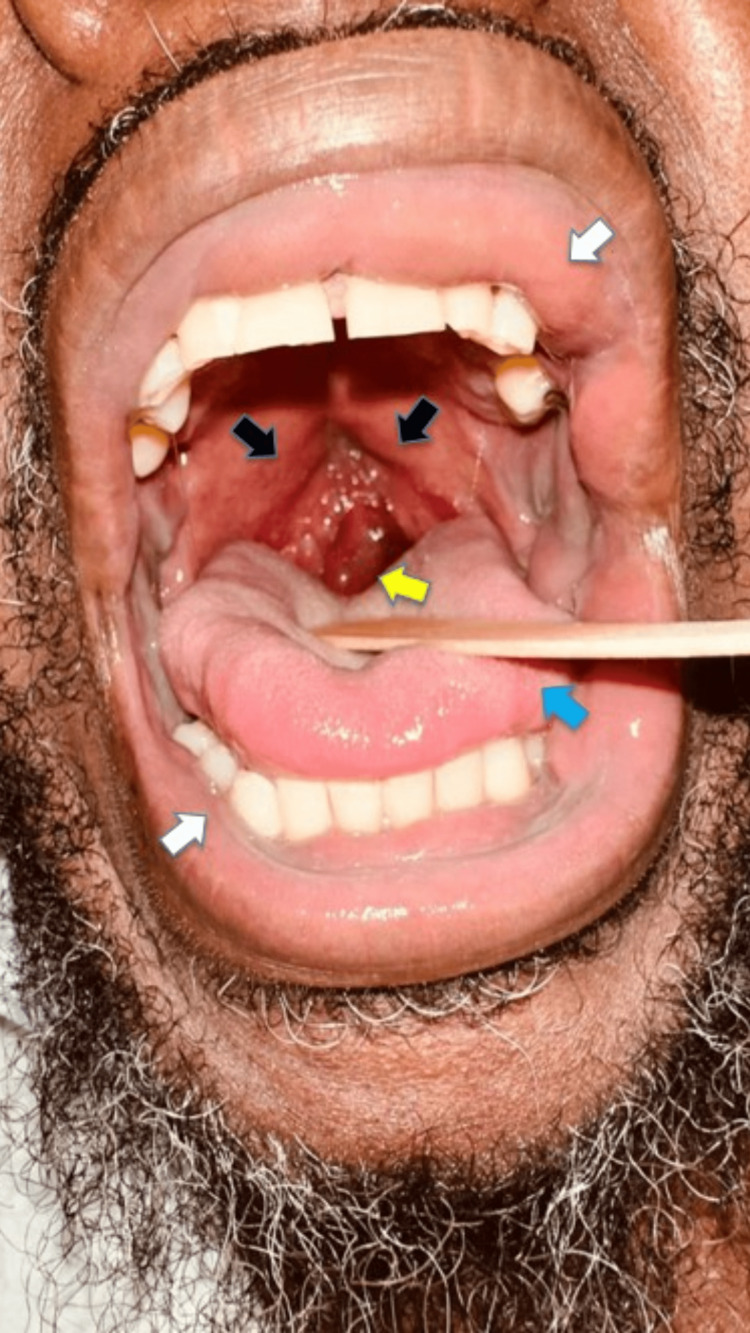
Angiotensin-converting enzyme inhibitors (ACEIs) are widely used for heart failure, renal failure, diabetic nephropathy, stroke, arterial hypertension, and a number of other cardiovascular or related conditions. ACEI-induced angioedema is a rare entity but can result in life-threatening emergencies. It mainly occurs in patients starting on ACEI as an antihypertensive. We present a case of lisinopril-induced angioedema in an African American patient managed in the emergency department. After appropriate evaluation, the patient was declared safe to be observed in the emergency department. Intubation was not performed. Early identification of angioedema is paramount, and emergency physicians should maintain airways or intubate such patients if indicated. There should be a high level of suspicion of angioedema in patients taking ACEIs if they present with symptoms of respiratory compromise.
血管紧张素转换酶抑制剂(ACEIs)被广泛用于治疗心力衰竭、肾衰竭、糖尿病肾病、中风、动脉高血压以及许多其他心血管疾病或相关病症。ACEI 引起的血管性水肿是一种罕见的情况,但可能导致危及生命的紧急状况。它主要发生在开始使用 ACEI 作为抗高血压药物的患者中。我们报告一例在急诊科接受治疗的非裔美国患者因赖诺普利引起血管性水肿的病例。经过适当评估,该患者被判定在急诊科观察是安全的,未进行插管。血管性水肿的早期识别至关重要,如果有指征,急诊医生应维持此类患者的气道或进行插管。服用 ACEIs 的患者如果出现呼吸功能不全的症状,应高度怀疑血管性水肿。