Rensselaer Polytechnic Institute, 110 8th St, 12180, Troy, NY, USA.
IBM Research, Cambridge, USA.
J Biomed Semantics. 2023 Jul 18;14(1):8. doi: 10.1186/s13326-023-00285-9.
Clinical decision support systems have been widely deployed to guide healthcare decisions on patient diagnosis, treatment choices, and patient management through evidence-based recommendations. These recommendations are typically derived from clinical practice guidelines created by clinical specialties or healthcare organizations. Although there have been many different technical approaches to encoding guideline recommendations into decision support systems, much of the previous work has not focused on enabling system generated recommendations through the formalization of changes in a guideline, the provenance of a recommendation, and applicability of the evidence. Prior work indicates that healthcare providers may not find that guideline-derived recommendations always meet their needs for reasons such as lack of relevance, transparency, time pressure, and applicability to their clinical practice.
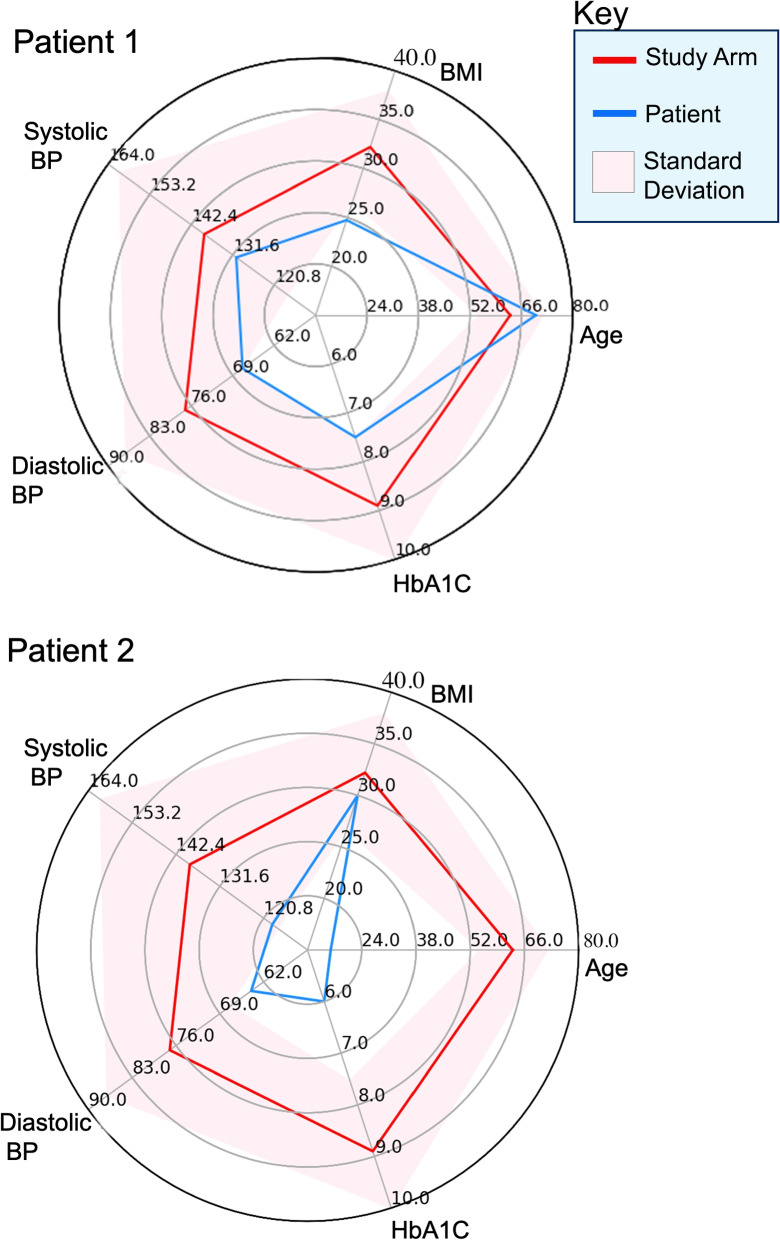
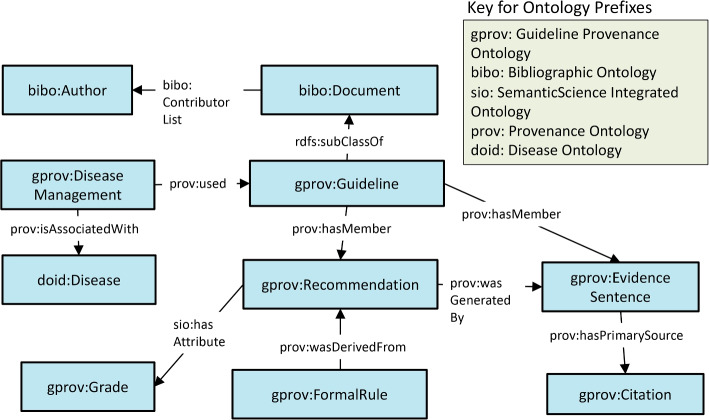
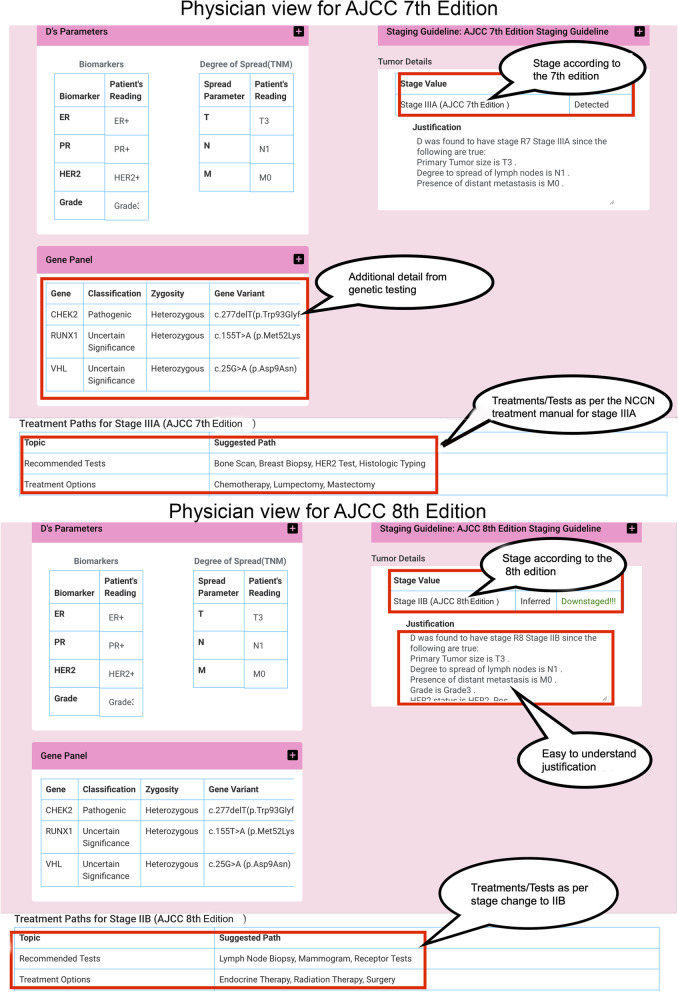
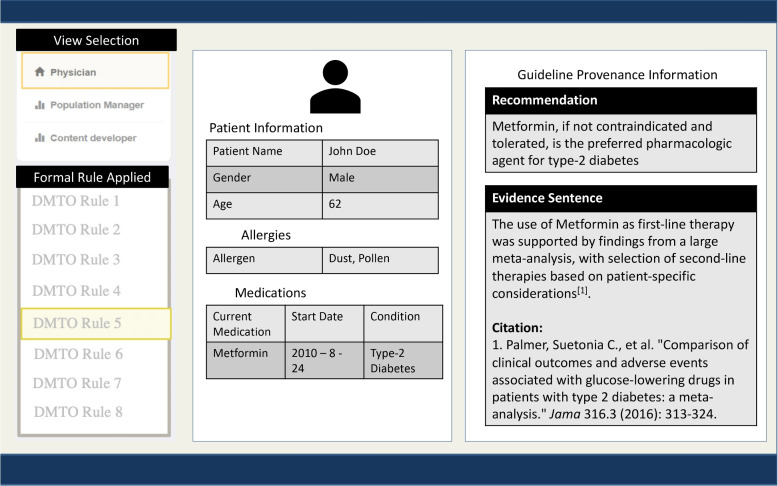
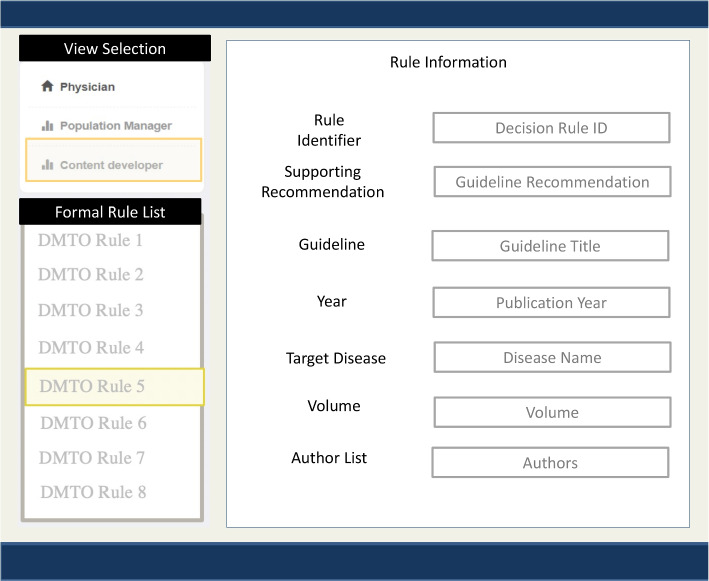
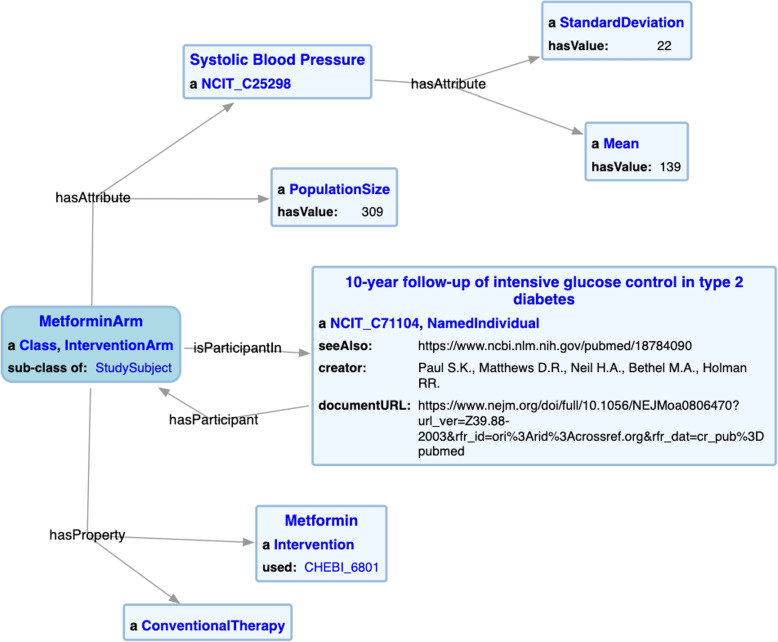
We introduce several semantic techniques that model diseases based on clinical practice guidelines, provenance of the guidelines, and the study cohorts they are based on to enhance the capabilities of clinical decision support systems. We have explored ways to enable clinical decision support systems with semantic technologies that can represent and link to details in related items from the scientific literature and quickly adapt to changing information from the guidelines, identifying gaps, and supporting personalized explanations. Previous semantics-driven clinical decision systems have limited support in all these aspects, and we present the ontologies and semantic web based software tools in three distinct areas that are unified using a standard set of ontologies and a custom-built knowledge graph framework: (i) guideline modeling to characterize diseases, (ii) guideline provenance to attach evidence to treatment decisions from authoritative sources, and (iii) study cohort modeling to identify relevant research publications for complicated patients.
We have enhanced existing, evidence-based knowledge by developing ontologies and software that enables clinicians to conveniently access updates to and provenance of guidelines, as well as gather additional information from research studies applicable to their patients' unique circumstances. Our software solutions leverage many well-used existing biomedical ontologies and build upon decades of knowledge representation and reasoning work, leading to explainable results.
临床决策支持系统已广泛部署,通过基于证据的建议来指导患者诊断、治疗选择和患者管理方面的医疗决策。这些建议通常来自临床专业或医疗保健组织制定的临床实践指南。尽管已经有许多不同的技术方法可以将指南建议编码到决策支持系统中,但之前的大部分工作并没有专注于通过正式确定指南中的更改、建议的出处和证据的适用性来启用系统生成的建议。之前的工作表明,医疗保健提供者可能会发现,由于缺乏相关性、透明度、时间压力和对其临床实践的适用性等原因,源自指南的建议并不总是符合他们的需求。
我们介绍了几种语义技术,这些技术基于临床实践指南、指南的出处以及它们所基于的研究队列来对疾病进行建模,以增强临床决策支持系统的能力。我们探索了使用语义技术为临床决策支持系统提供支持的方法,这些技术可以表示和链接到科学文献中相关项目的详细信息,并快速适应指南中不断变化的信息,识别差距,并支持个性化的解释。以前的语义驱动临床决策系统在所有这些方面都支持有限,我们提出了在三个不同领域的本体论和语义网络基础软件工具,这些工具使用一组标准本体论和定制的知识图谱框架统一起来:(i)指南建模,用于描述疾病;(ii)指南出处,用于将证据附加到权威来源的治疗决策中;(iii)研究队列建模,用于识别适用于复杂患者的相关研究出版物。
我们通过开发本体论和软件增强了现有的、基于证据的知识,使临床医生能够方便地访问指南的更新和出处,以及从适用于患者独特情况的研究中收集额外信息。我们的软件解决方案利用了许多广泛使用的现有生物医学本体论,并建立在数十年的知识表示和推理工作之上,从而产生可解释的结果。