Telgerafchi Armaghan Ehsani, Rutherford Madison, Espinosa Gabriel, McArthur Daniel, Masse Nicholas, Perrin Benjamin, Tang Zujian, Powell Adam C
Energy Metals Research Group, Department of Mechanical and Materials Engineering, Worcester Polytechnic Institute, Worcester, MA, United States.
Department of Chemistry, Cooperative Institute for Research in Environmental Sciences, University of Colorado Boulder, Boulder, CO, United States.
Front Chem. 2023 Jul 3;11:1192202. doi: 10.3389/fchem.2023.1192202. eCollection 2023.
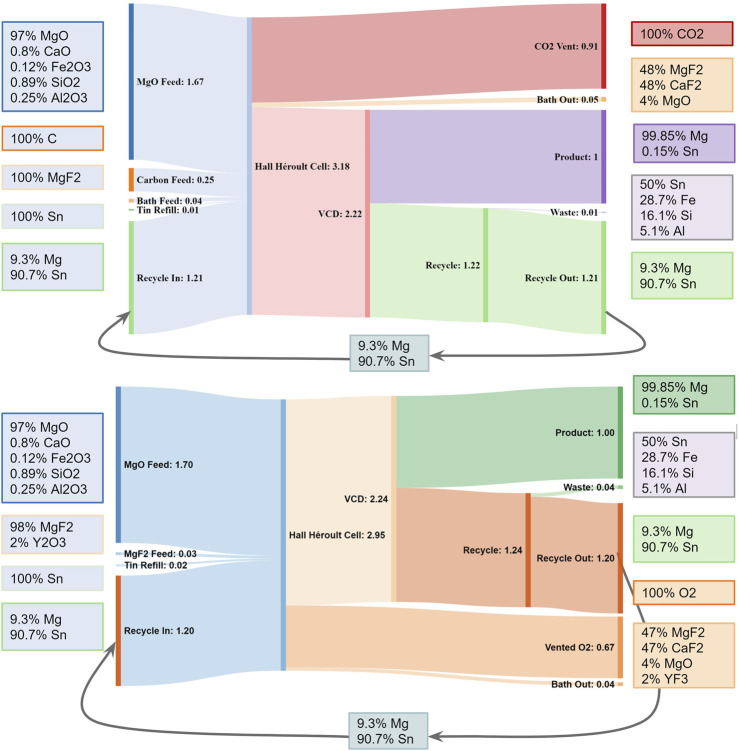
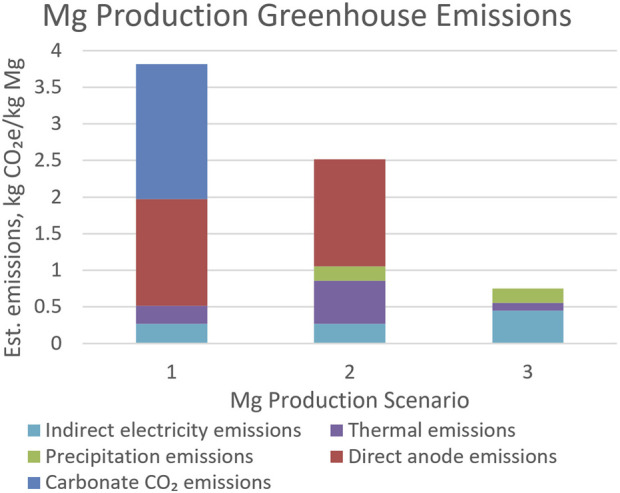
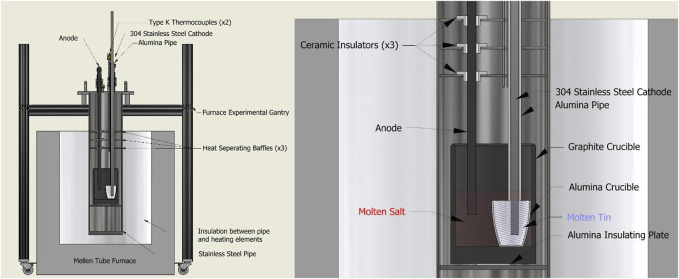
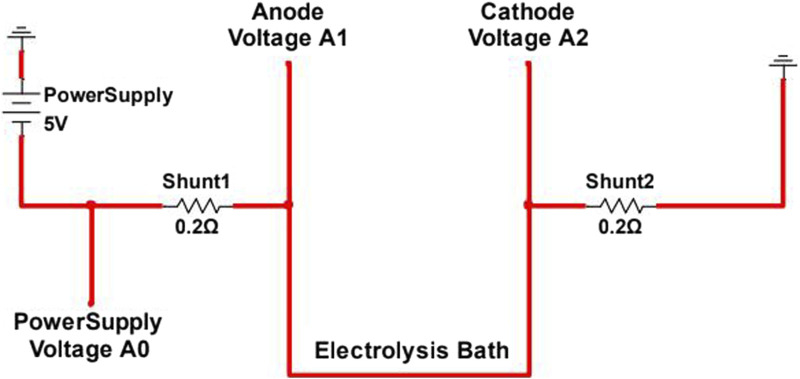
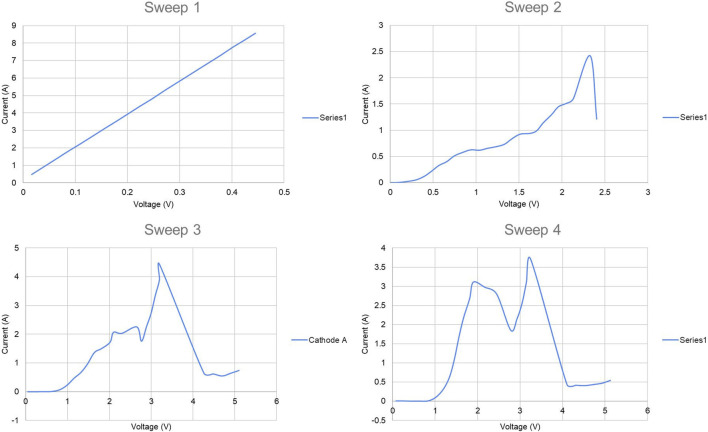
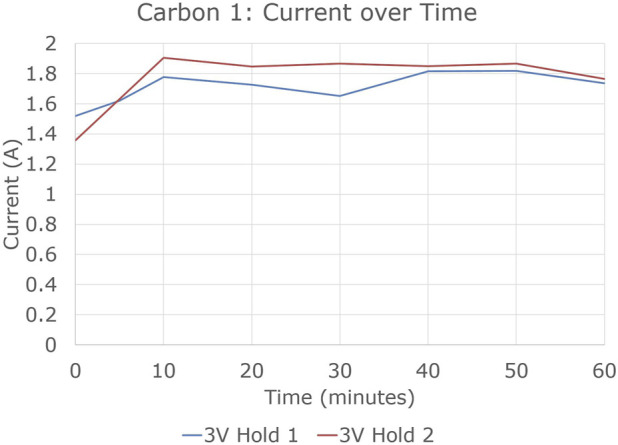
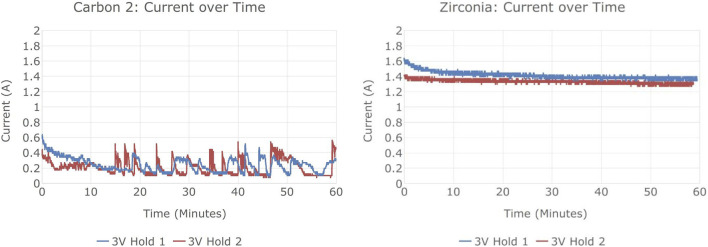
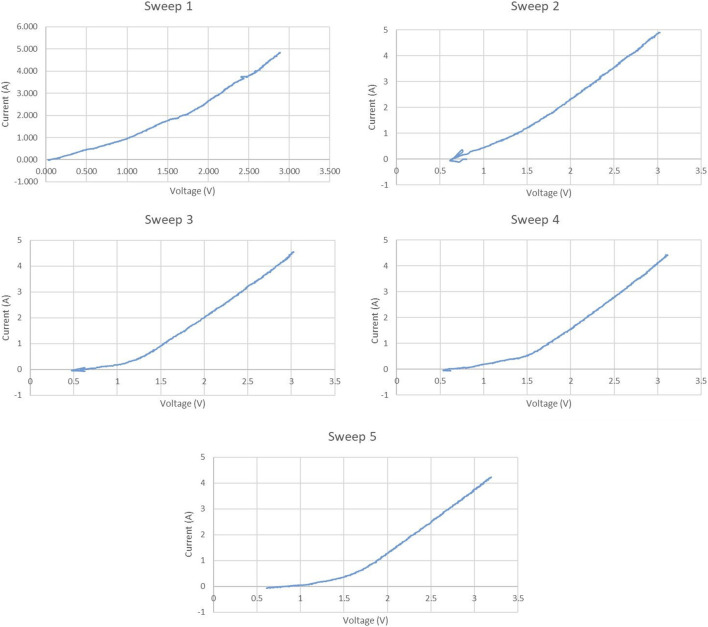
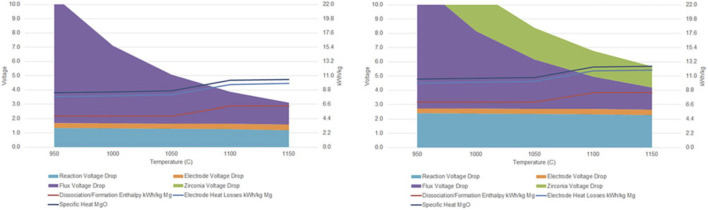
Low-cost clean primary production of magnesium metal is important for its use in many applications, from light-weight structural components to energy technologies. This work describes new experiments and cost and emissions analysis for a magnesium metal production process. The process combines molten salt electrolysis of MgO using MgF₂-CaF₂ electrolyte and a reactive liquid tin cathode, with gravity-driven multiple effect thermal system (G-METS) distillation to separate out the magnesium product, and re-use of the tin. Electrolysis experiments with carbon anodes showed current yield above 90%, while a yttria-stabilized zirconia solid oxide membrane (SOM) anode experiment showed 84% current yield. G-METS distillation is an important component of the envisioned process. It can potentially lower costs and energy use considerably compared with conventional magnesium distillation. Techno-economic analysis including detailed mass and energy balances shows that this electrolyte composition could lower costs by utilizing CaO, which is the primary impurity in MgO, as the Hall-Héroult process uses the sodium impurity in alumina. Analysis options include: raw material types (magnesite rock vs. brine or seawater), drying and calcining using electricity vs. natural gas, and carbon vs. SOM anode type. Using SOM inert anodes results in a cost premium around 10%-15%, mostly due to higher electrical energy usage resulting from membrane resistance, and reduces GHG emissions by approximately 1 kg CO₂/kg Mg product. Capital and operating cost estimates, and cradle to gate greenhouse gas (GHG) emissions analysis under several raw material and process technology scenarios, show comparable costs and emissions to those of aluminum production.
低成本清洁初级生产金属镁对于其在许多应用中的使用非常重要,这些应用涵盖从轻质结构部件到能源技术等领域。这项工作描述了一种金属镁生产工艺的新实验以及成本和排放分析。该工艺将使用MgF₂ - CaF₂电解质和活性液态锡阴极对MgO进行熔盐电解,与重力驱动多效热系统(G - METS)蒸馏相结合,以分离出镁产品并重新利用锡。使用碳阳极的电解实验显示电流效率高于90%,而使用氧化钇稳定的氧化锆固体氧化物膜(SOM)阳极的实验显示电流效率为84%。G - METS蒸馏是该设想工艺的一个重要组成部分。与传统的镁蒸馏相比,它有可能大幅降低成本和能源消耗。包括详细质量和能量平衡的技术经济分析表明,这种电解质成分可以通过利用CaO来降低成本,CaO是MgO中的主要杂质,就如同霍尔 - 埃鲁尔工艺利用氧化铝中的钠杂质一样。分析选项包括:原材料类型(菱镁矿与卤水或海水)、使用电力与天然气进行干燥和煅烧,以及碳阳极与SOM阳极类型。使用SOM惰性阳极会导致成本溢价约10% - 15%,主要是由于膜电阻导致电能消耗更高,并且可使温室气体排放量减少约1千克CO₂/千克镁产品。在几种原材料和工艺技术方案下的资本和运营成本估算以及从摇篮到大门的温室气体(GHG)排放分析表明,其成本和排放与铝生产相当。