Maidin Shajahan, Rajendran Thavinnesh Kumar, Nor Hayati Norilani Md, Sheng Yap Yeong, Ismail Shafinaz, Muhammad Ahmad Hilmi
Faculty of Manufacturing Engineering, Universiti Teknikal Malaysia Melaka, 76100, Melaka, Malaysia.
Pebble3D Sdn Bhd, Selangor, Malaysia.
Heliyon. 2023 Jun 7;9(6):e17053. doi: 10.1016/j.heliyon.2023.e17053. eCollection 2023 Jun.
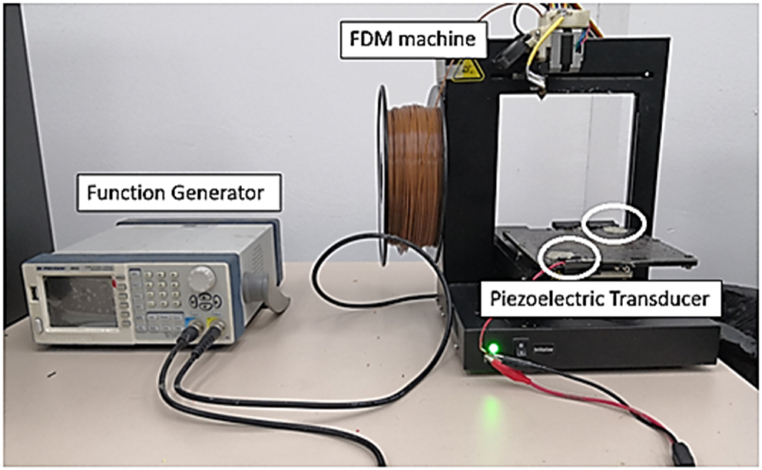
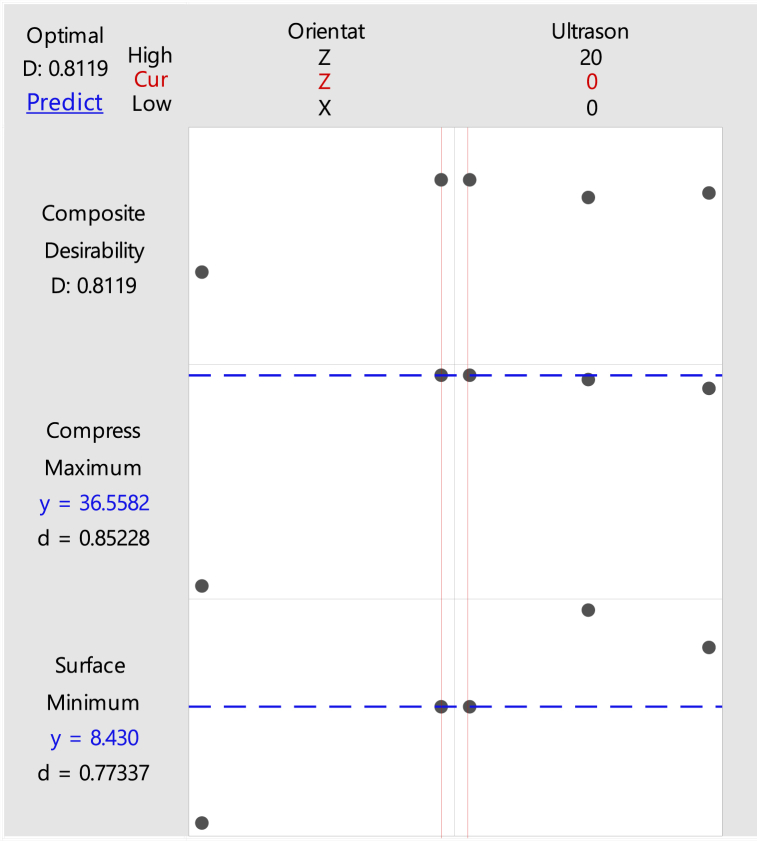
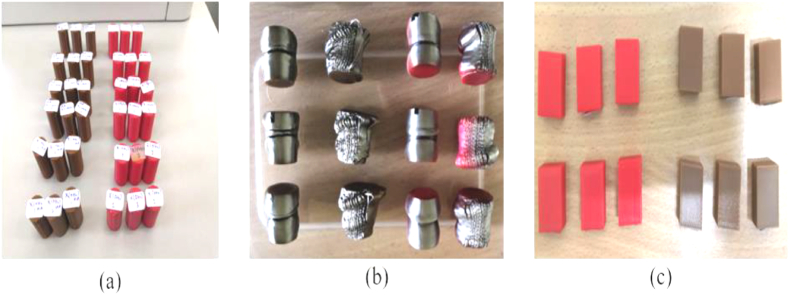
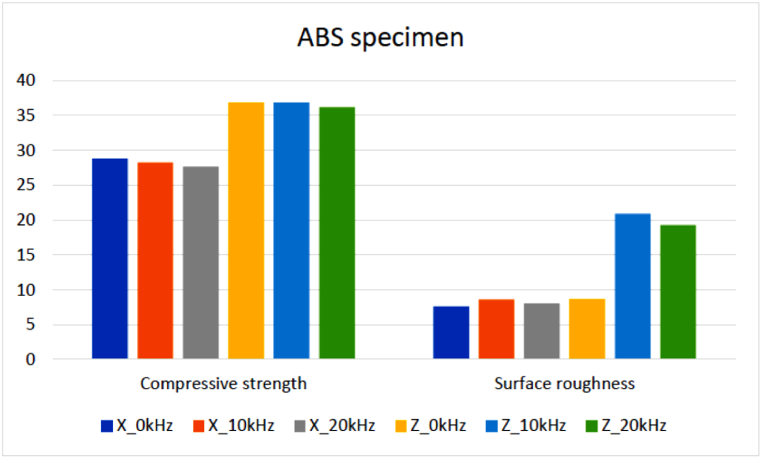
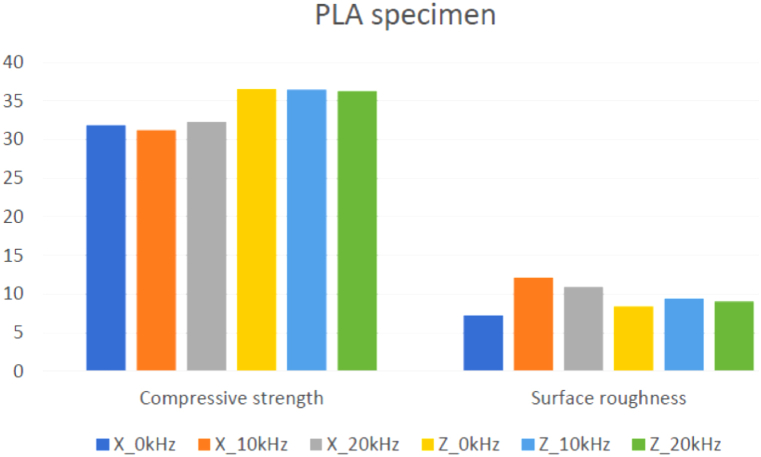
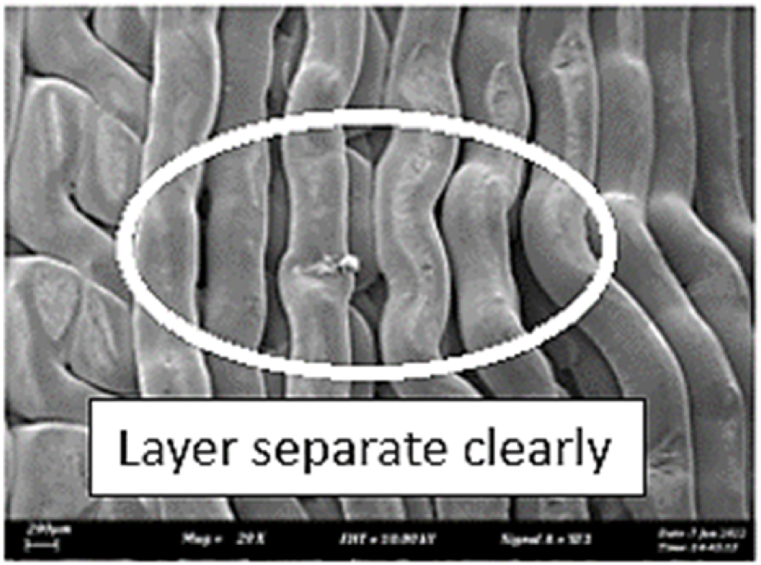
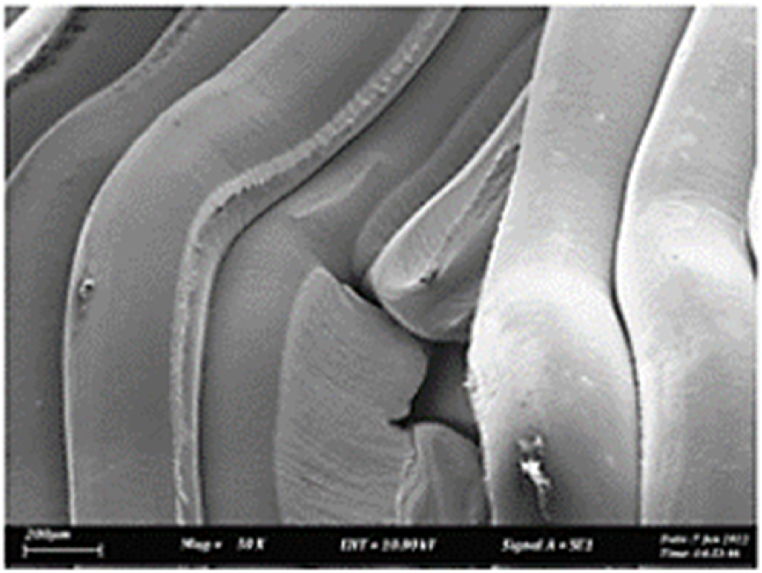
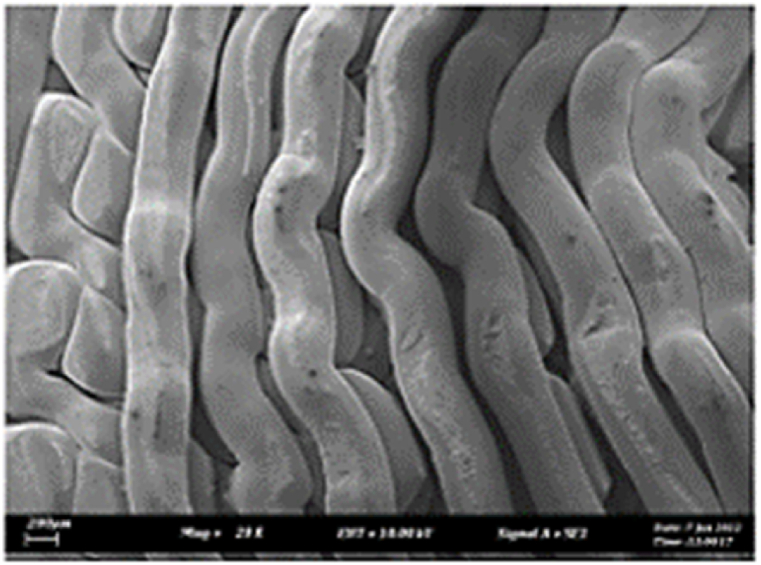
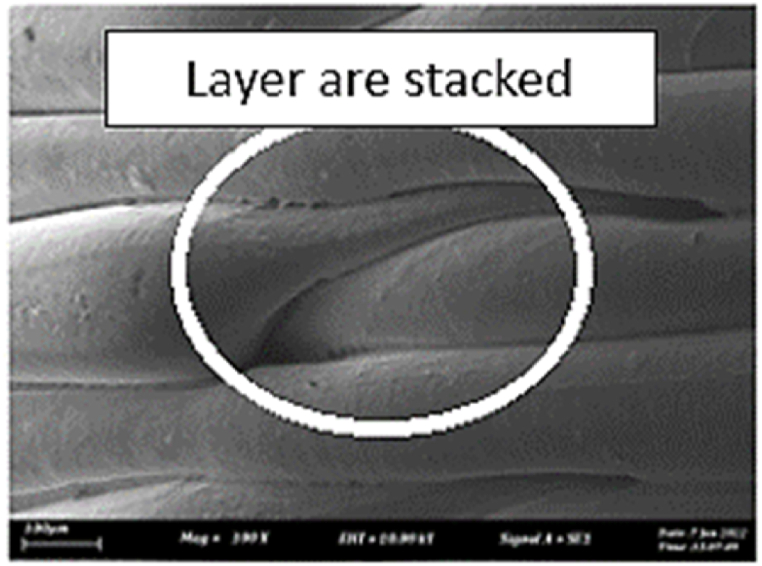
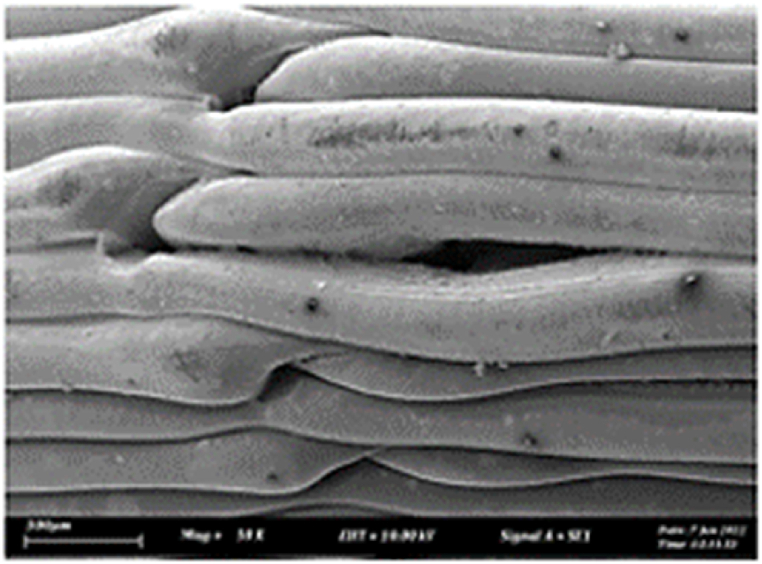
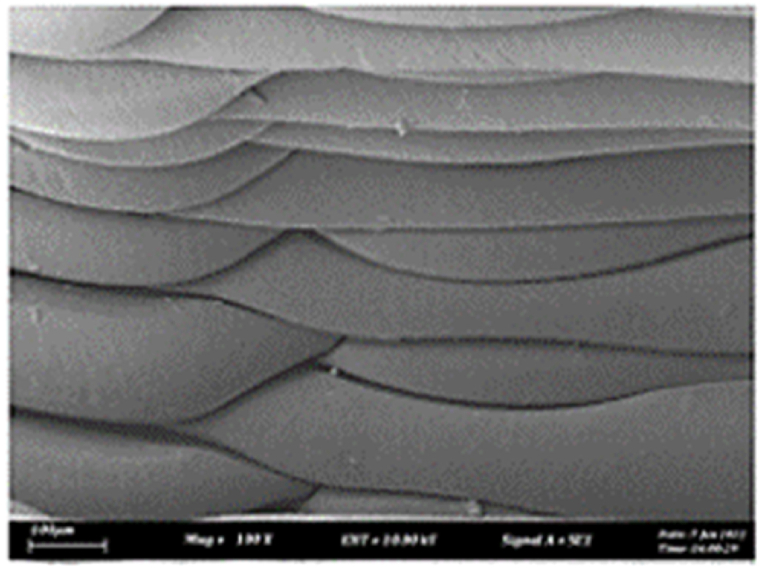
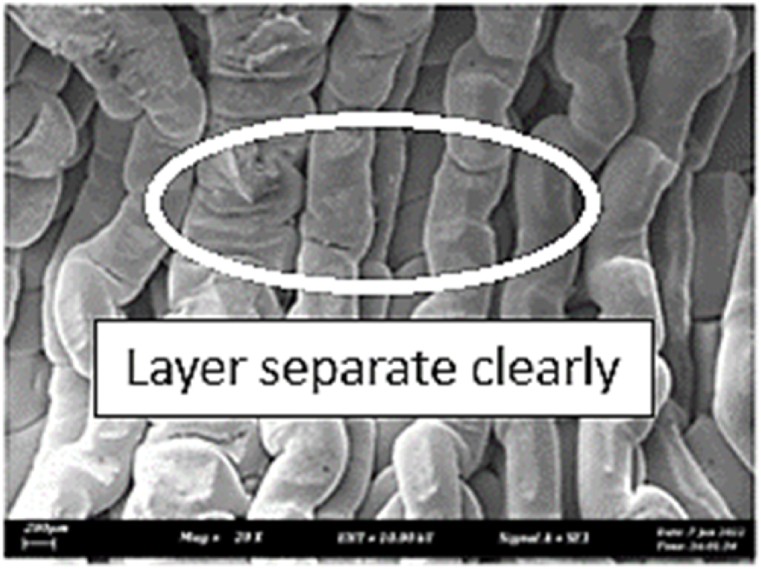
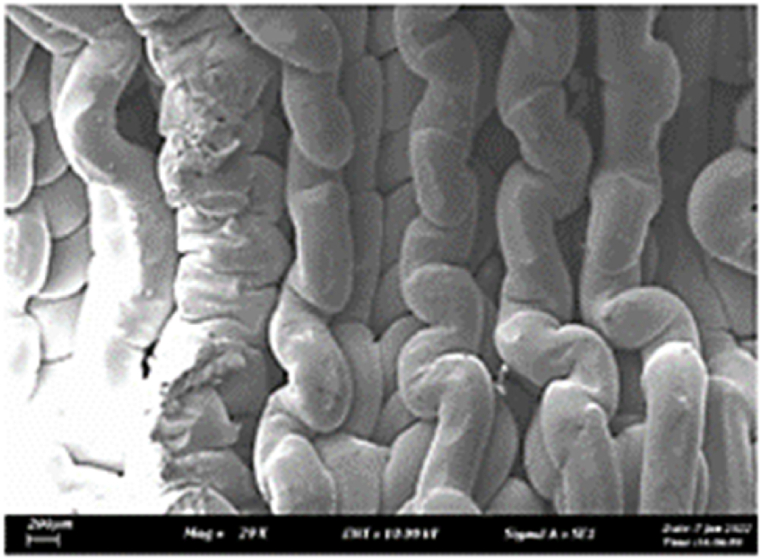
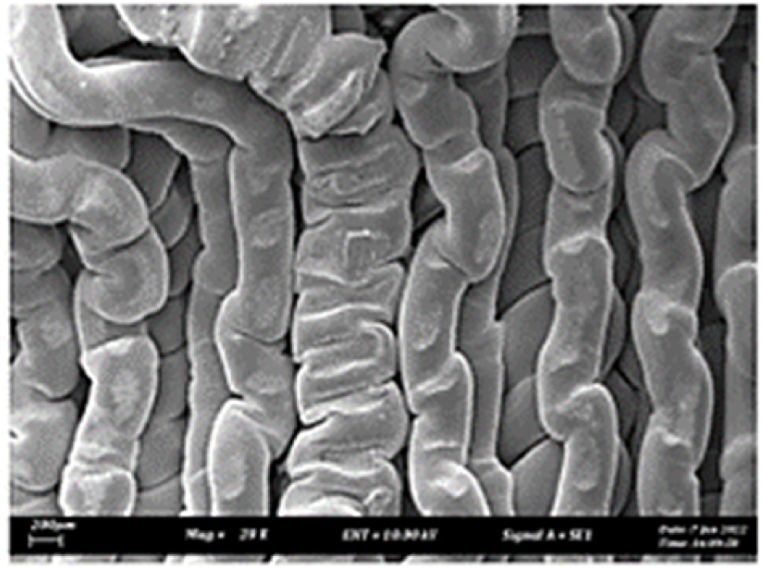
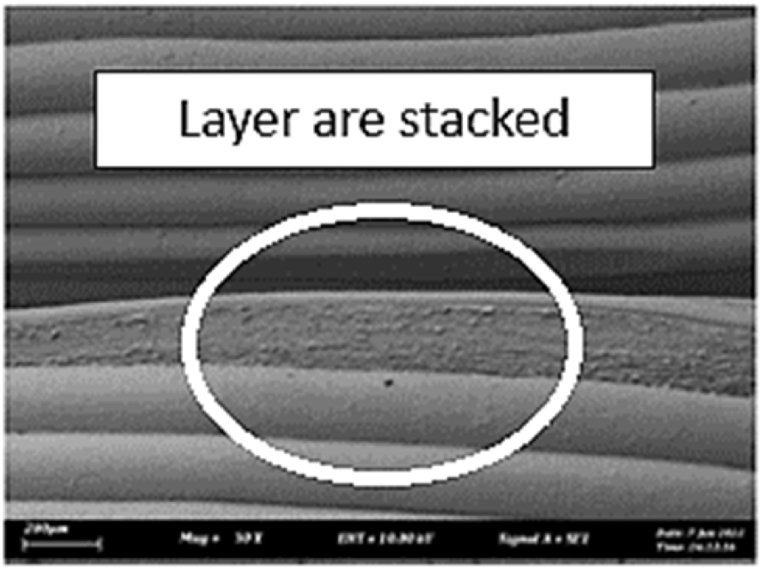
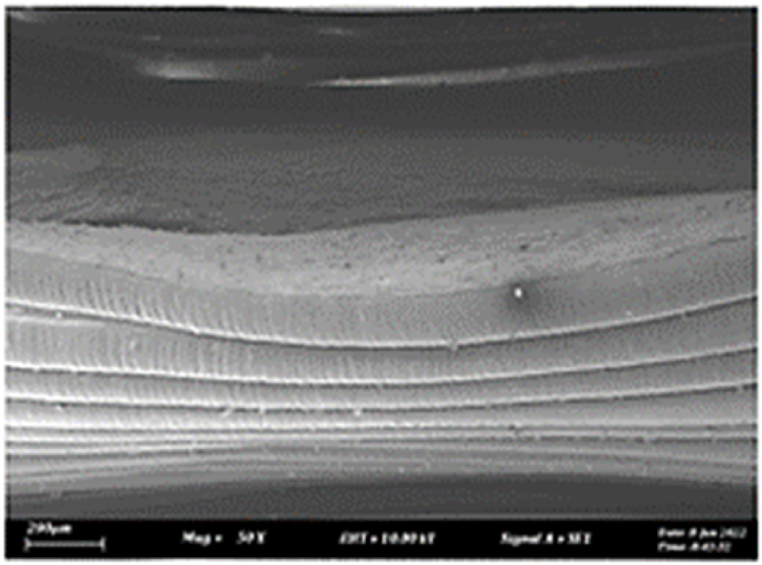
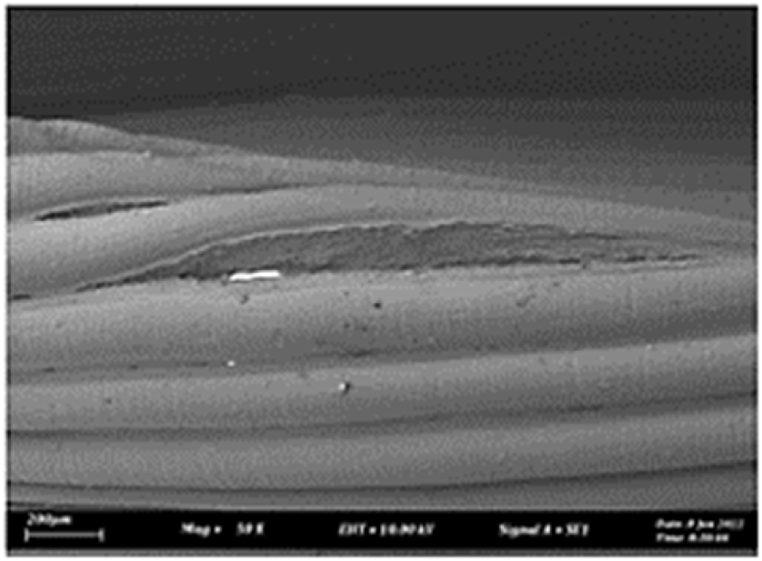
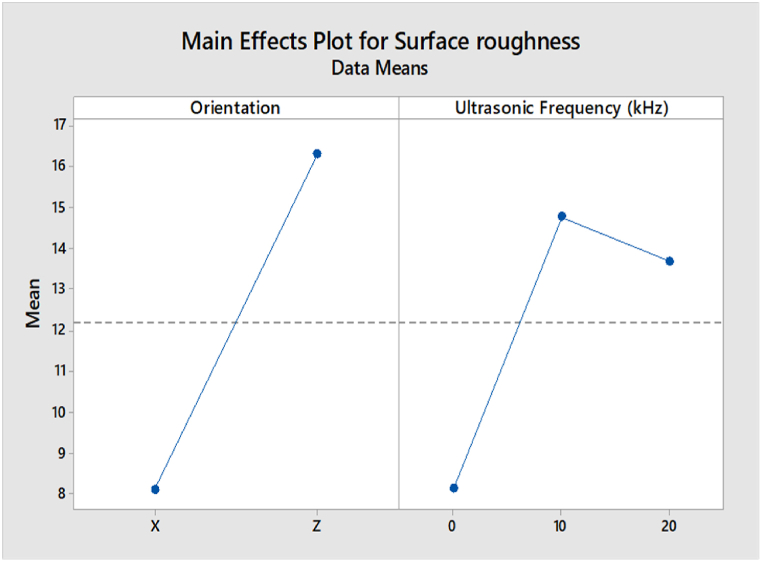
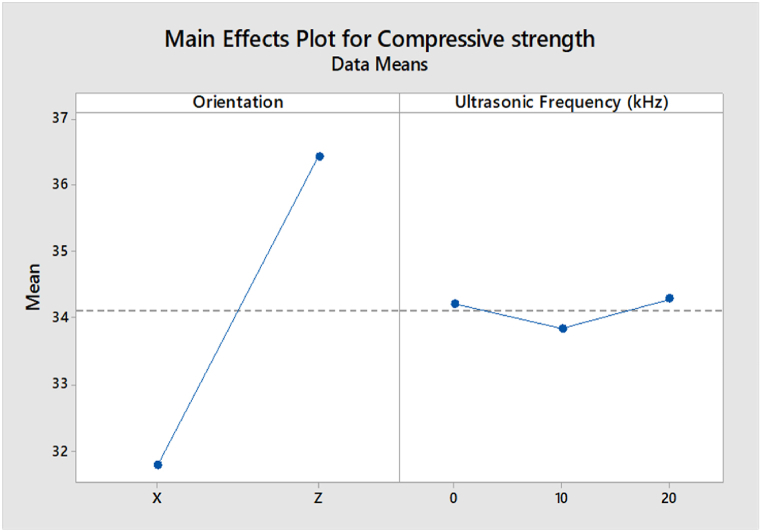
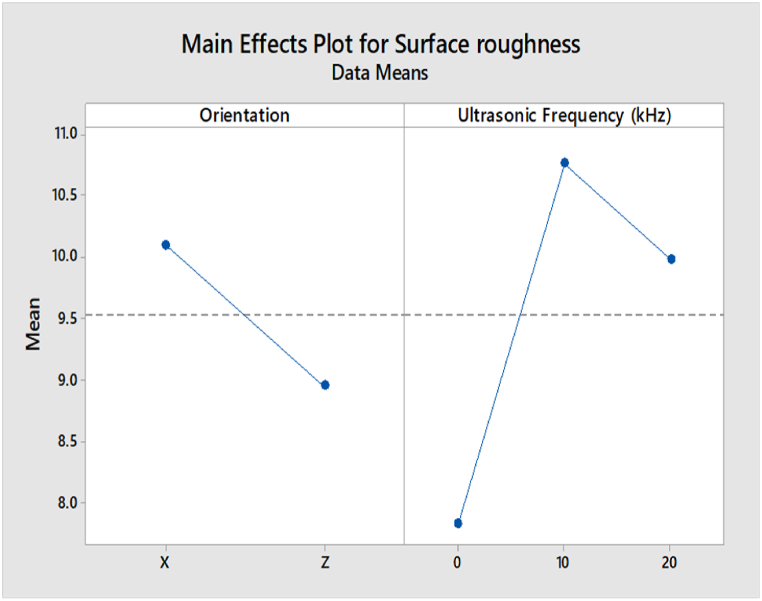
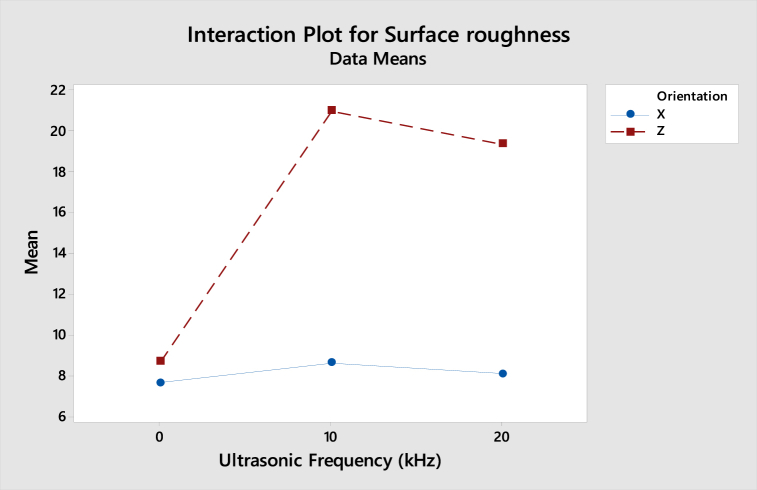
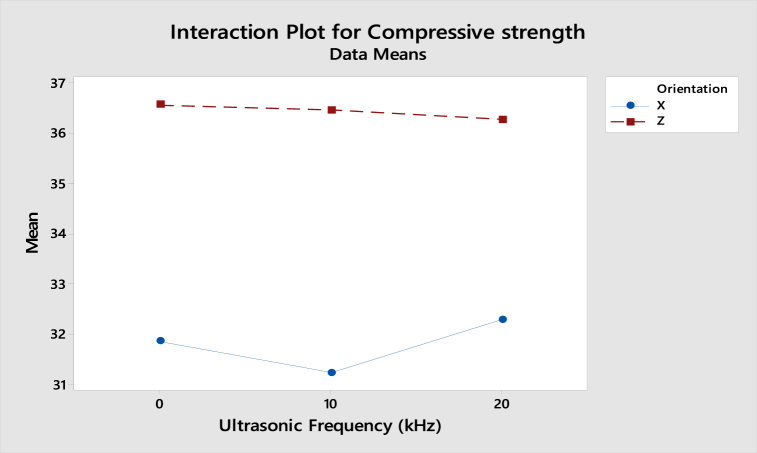
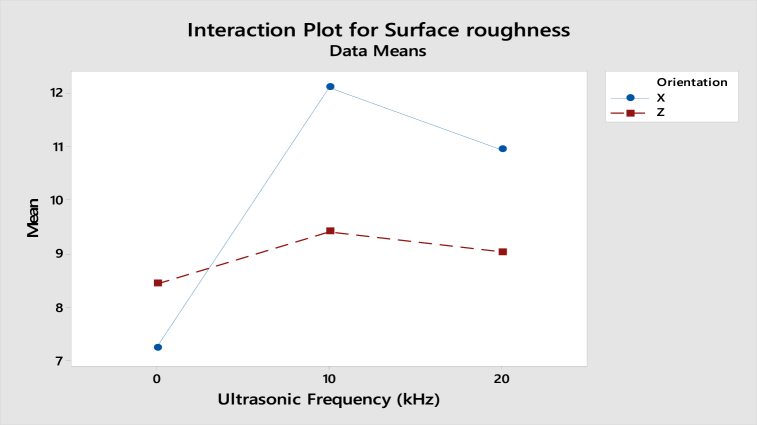
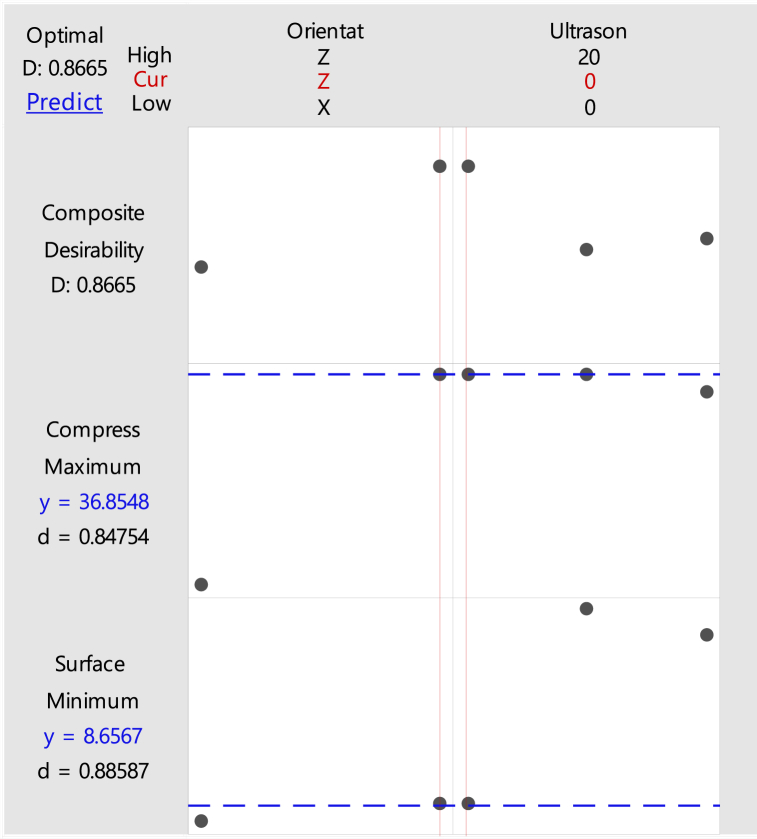
Fused deposition modeling (FDM) is an extrusion-based AM process that is widely used due to its cost-effectiveness and user friendly. However, FDM also has some limitations such as the appearance of seam lines between layers and the production of excess material residue leading to poor surface finish, poor bonding between layers and porosity. This paper presents the findings on the application of ultrasonic vibration in an open-source FDM 3D printer to investigate its effect on the mechanical properties and microstructure of acrylonitrile butadiene styrene (ABS) and Polylactic Acid (PLA) samples. Two units of ultrasonic piezoelectric transducer were clamped horizontally on the surface of the 3D printer platform. The ultrasonic vibration was transmitted directly to the platform while the sample received vibration with a specific frequency while the printing process commences. Two process parameters, namely build orientation and ultrasonic vibration were selected to analyze their significance and optimization on the mechanical properties and the microstructure of the printed samples. High compressive and low surface roughness are required to have the best properties for the printed sample. Therefore, the optimization parameters are performed with these settings where the compressive strength is maximized and the surface roughness is minimized. The result shows that the overall compressive strength in ABS and PLA samples created in the Z-axis orientation is higher than in the X-axis orientation. However, the compressive strength of ABS and PLA samples is not much different after the ultrasonic vibration was applied during the printing process. The microstructure analysis shows that bonding between the layers is similar when applying ultrasonic vibration for both ABS and PLA samples. Furthermore, the result indicates that the surface roughness increased at 10 kHz and then decreased or became smoother at 20 kHz for both ABS and PLA material samples. The analysis shows that the build orientation significantly affects the compressive strength in ABS and PLA samples. However, the ultrasonic vibration has no considerable impact. In surface roughness, the build orientation and ultrasonic vibration significantly affect ABS samples. However, the PLA samples are only slightly affected. The optimum parameters for both materials are found where Z-axis orientation and 0 kHz of the ultrasonic vibration samples gave the best compressive strength and surface roughness value.
熔融沉积建模(FDM)是一种基于挤压的增材制造工艺,因其成本效益高且用户友好而被广泛使用。然而,FDM也有一些局限性,例如层间出现接缝线以及产生多余的材料残渣,导致表面光洁度差、层间粘结不良和孔隙率。本文介绍了在开源FDM 3D打印机中应用超声振动的研究结果,以研究其对丙烯腈丁二烯苯乙烯(ABS)和聚乳酸(PLA)样品的力学性能和微观结构的影响。两个超声压电换能器水平夹在3D打印机平台表面。在打印过程开始时,超声振动直接传递到平台,而样品则以特定频率接收振动。选择了两个工艺参数,即构建方向和超声振动,以分析它们对打印样品的力学性能和微观结构的重要性和优化作用。打印样品需要高压缩性和低表面粗糙度才能具有最佳性能。因此,在这些设置下进行优化参数,使压缩强度最大化,表面粗糙度最小化。结果表明,在Z轴方向创建的ABS和PLA样品的整体压缩强度高于X轴方向。然而,在打印过程中施加超声振动后,ABS和PLA样品的压缩强度没有太大差异。微观结构分析表明,对ABS和PLA样品施加超声振动时,层间粘结情况相似。此外,结果表明,对于ABS和PLA材料样品,表面粗糙度在10kHz时增加,然后在20kHz时降低或变得更光滑。分析表明,构建方向对ABS和PLA样品中的压缩强度有显著影响。然而,超声振动没有显著影响。在表面粗糙度方面,构建方向和超声振动对ABS样品有显著影响。然而,PLA样品仅受到轻微影响。发现两种材料的最佳参数是Z轴方向和超声振动频率为0kHz的样品给出了最佳的压缩强度和表面粗糙度值。