Yin Jie, Zhao Ziming, Huang Jianzheng, Xiao Yang, Rehmutulla Mewlude, Zhang Biqiong, Zhang Zijun, Xiang Ming, Tong Qingyi, Zhang Yonghui
Hubei Key Laboratory of Natural Medicinal Chemistry and Resource Evaluation, School of Pharmacy, Tongji Medical College, Huazhong University of Science and Technology, Wuhan, Hubei, China.
Cell Discov. 2023 Jul 25;9(1):77. doi: 10.1038/s41421-023-00578-4.
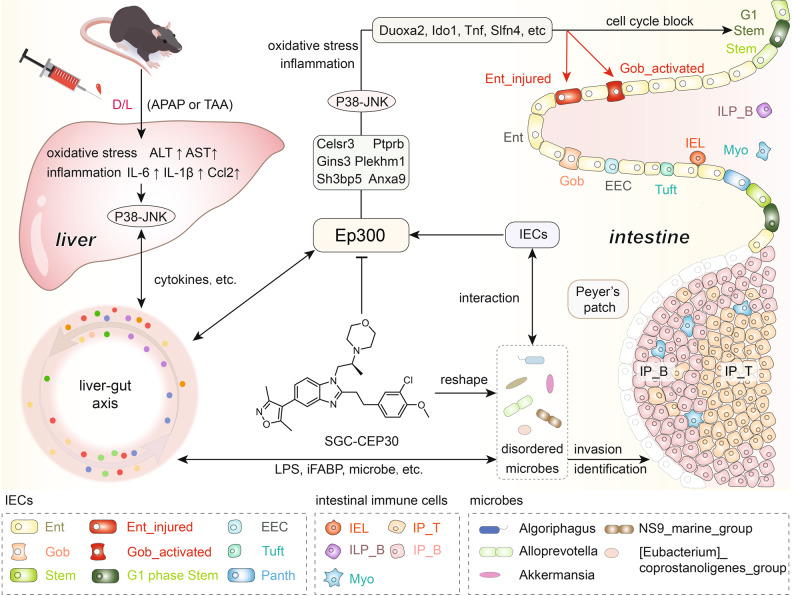
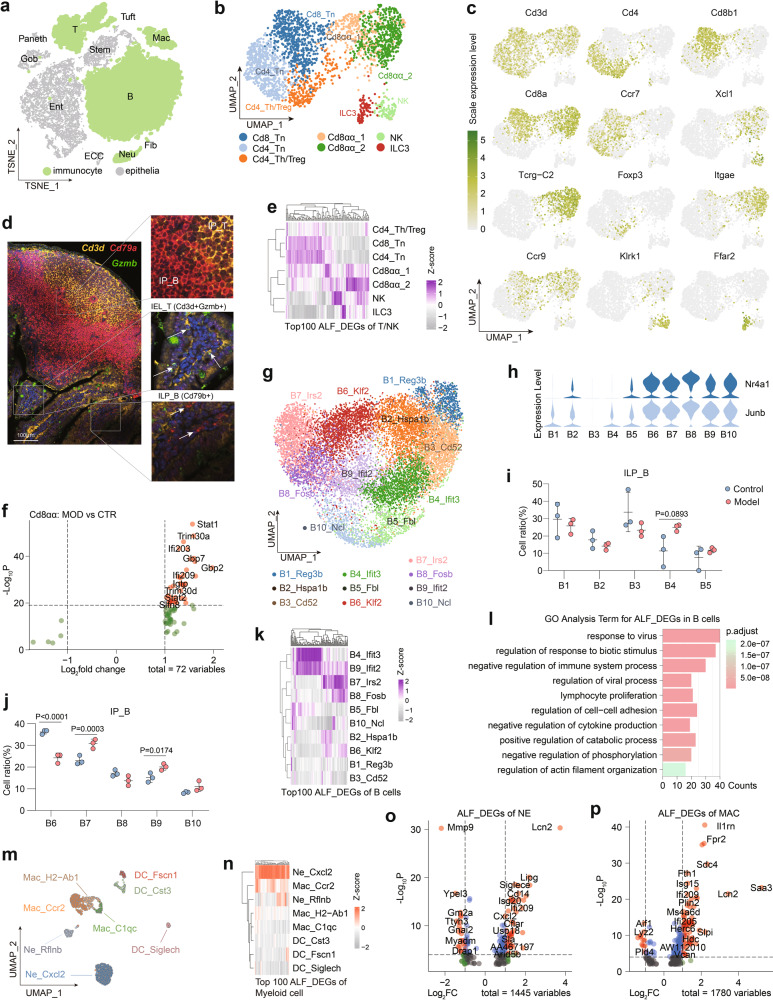
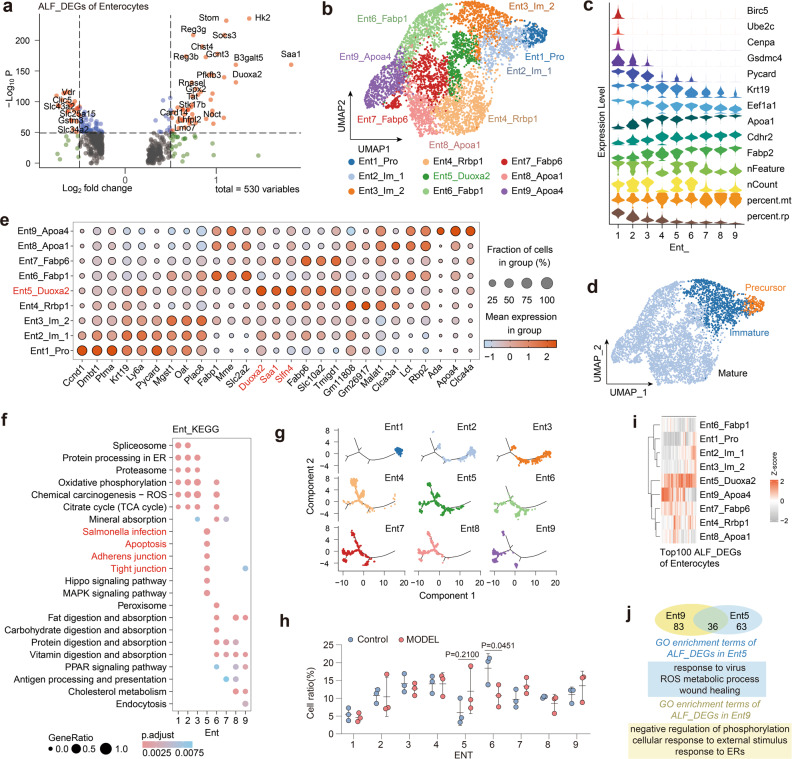
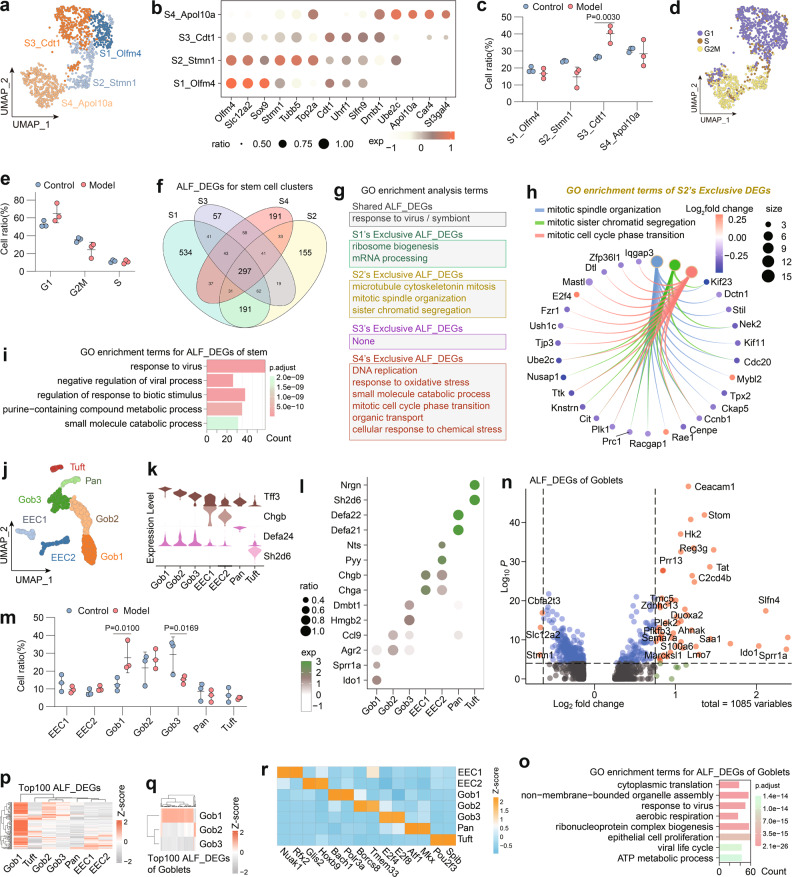
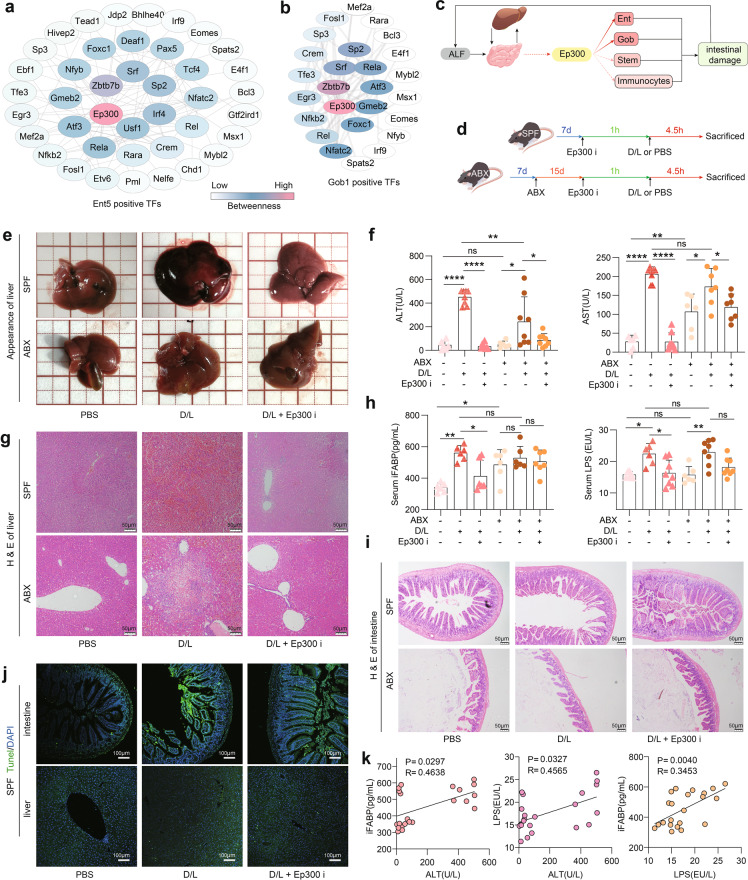
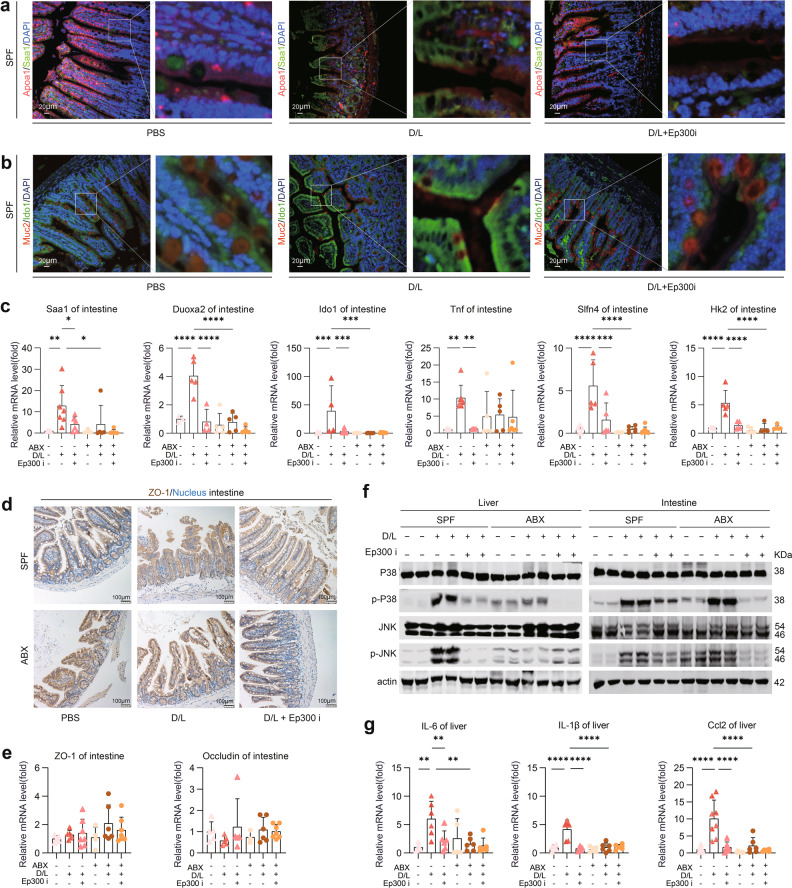
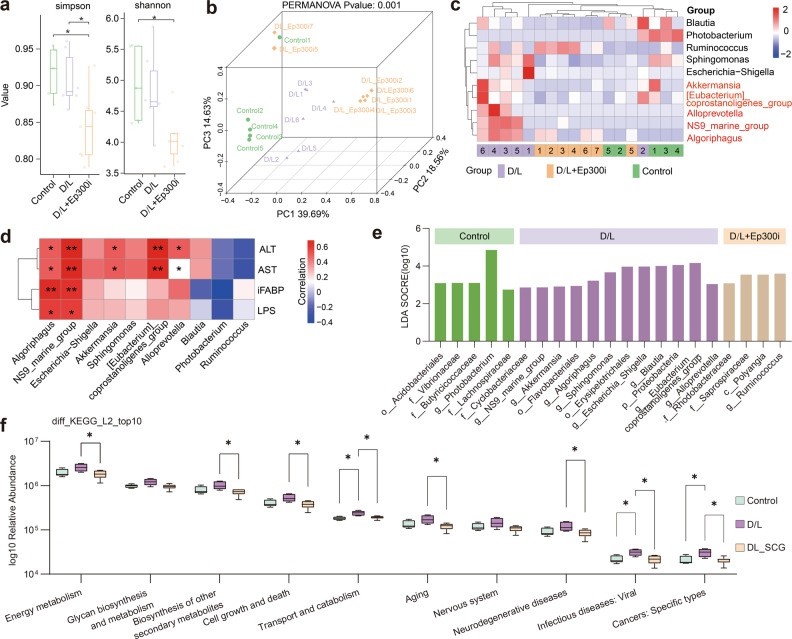
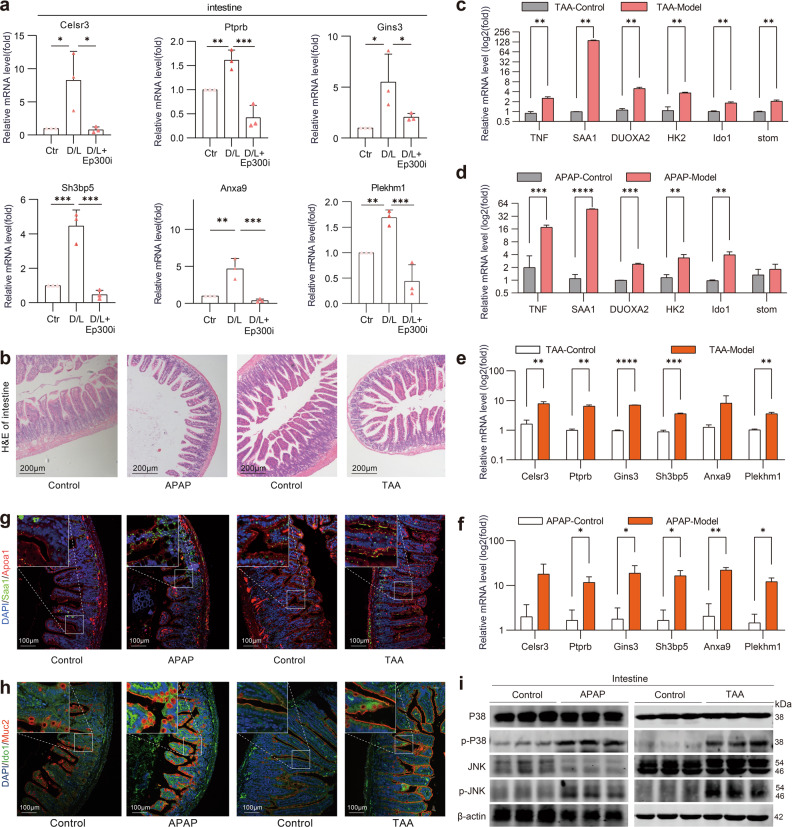
Acute liver failure (ALF) is a severe life-threatening disease associated with the disorder of the gut-liver axis. However, the cellular characteristics of ALF in the gut and related therapeutic targets remain unexplored. Here, we utilized the D-GALN/LPS (D/L)-induced ALF model to characterize 33,216 single-cell transcriptomes and define a mouse ALF intestinal cellular atlas. We found that unique, previously uncharacterized intestinal immune cells, including T cells, B cells, macrophages, and neutrophils, are responsive to ALF, and we identified the transcriptional profiles of these subsets during ALF. We also delineated the heterogeneity of intestinal epithelial cells (IECs) and found that ALF-induced cell cycle arrest in intestinal stem cells and activated specific enterocyte and goblet cell clusters. Notably, the most significantly altered IECs, including enterocytes, intestinal stem cells and goblet cells, had similar activation patterns closely associated with inflammation from intestinal immune activation. Furthermore, our results unveiled a common Ep300-dependent transcriptional program that coordinates IEC activation during ALF, which was confirmed to be universal in different ALF models. Pharmacological inhibition of Ep300 with an inhibitor (SGC-CBP30) inhibited this cell-specific program, confirming that Ep300 is an effective target for alleviating ALF. Mechanistically, Ep300 inhibition restrained inflammation and oxidative stress in the dysregulated cluster of IECs through the P38-JNK pathway and corrected intestinal ecology by regulating intestinal microbial composition and metabolism, thereby protecting IECs and attenuating ALF. These findings confirm that Ep300 is a novel therapeutic target in ALF and pave the way for future pathophysiological studies on ALF.
急性肝衰竭(ALF)是一种严重的危及生命的疾病,与肠-肝轴紊乱相关。然而,肠道中ALF的细胞特征及相关治疗靶点仍未被探索。在此,我们利用D-半乳糖胺/脂多糖(D/L)诱导的ALF模型来表征33216个单细胞转录组,并定义了小鼠ALF肠道细胞图谱。我们发现独特的、以前未被表征的肠道免疫细胞,包括T细胞、B细胞、巨噬细胞和中性粒细胞,对ALF有反应,并且我们确定了这些亚群在ALF期间的转录谱。我们还描绘了肠道上皮细胞(IEC)的异质性,发现ALF诱导肠道干细胞的细胞周期停滞,并激活特定的肠细胞和杯状细胞簇。值得注意的是,变化最显著的IEC,包括肠细胞、肠道干细胞和杯状细胞,具有与肠道免疫激活引起的炎症密切相关的相似激活模式。此外,我们的结果揭示了一个共同的依赖于Ep300的转录程序,该程序在ALF期间协调IEC的激活,这在不同的ALF模型中被证实是普遍存在的。用抑制剂(SGC-CBP30)对Ep300进行药理学抑制可抑制这种细胞特异性程序,证实Ep300是缓解ALF的有效靶点。从机制上讲,Ep300抑制通过P38-JNK途径抑制IEC失调簇中的炎症和氧化应激,并通过调节肠道微生物组成和代谢来纠正肠道生态,从而保护IEC并减轻ALF。这些发现证实Ep300是ALF中的一个新的治疗靶点,并为未来ALF的病理生理学研究铺平了道路。