Rocha Marina Pereira, da Silva Lyandra Maciel Cabral, Silva Laura Paulino Maia, Gomes José Hugo de Sousa, Pádua Rodrigo Maia de, Batista João Aguiar Nogueira, Sena Marcelo Martins, Campana Priscilla Rodrigues Valadares, Braga Fernão Castro
Departament of Pharmaceutical Products, Faculty of Pharmacy, Universidade Federal de Minas Gerais, Campus Pampulha, Avenida Antônio Carlos 6627, Belo Horizonte 31270-901, MG, Brazil.
Departament of Botany and Molecular Biology, Universidade Federal de Minas Gerais, Campus Pampulha, Avenida Antônio Carlos 6627, Belo Horizonte 31270-901, MG, Brazil.
Antioxidants (Basel). 2023 Jun 29;12(7):1365. doi: 10.3390/antiox12071365.
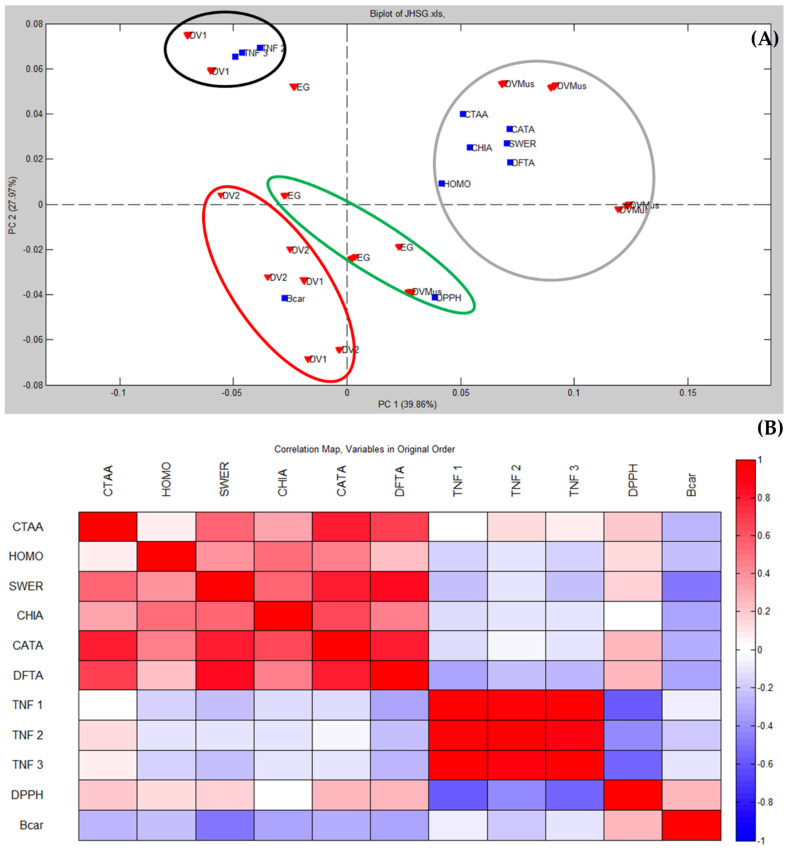
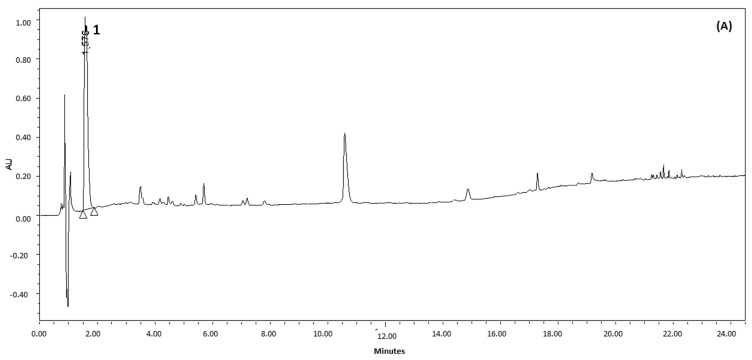
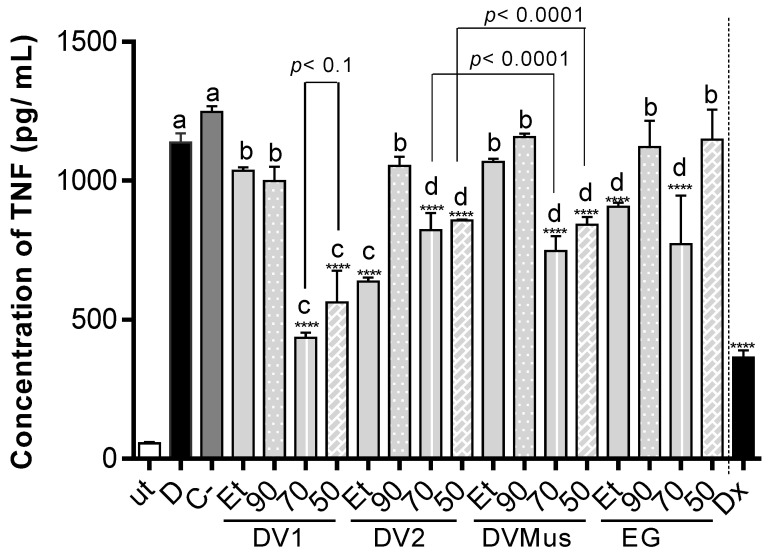
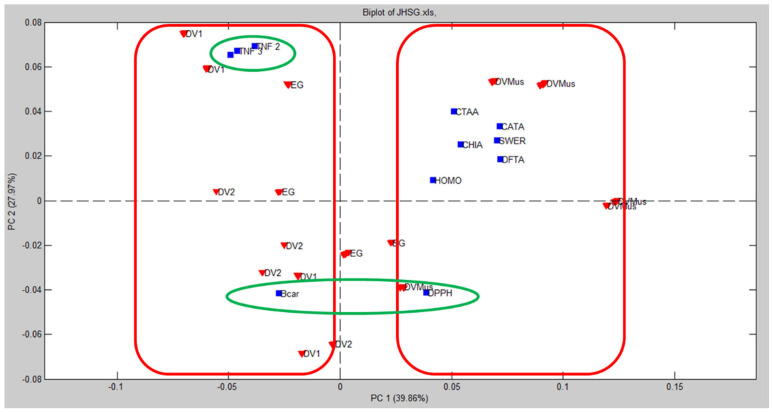
This study investigated the similarities between and , plant species that are traditionally used in Brazil to treat rheumatism and arthritis, whose anti-inflammatory effects are supported by scientific evidence. The contents of - and -aconitic acid, homoorientin, chicoric acid, swertisin, caffeoyl-feruloyl-tartaric acid, and di-feruloyl-tartaric acid were quantified by UPLC-DAD in various hydroethanolic extracts from the leaves, whereas their anti-oxidant activity and their effect on TNF release by LPS-stimulated THP-1 cells were assessed to evaluate potential anti-inflammatory effects. The 50% and 70% ethanol extracts showed higher concentrations of the analyzed markers in two commercial samples and a cultivated specimen of , as well as in a commercial lot of . However, distinguishing between the species based on marker concentrations was not feasible. The 50% and 70% ethanol extracts also exhibited higher biological activity, yet they did not allow differentiation between the species, indicating similar chemical composition and biological effects. Principal component analysis highlighted comparable chemical composition and biological activity among the commercial samples of , while successfully distinguishing the cultivated specimen from the commercial lots. In summary, no differences were observed between the two species in terms of the evaluated chemical markers and biological activities.
本研究调查了巴西传统上用于治疗风湿病和关节炎的两种植物物种[物种名称未给出]之间的相似性,其抗炎作用有科学证据支持。通过超高效液相色谱-二极管阵列检测器(UPLC-DAD)对叶片不同水乙醇提取物中[成分名称未给出]-乌头酸、高车前素、菊苣酸、獐牙菜苷、咖啡酰-阿魏酰-酒石酸和二阿魏酰酒石酸的含量进行了定量,同时评估了它们的抗氧化活性以及对脂多糖(LPS)刺激的THP-1细胞释放肿瘤坏死因子(TNF)的影响,以评估潜在的抗炎作用。50%和70%乙醇提取物在两种商业样品、一种[物种名称未给出]栽培标本以及一批商业[物种名称未给出]中显示出所分析标志物的较高浓度。然而,基于标志物浓度区分这两个物种是不可行的。50%和70%乙醇提取物也表现出较高的生物活性,但它们无法区分这两个物种,表明化学成分和生物效应相似。主成分分析突出了[物种名称未给出]商业样品之间可比的化学成分和生物活性,同时成功地将栽培标本与商业批次区分开来。总之,在评估的化学标志物和生物活性方面,这两个物种之间未观察到差异。