Bagher Amina M
Department of Pharmacology and Toxicology, Faculty of Pharmacy, King Abdulaziz University, Jeddah, Saudi Arabia.
Case Rep Med. 2023 Jul 21;2023:6623269. doi: 10.1155/2023/6623269. eCollection 2023.
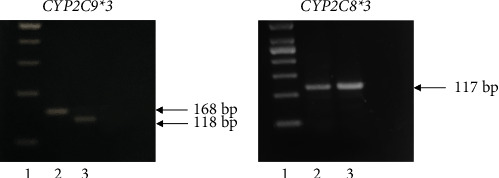
Ibuprofen is a non-steroidal anti-inflammatory drug (NSAID) widely used to alleviate pain and inflammation. Although it is generally considered safe, common adverse drug reactions of ibuprofen include stomach pain, nausea, and heartburn. It can also cause gastrointestinal (GI) bleeding, especially in individuals with a history of GI ulcers or bleeding disorders. Ibuprofen is predominantly metabolized by the cytochrome P450 (CYP) enzymes CYP2C9 and CYP2C8. Individuals carrying the ∗ or ∗ non-functional alleles have reduced enzyme activities resulting in elevated ibuprofen plasma concentrations and half-life. We presented a case of a 31-year-old Saudi female patient with a history of rheumatoid arthritis (RA) who had taken ibuprofen at 600 mg twice daily for eight weeks. The patient presented to the emergency department with symptoms including nausea, vomiting, severe abdominal pain, and black tarry stools. An emergency esophagogastroduodenoscopy was performed on the patient, which revealed a deep bleeding ulcer measuring 1 × 1 cm in the antrum of the stomach. Laboratory investigations indicated anemia (hemoglobin: 7.21 g/dL and hematocrit: 22.40 g/dl). The patient received intravenous proton pump inhibitors and a packed red blood cell transfusion. Genetic analysis revealed that the patient was a carrier of ∗∗ variant alleles, indicating that the patient is a poor metabolizer for both enzymes. The patient's symptoms improved over the subsequent days, and she was discharged with instructions to avoid NSAIDs. This is the first reported Saudi patient homozygous for ∗∗ variant alleles, which led to ibuprofen-induced upper GI toxicity. This case demonstrates the importance of contemplating and CYP2C8 genetic variations when administrating NSAIDs like ibuprofen. Careful assessment of the risks and benefits of NSAID therapy in each patient and consideration of alternative pain management strategies must be conducted when appropriate.
布洛芬是一种广泛用于缓解疼痛和炎症的非甾体抗炎药(NSAID)。尽管通常认为它是安全的,但布洛芬常见的药物不良反应包括胃痛、恶心和胃灼热。它还可能导致胃肠道(GI)出血,尤其是有GI溃疡或出血性疾病史的个体。布洛芬主要通过细胞色素P450(CYP)酶CYP2C9和CYP2C8代谢。携带∗或∗无功能等位基因的个体酶活性降低,导致布洛芬血浆浓度升高和半衰期延长。我们报告了一例31岁的沙特女性患者,有类风湿关节炎(RA)病史,她每天服用600毫克布洛芬,分两次服用,持续了八周。患者因恶心、呕吐、严重腹痛和黑便等症状前往急诊科就诊。对患者进行了急诊食管胃十二指肠镜检查,发现胃窦有一个1×1厘米的深部出血性溃疡。实验室检查表明患者贫血(血红蛋白:7.21克/分升,血细胞比容:22.40克/分升)。患者接受了静脉注射质子泵抑制剂和浓缩红细胞输血。基因分析显示该患者是∗∗变异等位基因的携带者,表明该患者对这两种酶都是代谢不良者。患者的症状在随后几天有所改善,出院时被嘱咐避免使用NSAIDs。这是首例报道的携带∗∗变异等位基因纯合子的沙特患者,该变异等位基因导致了布洛芬引起的上消化道毒性。该病例证明了在使用布洛芬等NSAIDs时考虑CYP2C9和CYP2C8基因变异的重要性。在每位患者中都必须仔细评估NSAID治疗的风险和益处,并在适当的时候考虑替代的疼痛管理策略。