Okui Nobuo, Ikegami Tadashi, Hashimoto Tatsuo, Kouno Yuko, Nakano Kaori, Okui Machiko Aurora
Dentistry, Kanagawa Dental University, Kanagawa, JPN.
Diagnostic Imaging, Kanagawa Dental University, Kanagawa, JPN.
Cureus. 2023 Jul 29;15(7):e42668. doi: 10.7759/cureus.42668. eCollection 2023 Jul.
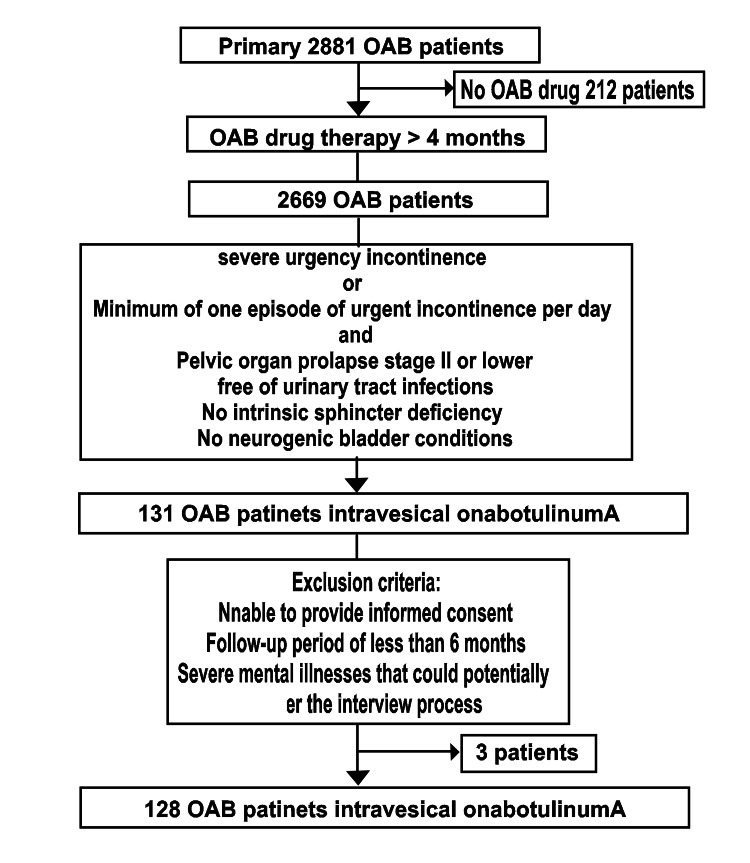
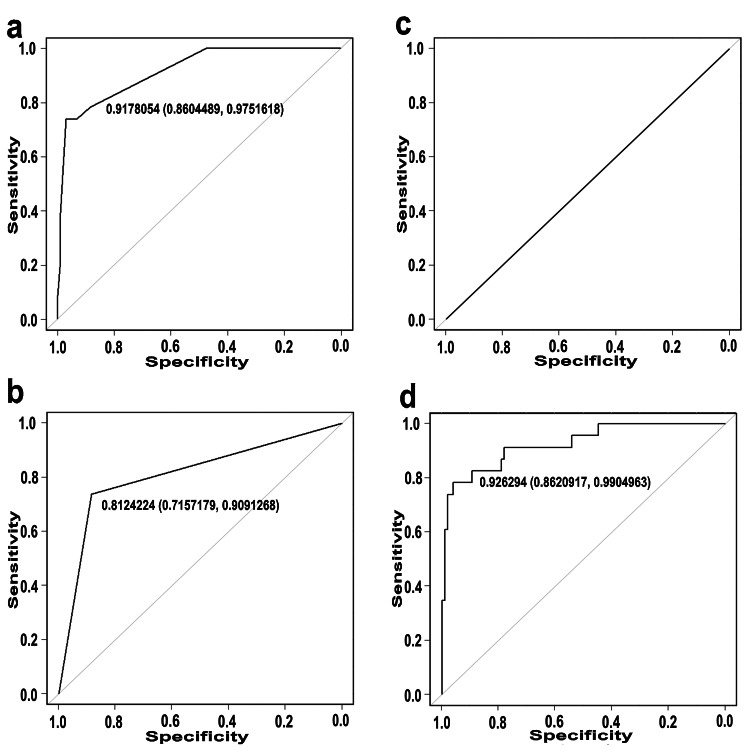
Introduction Intravesical onabotulinumA injection is actively used for the treatment of overactive bladder (OAB). However, it occasionally results in significant post-void residual urine (PVR) volume, which can lead to complications and can further impair the activities of daily living in older people. Therefore, this study aimed to identify the predictors of a high post-onabotulinumA injection PVR volume in older women with severe OAB. Methods An observational study was conducted on older women who had previously received intravesical onabotulinumA injections to treat OAB between 2020 and 2022. Urodynamic studies and symptom assessments were conducted, and machine learning models, including random forest and support vector machine (SVM) models, were developed using the R code generated by Chat Generative Pre-trained Transformer 4 (ChatGPT, OpenAI, San Francisco, USA). Results Among 128 patients with OAB, 23 (18.0%) had a PVR volume of > 200 mL after receiving onabotulinumA injections. The factors associated with a PVR volume of > 200 mL were investigated using univariate and multivariate analyses. Age, frailty, OAB-wet, daytime frequency, and nocturia were significant predictors. Random forest analysis highlighted daytime frequency, frailty, and voiding efficiency as important factors. An SVM model incorporating daytime frequency, frailty, and voiding efficiency improved PVR volume prediction. Logit(p) estimation yielded an area under the receiver operating characteristic curve of 0.926294. Conclusion The study found daytime frequency, frailty, and voiding inefficiency to be significant factors associated with a PVR volume of > 200 mL, in older women with severe OAB. Utilizing advanced machine learning techniques and following the guidance of ChatGPT, this research emphasizes the relevance of considering multiple intersecting factors for predicting PVR volume. The findings contribute to our understanding of onabotulinumA injection treatment for OAB and support evidence-based decision-making using readily available information.
引言 膀胱内注射A型肉毒毒素积极用于治疗膀胱过度活动症(OAB)。然而,它偶尔会导致显著的排尿后残余尿量(PVR),这可能会引发并发症,并进一步损害老年人的日常生活活动能力。因此,本研究旨在确定重度OAB老年女性注射A型肉毒毒素后高PVR量的预测因素。方法 对2020年至2022年间曾接受膀胱内注射A型肉毒毒素治疗OAB的老年女性进行了一项观察性研究。进行了尿动力学研究和症状评估,并使用由Chat生成预训练变换器4(ChatGPT,OpenAI,美国旧金山)生成的R代码开发了包括随机森林和支持向量机(SVM)模型在内的机器学习模型。结果 在128例OAB患者中,23例(18.0%)在接受A型肉毒毒素注射后PVR量>200 mL。使用单变量和多变量分析研究了与PVR量>200 mL相关的因素。年龄、虚弱、OAB-湿型、白天排尿次数和夜尿症是显著的预测因素。随机森林分析强调白天排尿次数、虚弱和排尿效率是重要因素。纳入白天排尿次数、虚弱和排尿效率的SVM模型改善了PVR量预测。Logit(p)估计得出受试者工作特征曲线下面积为0.926294。结论 该研究发现,在重度OAB老年女性中,白天排尿次数、虚弱和排尿效率低下是与PVR量>200 mL相关的显著因素。利用先进的机器学习技术并遵循ChatGPT的指导,本研究强调了考虑多个交叉因素以预测PVR量的相关性。这些发现有助于我们理解A型肉毒毒素注射治疗OAB,并支持使用现有信息进行循证决策。