Ribarski-Chorev Ivana, Schudy Gisele, Strauss Carmit, Schlesinger Sharon
The Robert H. Smith Faculty of Agriculture, Food and Environment, The Hebrew University of Jerusalem, Rehovot 7610001, Israel.
iScience. 2023 Jul 10;26(8):107305. doi: 10.1016/j.isci.2023.107305. eCollection 2023 Aug 18.
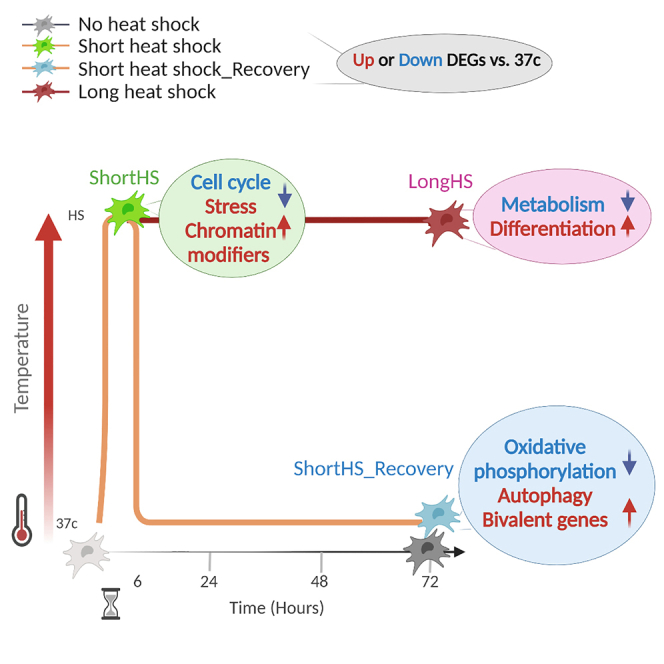
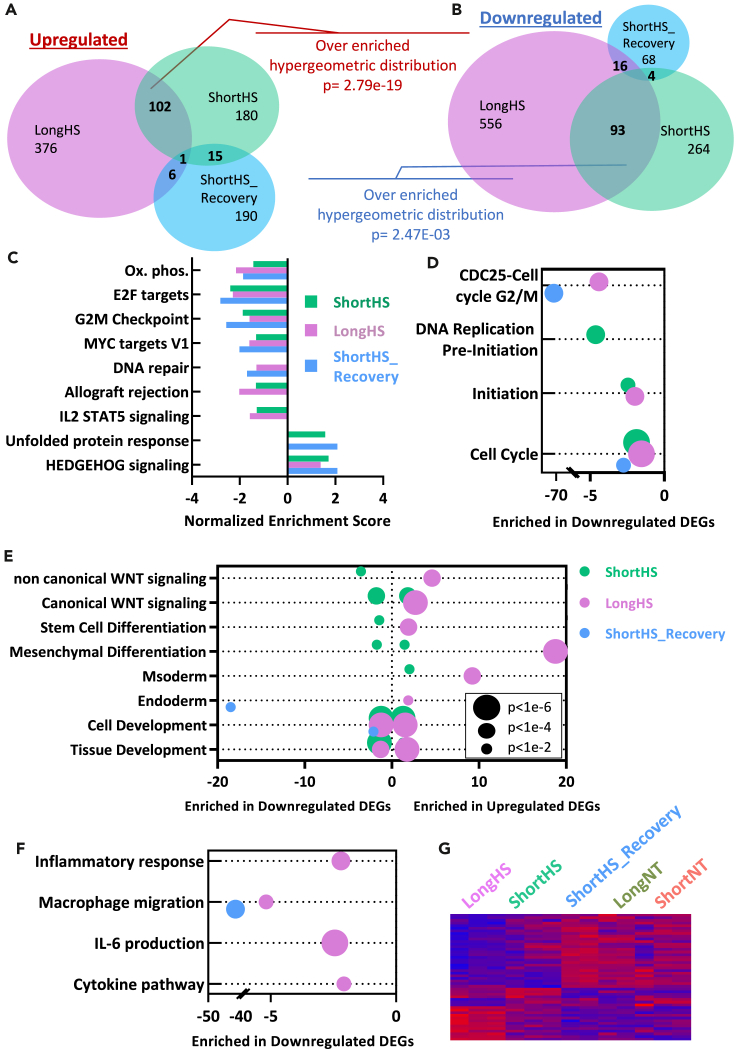
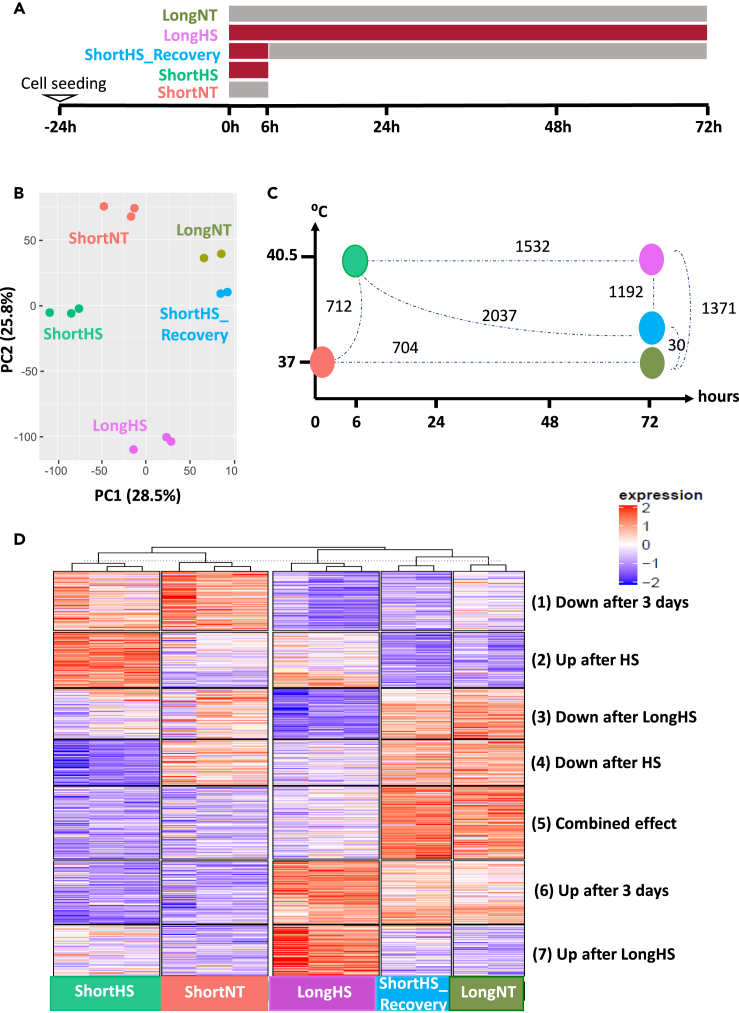
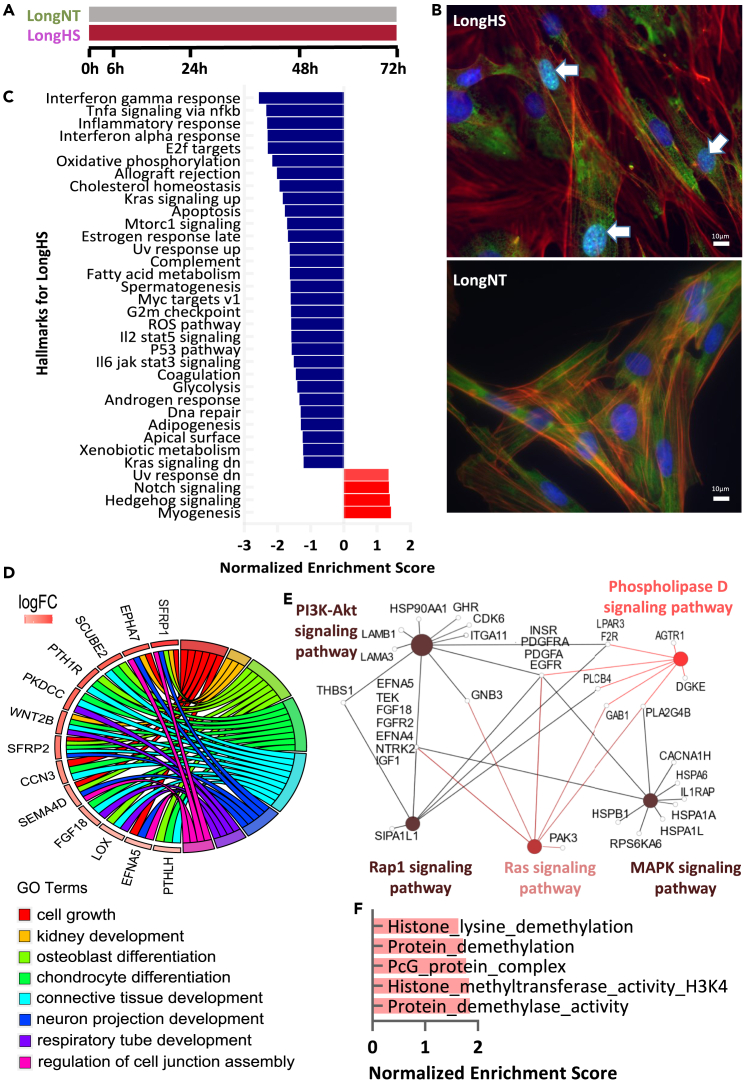
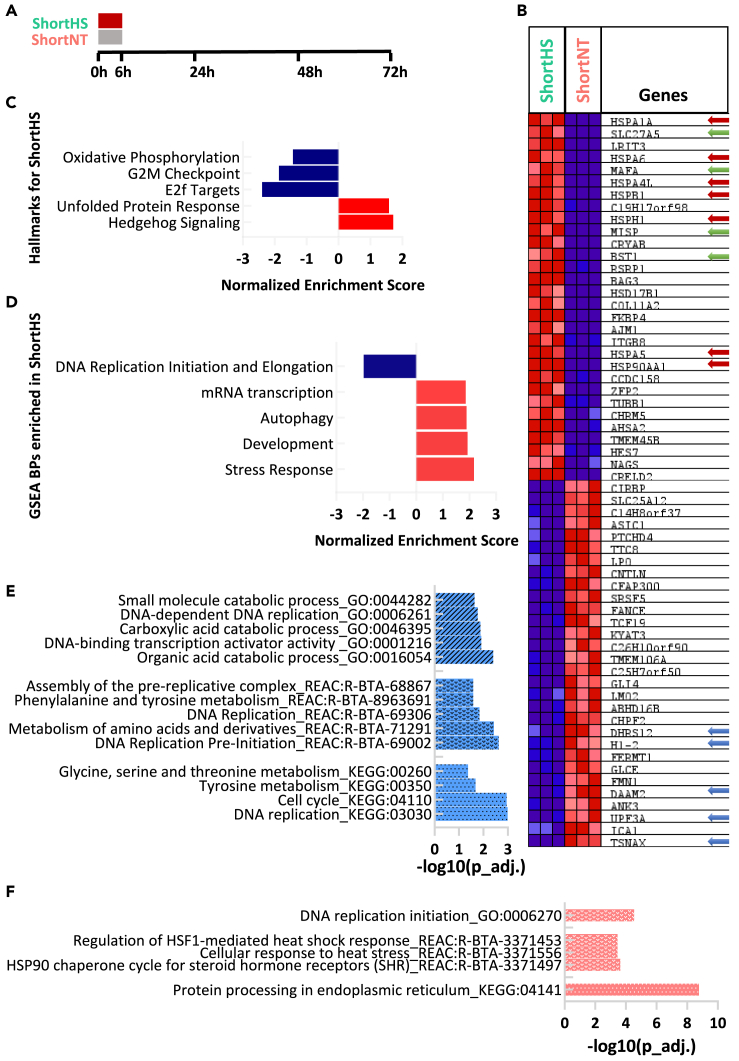
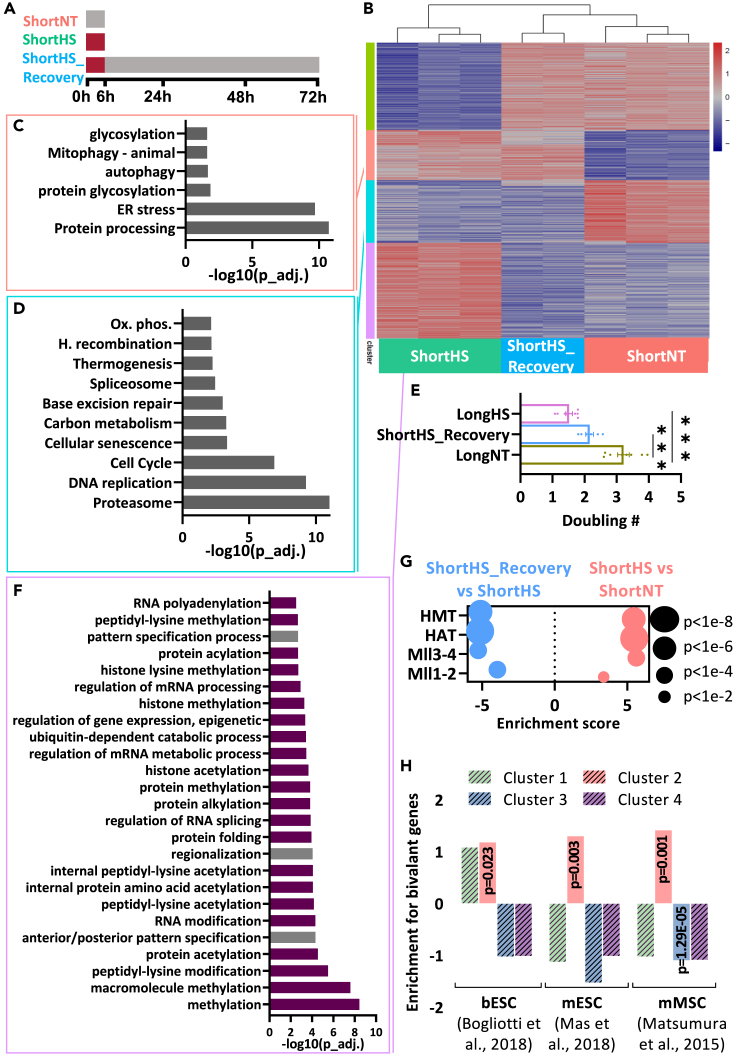
The adverse effects of heat stress (HS) on physiological systems are well documented, yet the underlying molecular mechanisms behind it remain poorly understood. To address this knowledge gap, we conducted a comprehensive investigation into the impact of HS on mesenchymal stem cells (MSCs), focusing on their morphology, phenotype, proliferative capacity, and fate determination. Our in-depth analysis of the MSCs' transcriptome revealed a significant influence of HS on the transcriptional landscape. Notably, even after a short period of stress, we observed a persistent alteration in cell identity, potentially mediated by the activation of bivalent genes. Furthermore, by comparing the differentially expressed genes following short HS with their transcriptional state after recovery, we identified the transient upregulation of MLL and other histone modifiers, providing a potential mechanistic explanation for the stable activation of bivalent genes. This could be used to predict and modify the long-term effect of HS on cell identity.
热应激(HS)对生理系统的不良影响已有充分记录,但其背后的潜在分子机制仍知之甚少。为了填补这一知识空白,我们对热应激对间充质干细胞(MSCs)的影响进行了全面研究,重点关注其形态、表型、增殖能力和命运决定。我们对间充质干细胞转录组的深入分析揭示了热应激对转录图谱有重大影响。值得注意的是,即使在短时间应激后,我们也观察到细胞身份的持续改变,这可能由二价基因的激活介导。此外,通过比较短期热应激后差异表达基因与其恢复后的转录状态,我们确定了MLL和其他组蛋白修饰剂的瞬时上调,为二价基因的稳定激活提供了潜在的机制解释。这可用于预测和改变热应激对细胞身份的长期影响。