Department of Radiation Oncology, University of Kansas Medical Center, Kansas City, KS, USA.
Department of Radiation Oncology, University of Minnesota, Minneapolis, MN, USA.
Radiat Oncol. 2023 Aug 2;18(1):128. doi: 10.1186/s13014-023-02298-1.
The management of ultracentral thoracic tumors with ablative dose of radiotherapy remains challenging given proximity to critical central structures. We report patient outcomes, toxicity, and dosimetry for ultracentrally located tumors with hypofractionated stereotactic body radiotherapy (hfSBRT).
Seventy-eight individuals (50 initial radiotherapy, 28 re-irradiation) undergoing 10 fraction hfSBRT for ultracentrally located thoracic tumors treated between 2009 and 2020 at a single institution were retrospectively reviewed. Overall survival (OS), progression free survival (PFS), and local control (LC) were calculated. Incidence and grade of treatment related toxicity were evaluated. Dosimetric analysis of treatment plans and critical adjacent OARs was performed.
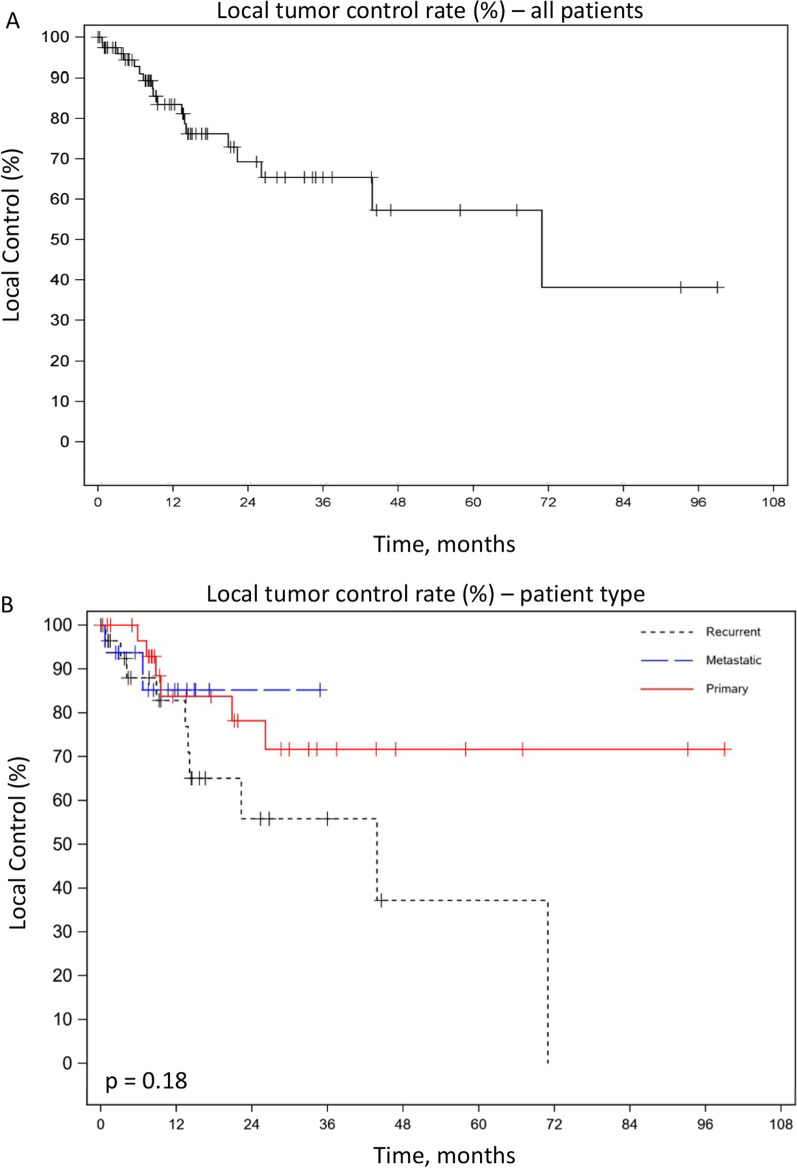
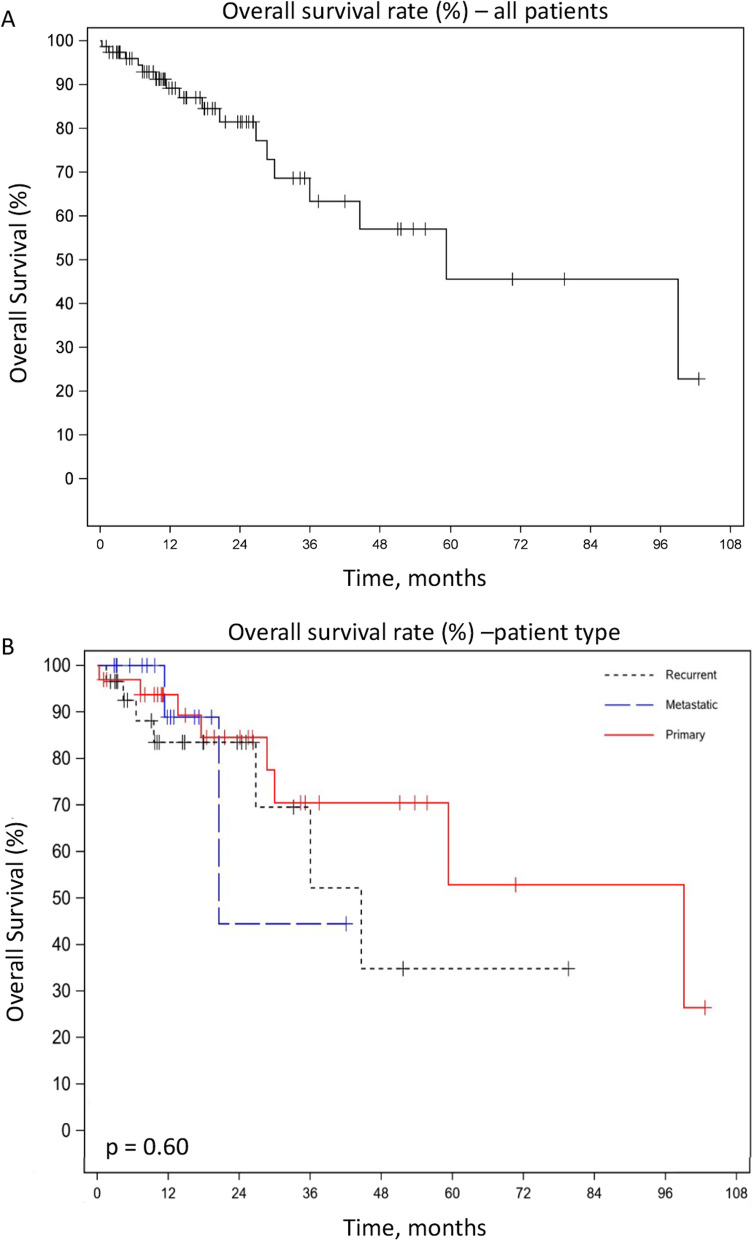
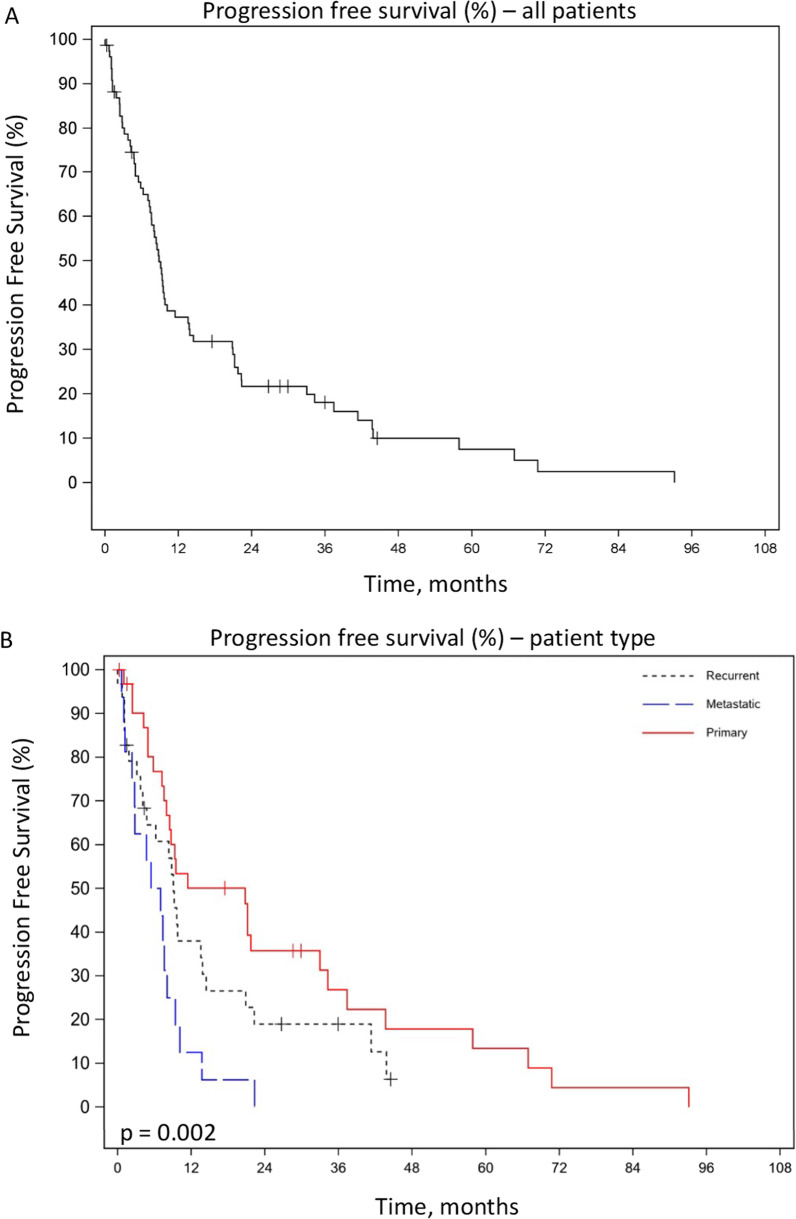
At a median follow up time of 13 months, 1- and 3-year OS, PFS, and LC were 89%/63%, 37%/18%, and 84%/65%, respectively. Median dose was 65 Gy (BED = 107.25 Gy). Median primary bronchial tree maximum dose (Dmax) was 60 Gy (V50 = 0.96 cc). Median esophageal Dmax was 38 Gy (V40 = 0 cc). Median great vessel Dmax was 68 Gy (V50 = 3.53 cc). The most common ≥ grade 2 adverse event was pneumonitis, in 15 individuals (20%). Grade 3 or higher toxicity was observed in 9 individuals (12%): three cases of grade 3 pneumonitis (two re-irradiation, one initial radiotherapy), one grade 3 esophageal stricture following re-irradiation, two grade 3 endobronchial obstructions both following initial radiotherapy, and three grade 5 hemoptysis events (two re-irradiation, one initial radiotherapy). One hemoptysis event was categorized as "possibly" related to treatment, while the remaining two events were categorized as "unlikely" related to treatment in patients with clear evidence of disease progression.
hfSBRT to ultracentral lung tumors delivered over 10 fractions is a safe and effective treatment option, with acceptable rates of toxicity and good rates of tumor control.
IRB registration number 12573.
由于靠近关键的中央结构,用放射治疗的消融剂量来治疗超中心胸部肿瘤仍然具有挑战性。我们报告了在一个单机构中,接受 10 个分次的超中心立体定向体部放射治疗(hfSBRT)的超中心位置肿瘤患者的治疗结果、毒性和剂量学。
对 2009 年至 2020 年期间在一个单机构接受 10 个分次 hfSBRT 治疗的 78 名超中心位置胸部肿瘤患者(50 例初始放疗,28 例再放疗)进行回顾性研究。计算总生存率(OS)、无进展生存率(PFS)和局部控制率(LC)。评估治疗相关毒性的发生率和等级。对治疗计划和关键相邻 OAR 的剂量学进行分析。
在中位随访时间为 13 个月时,1 年和 3 年的 OS、PFS 和 LC 分别为 89%/63%、37%/18%和 84%/65%。中位剂量为 65Gy(BED=107.25Gy)。中位原发性支气管树最大剂量(Dmax)为 60Gy(V50=0.96cc)。中位食管 Dmax 为 38Gy(V40=0cc)。中位大血管 Dmax 为 68Gy(V50=3.53cc)。最常见的≥2 级不良事件是肺炎,有 15 例(20%)。有 9 例(12%)发生 3 级或更高毒性:3 例 3 级肺炎(2 例再放疗,1 例初始放疗),1 例再放疗后 3 级食管狭窄,2 例初始放疗后 3 级支气管阻塞,3 例 5 级咯血事件(2 例再放疗,1 例初始放疗)。1 例咯血事件被归类为“可能”与治疗有关,而其余两例事件被归类为“不太可能”与治疗有关,因为有明确的疾病进展证据。
超中心肺肿瘤接受 10 次分次的 hfSBRT 是一种安全有效的治疗选择,具有可接受的毒性发生率和良好的肿瘤控制率。
IRB 注册号 12573。