Department of Neurosurgery, Xijing Hospital, Fourth Military Medical University, Xi'an 710032, China.
The Key Laboratory of Bioactive Materials, Ministry of Education, The College of Life Sciences, Nankai University, Tianjin 300071, China.
ACS Nano. 2023 Aug 22;17(16):16174-16191. doi: 10.1021/acsnano.3c05309. Epub 2023 Aug 3.
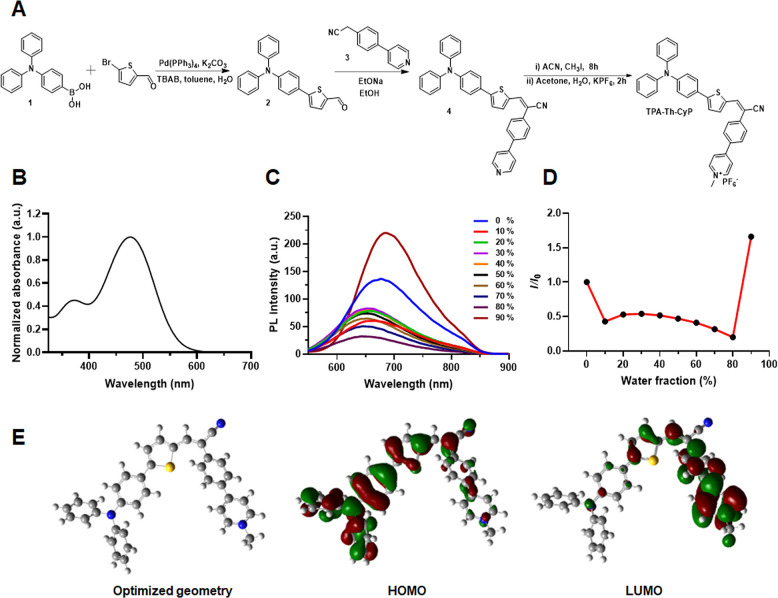
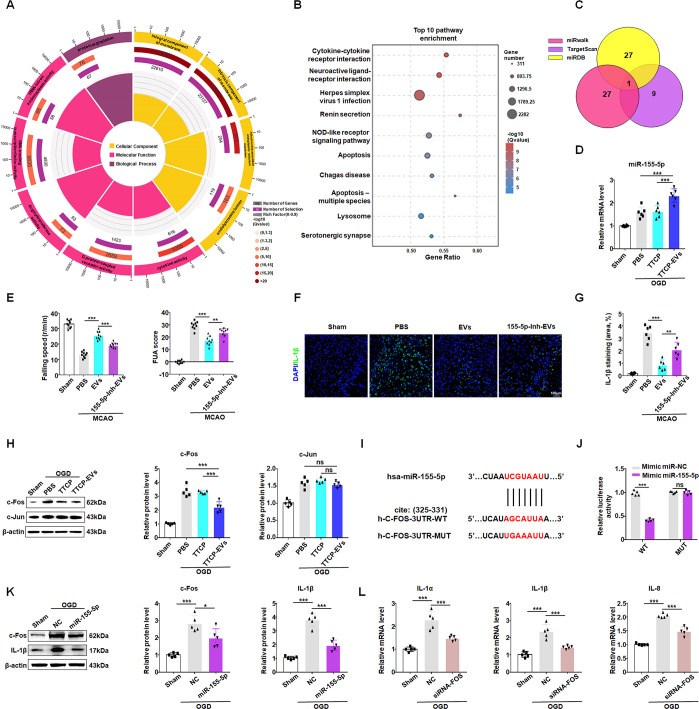
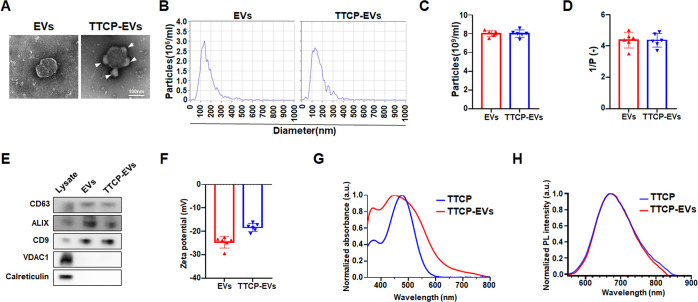
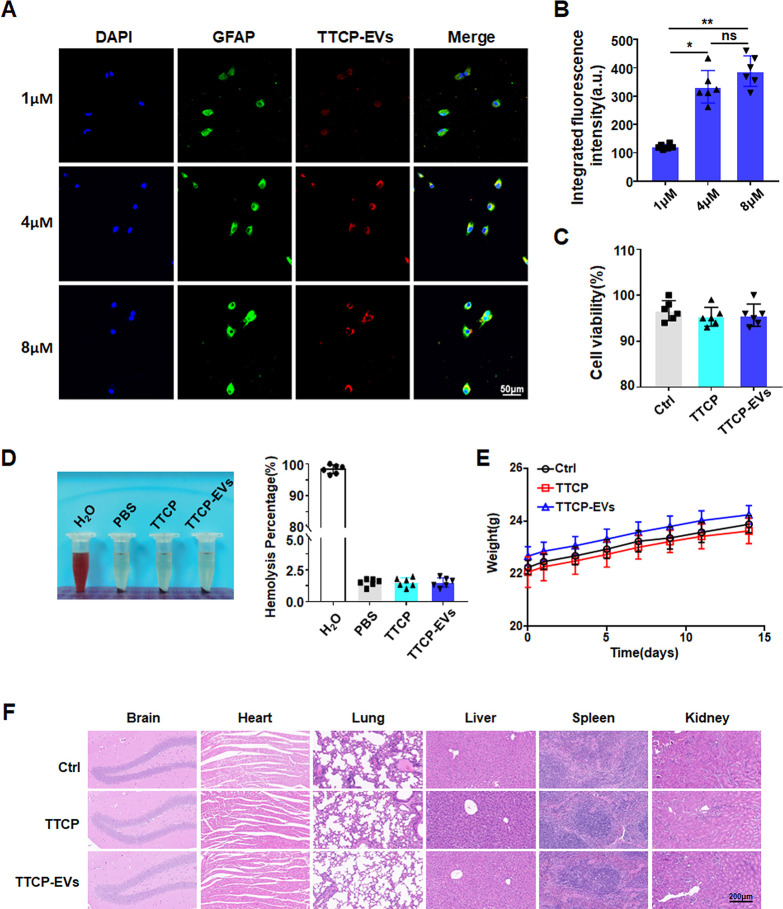
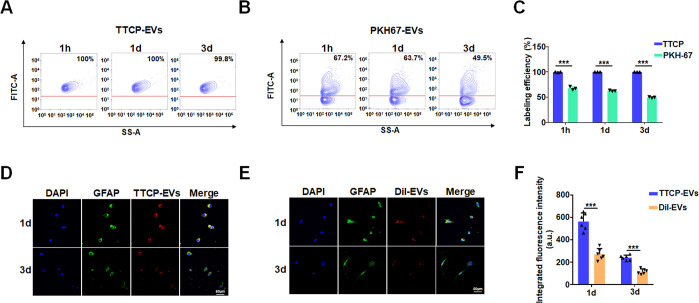
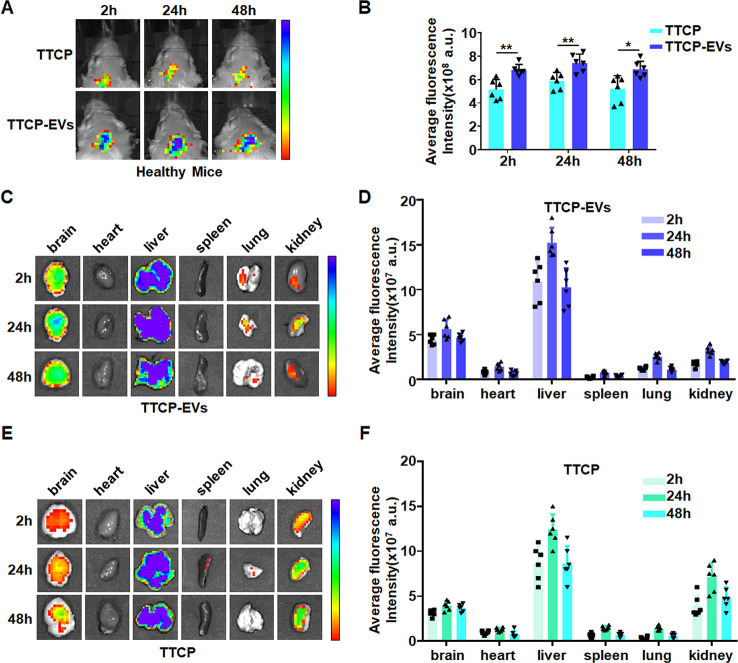
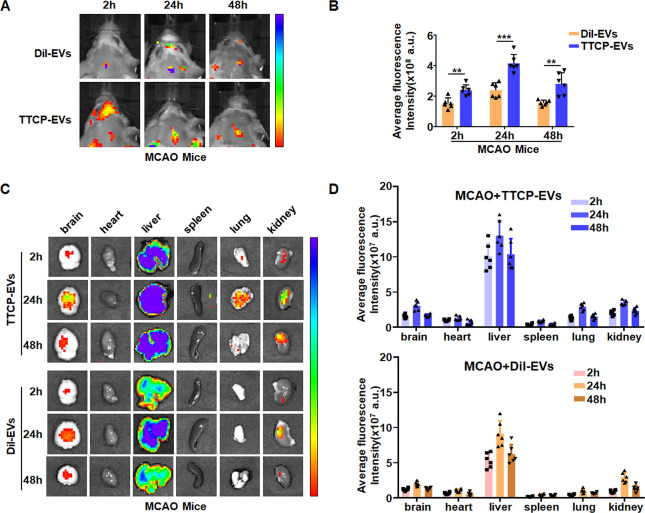
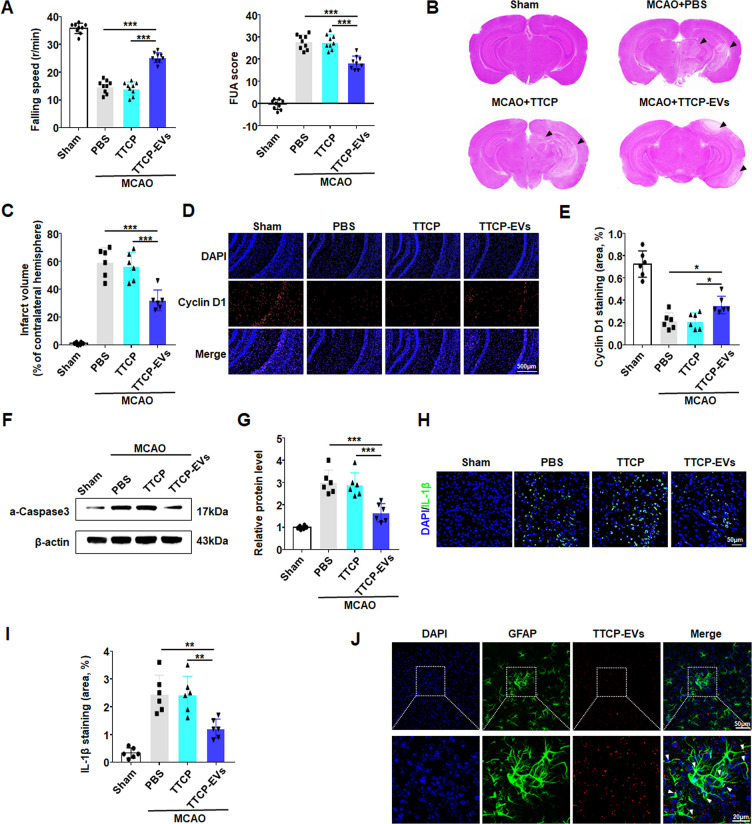
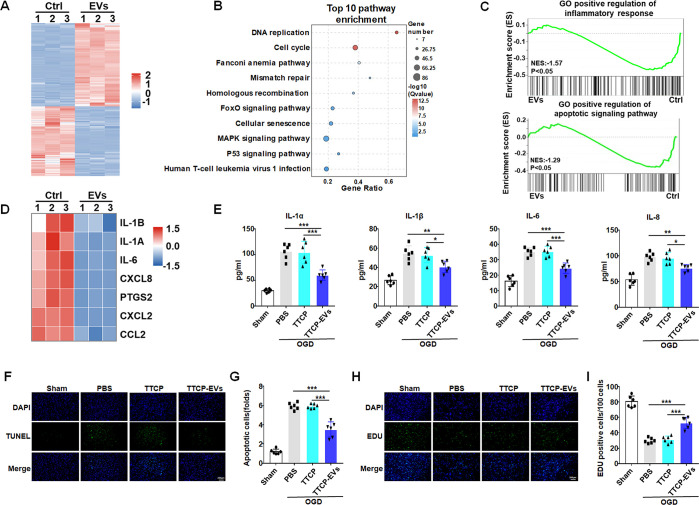
Extracellular vesicles (EVs) obtained from endothelial cells (ECs) have significant therapeutic potential in the clinical management of individuals with ischemic stroke (IS) because they effectively treat ischemic stroke in animal models. However, because molecular probes with both high labeling efficiency and tracer stability are lacking, monitoring the actions of EC-EVs in the brain remains difficult. The specific intracellular targets in the brain that EC-EVs act on to produce their protective effects are still unknown, greatly impeding their use in clinical settings. For this research, we created a probe that possessed aggregation-induced emission (AIE) traits (namely, TTCP), enabling the effective labeling of EC-EVs while preserving their physiological properties. , TTCP simultaneously had a higher EC-EV labeling efficiency and better tracer stability than the commercial EV tags PKH-67 and DiI. , TTCP precisely tracked the actions of EC-EVs in a mouse IS model without influencing their protective effects. Furthermore, through the utilization of TTCP, it was determined that astrocytes were the specific cells affected by EC-EVs and that EC-EVs exhibited a safeguarding impact on astrocytes following cerebral ischemia-reperfusion (I/R) injury. These protective effects encompassed the reduction of the inflammatory reaction and apoptosis as well as the enhancement of cell proliferation. Further analysis showed that miRNA-155-5p carried by EC-EVs is responsible for these protective effects via regulation of the c-Fos/AP-1 pathway; this information provided a strategy for IS therapy. In conclusion, TTCP has a high EC-EV labeling efficiency and favorable tracer stability during IS therapy. Moreover, EC-EVs are absorbed by astrocytes during cerebral I/R injury and promote the restoration of neurological function through the regulation of the c-Fos/AP-1 signaling pathway.
细胞外囊泡(EVs)来源于内皮细胞(ECs),在缺血性脑卒中(IS)患者的临床治疗中具有显著的治疗潜力,因为它们能有效地治疗动物模型中的缺血性脑卒中。然而,由于缺乏具有高标记效率和示踪稳定性的分子探针,监测 EC-EVs 在大脑中的作用仍然很困难。EC-EVs 在大脑中作用的特定细胞内靶点,以产生其保护作用,仍然未知,这极大地阻碍了它们在临床环境中的应用。在这项研究中,我们创建了一种具有聚集诱导发射(AIE)特性的探针(即 TTCP),使 EC-EVs 的有效标记成为可能,同时保留了它们的生理特性。与商业 EV 标签 PKH-67 和 DiI 相比,TTCP 同时具有更高的 EC-EV 标记效率和更好的示踪稳定性。TTCP 可以精确地跟踪 EC-EVs 在小鼠 IS 模型中的作用,而不影响它们的保护作用。此外,通过利用 TTCP,确定了星形胶质细胞是 EC-EVs 作用的特定细胞,并且 EC-EVs 在脑缺血再灌注(I/R)损伤后对星形胶质细胞表现出保护作用。这些保护作用包括减少炎症反应和细胞凋亡,以及增强细胞增殖。进一步分析表明,EC-EVs 携带的 miRNA-155-5p 通过调节 c-Fos/AP-1 通路来发挥这些保护作用;这为 IS 治疗提供了一种策略。总之,TTCP 在 IS 治疗中具有高 EC-EV 标记效率和良好的示踪稳定性。此外,在脑 I/R 损伤中,EC-EVs 被星形胶质细胞吸收,并通过调节 c-Fos/AP-1 信号通路促进神经功能的恢复。