Department of Pharmacology and Cancer Biology, Duke University, Durham, North Carolina, USA.
Department of Pharmacology and Cancer Biology, Duke University, Durham, North Carolina, USA.
J Biol Chem. 2023 Sep;299(9):105133. doi: 10.1016/j.jbc.2023.105133. Epub 2023 Aug 4.
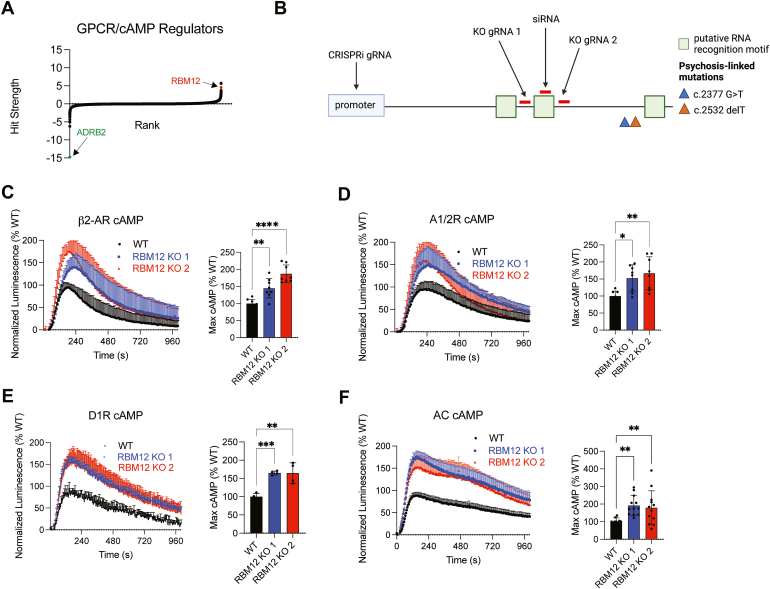
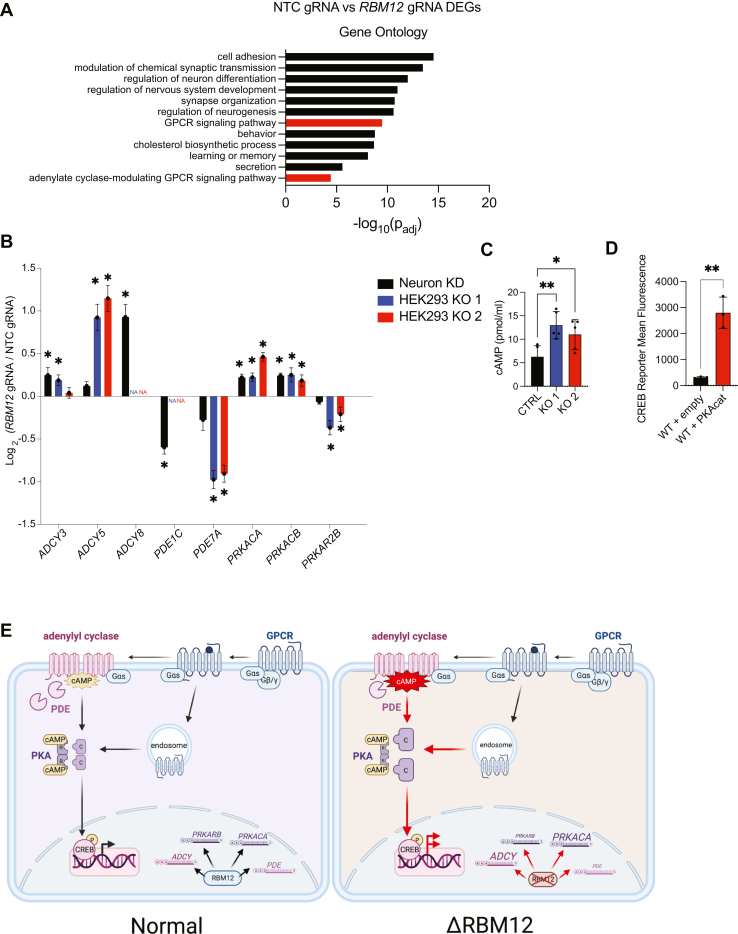
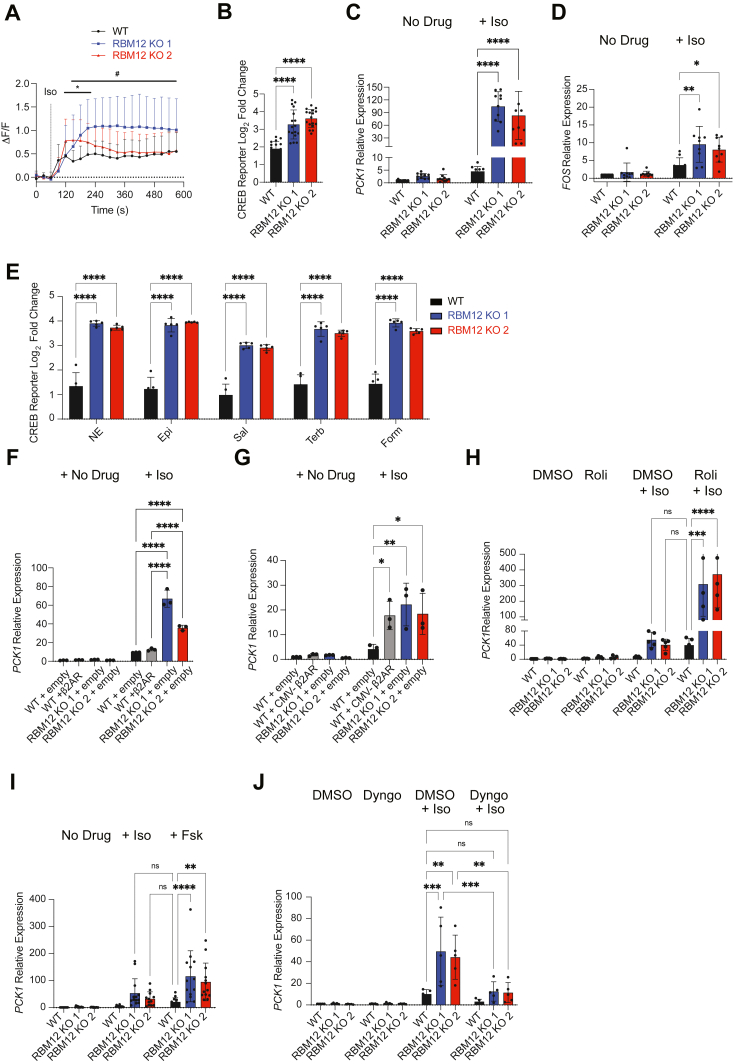
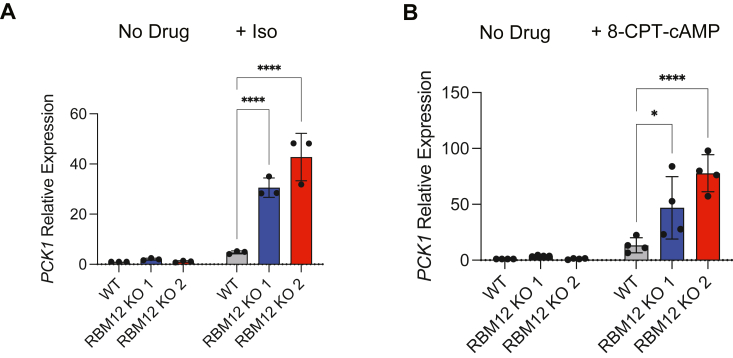
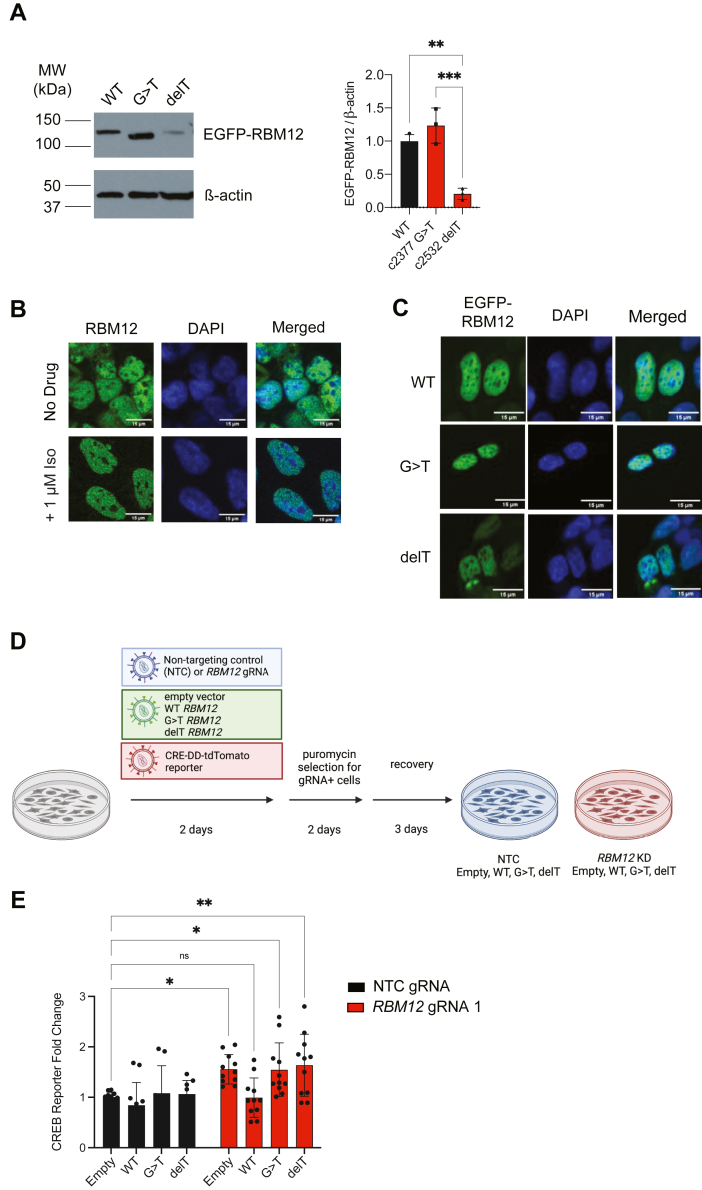
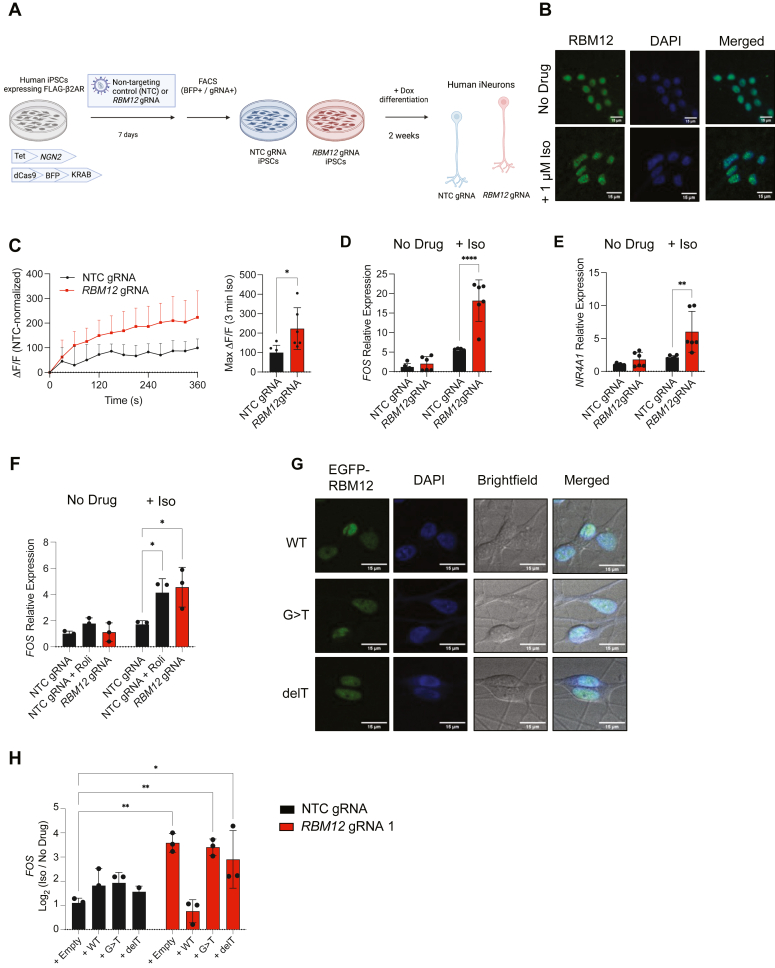
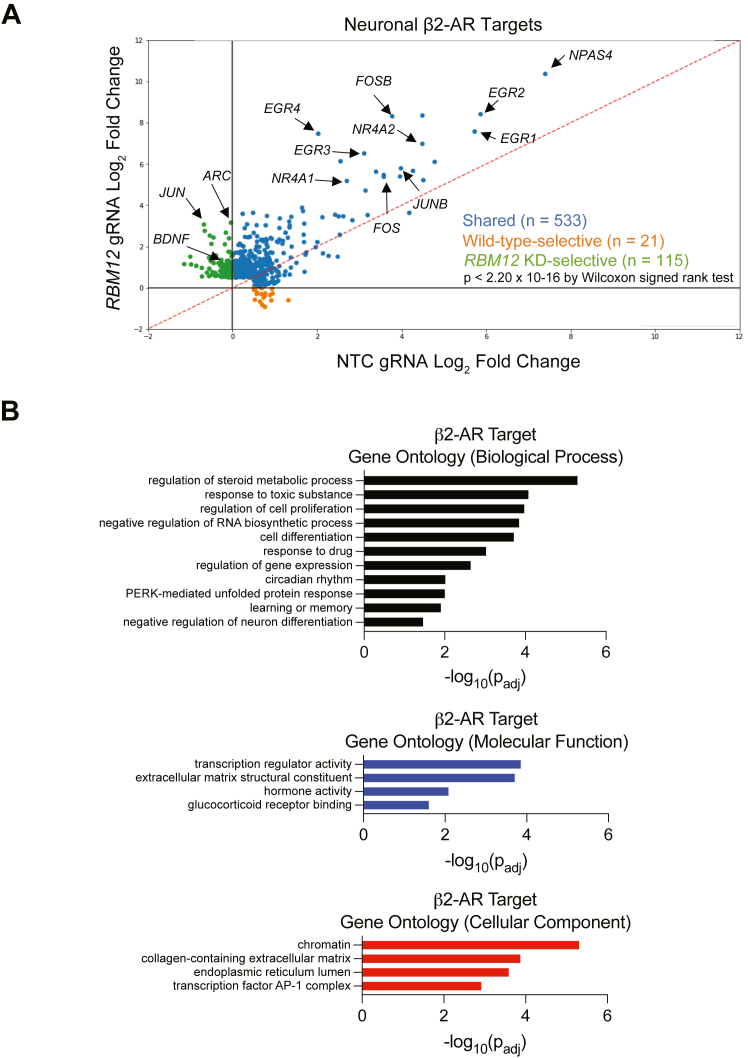
RBM12 is a high-penetrance risk factor for familial schizophrenia and psychosis, yet its precise cellular functions and the pathways to which it belongs are not known. We utilize two complementary models, HEK293 cells and human iPSC-derived neurons, and delineate RBM12 as a novel repressor of the G protein-coupled receptor/cAMP/PKA (GPCR/cAMP/PKA) signaling axis. We establish that loss of RBM12 leads to hyperactive cAMP production and increased PKA activity as well as altered neuronal transcriptional responses to GPCR stimulation. Notably, the cAMP and transcriptional signaling steps are subject to discrete RBM12-dependent regulation. We further demonstrate that the two RBM12 truncating variants linked to familial psychosis impact this interplay, as the mutants fail to rescue GPCR/cAMP signaling hyperactivity in cells depleted of RBM12. Lastly, we present a mechanism underlying the impaired signaling phenotypes. In agreement with its activity as an RNA-binding protein, loss of RBM12 leads to altered gene expression, including that of multiple effectors of established significance within the receptor pathway. Specifically, the abundance of adenylyl cyclases, phosphodiesterase isoforms, and PKA regulatory and catalytic subunits is impacted by RBM12 depletion. We note that these expression changes are fully consistent with the entire gamut of hyperactive signaling outputs. In summary, the current study identifies a previously unappreciated role for RBM12 in the context of the GPCR-cAMP pathway that could be explored further as a tentative molecular mechanism underlying the functions of this factor in neuronal physiology and pathophysiology.
RBM12 是家族性精神分裂症和精神病的高外显率风险因素,但它的确切细胞功能和所属途径尚不清楚。我们利用两种互补模型,即 HEK293 细胞和人诱导多能干细胞衍生的神经元,并将 RBM12 描绘为 G 蛋白偶联受体/cAMP/蛋白激酶 A(GPCR/cAMP/蛋白激酶 A)信号轴的新型抑制剂。我们确定 RBM12 的缺失会导致 cAMP 产生过度活跃和蛋白激酶 A 活性增加,以及改变神经元对 GPCR 刺激的转录反应。值得注意的是,cAMP 和转录信号步骤受到离散的 RBM12 依赖性调节。我们进一步证明,与家族性精神病相关的两种 RBM12 截断变体影响这种相互作用,因为突变体不能挽救 RBM12 耗尽的细胞中 GPCR/cAMP 信号的过度活跃。最后,我们提出了一个受损信号表型的机制。与它作为 RNA 结合蛋白的活性一致,RBM12 的缺失会导致基因表达改变,包括受体途径中多个已确立的效应物的表达。具体来说,腺苷酸环化酶、磷酸二酯酶同工型以及蛋白激酶 A 调节亚基和催化亚基的丰度受 RBM12 耗尽的影响。我们注意到,这些表达变化与整个过度活跃的信号输出完全一致。总之,本研究确定了 RBM12 在 GPCR-cAMP 途径中的一个以前未被认识到的作用,这可以作为该因子在神经元生理学和病理生理学中的功能的一个暂定分子机制进一步探索。