Department of Nursing, Shanghai Ninth People's Hospital, Shanghai JiaoTong University School of Medicine, Shanghai, China.
School of Nursing, Shanghai JiaoTong University, Shanghai, China.
J Orthop Surg Res. 2023 Aug 5;18(1):573. doi: 10.1186/s13018-023-03980-6.
Lower limb swelling after total knee arthroplasty (TKA) hinders surgical effectiveness. The poor results of studies on swelling interventions are due to the lack of a classification of swelling causes through appropriate medical tests. A gold standard is missing. This study aimed to clarify the causes of TKA postoperative swelling and how to identify them through indicators and medical tests by consulting a wide range of experts from multiple disciplines.
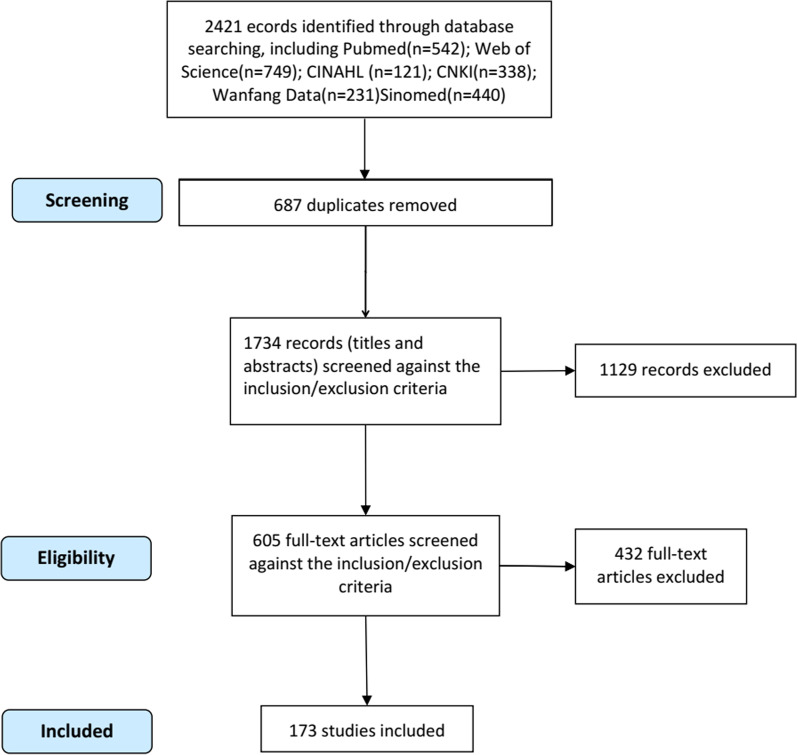
The Delphi method was used. A first draft of the index was prepared based on a systematic search of the literature. A total of 11 experts from several disciplines were invited to evaluate the rationality of the indicators and suggest modifications. After two rounds of consultation, the experts reached a consensus, and the consultation was stopped.
The response rate of the 11 experts was 100%, and the authoritative Cr was 0.896. Kendall's W values for opinion coordination of the two rounds of consultation were 0.262 and 0.226, respectively (P < 0.001). Among the final indicators, there were 4 primary indicators for swelling cause classification (inflammatory response, poor venous return, joint hematoma, muscle damage, and healing), 19 secondary and 19 tertiary indicators.
The indications obtained by systematic literature review and multidisciplinary expert consultation are reliable and scientific. Multiple causes of lower extremity swelling after TKA were identified. Blood test indicators can reflect an inflammatory response, suggest poor venous return, and reflect muscle damage and healing progress. Ultrasound scans are needed to identify underlying thrombotic or valvular problems, joint hematomas, and muscle damage. These tests help clinicians and researchers determine the cause of swelling after TKA and take appropriate management.
全膝关节置换术后(TKA)下肢肿胀会影响手术效果。肿胀干预研究结果不佳的原因是缺乏通过适当的医学检查对肿胀原因进行分类。目前尚无金标准。本研究旨在通过咨询来自多个学科的广泛专家,阐明 TKA 术后肿胀的原因,并通过指标和医学检查来确定其原因。
采用德尔菲法。根据系统检索文献,编写了指标的初稿。共邀请了来自多个学科的 11 位专家对指标的合理性进行评估,并提出修改建议。经过两轮咨询,专家们达成了共识,咨询停止。
11 位专家的回复率为 100%,权威性 Cr 为 0.896。两轮咨询意见协调的 Kendall's W 值分别为 0.262 和 0.226(P<0.001)。在最终的指标中,有 4 个肿胀原因分类的主要指标(炎症反应、静脉回流不良、关节血肿、肌肉损伤和愈合),19 个次要指标和 19 个三级指标。
通过系统文献回顾和多学科专家咨询获得的指标可靠且科学。确定了 TKA 后下肢肿胀的多种原因。血液检查指标可反映炎症反应,提示静脉回流不良,并反映肌肉损伤和愈合进展。需要进行超声扫描以确定潜在的血栓或瓣膜问题、关节血肿和肌肉损伤。这些检查有助于临床医生和研究人员确定 TKA 后肿胀的原因,并采取适当的治疗措施。