Yadav Vikas, Mohan Riya, Sun Sheng, Heitman Joseph
Department of Molecular Genetics and Microbiology, Duke University Medical Center, Durham, NC 27710, USA.
bioRxiv. 2024 Jan 13:2023.07.25.550548. doi: 10.1101/2023.07.25.550548.
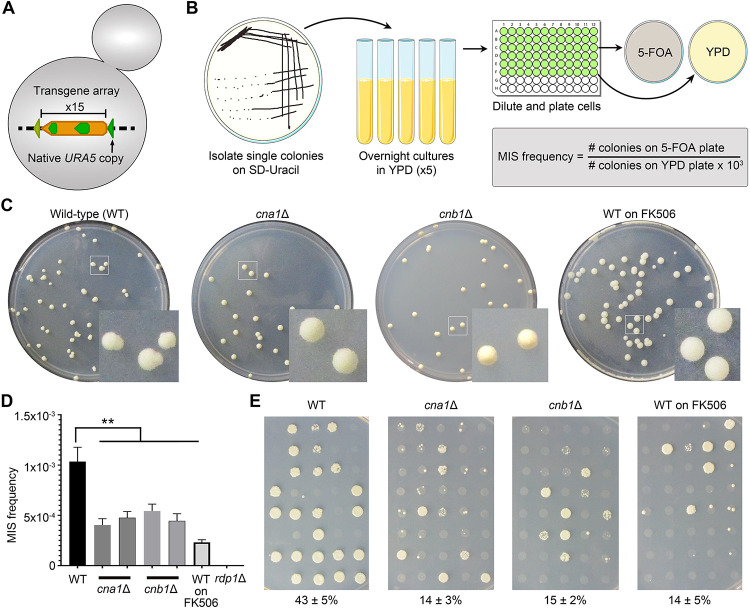
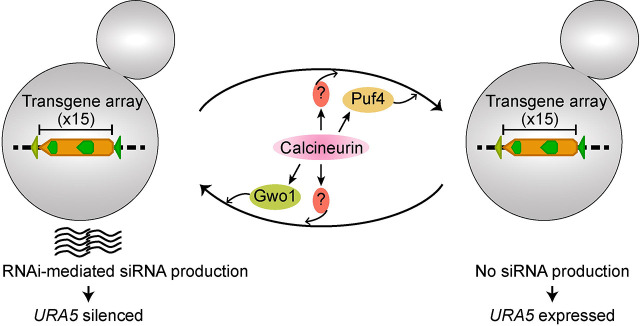
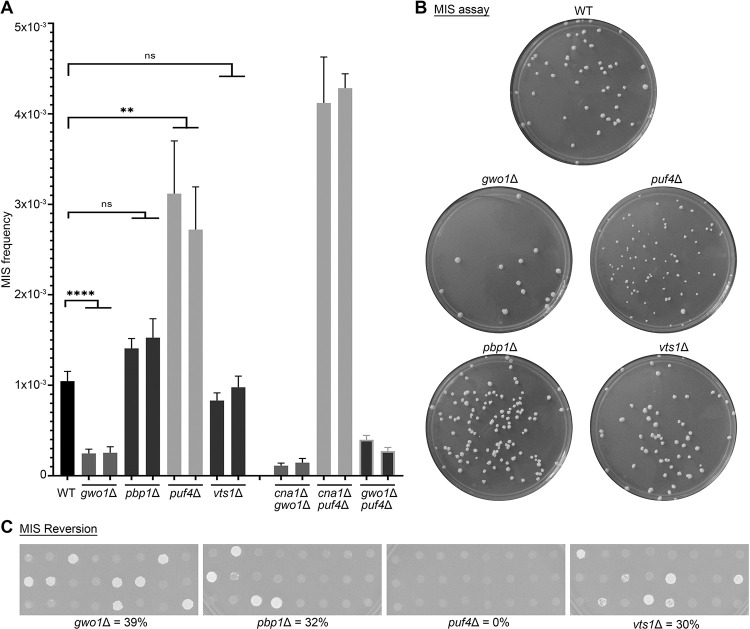
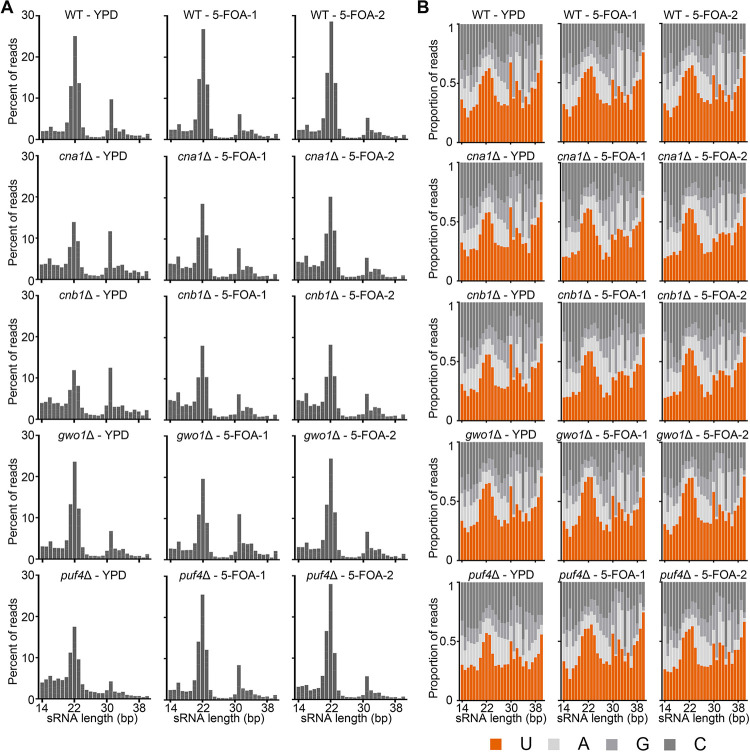
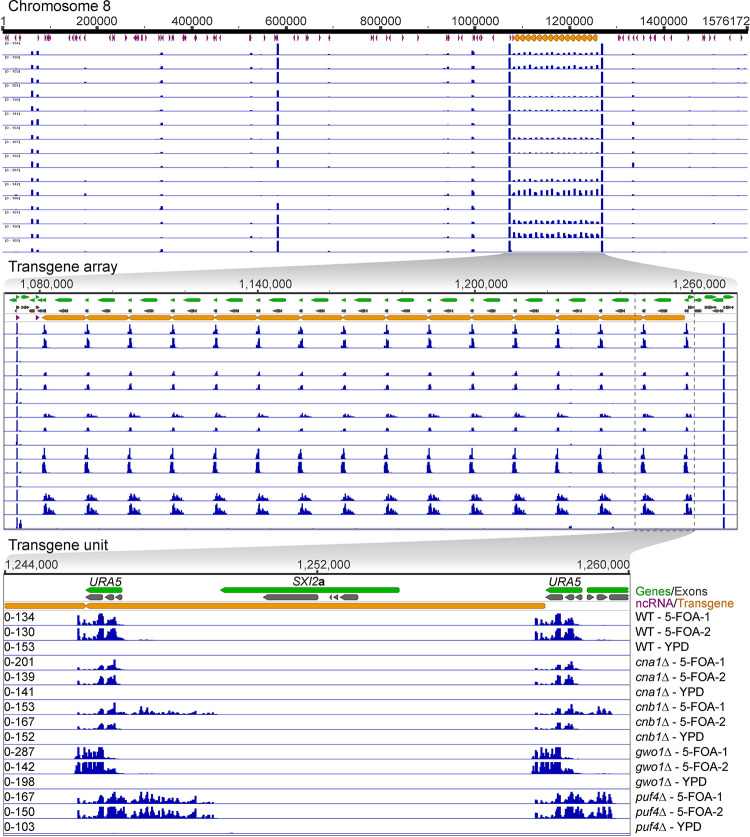
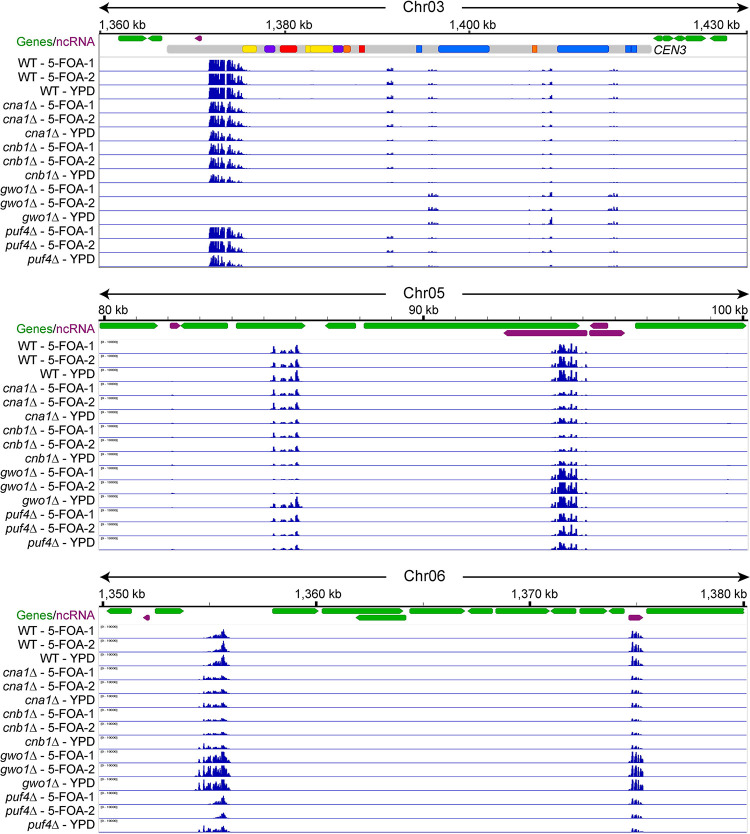
Adaptation to external environmental challenges at the cellular level requires rapid responses and involves relay of information to the nucleus to drive key gene expression changes through downstream transcription factors. Here, we describe an alternative route of adaptation through a direct role for cellular signaling components in governing gene expression via RNA interference-mediated small RNA production. Calcium-calcineurin signaling is a highly conserved signaling cascade that plays central roles in stress adaptation and virulence of eukaryotic pathogens, including the human fungal pathogen . Upon activation in , calcineurin localizes to P-bodies, membrane-less organelles that are also the site for RNA processing. Here, we studied the role of calcineurin and its substrates in RNAi-mediated transgene silencing. Our results reveal that calcineurin regulates both the onset and the reversion of transgene silencing. We found that some calcineurin substrates that localize to P-bodies also regulate transgene silencing but in opposing directions. Small RNA sequencing in mutants lacking calcineurin or its targets revealed a role for calcineurin in small RNA production. Interestingly, the impact of calcineurin and its substrates was found to be different in genome-wide analysis, suggesting that calcineurin may regulate small RNA production in through additional pathways. Overall, these findings define a mechanism by which signaling machinery induced by external stimuli can directly alter gene expression to accelerate adaptative responses and contribute to genome defense.
在细胞水平上适应外部环境挑战需要快速反应,并涉及将信息传递至细胞核,以通过下游转录因子驱动关键基因表达的变化。在此,我们描述了一种通过细胞信号转导成分在RNA干扰介导的小RNA产生过程中直接调控基因表达的方式来实现适应的替代途径。钙调神经磷酸酶信号传导是一种高度保守的信号级联反应,在包括人类真菌病原体在内的真核病原体的应激适应和毒力方面发挥着核心作用。在[具体细胞类型或环境]中被激活后,钙调神经磷酸酶定位于P小体,P小体是无膜细胞器,也是RNA加工的场所。在此,我们研究了钙调神经磷酸酶及其底物在RNA干扰介导的转基因沉默中的作用。我们的结果表明,钙调神经磷酸酶既调节转基因沉默的起始,也调节其逆转。我们发现,一些定位于P小体的钙调神经磷酸酶底物也调节转基因沉默,但方向相反。在缺乏钙调神经磷酸酶或其靶点的突变体中进行的小RNA测序揭示了钙调神经磷酸酶在小RNA产生中的作用。有趣的是,在全基因组分析中发现钙调神经磷酸酶及其底物的影响不同,这表明钙调神经磷酸酶可能通过其他途径调节[具体物种或细胞类型]中的小RNA产生。总体而言,这些发现定义了一种机制,通过该机制外部刺激诱导的信号传导机制可以直接改变基因表达,以加速适应性反应并有助于基因组防御。