Center for Transplantation Sciences, Department of Surgery, Massachusetts General Hospital/Harvard Medical School, Boston, Massachusetts, USA.
Department of Pathology, Massachusetts General Hospital/Harvard Medical School, Boston, Massachusetts, USA.
Xenotransplantation. 2023 Jul-Aug;30(4):e12816. doi: 10.1111/xen.12816. Epub 2023 Aug 7.
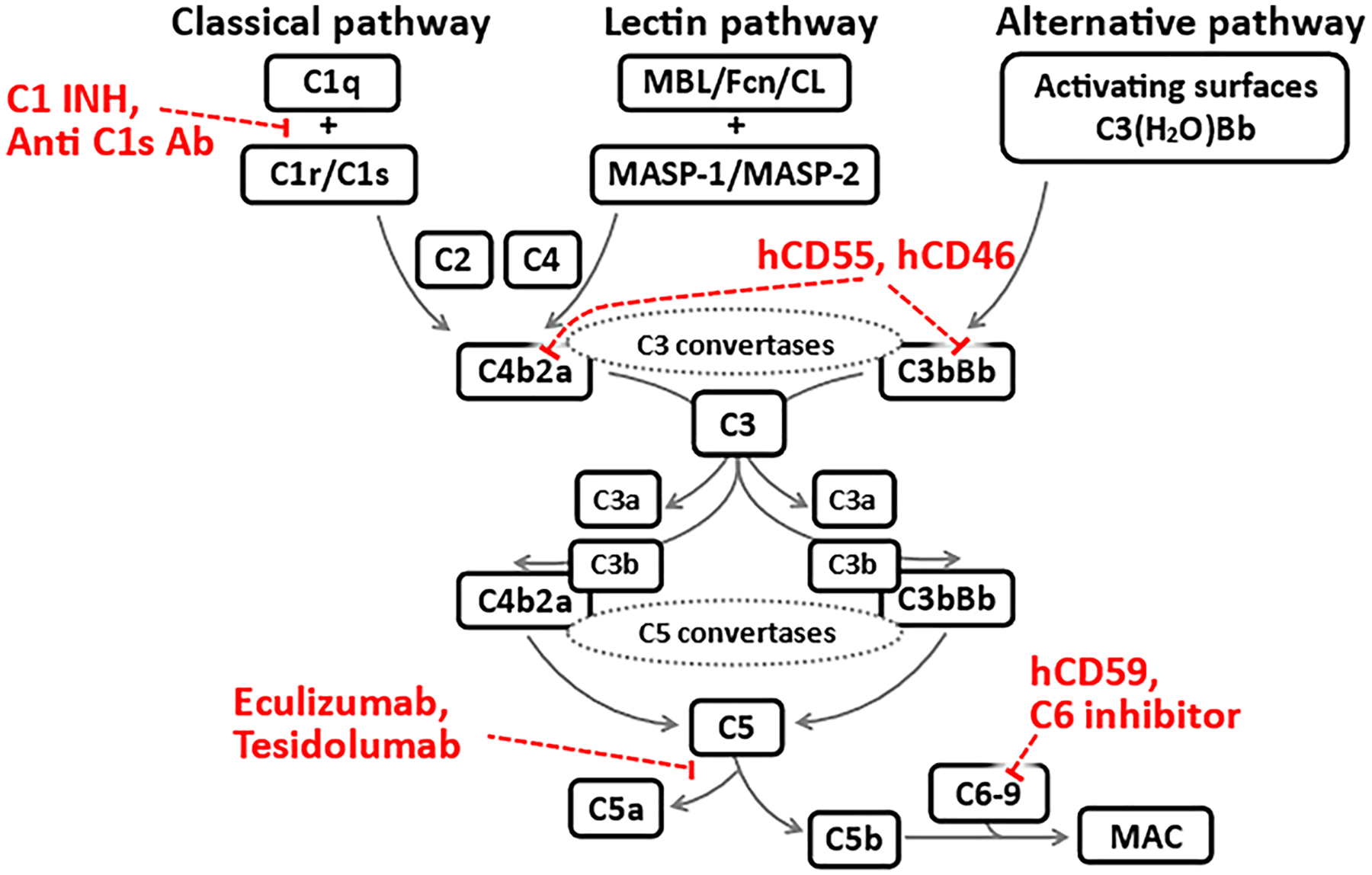
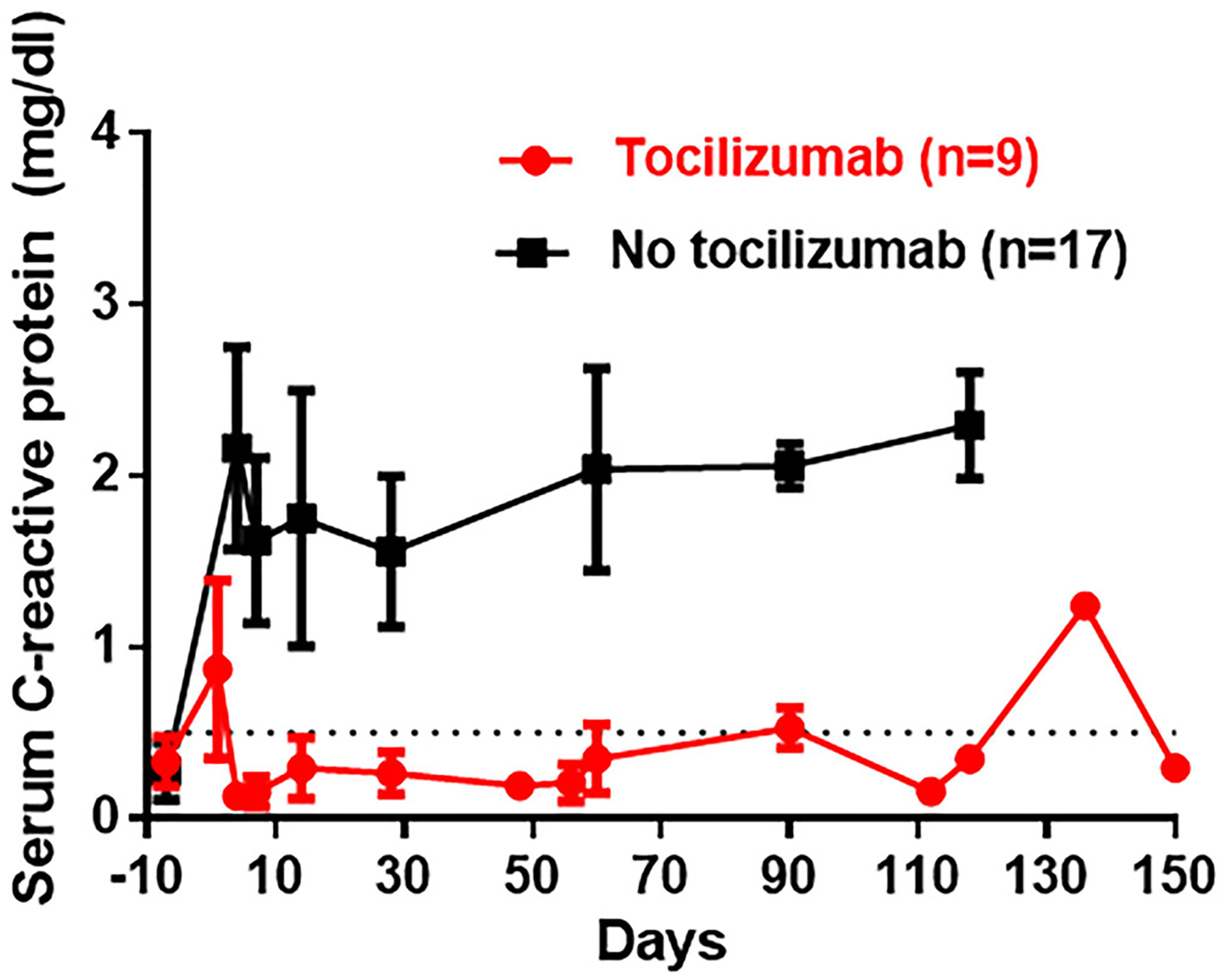
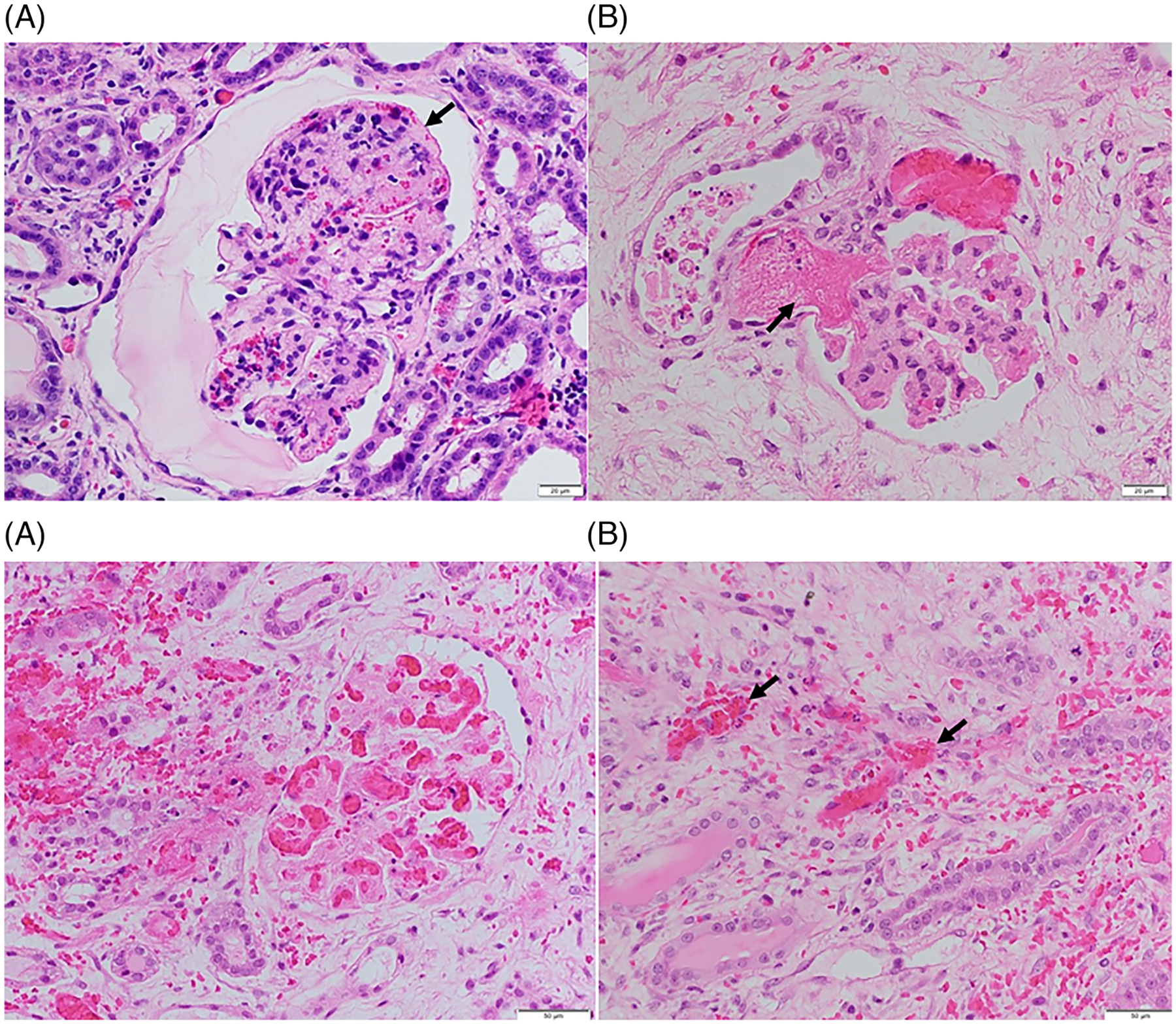
Antibody-mediated rejection (AMR) is the commonest cause of failure of a pig graft after transplantation into an immunosuppressed nonhuman primate (NHP). The incidence of AMR compared to acute cellular rejection is much higher in xenotransplantation (46% vs. 7%) than in allotransplantation (3% vs. 63%) in NHPs. Although AMR in an allograft can often be reversed, to our knowledge there is no report of its successful reversal in a pig xenograft. As there is less experience in preventing or reversing AMR in models of xenotransplantation, the results of studies in patients with allografts provide more information. These include (i) depletion or neutralization of serum anti-donor antibodies, (ii) inhibition of complement activation, (iii) therapies targeting B or plasma cells, and (iv) anti-inflammatory therapy. Depletion or neutralization of anti-pig antibody, for example, by plasmapheresis, is effective in depleting antibodies, but they recover within days. IgG-degrading enzymes do not deplete IgM. Despite the expression of human complement-regulatory proteins on the pig graft, inhibition of systemic complement activation may be necessary, particularly if AMR is to be reversed. Potential therapies include (i) inhibition of complement activation (e.g., by IVIg, C1 INH, or an anti-C5 antibody), but some complement inhibitors are not effective in NHPs, for example, eculizumab. Possible B cell-targeted therapies include (i) B cell depletion, (ii) plasma cell depletion, (iii) modulation of B cell activation, and (iv) enhancing the generation of regulatory B and/or T cells. Among anti-inflammatory agents, anti-IL6R mAb and TNF blockers are increasingly being tested in xenotransplantation models, but with no definitive evidence that they reverse AMR. Increasing attention should be directed toward testing combinations of the above therapies. We suggest that treatment with a systemic complement inhibitor is likely to be most effective, possibly combined with anti-inflammatory agents (if these are not already being administered). Ultimately, it may require further genetic engineering of the organ-source pig to resolve the problem entirely, for example, knockout or knockdown of SLA, and/or expression of PD-L1, HLA E, and/or HLA-G.
抗体介导的排斥反应(AMR)是猪移植物移植到免疫抑制的非人类灵长类动物(NHP)后失败的最常见原因。与急性细胞排斥反应相比,异种移植(46%比 7%)中 AMR 的发生率远高于同种异体移植(3%比 63%)。尽管同种异体移植物中的 AMR 通常可以逆转,但据我们所知,在猪异种移植物中没有成功逆转的报道。由于在异种移植模型中预防或逆转 AMR 的经验较少,因此同种异体移植物患者研究的结果提供了更多信息。这些措施包括:(i)耗尽或中和血清抗供体抗体,(ii)抑制补体激活,(iii)针对 B 细胞或浆细胞的治疗,以及(iv)抗炎治疗。例如,通过血浆置换耗尽或中和抗猪抗体可有效耗尽抗体,但它们会在数天内恢复。IgG 降解酶不会耗尽 IgM。尽管猪移植物上表达了人类补体调节蛋白,但可能需要抑制全身补体激活,特别是如果要逆转 AMR。潜在的治疗方法包括:(i)抑制补体激活(例如,通过 IVIg、C1INH 或抗 C5 抗体),但一些补体抑制剂在 NHP 中无效,例如依库珠单抗。可能的 B 细胞靶向治疗方法包括:(i)B 细胞耗竭,(ii)浆细胞耗竭,(iii)调节 B 细胞激活,以及(iv)增强调节性 B 和/或 T 细胞的生成。在抗炎药物中,抗 IL6R mAb 和 TNF 阻滞剂在异种移植模型中越来越多地被测试,但没有明确证据表明它们可以逆转 AMR。应该越来越关注测试上述疗法的组合。我们建议,全身性补体抑制剂的治疗可能最有效,可能与抗炎药物联合使用(如果尚未使用这些药物)。最终,可能需要进一步对器官来源猪进行基因工程改造,以完全解决该问题,例如,敲除或敲低 SLA,以及/或表达 PD-L1、HLA E 和/或 HLA-G。