Dr. B. R. Ambedkar Center for Biomedical Research, University of Delhi, Delhi, 110007, India.
Department of Biosciences and Bioengineering, IIT Roorkee, Roorkee, 247667, Uttarakhand, India.
Sci Rep. 2023 Aug 11;13(1):13071. doi: 10.1038/s41598-023-40291-6.
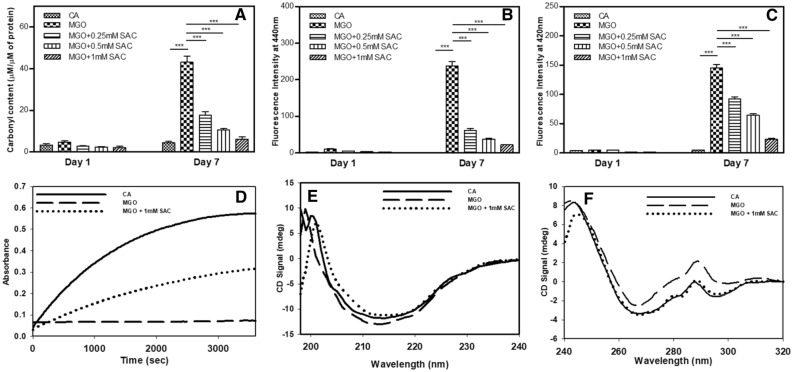
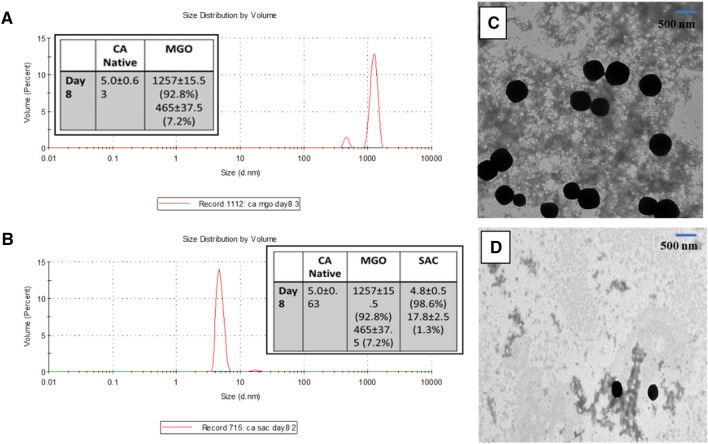
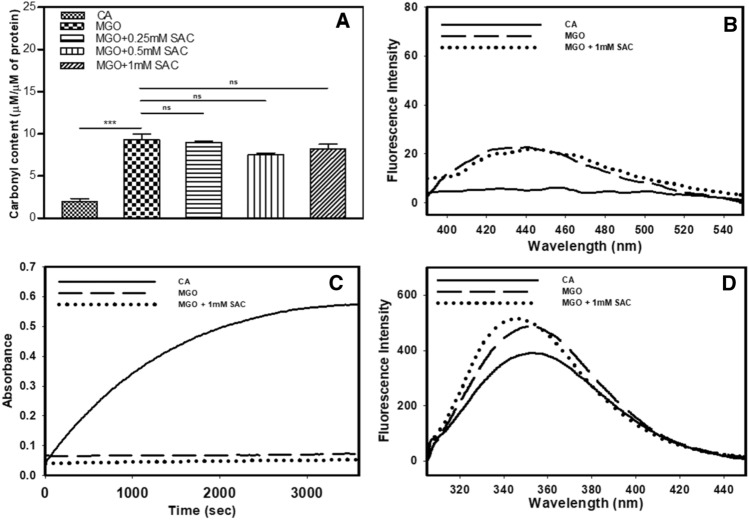
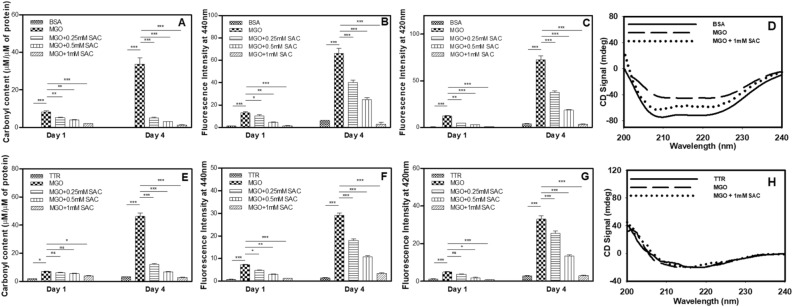
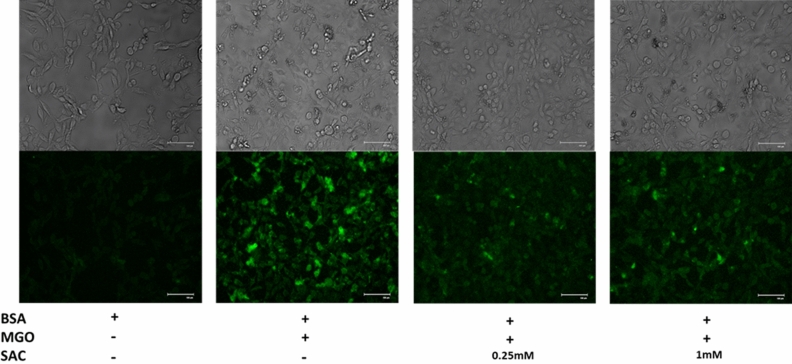
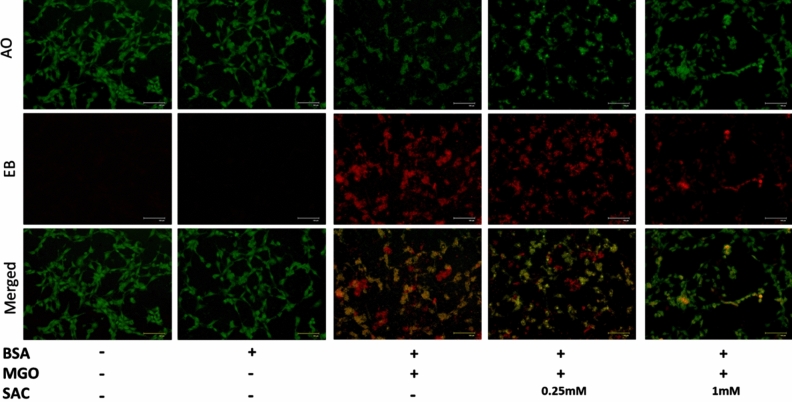
Diabetes, characterized by high blood glucose level, is a progressive metabolic disease that leads to serious health complications. One of the major pathological consequences associated with diabetes is the accumulation of highly reactive carbonyl compounds called advanced glycation end products (AGEs). Most of the AGEs are dicarbonyls and have the potential to covalently modify proteins especially at the lysine residues in a non-enzymatic fashion (a process termed as glycation) resulting in the functional impairment and/or toxic gain in function. Therefore, non-toxic small molecules that can inhibit glycation are of interest for the therapeutic intervention of diabetes. In the present communication, we have investigated the effect of organosulfurs (S-allyl cysteine, SAC and N-acetyl cysteine, NAC) that are major principal components of Allium sativa against the glycation of different proteins. We discovered that both SAC and NAC are potent anti-glycating agents. We also found that both SAC and NAC reduce ROS level and inhibit apoptosis caused by protein glycation.
糖尿病的特征是高血糖水平,是一种进行性代谢疾病,可导致严重的健康并发症。与糖尿病相关的主要病理后果之一是积累称为晚期糖基化终产物 (AGEs) 的高反应性羰基化合物。大多数 AGEs 是二羰基化合物,具有以非酶方式共价修饰蛋白质(特别是赖氨酸残基)的潜力(称为糖基化的过程),导致功能障碍和/或功能毒性增加。因此,能够抑制糖基化的无毒小分子是糖尿病治疗干预的关注点。在本通讯中,我们研究了有机硫(S-烯丙基半胱氨酸,SAC 和 N-乙酰半胱氨酸,NAC)作为葱属植物的主要成分对不同蛋白质糖基化的影响。我们发现 SAC 和 NAC 都是有效的抗糖基化剂。我们还发现 SAC 和 NAC 均可降低由蛋白质糖基化引起的 ROS 水平并抑制细胞凋亡。