
髓外多发性骨髓瘤患者骨髓和血浆的蛋白质组学与代谢组学分析确定了独特的蛋白质和代谢物特征。
Proteomic and Metabolomic Analysis of Bone Marrow and Plasma from Patients with Extramedullary Multiple Myeloma Identifies Distinct Protein and Metabolite Signatures.
作者信息
Dunphy Katie, Bazou Despina, Henry Michael, Meleady Paula, Miettinen Juho J, Heckman Caroline A, Dowling Paul, O'Gorman Peter
机构信息
Department of Biology, Maynooth University, W23 F2K8 Kildare, Ireland.
Department of Haematology, Mater Misericordiae University Hospital, D07 AX57 Dublin, Ireland.
出版信息
Cancers (Basel). 2023 Jul 25;15(15):3764. doi: 10.3390/cancers15153764.
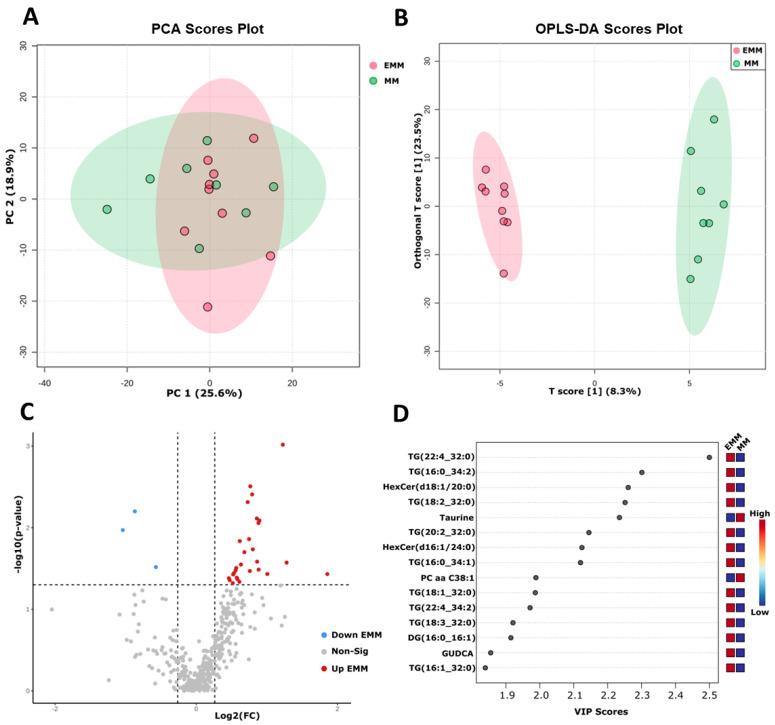
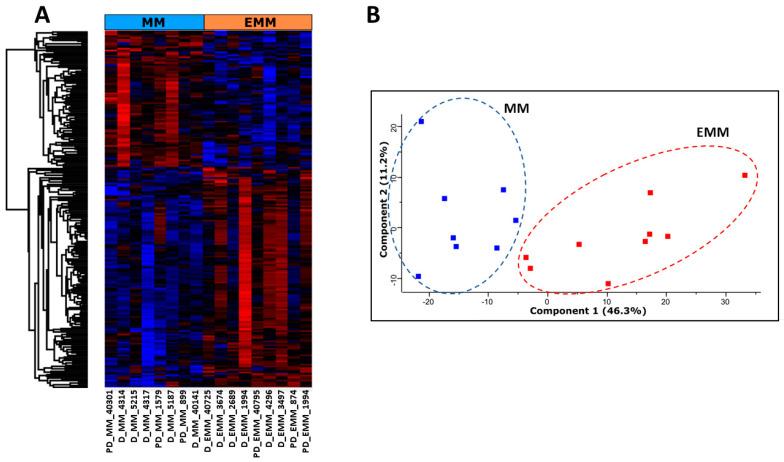
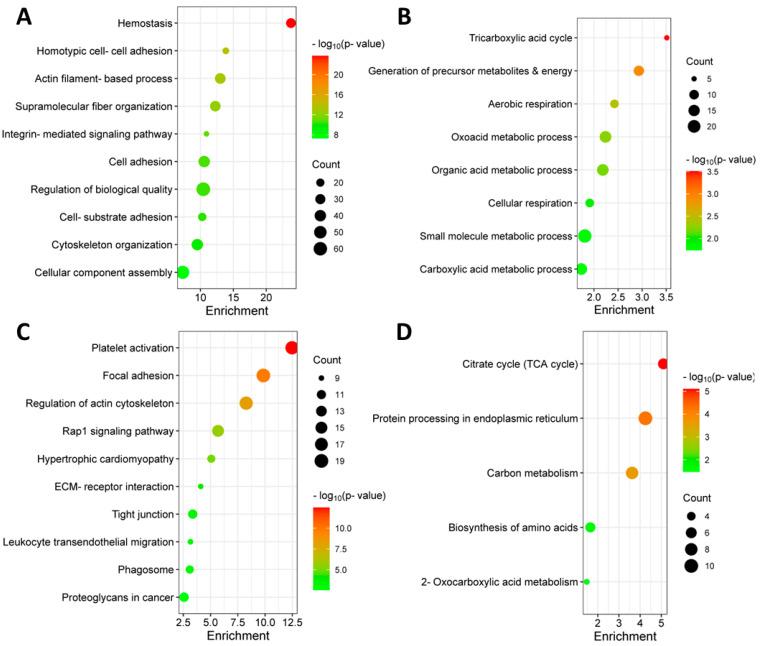
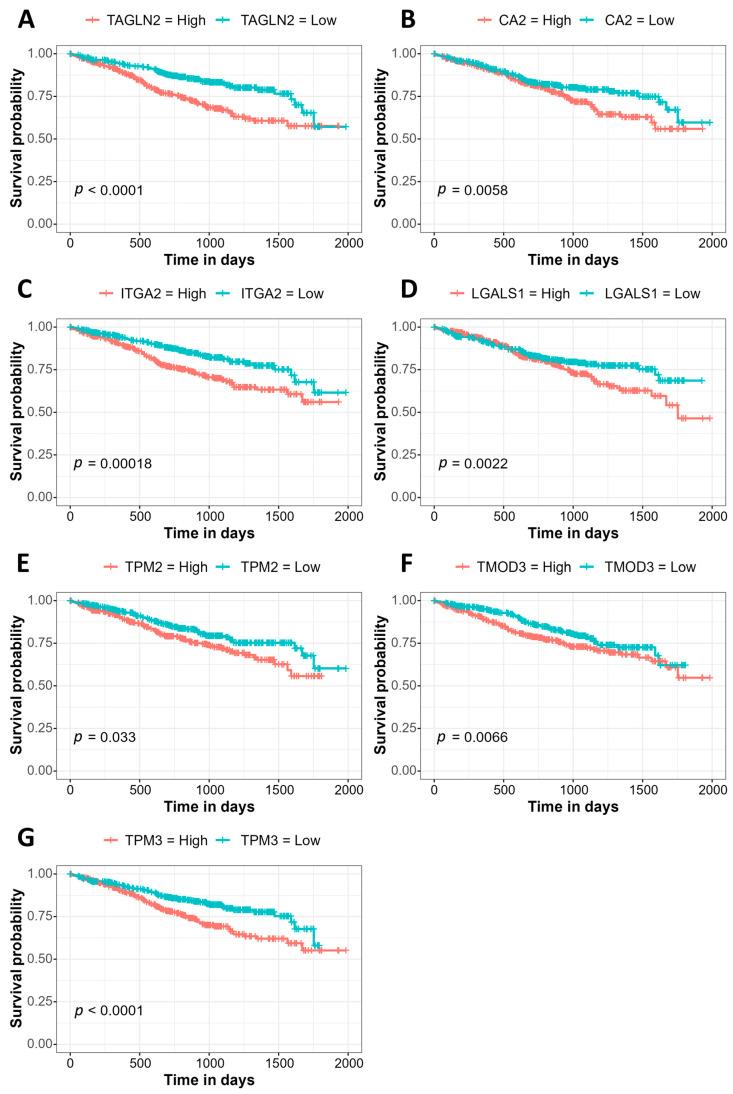
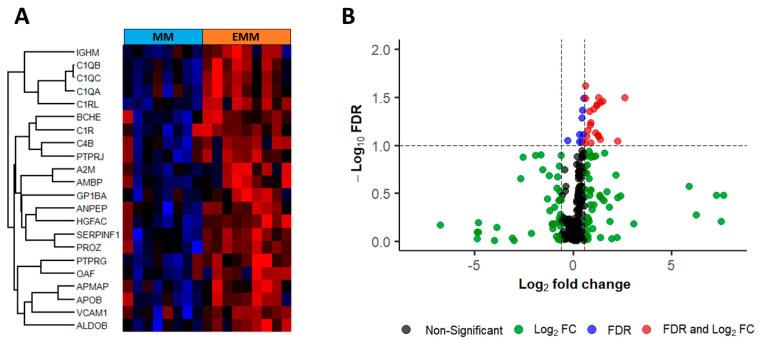
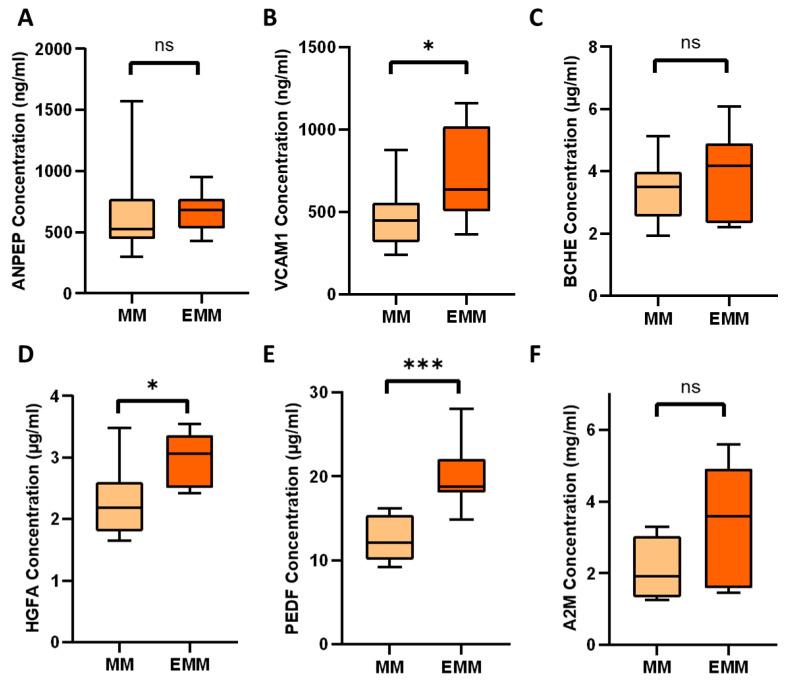
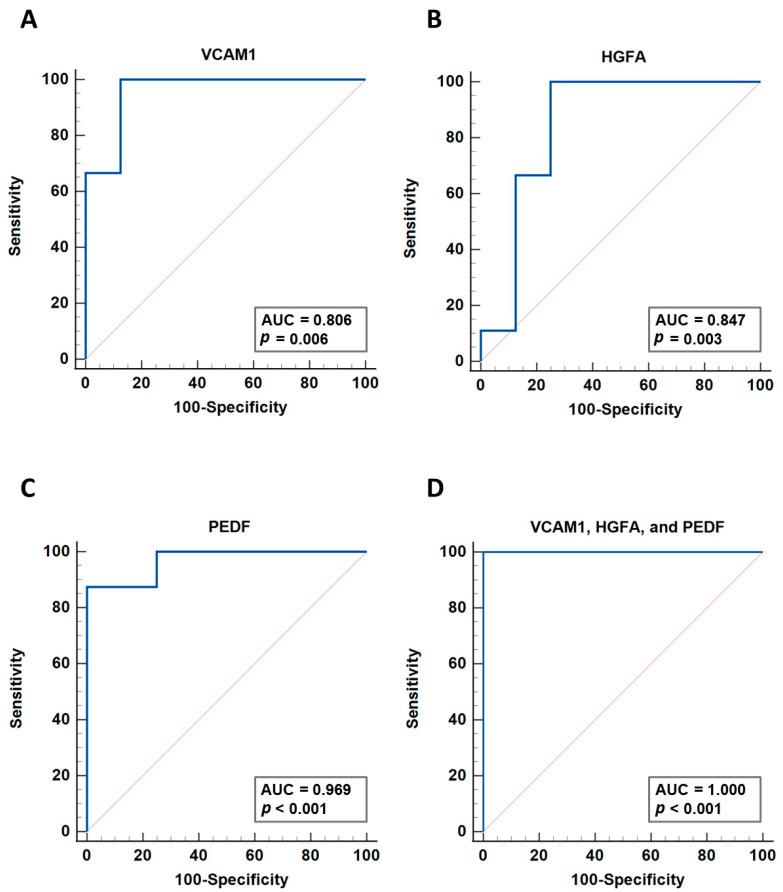
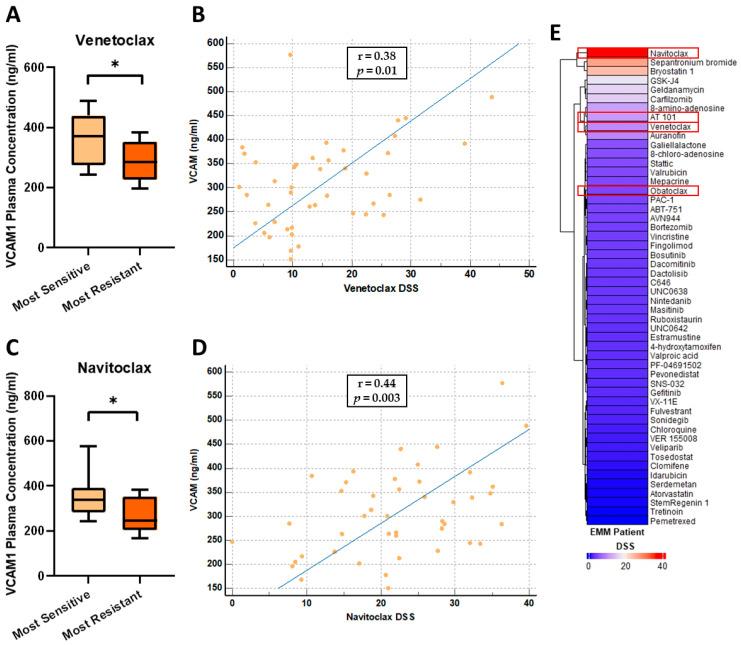
Multiple myeloma (MM) is an incurable haematological malignancy of plasma cells in the bone marrow. In rare cases, an aggressive form of MM called extramedullary multiple myeloma (EMM) develops, where myeloma cells enter the bloodstream and colonise distal organs or soft tissues. This variant is associated with refractoriness to conventional therapies and a short overall survival. The molecular mechanisms associated with EMM are not yet fully understood. Here, we analysed the proteome of bone marrow mononuclear cells and blood plasma from eight patients (one serial sample) with EMM and eight patients without extramedullary spread. The patients with EMM had a significantly reduced overall survival with a median survival of 19 months. Label-free mass spectrometry revealed 225 proteins with a significant differential abundance between bone marrow mononuclear cells (BMNCs) isolated from patients with MM and EMM. This plasma proteomics analysis identified 22 proteins with a significant differential abundance. Three proteins, namely vascular cell adhesion molecule 1 (VCAM1), pigment epithelium derived factor (PEDF), and hepatocyte growth factor activator (HGFA), were verified as the promising markers of EMM, with the combined protein panel showing excellent accuracy in distinguishing EMM patients from MM patients. Metabolomic analysis revealed a distinct metabolite signature in EMM patient plasma compared to MM patient plasma. The results provide much needed insight into the phenotypic profile of EMM and in identifying promising plasma-derived markers of EMM that may inform novel drug development strategies.
多发性骨髓瘤(MM)是一种无法治愈的骨髓浆细胞血液系统恶性肿瘤。在罕见情况下,会发展出一种侵袭性形式的MM,称为髓外多发性骨髓瘤(EMM),此时骨髓瘤细胞进入血液循环并在远端器官或软组织中定植。这种变体与对传统疗法的难治性和较短的总生存期相关。与EMM相关的分子机制尚未完全了解。在这里,我们分析了8例EMM患者(1例连续样本)和8例无髓外扩散患者的骨髓单核细胞和血浆的蛋白质组。EMM患者的总生存期显著缩短,中位生存期为19个月。无标记质谱分析显示,从MM和EMM患者分离的骨髓单核细胞(BMNCs)之间有225种蛋白质存在显著的丰度差异。这种血浆蛋白质组学分析鉴定出22种存在显著丰度差异的蛋白质。三种蛋白质,即血管细胞粘附分子1(VCAM1)、色素上皮衍生因子(PEDF)和肝细胞生长因子激活剂(HGFA),被证实是EMM的有前景的标志物,联合蛋白质组在区分EMM患者和MM患者方面显示出优异的准确性。代谢组学分析显示,与MM患者血浆相比,EMM患者血浆中有独特的代谢物特征。这些结果为深入了解EMM的表型特征以及识别有前景的EMM血浆衍生标志物提供了急需的见解,这些标志物可能为新的药物开发策略提供信息。
 Zotero 插件