Iberoamerican Cochrane Centre, Biomedical Research Institute Sant Pau (IIB Sant Pau), Barcelona, Spain.
CIBER Epidemiología Y Salud Pública (CIBERESP), Barcelona, Spain.
BMC Cancer. 2023 Aug 12;23(1):748. doi: 10.1186/s12885-023-11207-4.
Patients with advanced pancreatic cancer have a poor prognosis and high burden of cancer-related symptoms. It is necessary to assess the trade-off of clinical benefits and possible harms of treatments with anticancer drugs (TAD). This systematic review aims to compare the effectiveness of TAD versus supportive care or no treatment, considering all patient-important outcomes.
We searched PubMed, Embase, Cochrane Library, and Epistemonikos. Two reviewers performed selection, data extraction and risk of bias assessment. We assessed certainty of the evidence using the GRADE approach.
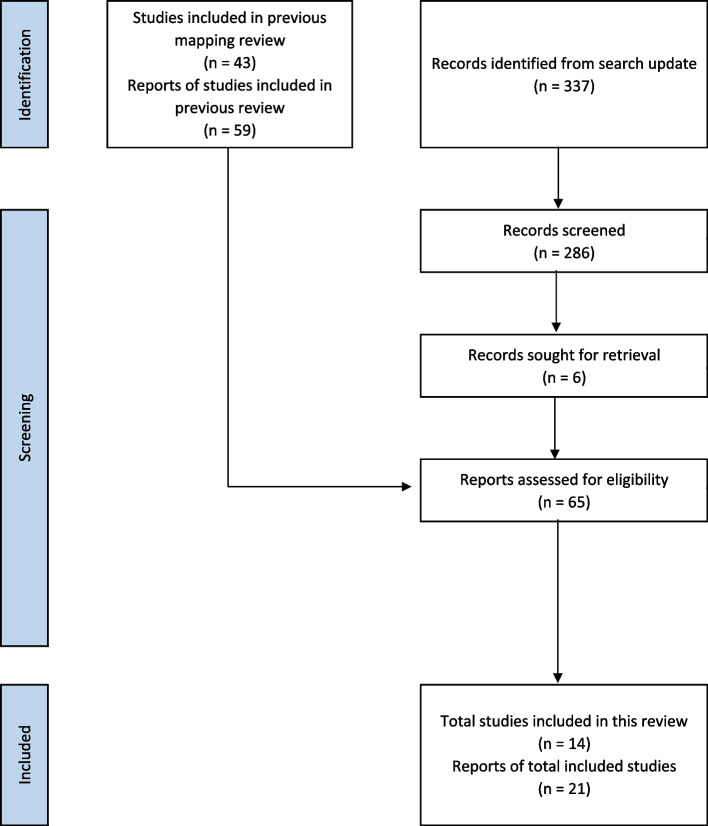
We included 14 randomised controlled trials. Chemotherapy may result in a slight increase in overall survival (MD: 2.97 months (95%CI 1.23, 4.70)) and fewer hospital days (MD: -6.7 (-8.3, -5.1)), however, the evidence is very uncertain about its effect on symptoms, quality of life, functional status, and adverse events. Targeted/biological therapy may result in little to no difference in overall survival and a slight increment in progression-free survival (HR: 0.83 (95%CI 0.63, 1.10)), but probably results in more adverse events (RR: 5.54 (95%CI 1.24, 23.97)). The evidence is very uncertain about the effect of immunotherapy in overall survival and functional status.
The evidence is very uncertain about whether the benefits of using treatment with anticancer drugs outweigh their risks for patients with advanced pancreatic cancer. This uncertainty is further highlighted when considering immunotherapy or a second line of chemotherapy and thus, best supportive care would be an appropriate alternative. Future studies should assess their impact on all patient-important outcomes to inform patients in setting their goals of care.
晚期胰腺癌患者预后较差,癌症相关症状负担较重。有必要评估抗癌药物治疗(TAD)的临床获益与潜在危害之间的权衡。本系统评价旨在比较 TAD 与支持性护理或不治疗的疗效,同时考虑所有患者重要结局。
我们检索了 PubMed、Embase、Cochrane 图书馆和 Epistemonikos。两名评审员进行了选择、数据提取和偏倚风险评估。我们使用 GRADE 方法评估证据的确定性。
我们纳入了 14 项随机对照试验。化疗可能略微增加总生存期(MD:2.97 个月(95%CI 1.23,4.70))和减少住院天数(MD:-6.7(-8.3,-5.1)),但对症状、生活质量、功能状态和不良事件的影响证据非常不确定。靶向/生物治疗可能对总生存期没有差异或略微增加无进展生存期(HR:0.83(95%CI 0.63,1.10)),但可能导致更多的不良事件(RR:5.54(95%CI 1.24,23.97))。免疫治疗对总生存期和功能状态的影响证据非常不确定。
对于晚期胰腺癌患者,使用抗癌药物治疗的获益是否超过其风险,证据非常不确定。当考虑免疫治疗或二线化疗时,这种不确定性更加突出,因此最佳支持性护理可能是一种合适的替代方案。未来的研究应评估它们对所有患者重要结局的影响,以便为患者设定治疗目标提供信息。