School of Life Science and Technology, China Pharmaceutical University, Nanjing, Jiangsu, China.
Jiangsu Cell Tech Medical Research Institute, Nanjing, Jiangsu, China.
J Immunother Cancer. 2023 Aug;11(8). doi: 10.1136/jitc-2023-007199.
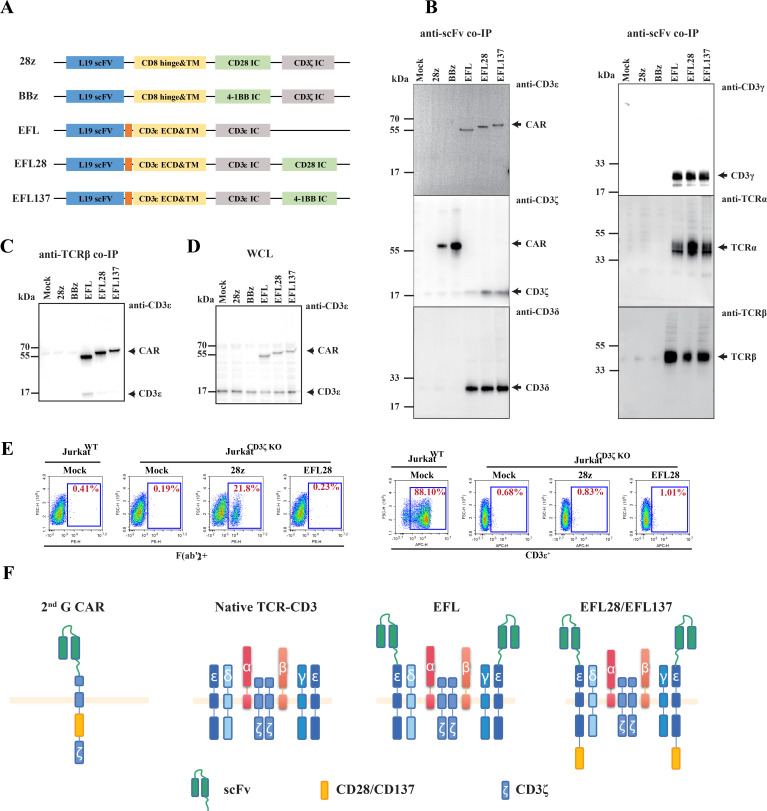
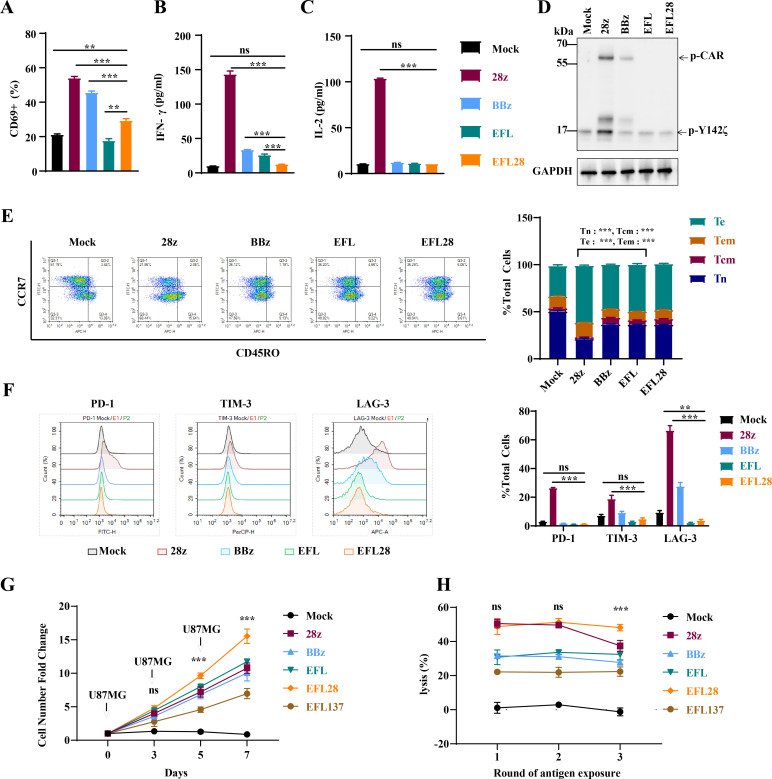
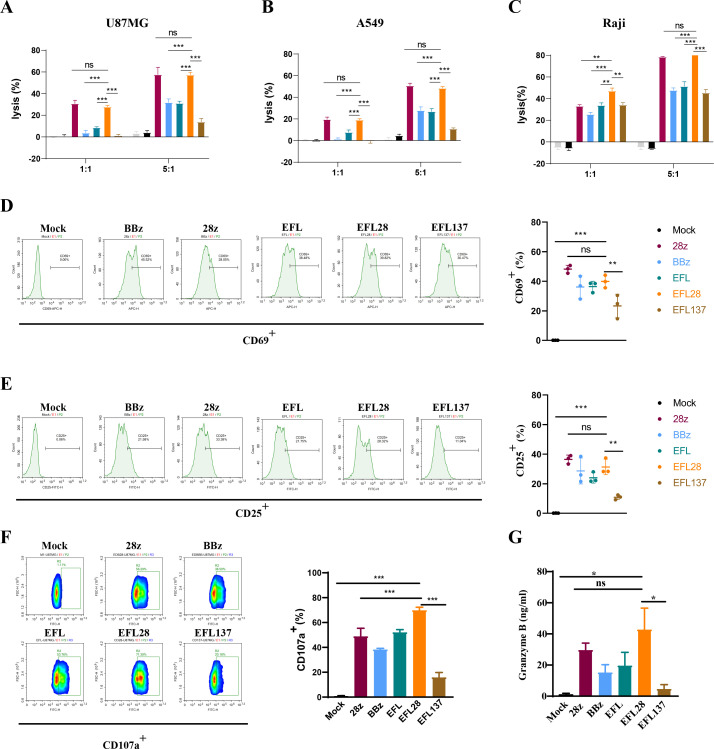
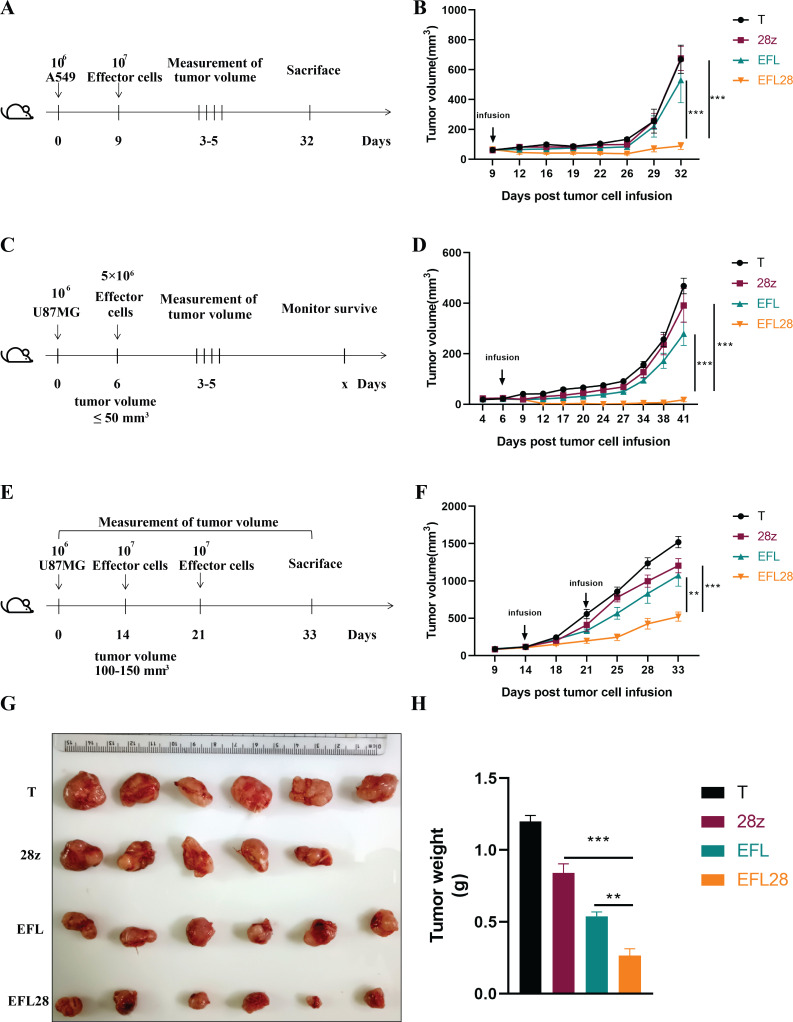
The suppression of chimeric antigen receptor (CAR) T cells by the tumor microenvironment (TME) is a crucial obstacle in the T-cell-based treatment of solid tumors. Extra domain B (EDB)-fibronectin is an oncofetal antigen expressed on the endothelium layer of the neovasculature and cancer cells. Though recognized as a T cell therapy target, engineered CAR T cells thus far have failed to demonstrate satisfactory in vivo efficacy. In this study, we report that targeting EDB-fibronectin by redirected TCR-CAR T cells (rTCR-CAR) bypasses the suppressive TME for solid tumor treatment and sufficiently suppressed tumor growth.We generated EDB-targeting CAR by fusing single-chain variable fragment to CD3ε, resulting in rTCR-CAR. Human primary T cells and Jurkat cells were used to study the EDB-targeting T cells. Differences to the traditional second-generation CAR T cell in signaling, immune synapse formation, and T cell exhaustion were characterized. Cytotoxicity of the rTCR-CAR T cells was tested in vitro, and therapeutic efficacies were demonstrated using xenograft models.
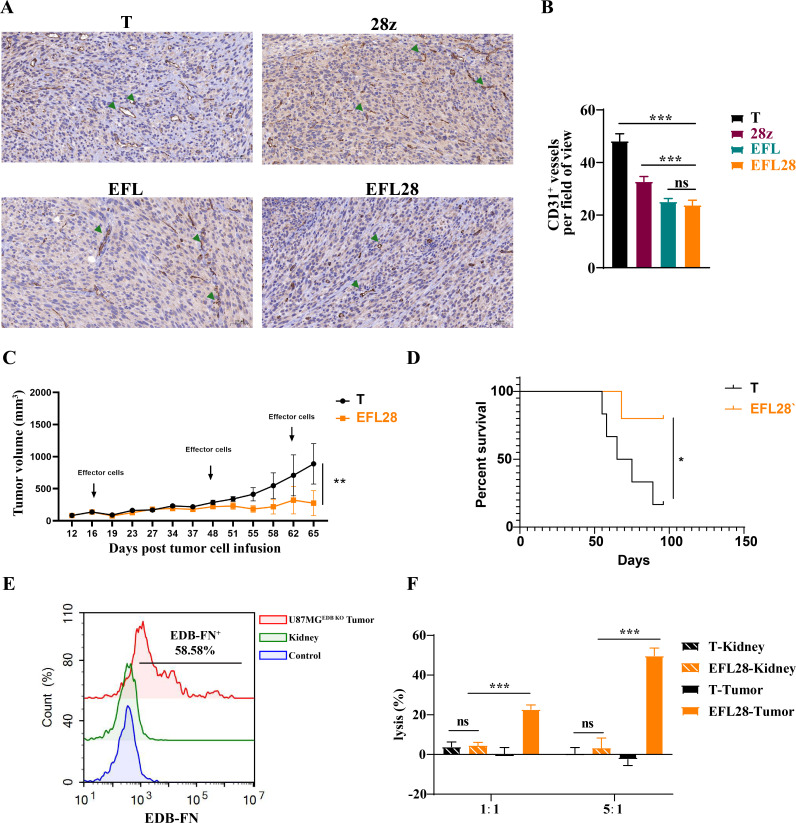
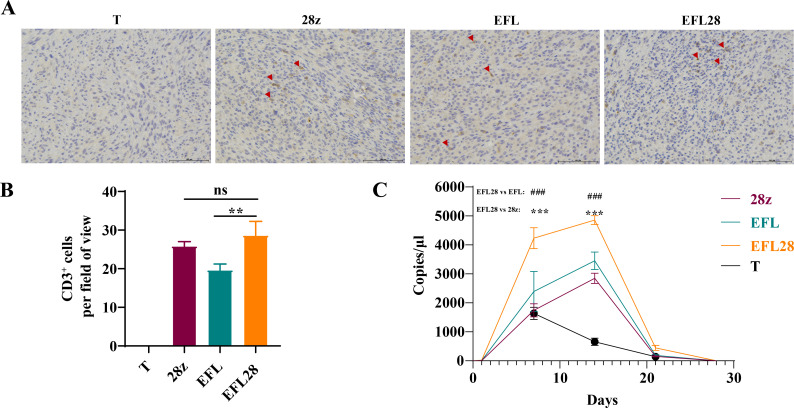
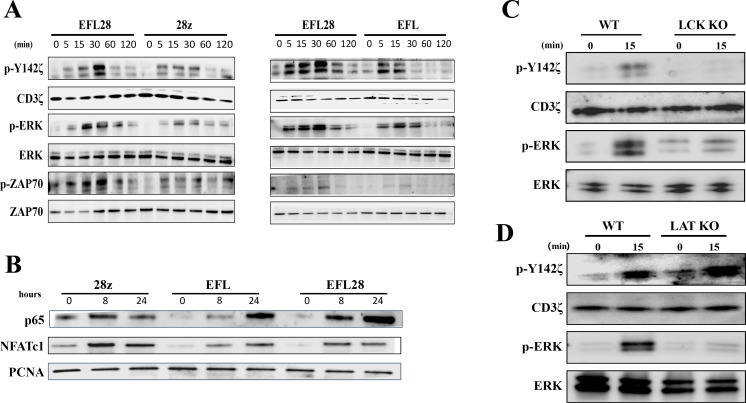
RESULTS: In the xenograft models, the rTCR-CAR T cells demonstrated in vivo efficacies superior to that based on traditional CAR design. A significant reduction in tumor vessel density was observed alongside tumor growth inhibition, extending even to tumor models established with EDB-negative cancer cells. The rTCR-CAR bound to immobilized EDB, and the binding led to immune synapse structures superior to that formed by second-generation CARs. By a mechanism similar to that for the conventional TCR complex, EDB-fibronectin activated the rTCR-CAR, resulting in rTCR-CAR T cells with low basal activation levels and increased in vivo expansion.
Our study has demonstrated the potential of rTCR-CAR T cells targeting the EDB-fibronectin as an anticancer therapeutic. Engineered to possess antiangiogenic and cytotoxic activities, the rTCR-CAR T cells showed therapeutic efficacies not impacted by the suppressive TMEs. These combined characteristics of a single therapeutic agent point to its potential to achieve sustained control of solid tumors.
肿瘤微环境(TME)对嵌合抗原受体(CAR)T 细胞的抑制是 T 细胞治疗实体瘤的一个关键障碍。外显子 B(EDB)-纤连蛋白是一种癌胚抗原,表达于新生血管内皮细胞和癌细胞层。尽管被认为是一种 T 细胞治疗靶点,但迄今为止,工程 CAR T 细胞未能在体内显示出令人满意的疗效。在这项研究中,我们报告靶向 EDB-纤连蛋白的重定向 TCR-CAR T 细胞(rTCR-CAR)绕过了实体瘤治疗的抑制性 TME,并充分抑制了肿瘤生长。我们通过将单链可变片段融合到 CD3ε 上生成 EDB 靶向 CAR,从而产生 rTCR-CAR。用人原代 T 细胞和 Jurkat 细胞研究 EDB 靶向 T 细胞。在信号转导、免疫突触形成和 T 细胞耗竭方面,比较了 rTCR-CAR 与传统第二代 CAR T 细胞的差异。在体外测试了 rTCR-CAR T 细胞的细胞毒性,并使用异种移植模型证明了治疗效果。
结果:在异种移植模型中,rTCR-CAR T 细胞的体内疗效优于传统 CAR 设计。观察到肿瘤血管密度显著降低,同时肿瘤生长受到抑制,甚至在建立 EDB 阴性癌细胞的肿瘤模型时也是如此。rTCR-CAR 与固定化的 EDB 结合,结合导致免疫突触结构优于第二代 CAR 形成的结构。通过类似于传统 TCR 复合物的机制,EDB-纤连蛋白激活 rTCR-CAR,导致 rTCR-CAR T 细胞基础激活水平低,体内扩增增加。
我们的研究表明,靶向 EDB-纤连蛋白的 rTCR-CAR T 细胞作为一种抗癌治疗具有潜力。通过工程设计使其具有抗血管生成和细胞毒性活性,rTCR-CAR T 细胞表现出不受抑制性 TME 影响的治疗效果。单一治疗剂的这些综合特性表明其有可能实现对实体瘤的持续控制。