The First Clinical Medical College of Lanzhou University, Lanzhou, China.
Department of Oncology Surgery, The First Hospital of Lanzhou University, No. 1, Donggang West Road, Lanzhou, 730000, Gansu Province, China.
Sci Rep. 2023 Aug 18;13(1):13447. doi: 10.1038/s41598-023-39404-y.
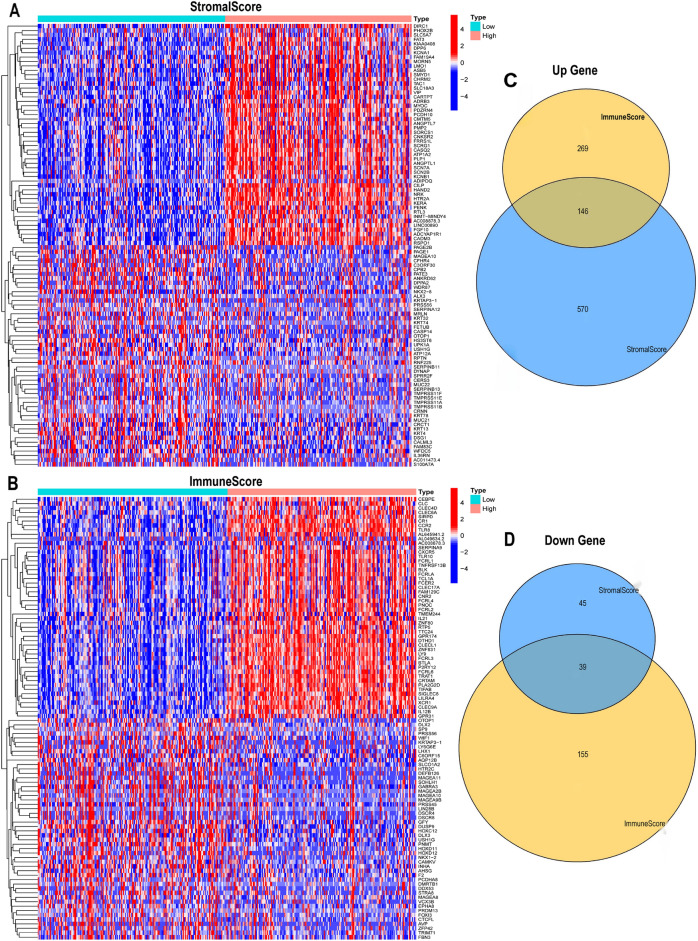
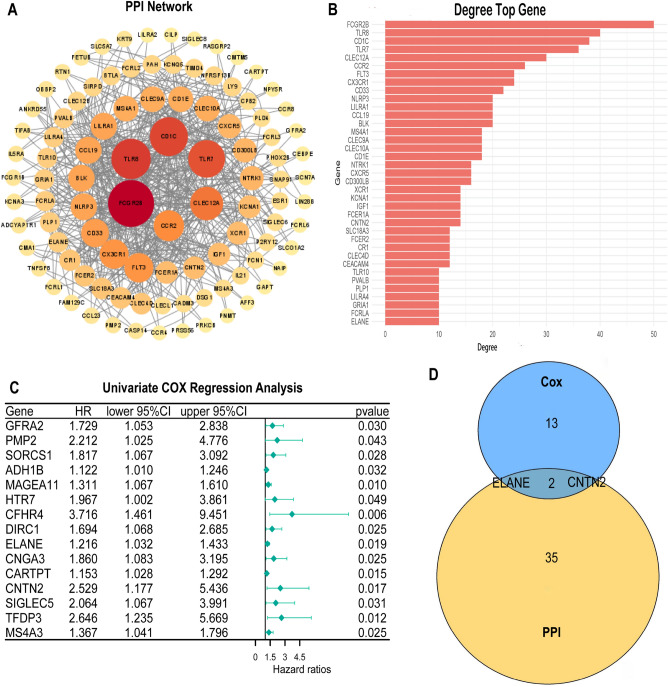
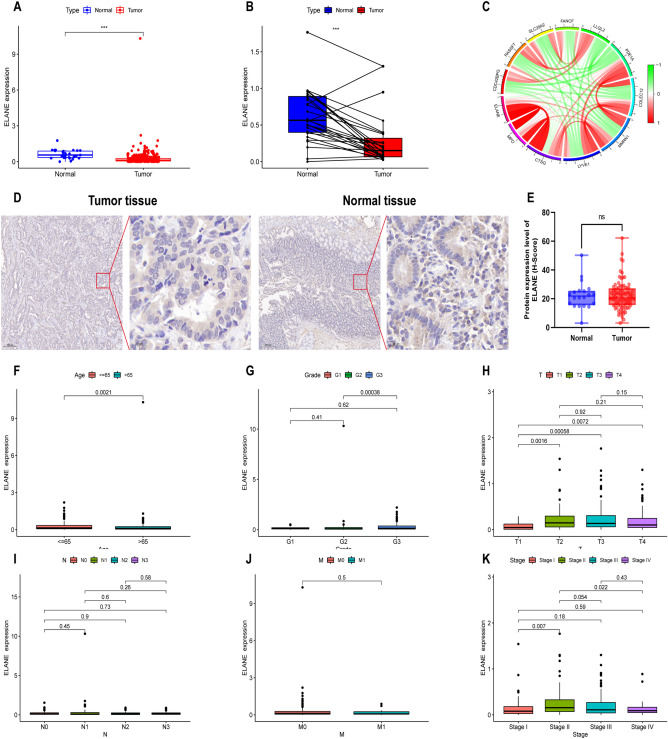
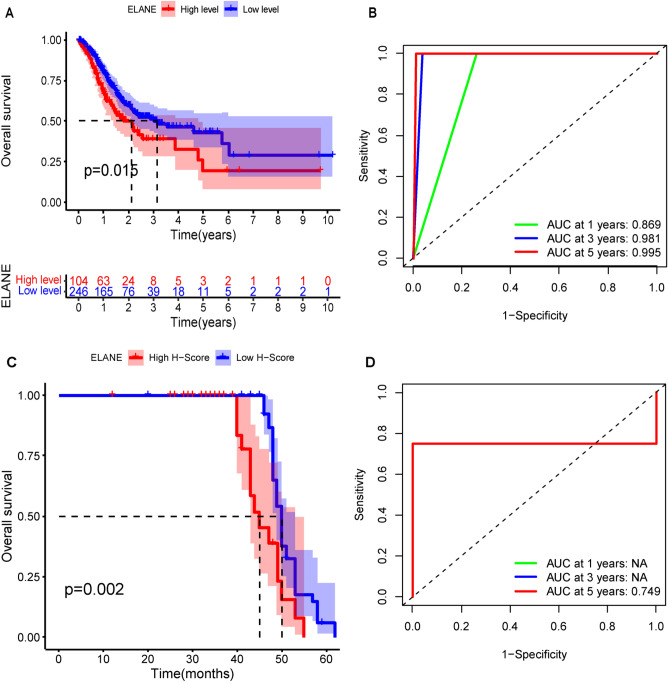
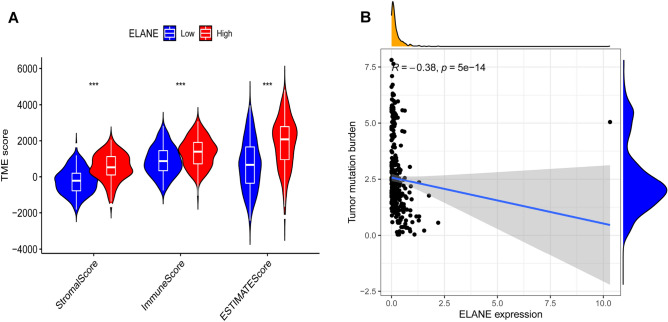
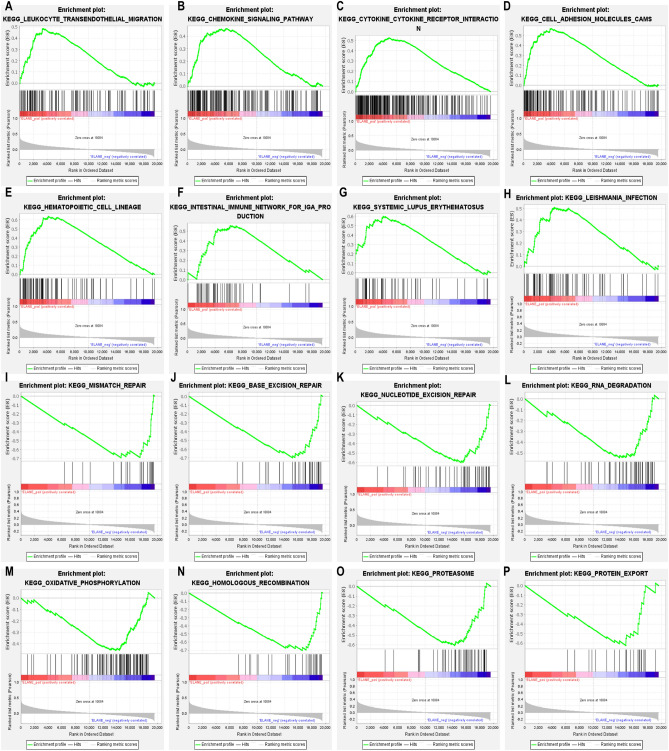
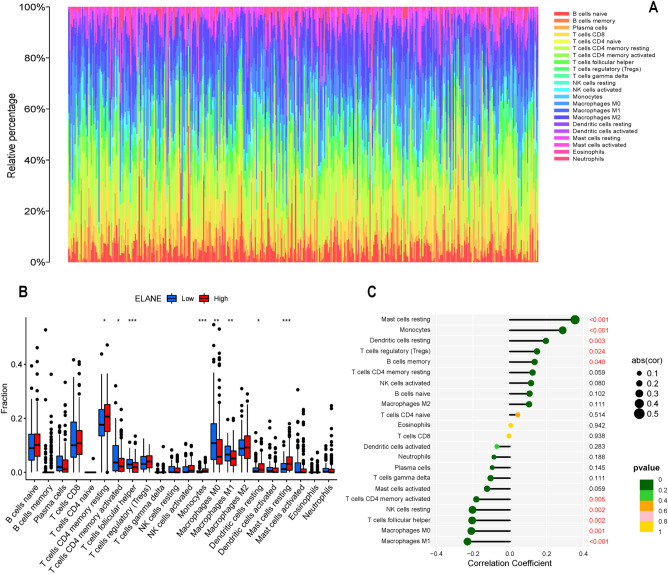
Exploring biomarkers interrelated the tumor immune microenvironment (TIME) provides novel ideas for predicting the prognosis of gastric cancer (GC) and developing new treatment strategies. We analyzed the differential gene expression levels between the high and low StromalScore and ImmuneScore groups. Neutrophil elastase (ELANE) was evaluated as a potential biomarker by conducting intersection analysis of the protein-protein interaction network and univariate Cox regression analysis. The expression of ELANE was evaluated by immunohistochemistry. Its prognostic value was evaluated using Kaplan-Meier (K-M) survival curves and multivariate Cox regression analysis and its potential biological molecular mechanism was examined by gene set enrichment analysis (GSEA). We applied the CIBERSORT computing method to analyze the relationship between ELANE and tumor immune-infiltrating cells (TIICs). K-M survival curve showed that higher ELANE expression was closely related to shorter overall survival. The Cox regression analysis indicated that the high expression of ELANE was an independent prognostic risk factor in patients with GC. The GSEA revealed that genes in the ELANE high-expression group were involved in the signaling pathways regulating immune response; genes in the ELANE low-expression group were involved in the signaling pathways that regulate metabolism. ELANE might be participate in the change of TIME from immunodominant to metabolically dominant and its expression was closely related to tumor mutation burden and multiple TIICs. ELANE is a potential biomarker for predicting the GC patients' survival and prognosis. It influences the tumor immune cell infiltration in the TIME, and affects the TIME to maintain their immune status.
探索与肿瘤免疫微环境(TIME)相关的生物标志物为预测胃癌(GC)的预后和开发新的治疗策略提供了新的思路。我们分析了间质评分和免疫评分高、低两组之间的差异基因表达水平。通过蛋白质-蛋白质相互作用网络的交集分析和单因素 Cox 回归分析,评估中性粒细胞弹性蛋白酶(ELANE)作为一种潜在的生物标志物。通过免疫组织化学评估 ELANE 的表达。通过 Kaplan-Meier(K-M)生存曲线和多因素 Cox 回归分析评估其预后价值,并通过基因集富集分析(GSEA)研究其潜在的生物学分子机制。我们应用 CIBERSORT 计算方法分析 ELANE 与肿瘤免疫浸润细胞(TIICs)之间的关系。K-M 生存曲线表明,ELANE 表达较高与总生存期较短密切相关。Cox 回归分析表明,ELANE 高表达是 GC 患者独立的预后危险因素。GSEA 表明,ELANE 高表达组的基因参与了调节免疫反应的信号通路;ELANE 低表达组的基因参与了调节代谢的信号通路。ELANE 可能参与 TIME 从免疫优势向代谢优势的转变,其表达与肿瘤突变负荷和多种 TIICs 密切相关。ELANE 是预测 GC 患者生存和预后的潜在生物标志物。它影响 TIME 中的肿瘤免疫细胞浸润,并影响 TIME 维持其免疫状态。