Du Jingnan, DiNicola Lauren M, Angeli Peter A, Saadon-Grosman Noam, Sun Wendy, Kaiser Stephanie, Ladopoulou Joanna, Xue Aihuiping, Yeo B T Thomas, Eldaief Mark C, Buckner Randy L
Department of Psychology, Center for Brain Science, Harvard University, Cambridge, MA 02138, USA.
Centre for Sleep & Cognition & Department of Electrical and Computer Engineering, National University of Singapore, Singapore, Singapore.
bioRxiv. 2023 Aug 10:2023.08.08.552437. doi: 10.1101/2023.08.08.552437.
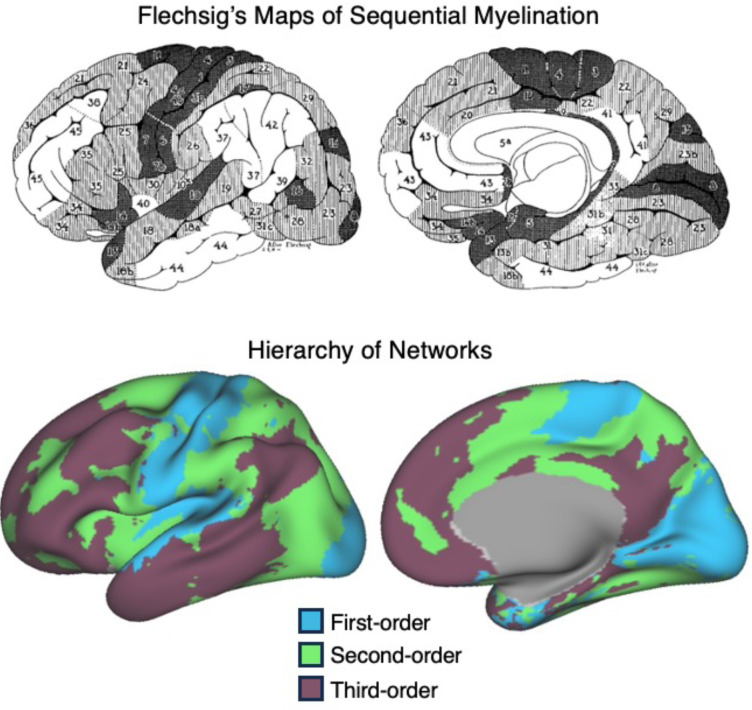
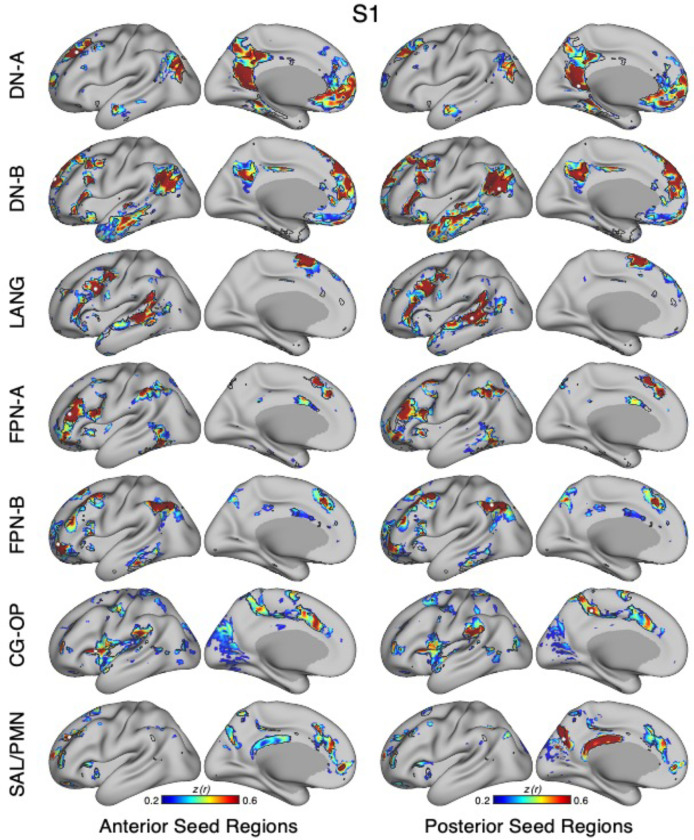
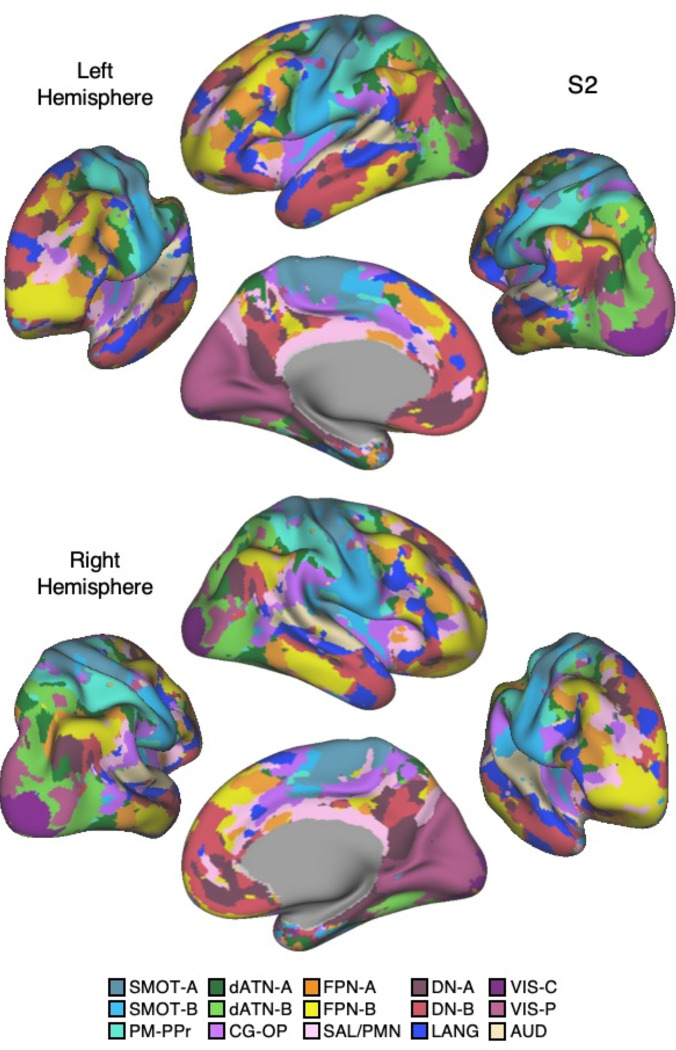
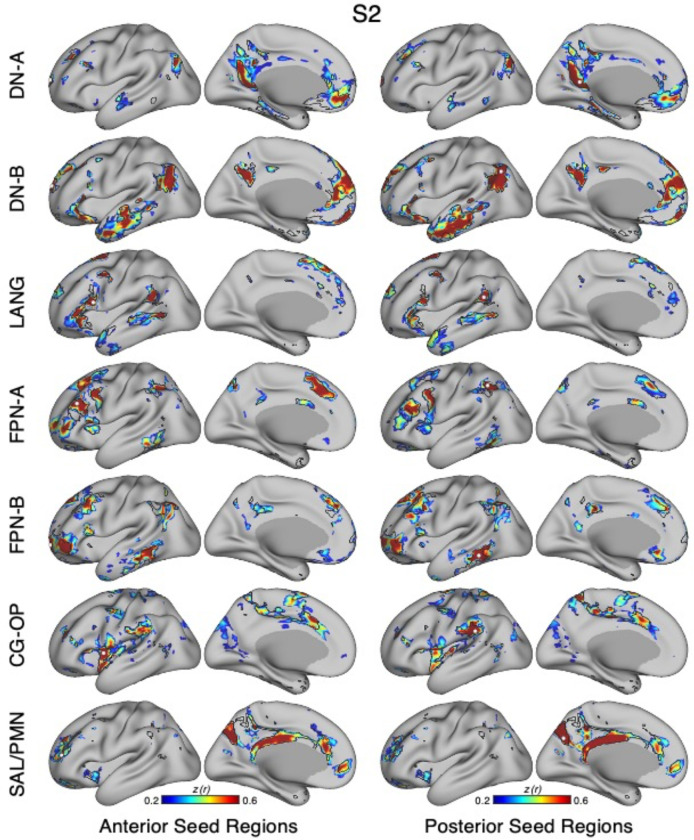
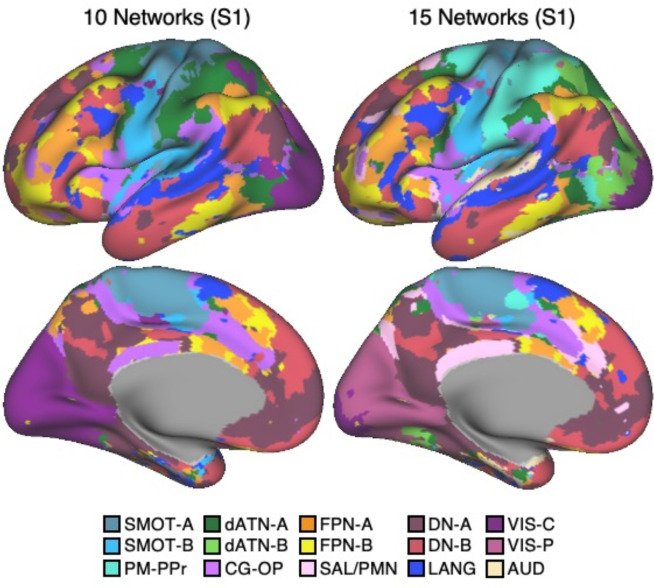
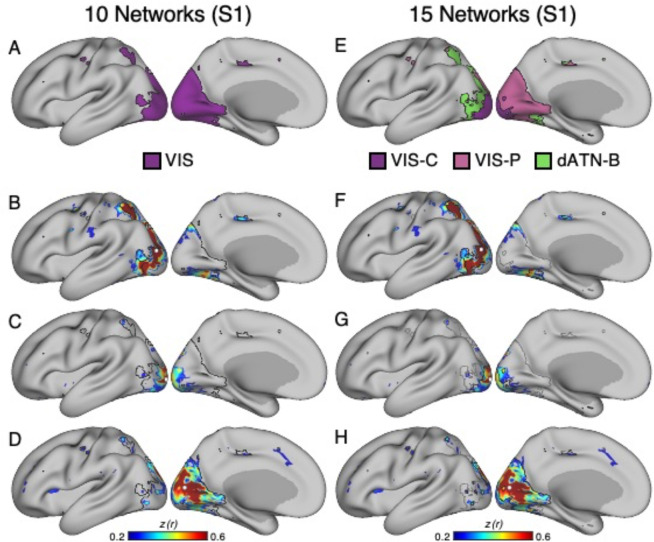
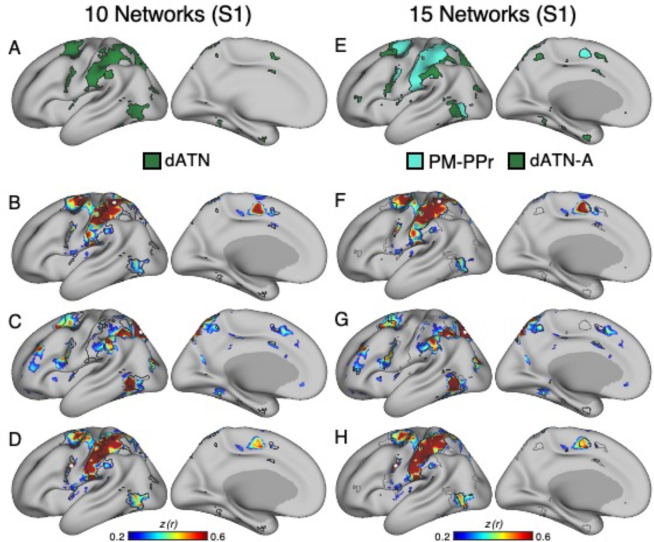
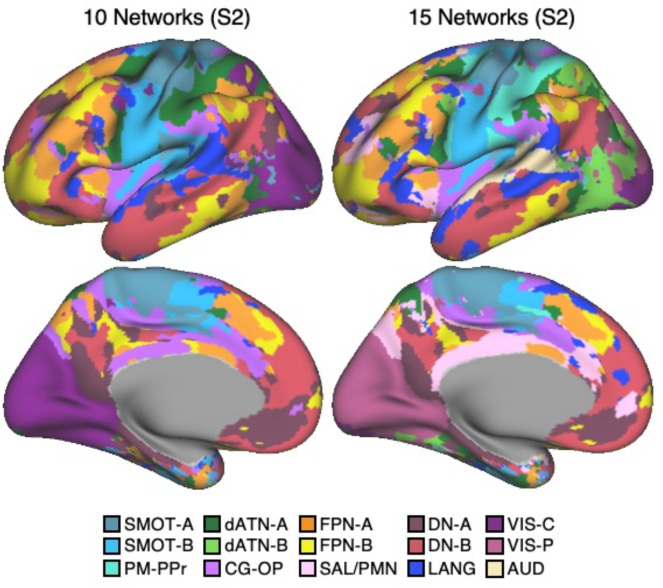
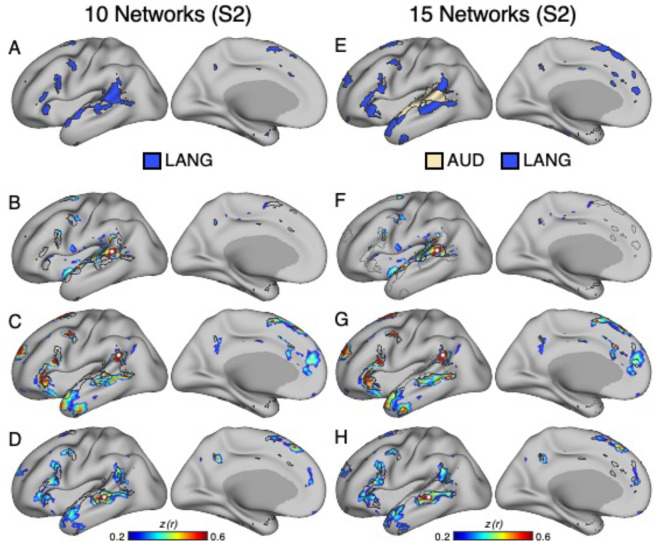
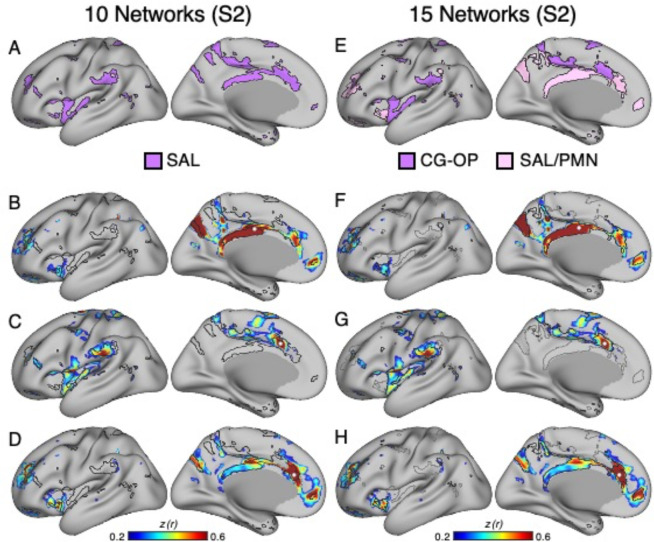
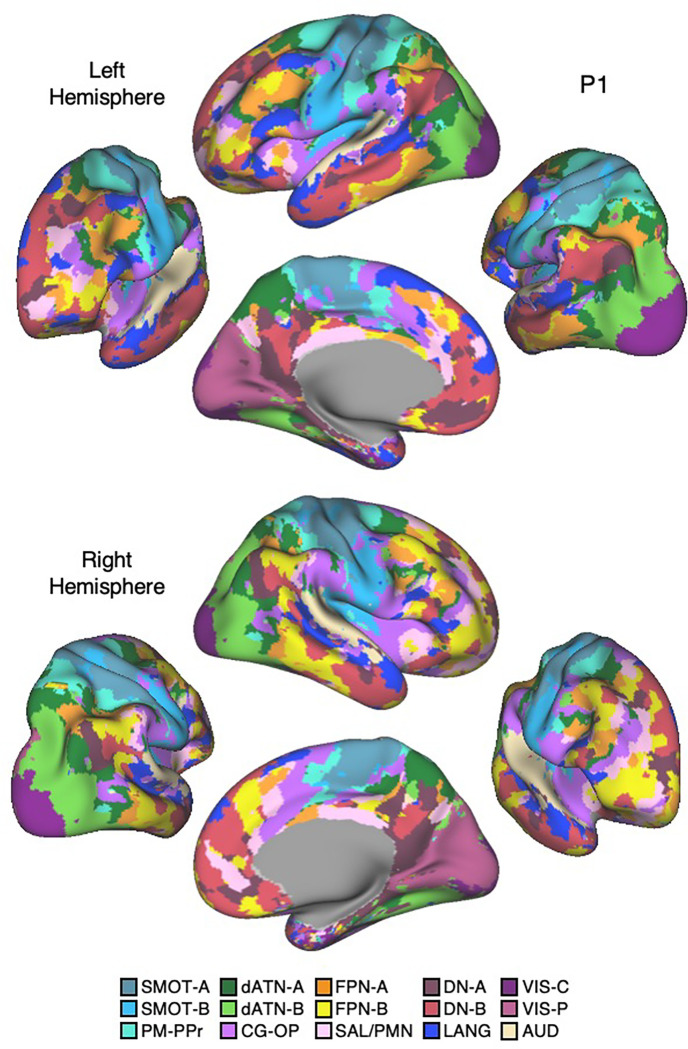
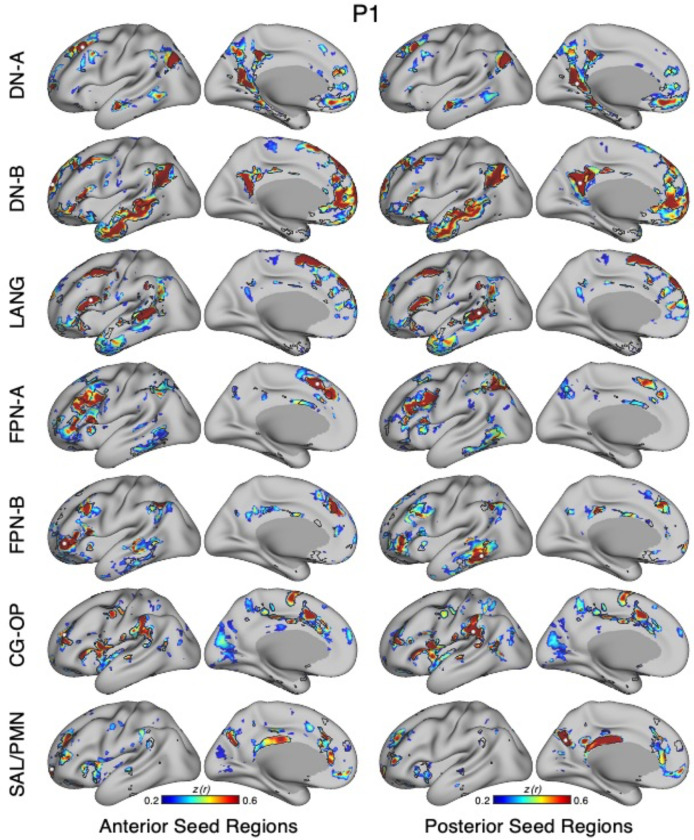
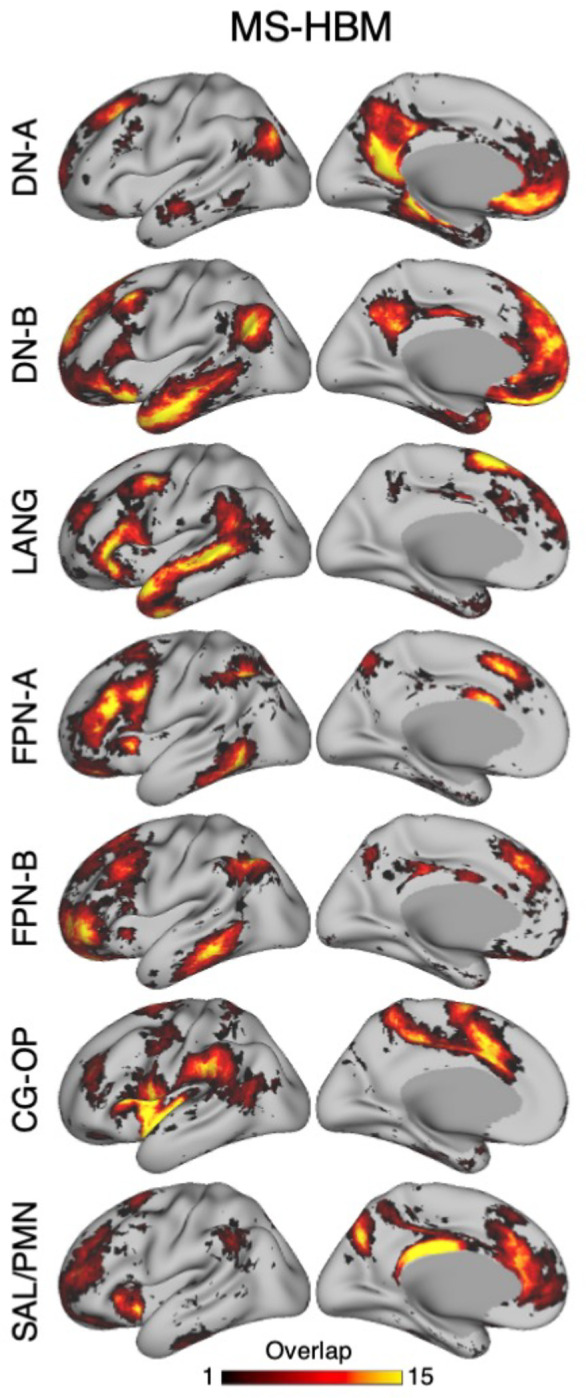
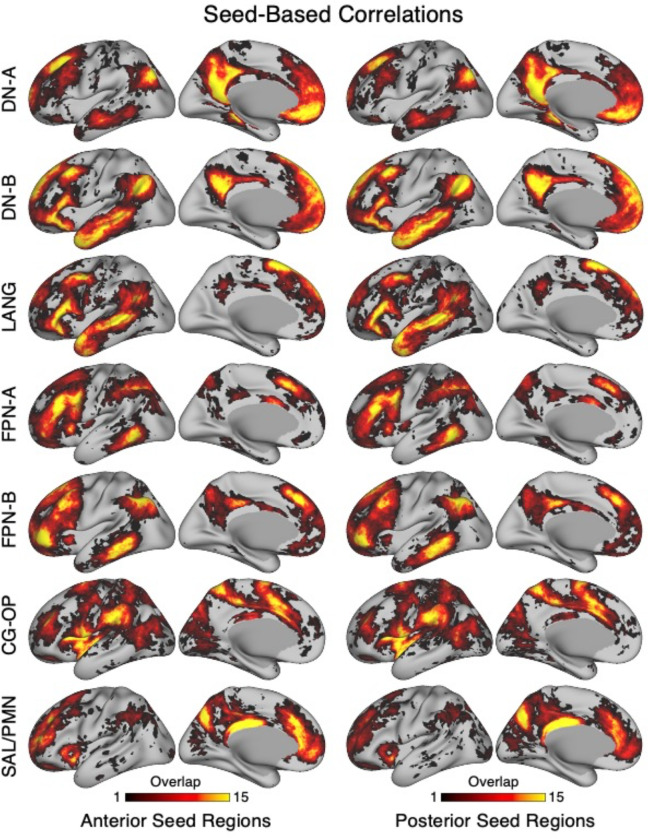
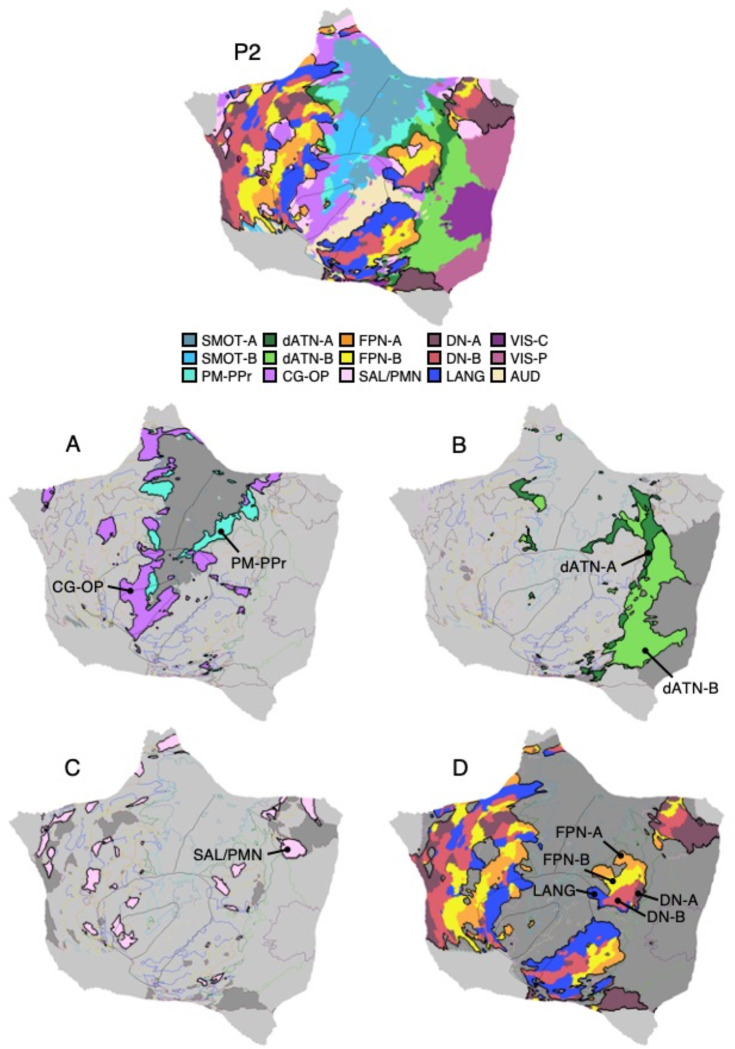
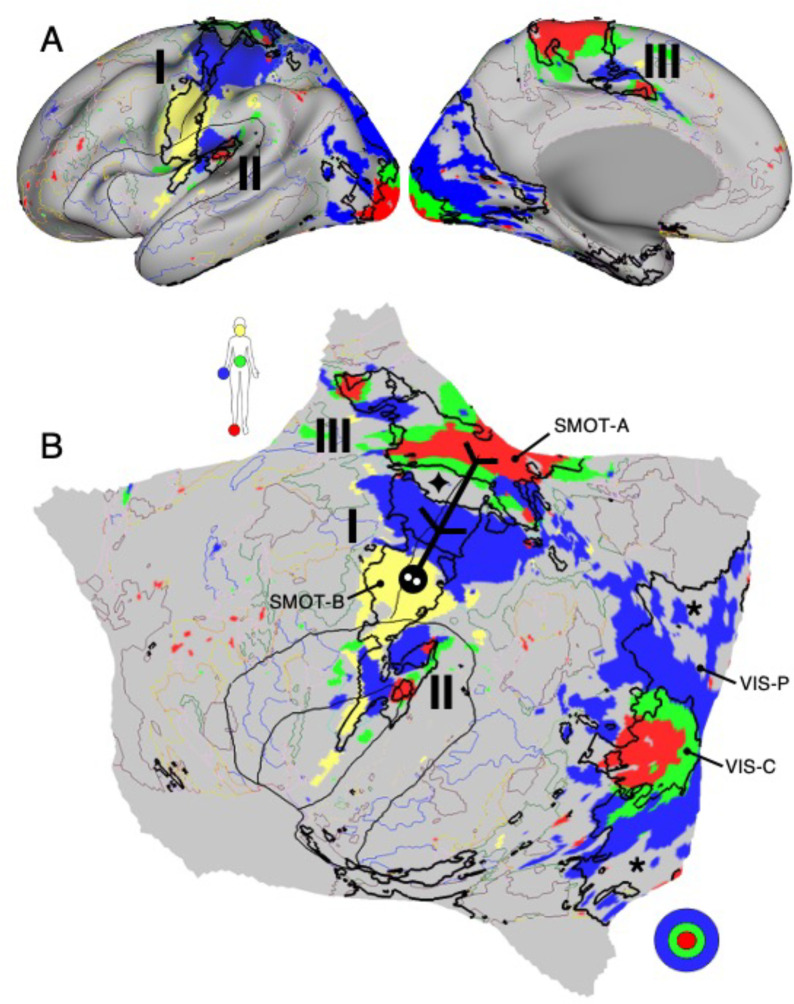
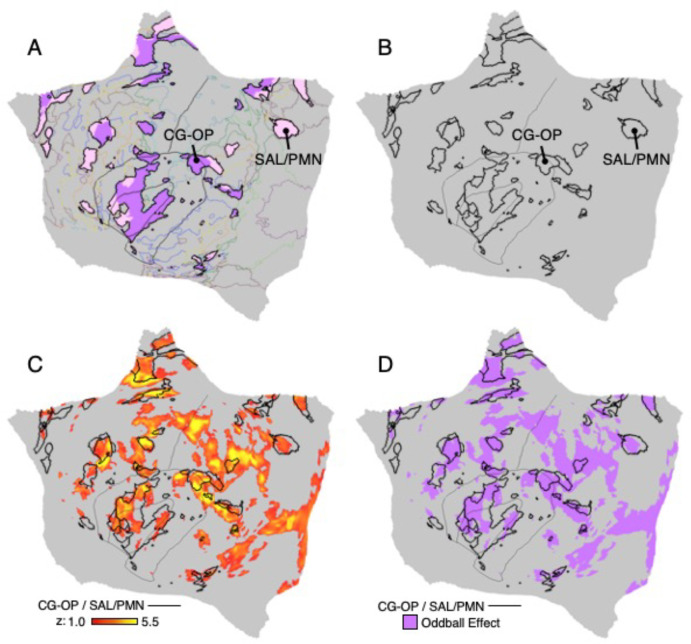
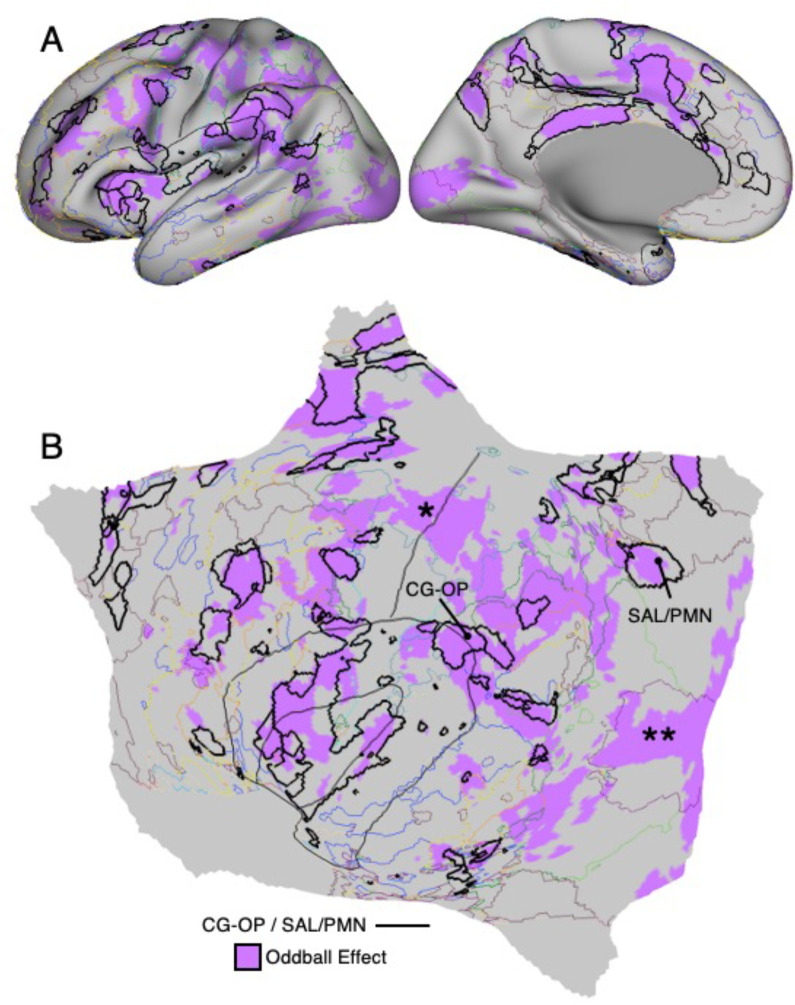
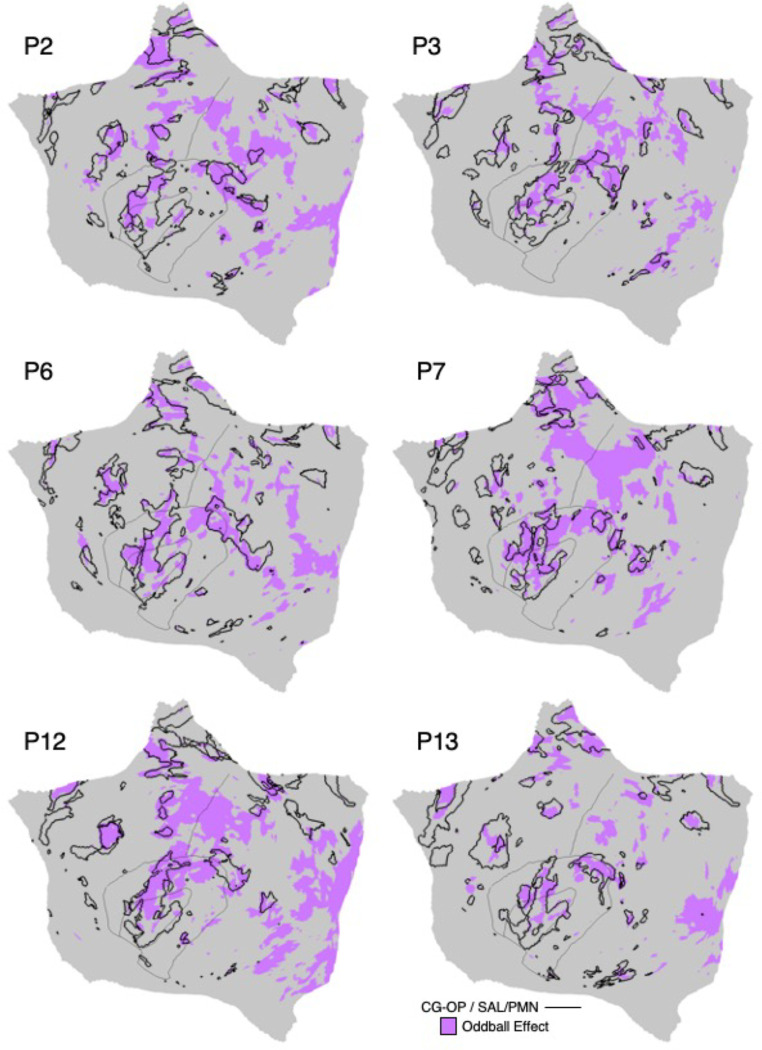
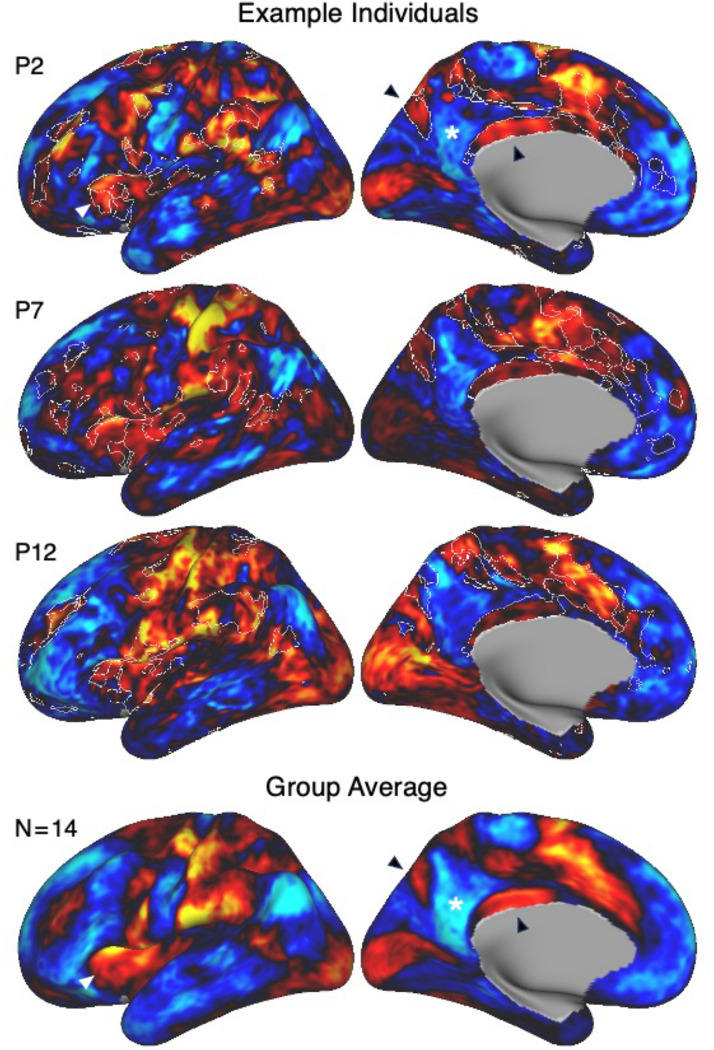
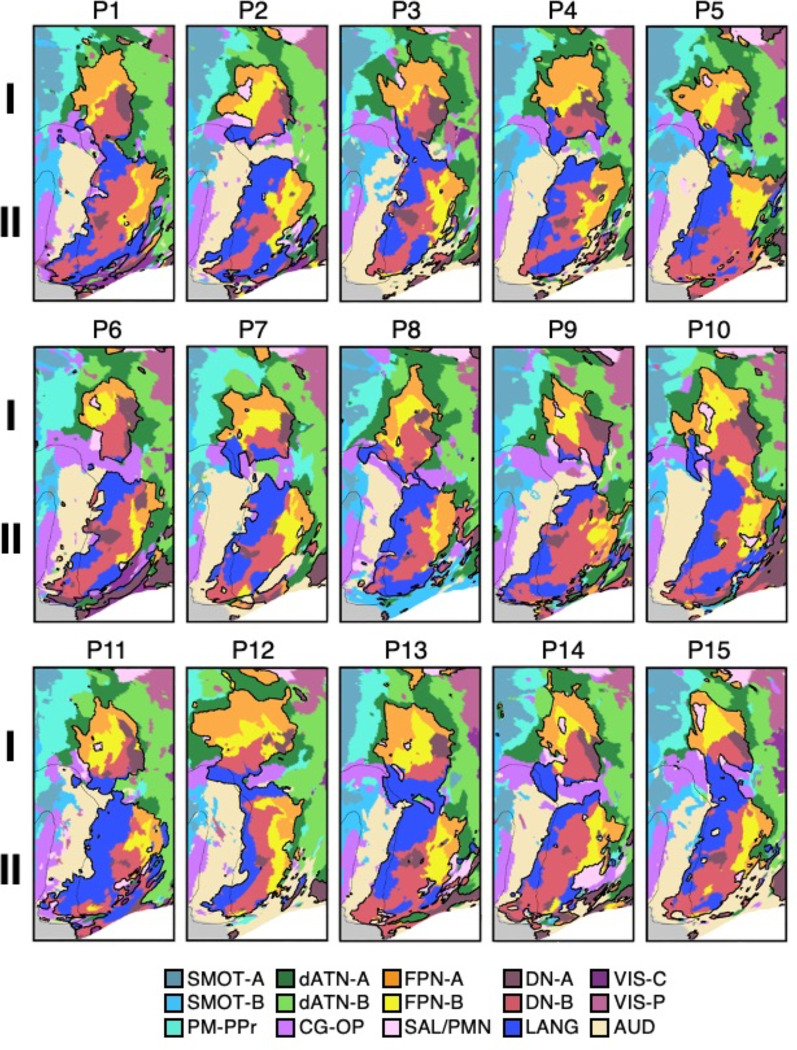
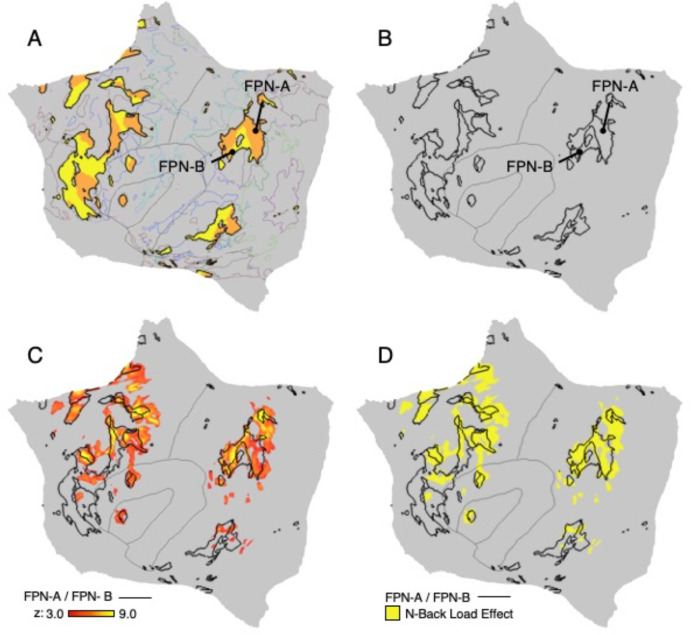
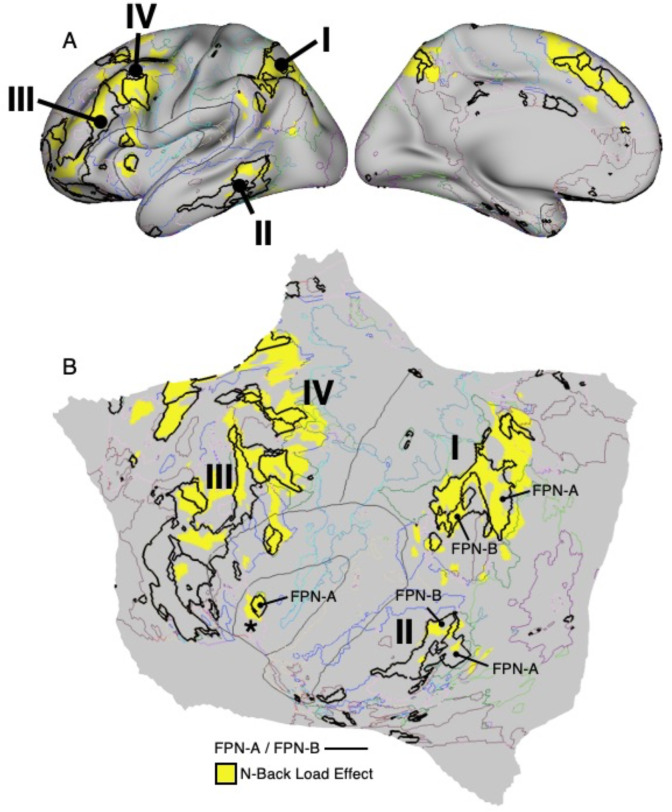
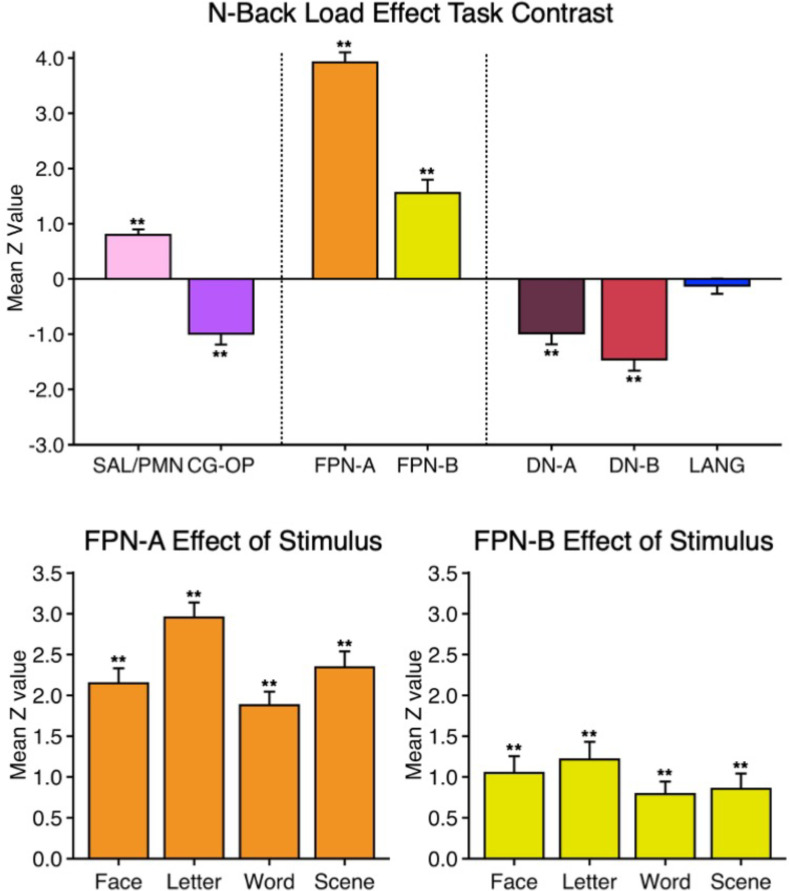
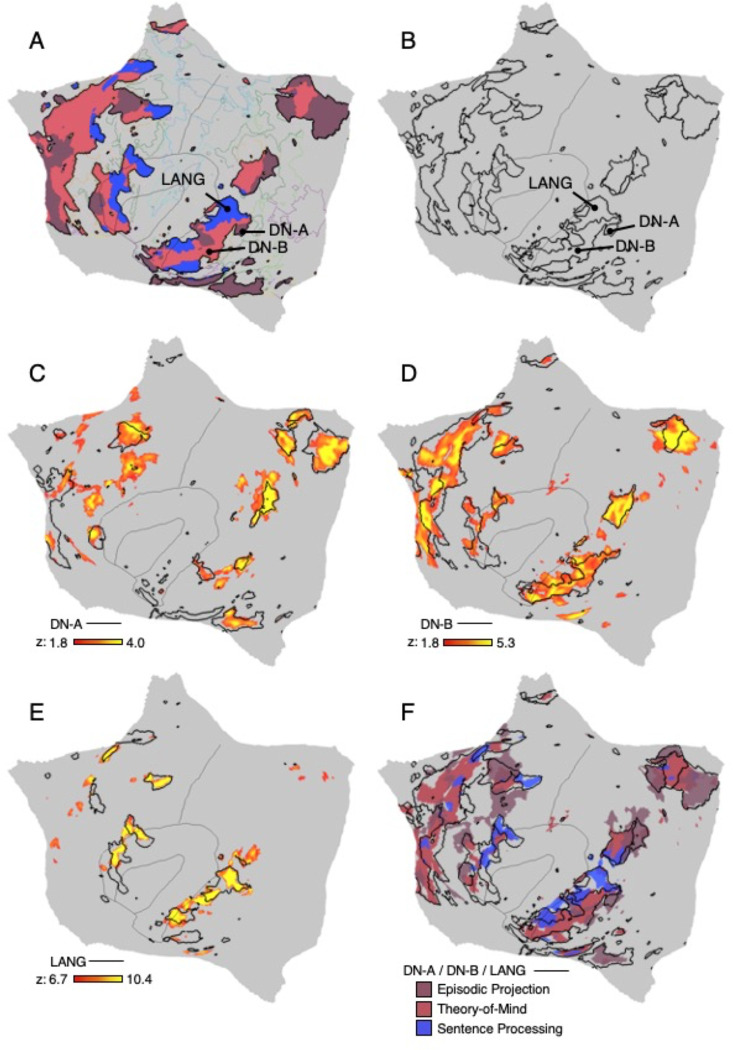
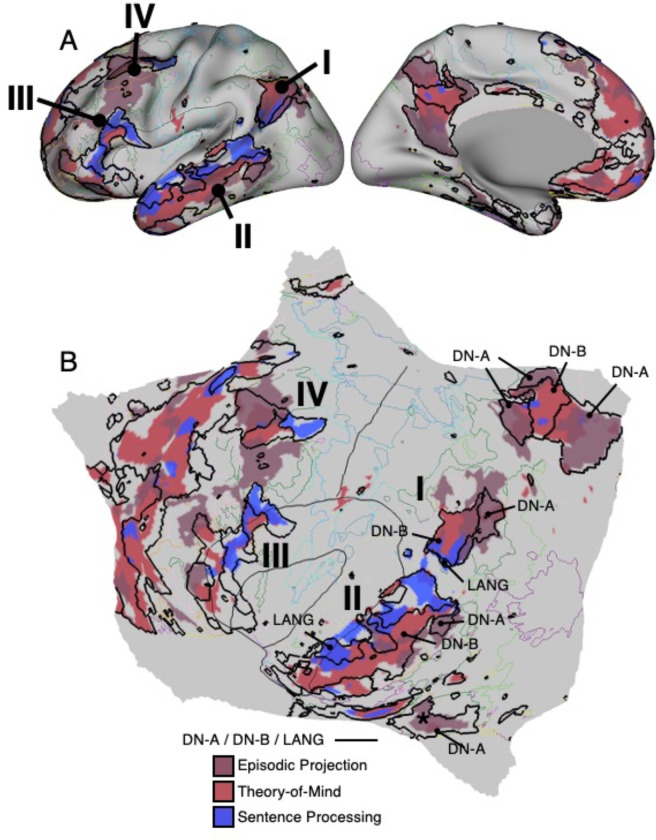
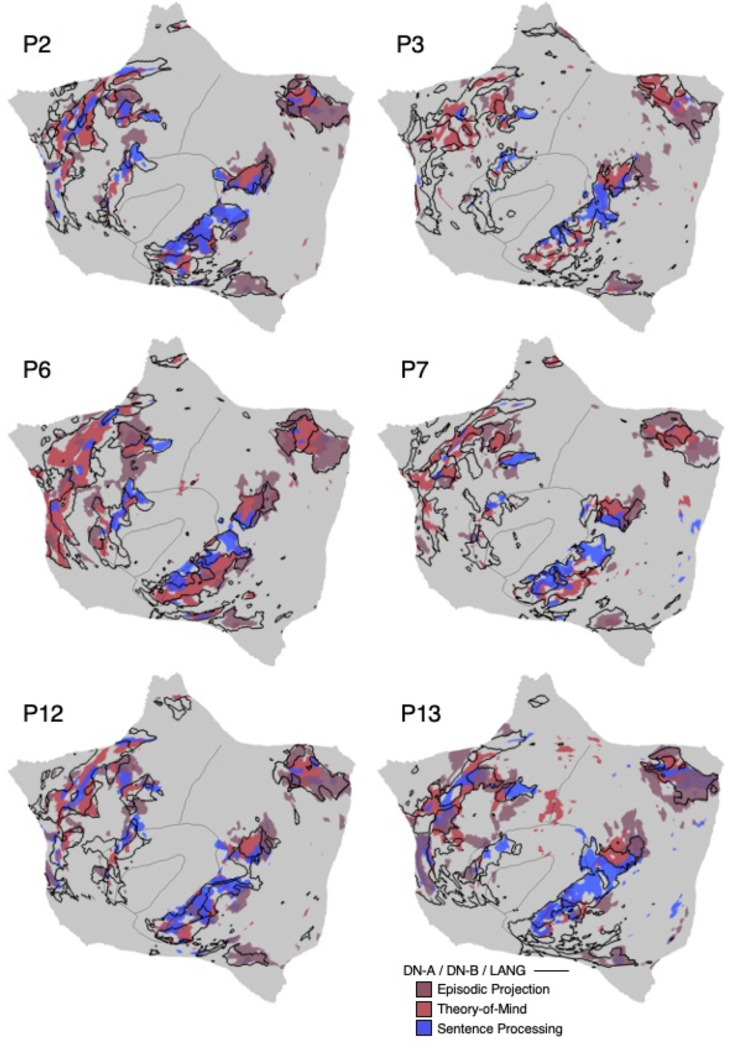
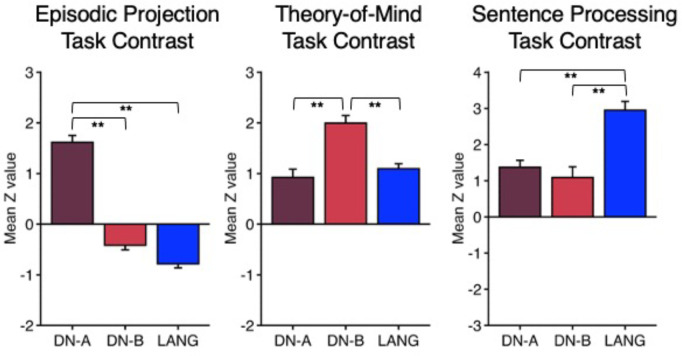
The human cerebral cortex is populated by specialized regions that are organized into networks. Here we estimated networks using a Multi-Session Hierarchical Bayesian Model (MS-HBM) applied to intensively sampled within-individual functional MRI (fMRI) data. The network estimation procedure was initially developed and tested in two participants (each scanned 31 times) and then prospectively applied to 15 new participants (each scanned 8 to 11 times). Detailed analysis of the networks revealed a global organization. Locally organized first-order sensory and motor networks were surrounded by spatially adjacent second-order networks that also linked to distant regions. Third-order networks each possessed regions distributed widely throughout association cortex. Moreover, regions of distinct third-order networks displayed side-by-side juxtapositions with a pattern that repeated similarly across multiple cortical zones. We refer to these as Supra-Areal Association Megaclusters (SAAMs). Within each SAAM, two candidate control regions were typically adjacent to three separate domain-specialized regions. Independent task data were analyzed to explore functional response properties. The somatomotor and visual first-order networks responded to body movements and visual stimulation, respectively. A subset of the second-order networks responded to transients in an oddball detection task, consistent with a role in orienting to salient or novel events. The third-order networks, including distinct regions within each SAAM, showed two levels of functional specialization. Regions linked to candidate control networks responded to working memory load across multiple stimulus domains. The remaining regions within each SAAM did not track working memory load but rather dissociated across language, social, and spatial / episodic processing domains. These results support a model of the cerebral cortex in which progressively higher-order networks nest outwards from primary sensory and motor cortices. Within the apex zones of association cortex there is specialization of large-scale networks that divides domain-flexible from domain-specialized regions repeatedly across parietal, temporal, and prefrontal cortices. We discuss implications of these findings including how repeating organizational motifs may emerge during development.
人类大脑皮层由多个专门区域组成,这些区域构成了网络。在此,我们使用多会话分层贝叶斯模型(MS-HBM)对个体内密集采样的功能磁共振成像(fMRI)数据进行网络估计。网络估计程序最初在两名参与者(每人扫描31次)中开发并测试,然后前瞻性地应用于15名新参与者(每人扫描8至11次)。对这些网络的详细分析揭示了一种全局组织。局部组织的一阶感觉和运动网络被空间相邻的二阶网络包围,这些二阶网络也与远处区域相连。三阶网络各自拥有广泛分布于联合皮层的区域。此外,不同三阶网络的区域呈现并排并列的模式,这种模式在多个皮质区域中类似地重复出现。我们将这些称为超区域联合巨簇(SAAM)。在每个SAAM内,两个候选控制区域通常与三个独立的领域专门区域相邻。分析独立的任务数据以探索功能反应特性。躯体运动和视觉一阶网络分别对身体运动和视觉刺激做出反应。二阶网络的一个子集在奇球检测任务中对瞬态做出反应,这与在定向到突出或新事件中的作用一致。三阶网络,包括每个SAAM内的不同区域,表现出两个层次的功能特化。与候选控制网络相连的区域在多个刺激领域对工作记忆负荷做出反应。每个SAAM内的其余区域不跟踪工作记忆负荷,而是在语言、社会和空间/情景处理领域中分离。这些结果支持了一种大脑皮层模型,其中逐渐高阶的网络从初级感觉和运动皮层向外嵌套。在联合皮层的顶点区域内,存在大规模网络的特化,这种特化在顶叶、颞叶和前额叶皮层中反复将领域灵活区域与领域专门区域区分开来。我们讨论了这些发现的意义,包括重复的组织基序在发育过程中可能如何出现。