Jilin Provincial International Joint Research Center of Animal Breeding & Reproduction Technology, College of Animal Science and Technology, Jilin Agricultural University, Changchun 130118, China.
Joint Laboratory of Modern Agricultural Technology International Cooperation, Ministry of Education, College of Animal Science and Technology, Jilin Agricultural University, Changchun 130118, China.
Int J Mol Sci. 2023 Aug 16;24(16):12854. doi: 10.3390/ijms241612854.
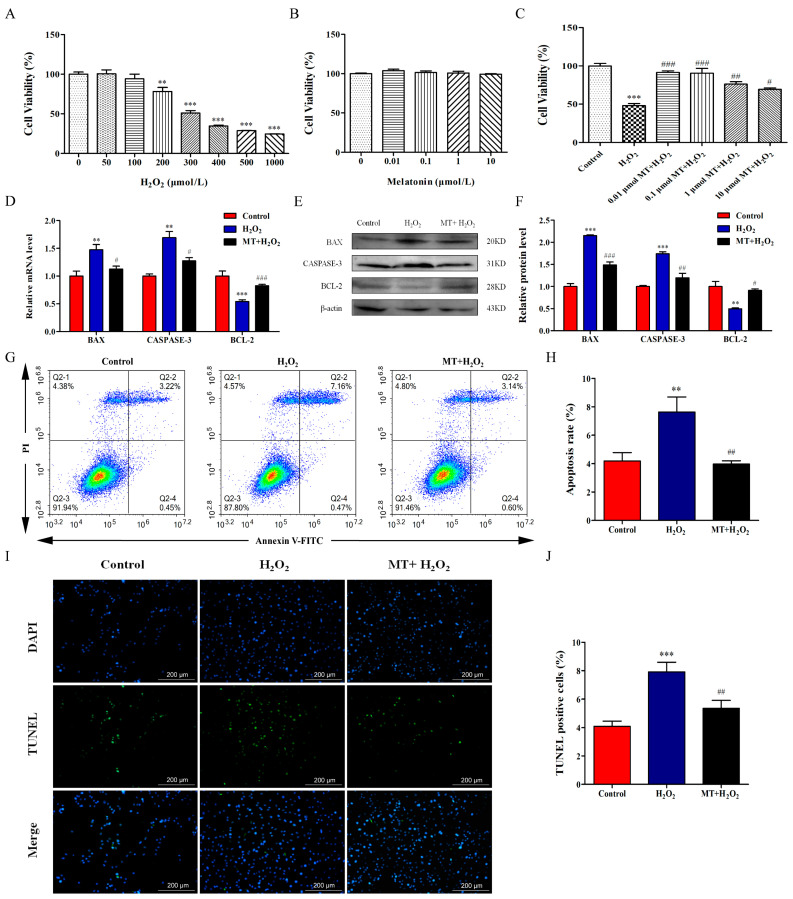
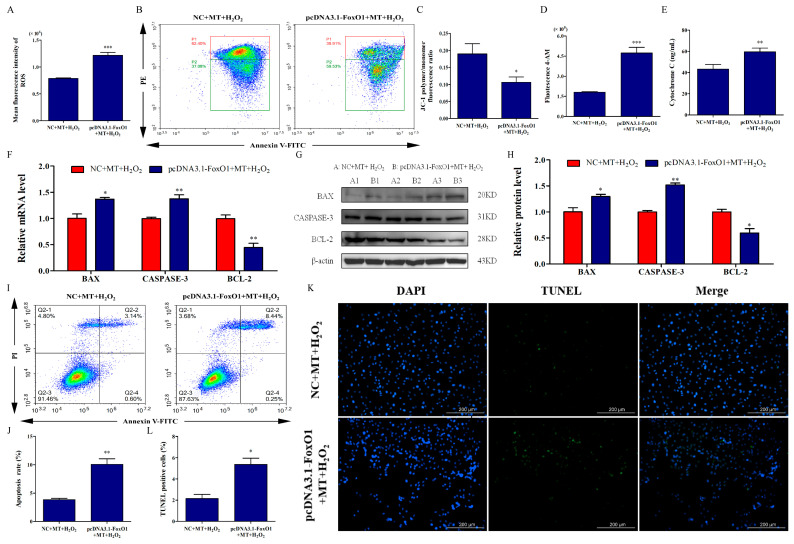
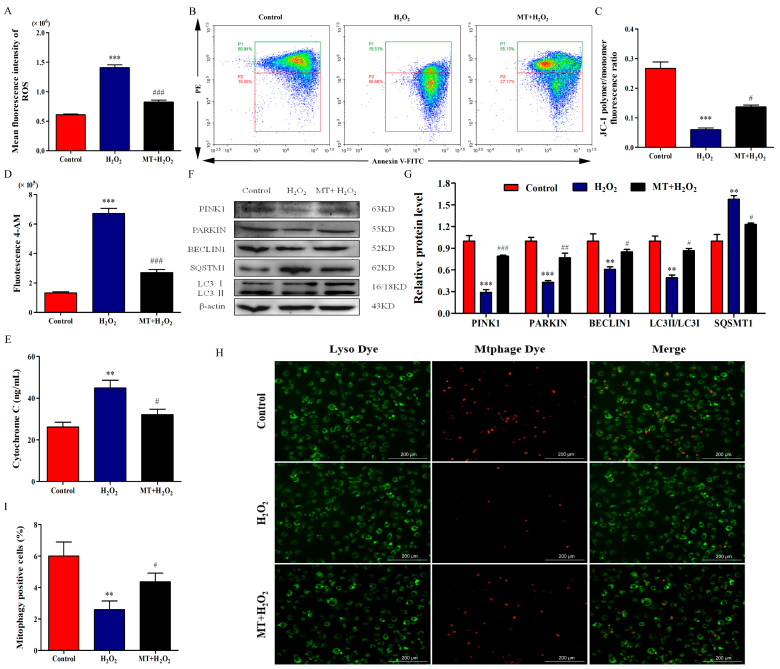
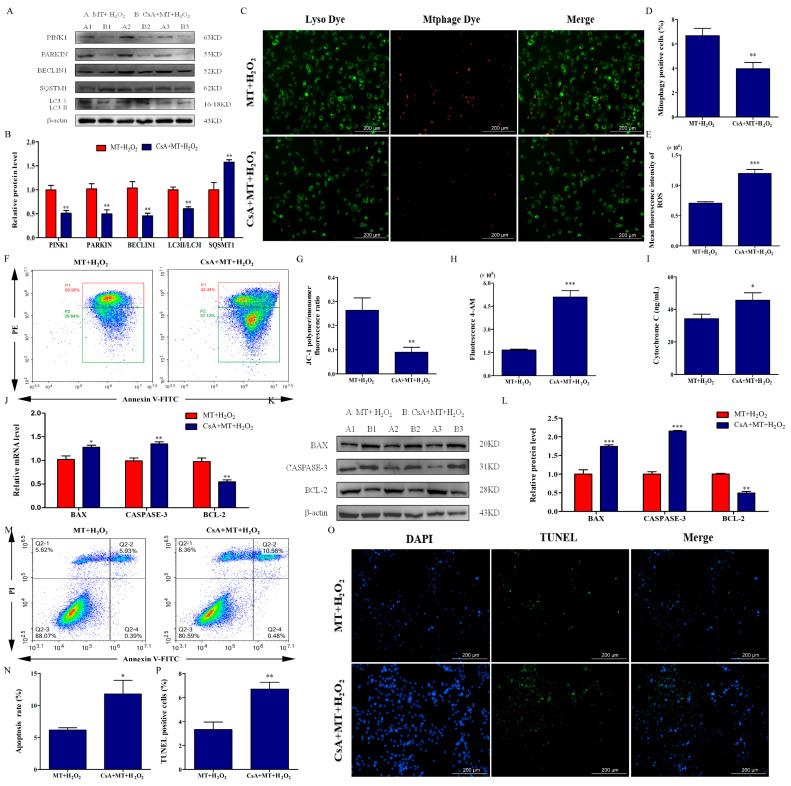
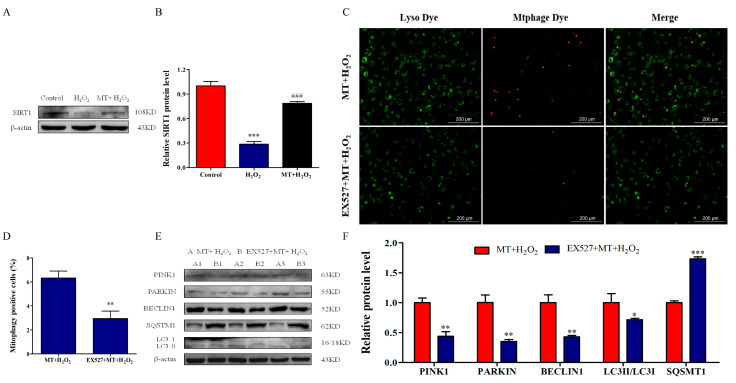
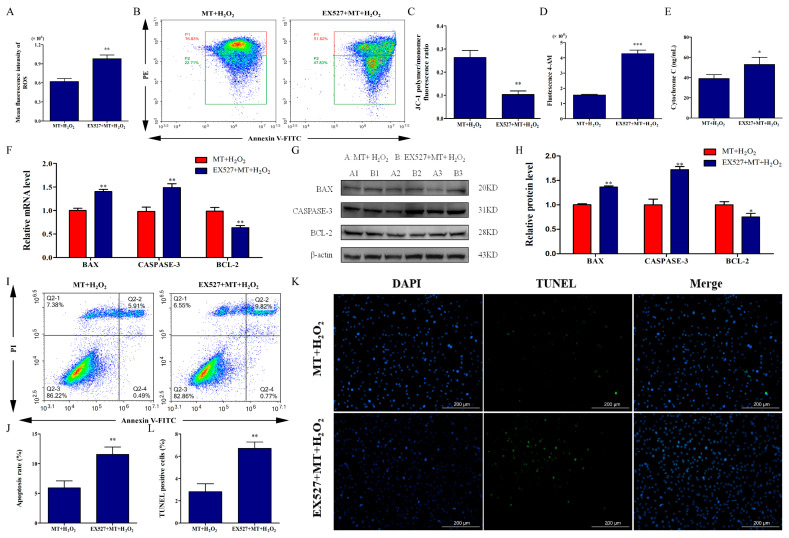
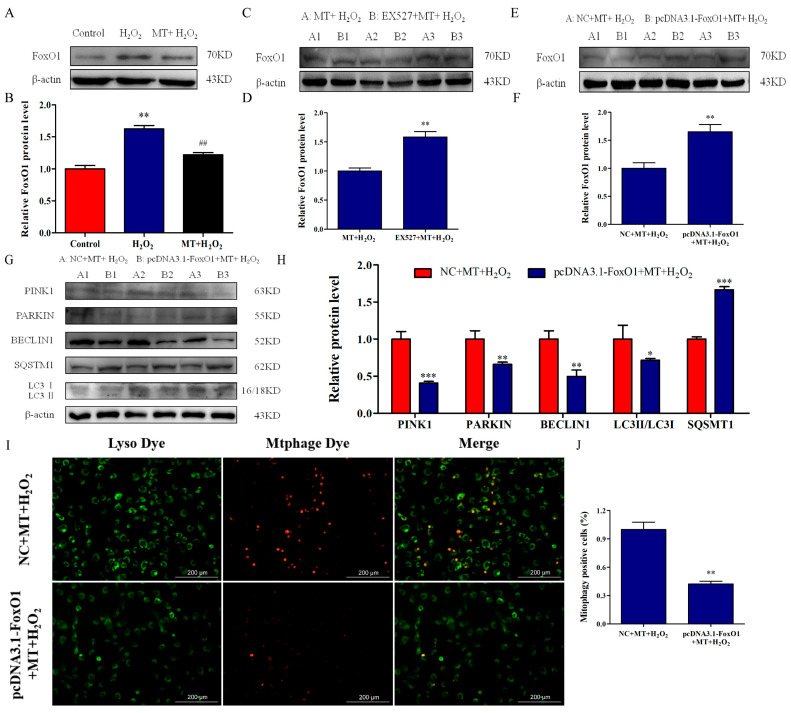
Oxidative-stress-induced apoptosis of granulosa cells is considered to be a main driver of follicular atresia. Increasing evidence suggests a protective effect of melatonin against oxidative damage but the mechanism remains unclear. The aim of this study is to investigate the effects of melatonin on mitophagy and apoptosis of bovine ovarian granulosa cells under oxidative stress, and to clarify the mechanism. Our results indicate that melatonin inhibited HO-induced apoptosis and mitochondrial injury of bovine ovarian granulosa cells, as revealed by decreased apoptosis rate, reactive oxygen species (ROS) levels, Ca concentration, and cytochrome C release and increased mitochondrial membrane potential (ΔΨm). Simultaneously, melatonin promoted mitophagy of bovine ovarian granulosa cells through increasing the expression of PTEN-induced putative kinase 1 (PINK1), PARKIN, BECLIN1, and LC3II/LC3I; decreasing the expression of sequestosome 1 (SQSMT1); and promoting mitophagosome and lysosome fusion. After treatment with a mitophagy inhibitor CsA, we found that melatonin alleviated apoptosis and mitochondrial injury through promoting mitophagy in bovine ovarian granulosa cells. Furthermore, melatonin promoted the expression of silent information regulator 1 (SIRT1) and decreased the expression level of forkhead transcription factors class O (type1) (FoxO1). By treatment with an SIRT1 inhibitor EX527 or FoxO1 overexpression, the promotion of melatonin on mitophagy as well as the inhibition on mitochondrial injury and apoptosis were reversed in bovine ovarian granulosa cells. In conclusion, our results suggest that melatonin could promote mitophagy to attenuate oxidative-stress-induced apoptosis and mitochondrial injury of bovine ovarian granulosa cells via the SIRT1/FoxO1 signaling pathway.
氧化应激诱导的颗粒细胞凋亡被认为是卵泡闭锁的主要驱动因素。越来越多的证据表明褪黑素对氧化损伤具有保护作用,但机制尚不清楚。本研究旨在探讨褪黑素对氧化应激下牛卵巢颗粒细胞自噬和凋亡的影响,并阐明其机制。我们的结果表明,褪黑素抑制了 HO 诱导的牛卵巢颗粒细胞凋亡和线粒体损伤,表现为凋亡率、活性氧(ROS)水平、Ca 浓度和细胞色素 C 释放降低,线粒体膜电位(ΔΨm)升高。同时,褪黑素通过增加 PTEN 诱导的假定激酶 1(PINK1)、PARKIN、BECLIN1 和 LC3II/LC3I 的表达,降低 SQSMT1 的表达,促进牛卵巢颗粒细胞的自噬。用自噬抑制剂 CsA 处理后,我们发现褪黑素通过促进牛卵巢颗粒细胞的自噬来减轻凋亡和线粒体损伤。此外,褪黑素促进沉默信息调节因子 1(SIRT1)的表达,降低叉头转录因子 O 类(1 型)(FoxO1)的表达水平。用 SIRT1 抑制剂 EX527 或 FoxO1 过表达处理后,褪黑素对自噬的促进作用以及对线粒体损伤和凋亡的抑制作用在牛卵巢颗粒细胞中被逆转。综上所述,我们的结果表明,褪黑素通过 SIRT1/FoxO1 信号通路促进自噬,从而减轻氧化应激诱导的牛卵巢颗粒细胞凋亡和线粒体损伤。