A.P. Avtsyn Research Institute of Human Morphology, B.V. Petrovsky National Research Center of Surgery, Moscow 119991, Russia.
Scientific and Educational Center 'Biomedical Technologies', School of Medical Biology, South Ural State University, Chelyabinsk 454080, Russia.
Int J Mol Sci. 2023 Aug 21;24(16):13012. doi: 10.3390/ijms241613012.
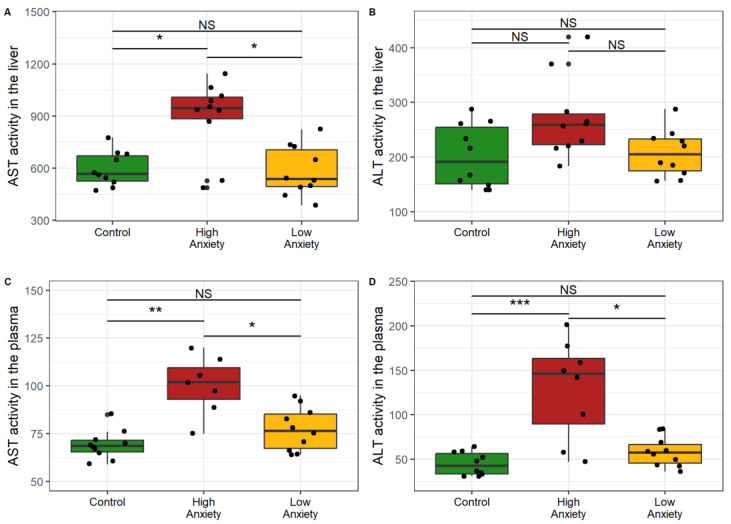
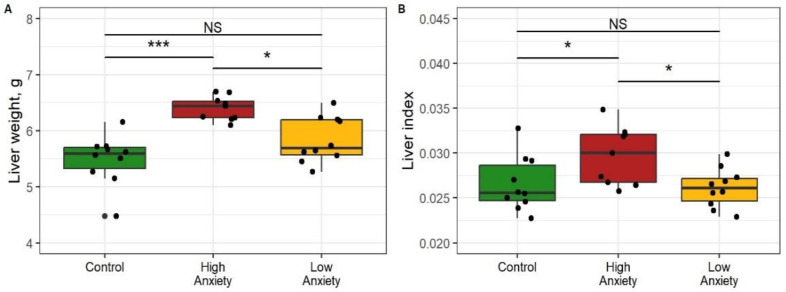
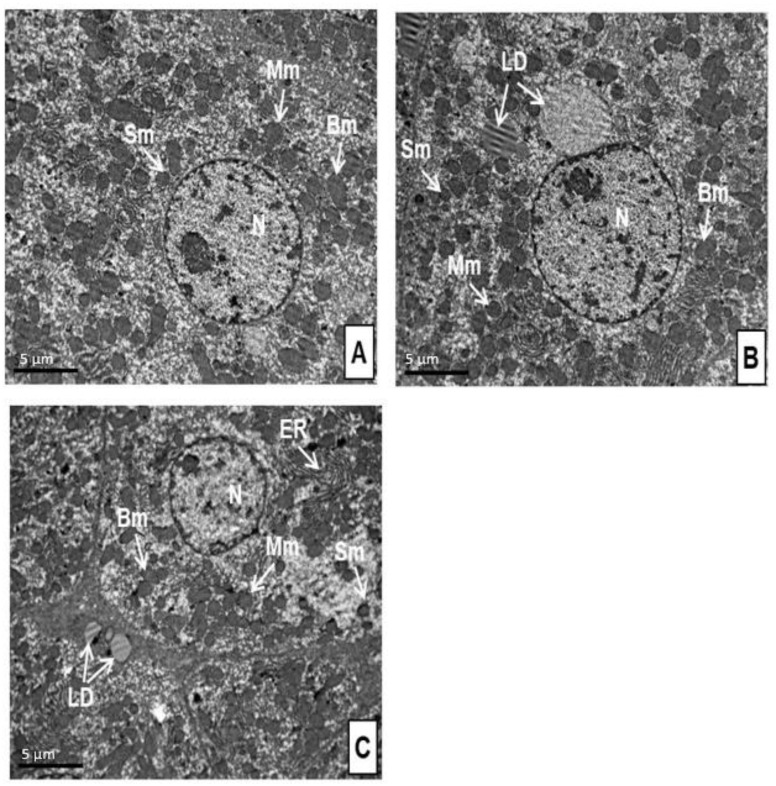
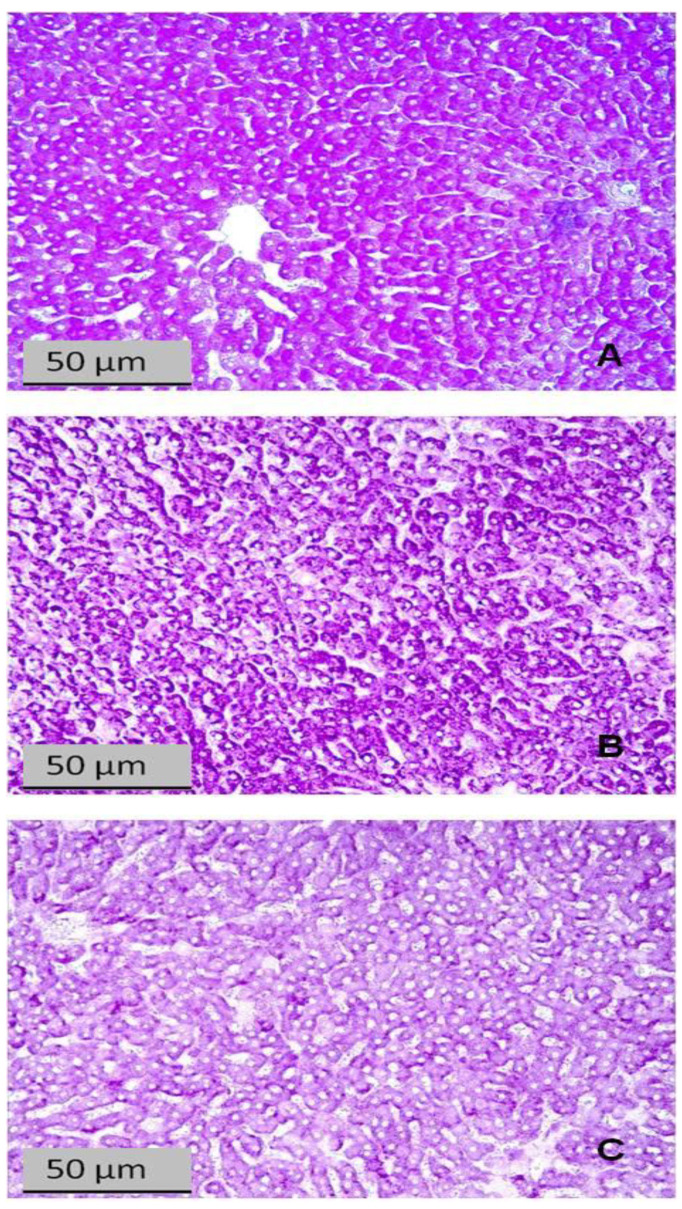
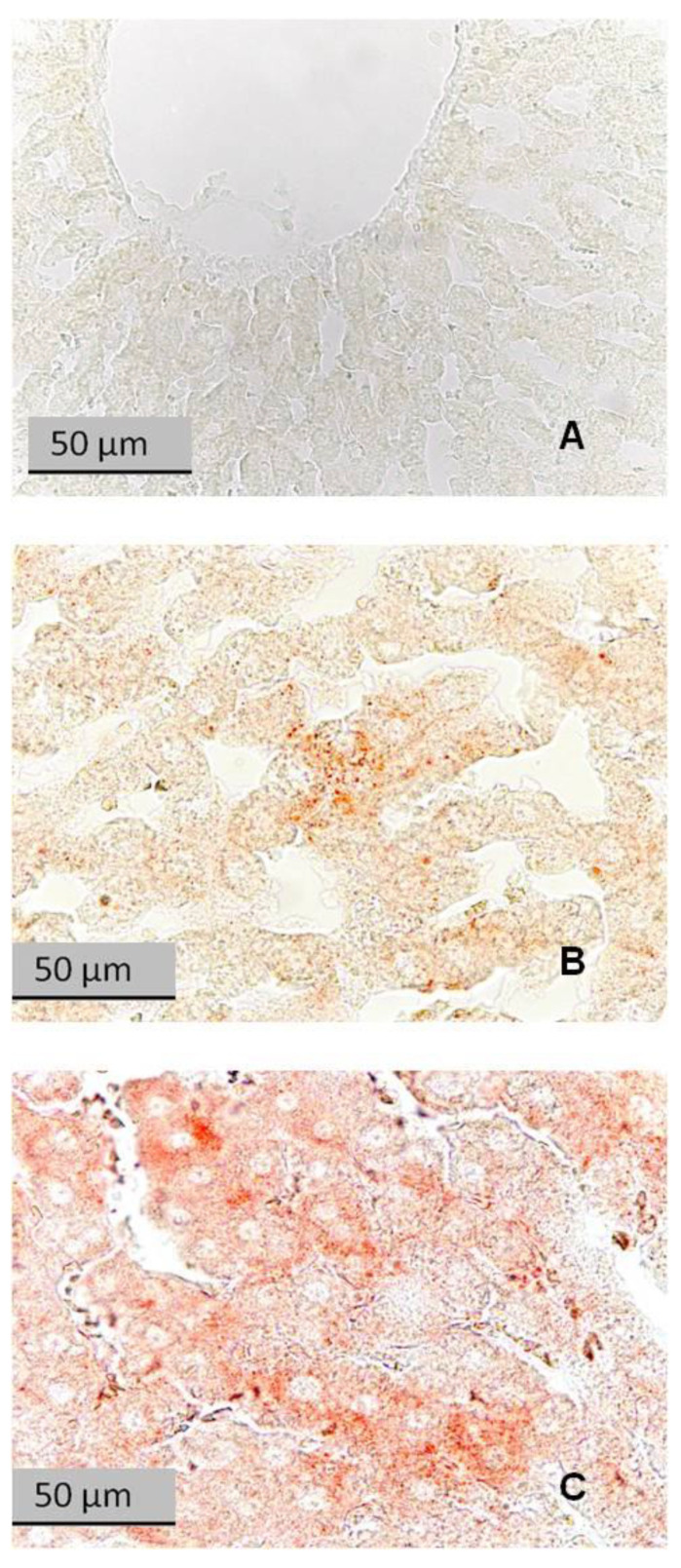
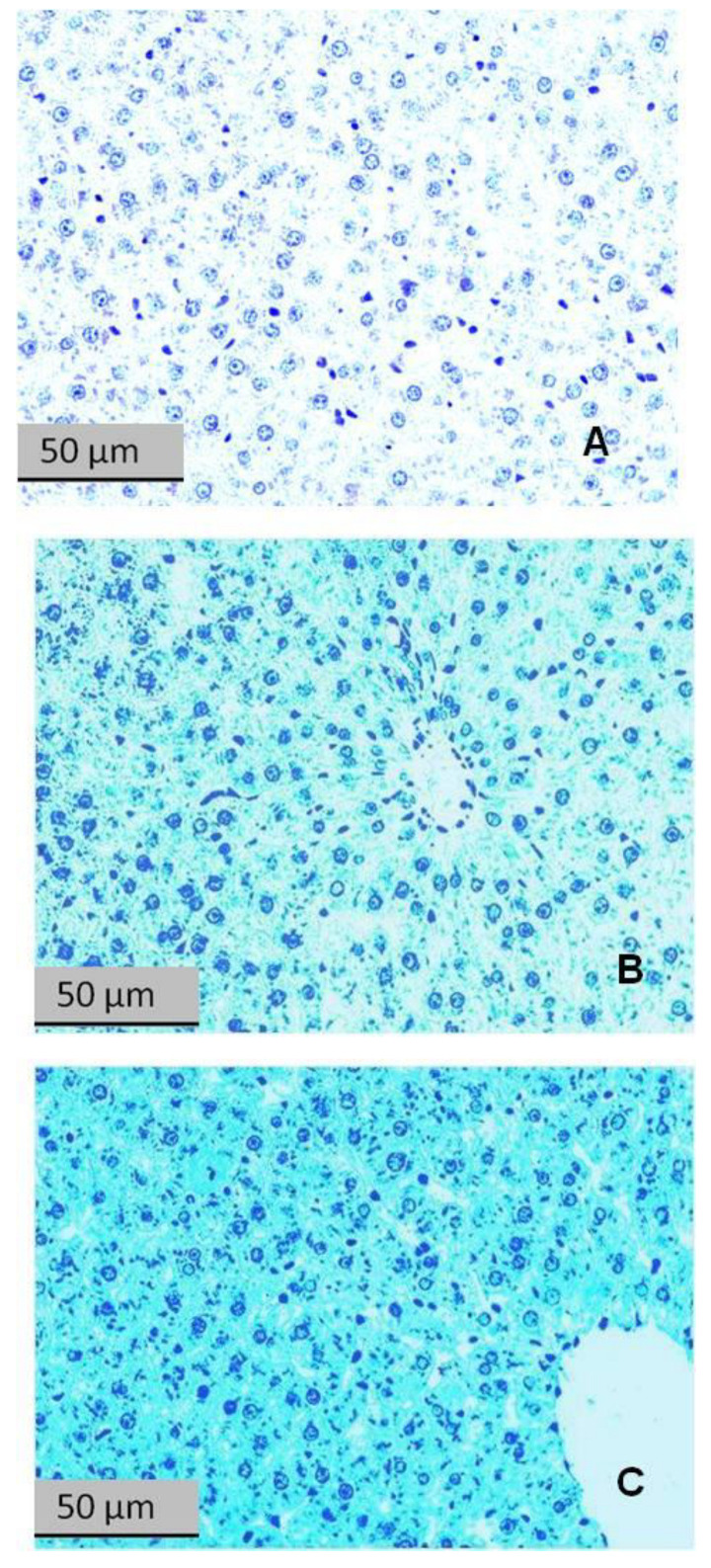
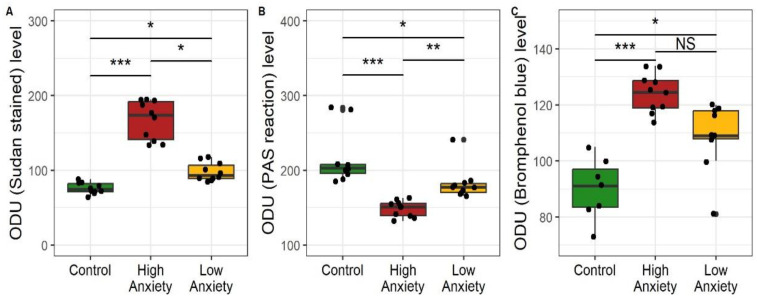
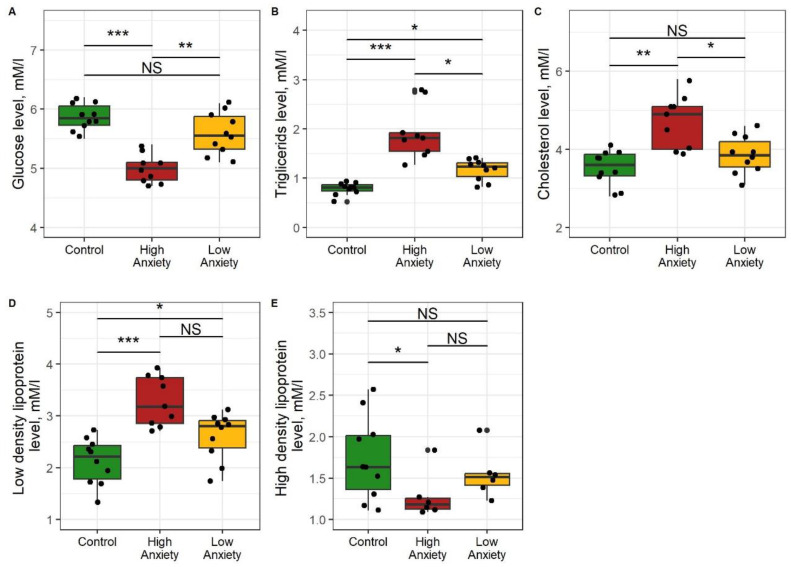
PTSD is associated with disturbed hepatic morphology and metabolism. Neuronal mitochondrial dysfunction is considered a subcellular determinant of PTSD, but a link between hepatic mitochondrial dysfunction and hepatic damage in PTSD has not been demonstrated. Thus, the effects of experimental PTSD on the livers of high anxiety (HA) and low anxiety (LA) rats were compared, and mitochondrial determinants underlying the difference in their hepatic damage were investigated. Rats were exposed to predator stress for 10 days. Then, 14 days post-stress, the rats were evaluated with an elevated plus maze and assigned to HA and LA groups according to their anxiety index. Experimental PTSD caused dystrophic changes in hepatocytes of HA rats and hepatocellular damage evident by increased plasma ALT and AST activities. Mitochondrial dysfunction was evident as a predominance of small-size mitochondria in HA rats, which was positively correlated with anxiety index, activities of plasma transaminases, hepatic lipids, and negatively correlated with hepatic glycogen. In contrast, LA rats had a predominance of medium-sized mitochondria. Thus, we show links between mitochondrial dysfunction, hepatic damage, and heightened anxiety in PTSD rats. These results will provide a foundation for future research on the role of hepatic dysfunction in PTSD pathogenesis.
创伤后应激障碍与肝形态和代谢紊乱有关。神经元线粒体功能障碍被认为是创伤后应激障碍的亚细胞决定因素,但尚未证明创伤后应激障碍与肝线粒体功能障碍和肝损伤之间存在联系。因此,比较了实验性创伤后应激障碍对高焦虑(HA)和低焦虑(LA)大鼠肝脏的影响,并研究了其肝损伤差异的线粒体决定因素。大鼠接受捕食者应激 10 天。然后,在应激后 14 天,用高架十字迷宫对大鼠进行评估,并根据焦虑指数将其分为 HA 和 LA 组。实验性创伤后应激障碍导致 HA 大鼠肝细胞出现营养不良性变化,肝损伤明显表现为血浆 ALT 和 AST 活性升高。线粒体功能障碍表现为 HA 大鼠中小体型线粒体为主,与焦虑指数、血浆转氨酶活性、肝脂质呈正相关,与肝糖原呈负相关。相比之下,LA 大鼠以中等体型线粒体为主。因此,我们证明了创伤后应激障碍大鼠中线粒体功能障碍、肝损伤和焦虑增加之间存在联系。这些结果将为未来研究肝功能障碍在创伤后应激障碍发病机制中的作用提供基础。