Department of General, Interventional and Neuroradiology, Wroclaw Medical University, Borowska 213, 50-556 Wroclaw, Poland.
Faculty of Medicine, Wroclaw Medical University, Wybrzeże L. Pasteura 1, 50-367 Wroclaw, Poland.
Medicina (Kaunas). 2023 Jul 25;59(8):1358. doi: 10.3390/medicina59081358.
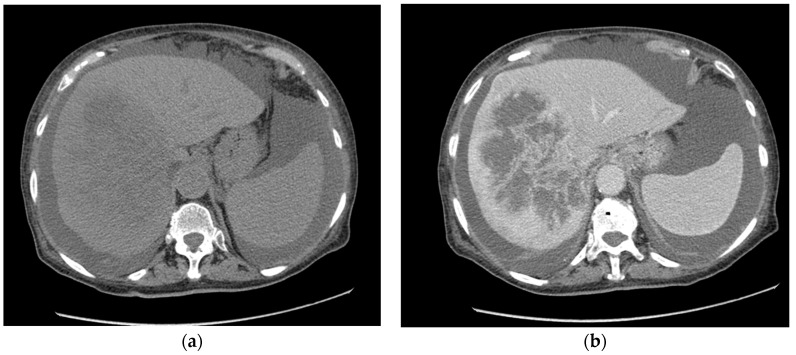
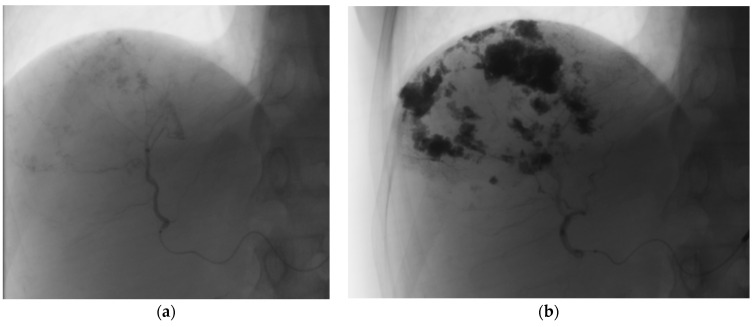
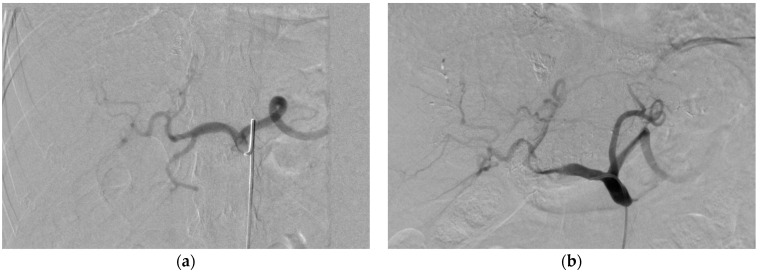
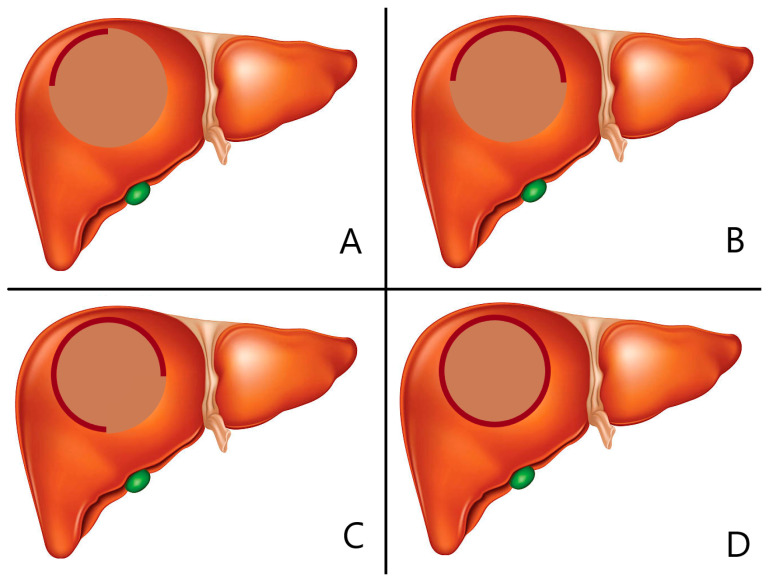
Giant hepatic hemangiomas present a significant clinical challenge, and effective treatment options are warranted. This study aimed to assess the safety and feasibility of transarterial bleomycin-lipiodol embolization in patients with giant hepatic hemangiomas. A retrospective analysis was conducted on patients with giant hepatic hemangiomas (>5 cm). Transarterial chemoembolization (TACE) was performed using 7-20 cc of lipiodol mixed with 1500 IU of bleomycin. Safety outcomes, including post-embolization syndrome (PES), hepatic artery dissection, systemic complications, and access site complications, were evaluated. Radiation doses were also measured. Feasibility was assessed based on the achieved hemangioma coverage. Seventy-three patients (49 female, 24 male) with a mean age of 55.52 years were treated between December 2014 and April 2023. The average hospitalization duration was 3.82 days, and 97.3% of lesions were limited to one liver lobe. The average bleomycin dose per procedure was 1301.5625 IU, while the average lipiodol dose was 11.04 cc. The average radiation dose was 0.56 Gy. PES occurred after 45.7% of TACE procedures, with varying severity. Complications such as hepatic artery dissection (three cases), access site complications (two cases), and other complications (one case) were observed. No treatment-related mortality occurred. Hemangioma coverage exceeding 75% was achieved in 77.5% of cases. The study results suggest that transarterial bleomycin-lipiodol embolization is a safe and feasible treatment option for a heterogeneous group of patients with giant hepatic hemangiomas. This approach may hold promise in improving outcomes for patients with this challenging condition.
巨大型肝血管瘤的治疗极具挑战性,因此需要寻找有效的治疗方法。本研究旨在评估经动脉博来霉素-碘化油栓塞术治疗巨大型肝血管瘤的安全性和可行性。我们对 73 例直径>5cm 的巨大型肝血管瘤患者进行了回顾性分析。采用 7-20ml 碘化油混合 1500IU 博来霉素进行经动脉化疗栓塞术(TACE)。评估了包括栓塞后综合征(PES)、肝动脉夹层、全身并发症和入路部位并发症在内的安全性结局,并测量了辐射剂量。根据血管瘤的覆盖情况评估可行性。73 例患者(女 49 例,男 24 例)的平均年龄为 55.52 岁,治疗时间为 2014 年 12 月至 2023 年 4 月。平均住院时间为 3.82 天,97.3%的病变局限于一个肝叶。每次治疗的博来霉素平均剂量为 1301.5625IU,碘化油平均剂量为 11.04ml。平均辐射剂量为 0.56Gy。45.7%的 TACE 术后出现 PES,严重程度不一。观察到 3 例肝动脉夹层、2 例入路部位并发症和 1 例其他并发症。无治疗相关死亡。77.5%的患者血管瘤覆盖率超过 75%。研究结果表明,经动脉博来霉素-碘化油栓塞术治疗巨大型肝血管瘤是一种安全可行的方法,适用于多种不同类型的患者。这种方法可能有助于改善这种具有挑战性疾病患者的预后。