Department of Construction, Escuela Politécnica Superior, University of Burgos, c/ Villadiego s/n, 09001, Burgos, Spain.
Universidad de Burgos Escuela Politecnica Superior, c/ Villadiego s/n, Burgos, 09001, Spain.
Environ Sci Pollut Res Int. 2023 Sep;30(45):101317-101342. doi: 10.1007/s11356-023-29375-y. Epub 2023 Aug 30.
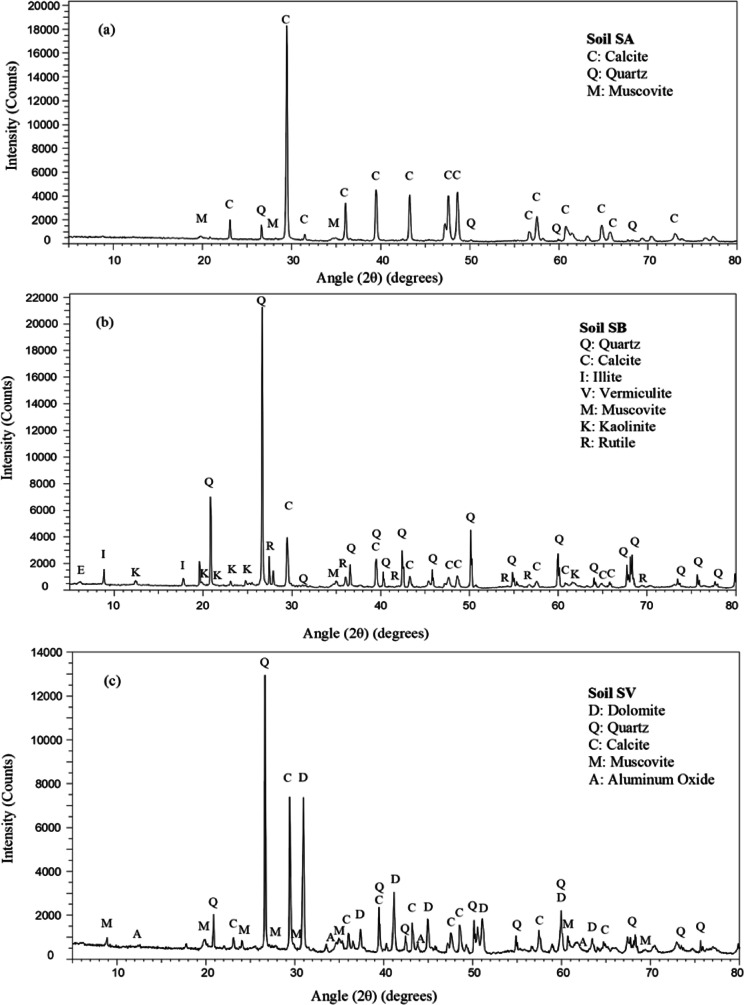
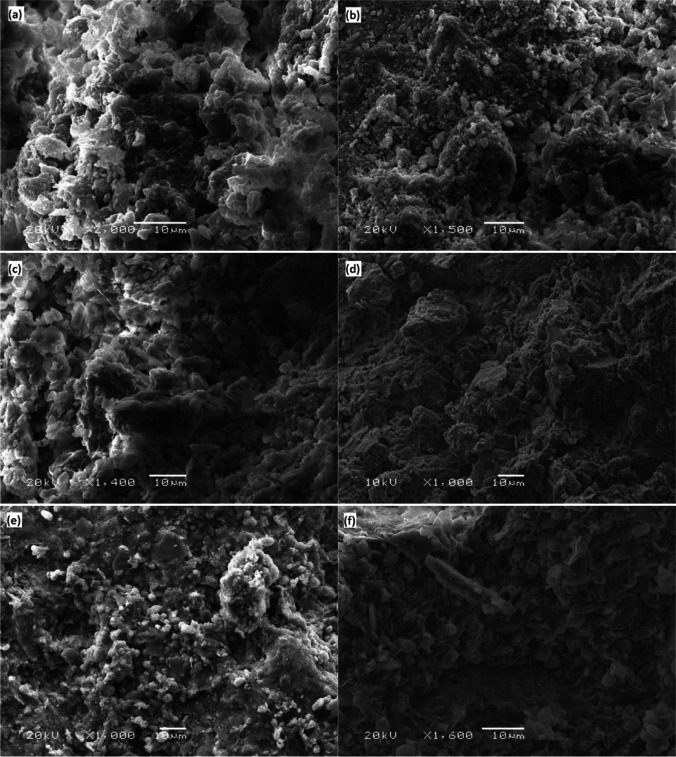
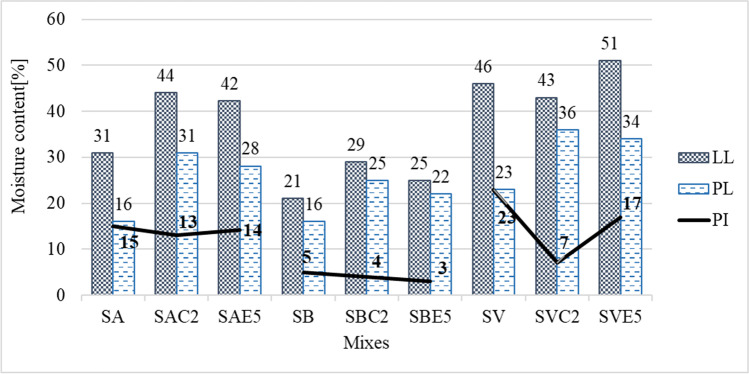
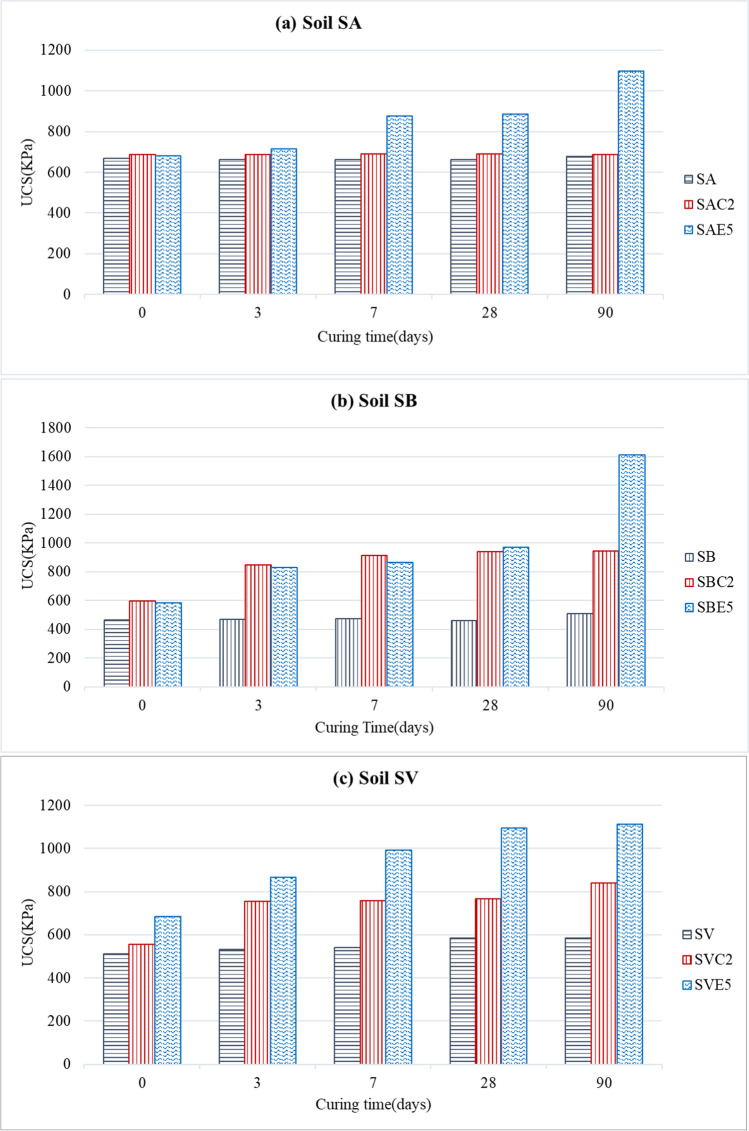
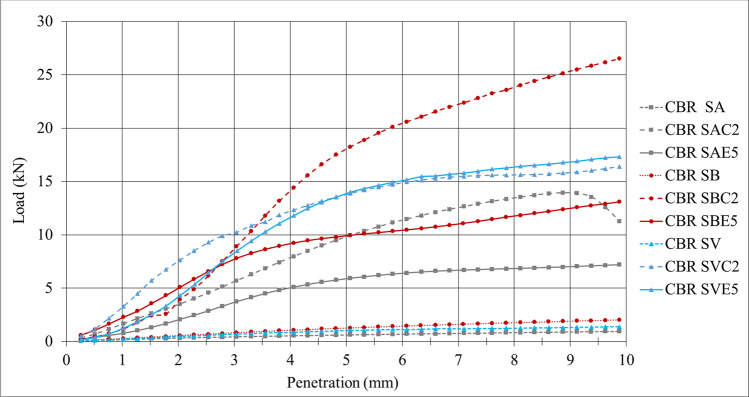
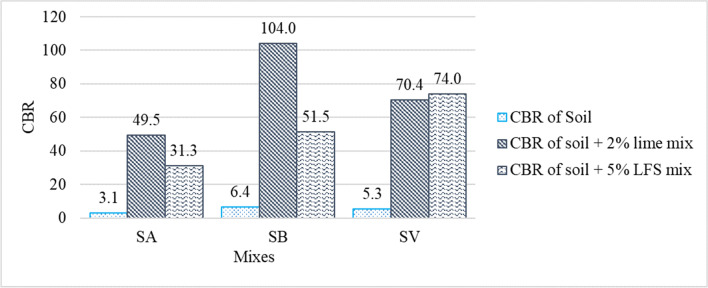
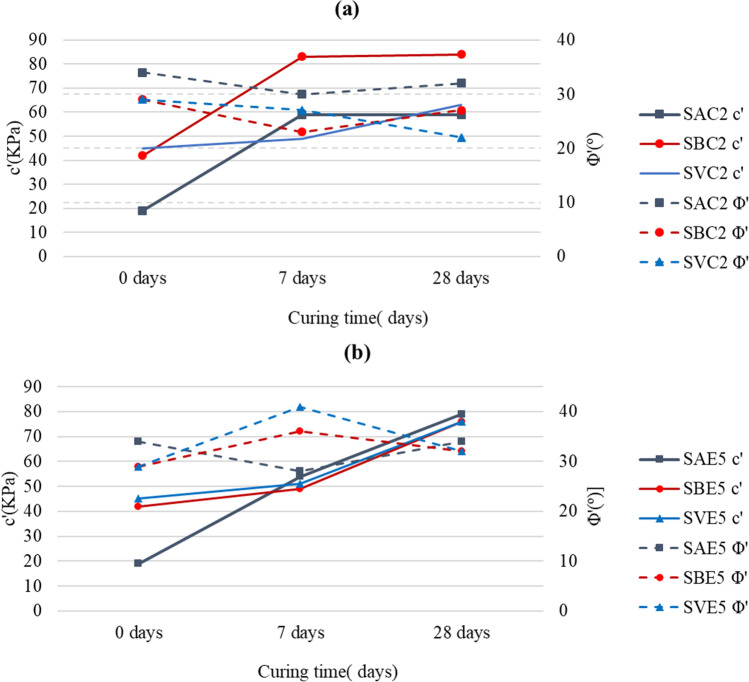
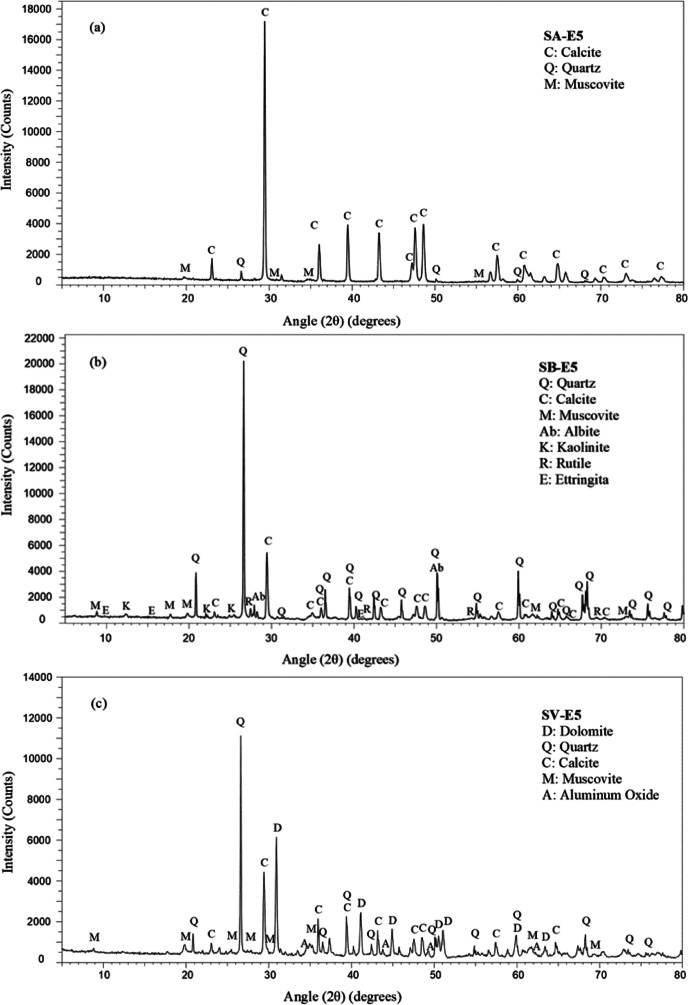
In this paper, the performance of ladle furnace slag (LFS), a by-product of secondary steel refining, is evaluated as a binder to stabilize clayey soils of low bearing capacity. The aim is to define whether additions of this by-product to clayey soil can stabilize the soil in accordance with the technical specifications of Spanish standards. To do so, three different soils stabilized with 5% LFS were compared with the same soils stabilized with 2% lime and with no stabilization, in order to investigate their different behaviors. The chemical and mineralogical characterizations of all the soil mixes were conducted using X-ray fluorescence, X-ray diffraction, and scanning electron microscopy. The Atterberg limit test was used to study the plastic behavior of the soils, and the results of compaction, bearing capacity, unconfined compressive strength, and direct shear strength (cohesion and friction angle) tests defined their strength characteristics. The analysis was completed with the pH monitoring of the mixes along the curing time in order to relate the pH changes with the strength evolution. The addition of LFS to the soils has resulted in an increase in the liquid limit and plastic limit, causing therefore a slight decrease in the plasticity index. All the soils showed increases between 30% and 70% in their California Bearing Ratios immediately after mixing with 5% LFS, and after 90 days of curing, improvements of 30-188% in their unconfined compressive strength were noted in comparison with untreated soil, which were higher than the lime-stabilized soils. The cohesion of soils stabilized with LFS at 28 days of curing obtained improvements ranging from 40 to 300% depending on the type of soil. However, the friction angle showed a slight increase of 10% in two of the soils and zero in another. The high initial pH in LFS-stabilized soils was maintained during the curing time, which favored the development of pozzolanic reactions that improve the soil strength. These results confirmed that the substitution of lime with LFS is a feasible option for soil stabilization.
本文评估了钢包炉渣(LFS)作为一种粘结剂来稳定低承载能力粘性土的性能。LFS 是二次炼钢的副产品。其目的是确定添加这种副产品是否可以根据西班牙标准的技术规范稳定土壤。为此,将三种不同的 LFS 稳定的粘性土与用 2%石灰稳定的粘性土和未稳定的粘性土进行了比较,以研究它们的不同行为。所有土壤混合物的化学和矿物学特性均采用 X 射线荧光、X 射线衍射和扫描电子显微镜进行了研究。使用界限含水率试验研究了土壤的塑性行为,压实、承载力、无侧限抗压强度和直接剪切强度(凝聚力和内摩擦角)试验的结果定义了它们的强度特性。通过监测混合土在固化过程中的 pH 值,将 pH 值的变化与强度的演化联系起来。将 LFS 添加到土壤中会导致液限和塑限增加,从而导致塑性指数略有降低。所有土壤在与 5%LFS 混合后立即表现出加利福尼亚承载比提高 30%至 70%,在 90 天的养护后,与未处理的土壤相比,无侧限抗压强度提高了 30%至 188%,这比石灰稳定的土壤更高。在 28 天的养护期内,LFS 稳定土的凝聚力提高了 40%至 300%,具体取决于土壤类型。然而,在两种土壤中摩擦角略有增加 10%,在另一种土壤中则为零。LFS 稳定土的初始 pH 值在固化过程中保持较高水平,有利于火山灰反应的发展,从而提高了土壤强度。这些结果证实,用 LFS 替代石灰是稳定土壤的一种可行选择。