• 文献检索
  • 文档翻译
  • 深度研究
  • 学术资讯
  • Suppr Zotero 插件Zotero 插件
  • 邀请有礼
  • 套餐&价格
  • 历史记录
应用&插件
Suppr Zotero 插件Zotero 插件浏览器插件Mac 客户端Windows 客户端微信小程序
定价
高级版会员购买积分包购买API积分包
服务
文献检索文档翻译深度研究API 文档MCP 服务
关于我们
关于 Suppr公司介绍联系我们用户协议隐私条款
关注我们

Suppr 超能文献

核心技术专利:CN118964589B侵权必究
粤ICP备2023148730 号-1Suppr @ 2026

文献检索

告别复杂PubMed语法,用中文像聊天一样搜索,搜遍4000万医学文献。AI智能推荐,让科研检索更轻松。

立即免费搜索

文件翻译

保留排版,准确专业,支持PDF/Word/PPT等文件格式,支持 12+语言互译。

免费翻译文档

深度研究

AI帮你快速写综述,25分钟生成高质量综述,智能提取关键信息,辅助科研写作。

立即免费体验

探索智利南部锡内斯港沿海公路的植被:维管植物名录

Exploring the vegetation of the coastal road in Puerto Cisnes, southern Chile: a vascular plant inventory.

作者信息

Pincheira-Ulbrich Jimmy

机构信息

Departamento de Ciencias Ambientales, Facultad de Recursos Naturales, Universidad Católica de Temuco. Rudecindo Ortega 02950, Temuco, Chile Departamento de Ciencias Ambientales, Facultad de Recursos Naturales, Universidad Católica de Temuco. Rudecindo Ortega 02950 Temuco Chile.

Núcleo de Estudios Ambientales, Universidad Católica de Temuco, Temuco, Chile Núcleo de Estudios Ambientales, Universidad Católica de Temuco Temuco Chile.

出版信息

Biodivers Data J. 2023 Aug 21;11:e107217. doi: 10.3897/BDJ.11.e107217. eCollection 2023.

DOI:10.3897/BDJ.11.e107217
PMID:37649736
原文链接:https://pmc.ncbi.nlm.nih.gov/articles/PMC10463178/
Abstract

BACKGROUND

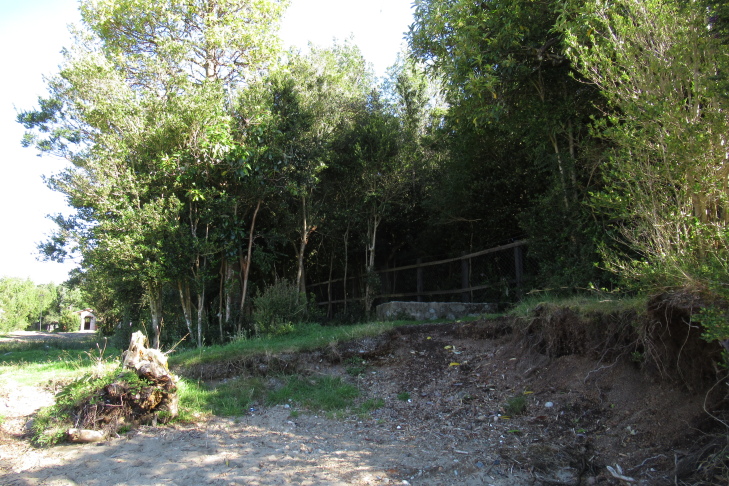
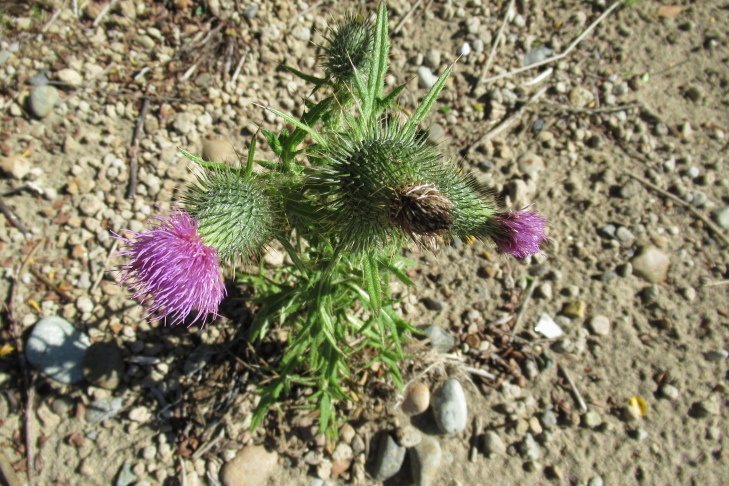
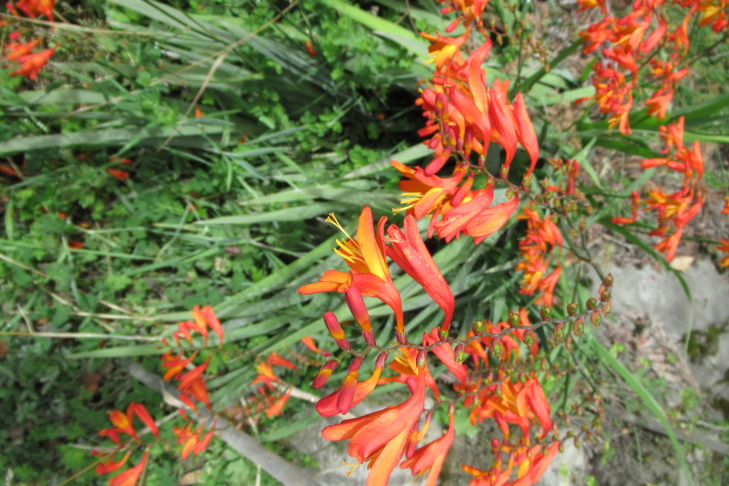
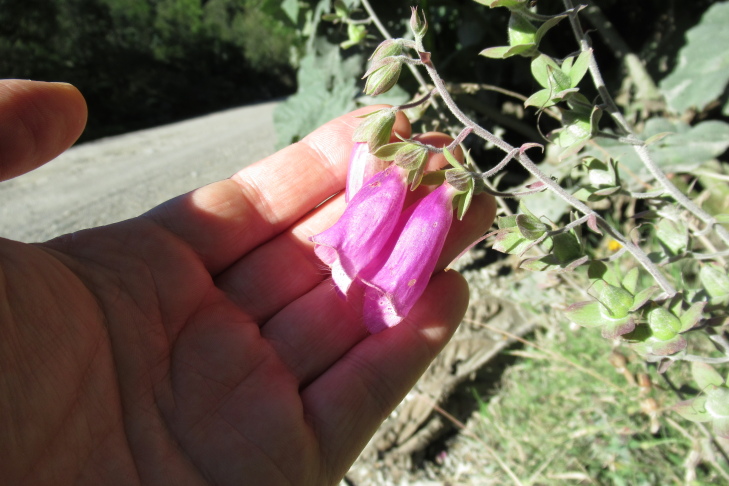
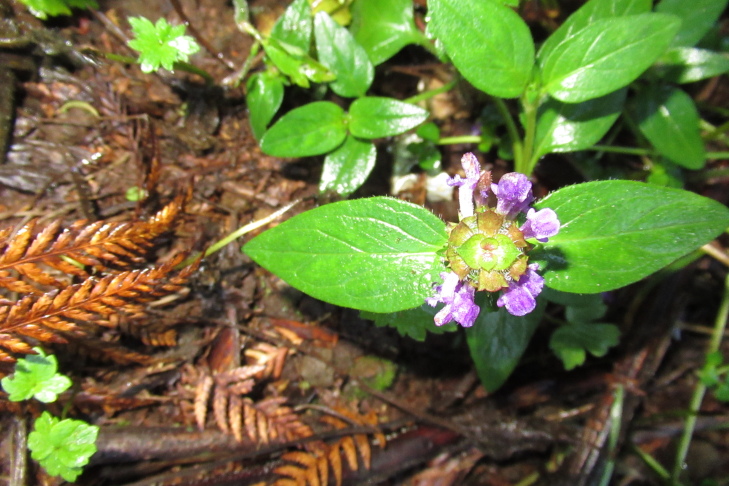
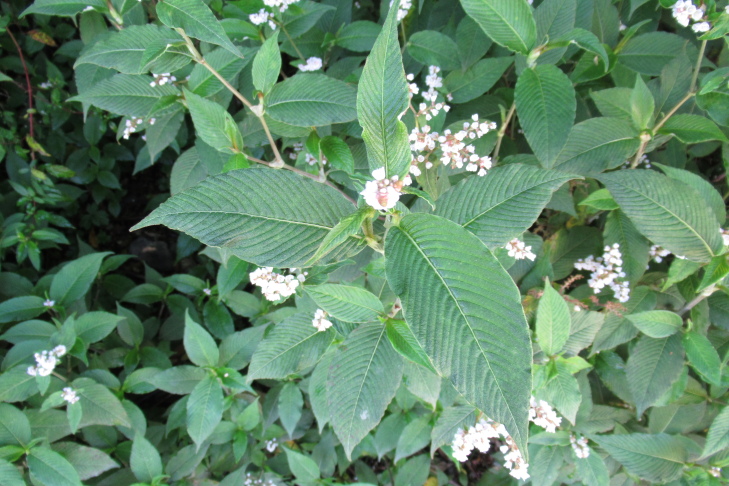
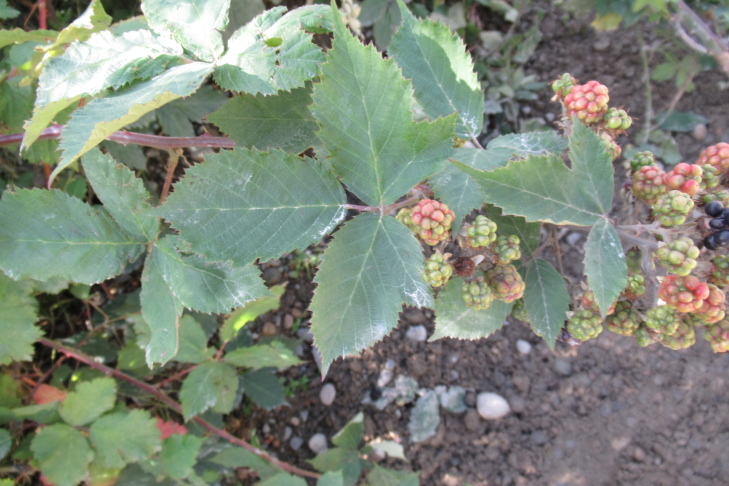
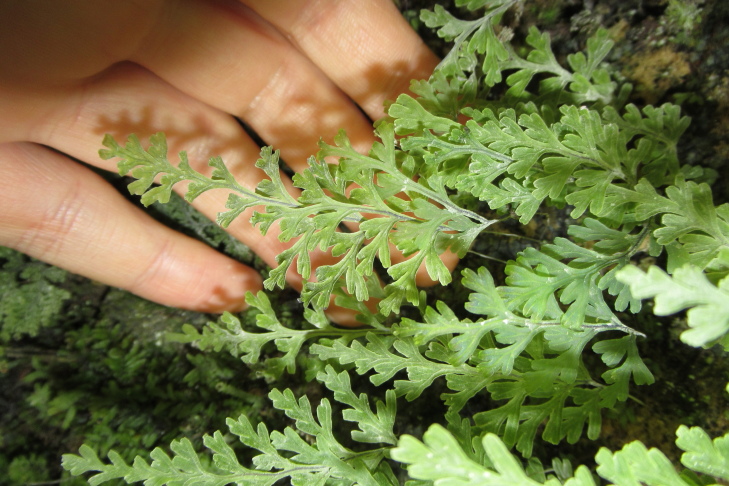
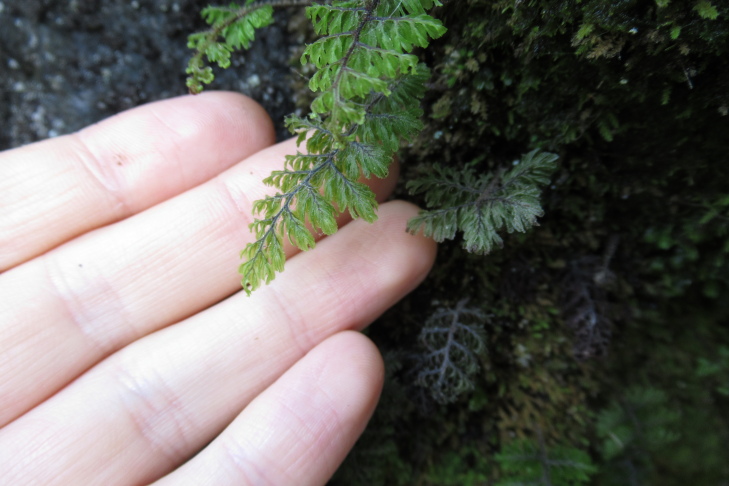
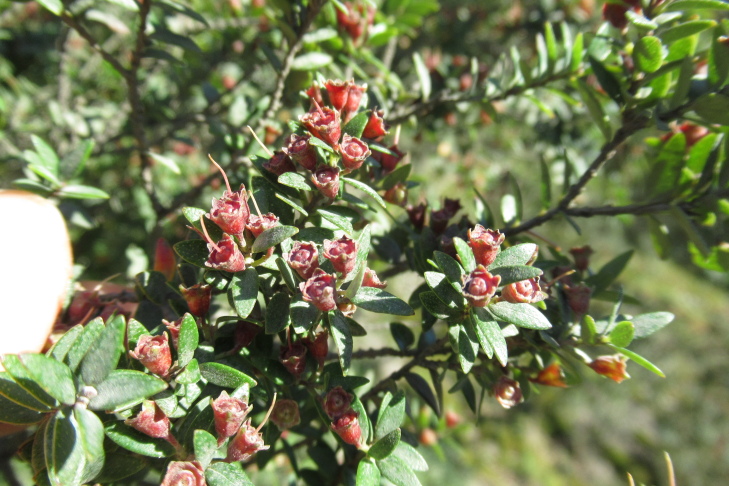
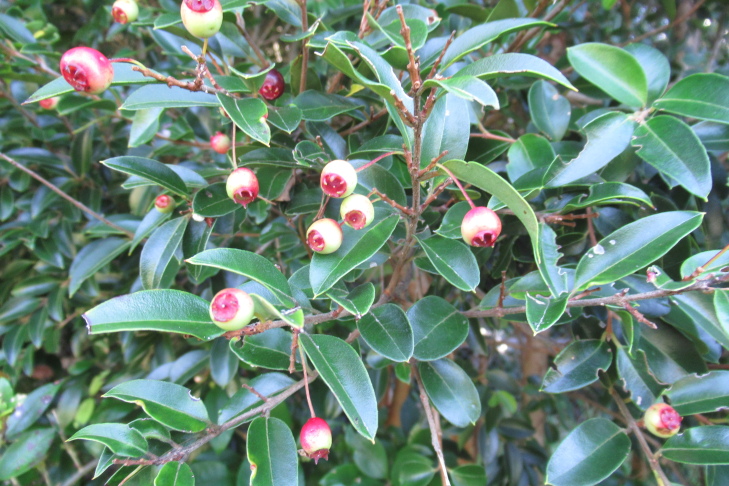
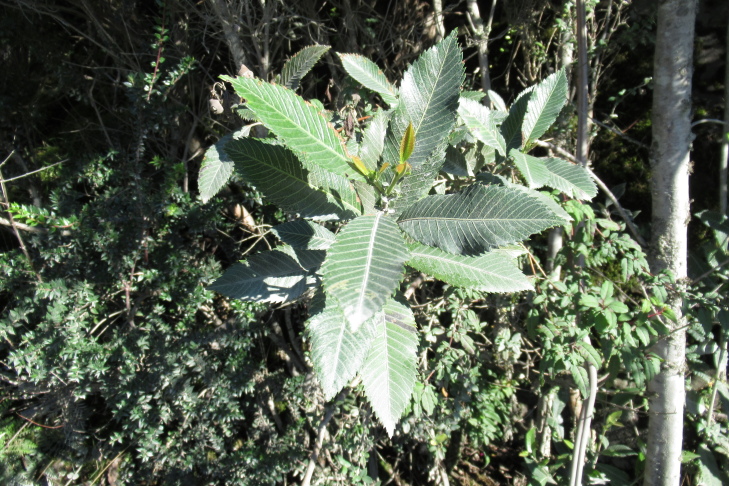
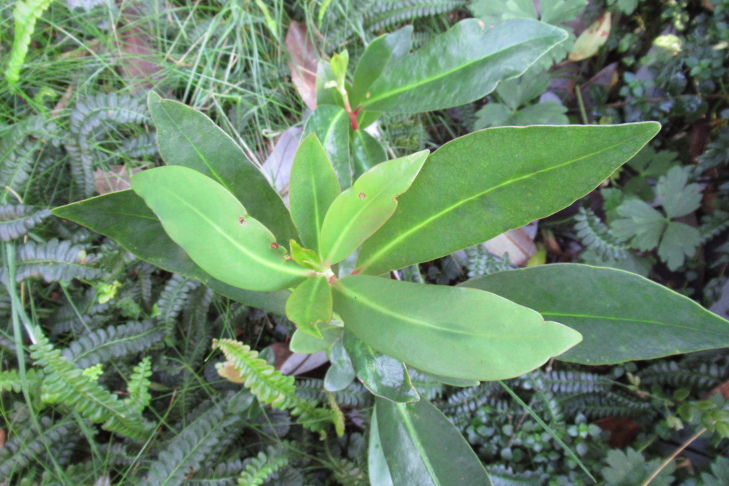
In areas of low disturbance, such as the Aysén Region of Chile, the presence of roads can inadvertently facilitate the spread of invasive species. To address this issue, it is imperative to maintain up-to-date biological inventories, as they serve as a primary source of information for the conservation of species and ecosystems. However, the maintenance of systematic inventories of vascular plants in Chile is virtually non-existent, especially outside protected wilderness areas. The data we have come from an inventory of vascular plant species along a stretch of coastal road in Puerto Cisnes (Aysén Region), characterised by a cut slope in the rock. The site is located between mountain ranges, in a region known for its protected wilderness areas and low levels of anthropogenic alteration. The study adopted an observational sampling design, using the road as a transect. For each species identified, the growth substrate, habit and dispersal mode were recorded. A total of 70 species (36 herbs, 23 shrubs and 11 trees) belonging to 42 families were found. The most represented families were Hymenophyllaceae (nine species) and Myrtaceae (four species). We recorded nine introduced species belonging to seven botanical families ( (Savi) Ten., (Lemoine ex Burb. & Dean) N.E.Br., (L.) Link, L., Cav., L., Hook. f., L., Lefèvre & P.J.Müll). Of these nine species, seven are invasive, while the remaining two species have not been assessed for invasive potential (i.e. and ). In particular, and are new regional records. The majority of species were found growing on the ground (44 species), while a significant proportion were found exclusively on rocky slopes (17 species). According to their seed dispersal mechanism, the most common syndromes were anemochory (32 species) and ornithochory (20 species). Other mechanisms such as mammalochory, ballochory or myrmecochory were less common (less than four species).

NEW INFORMATION

This study provides valuable data on the vascular flora of Puerto Cisnes, Chile, a modest human settlement in a minimally altered landscape. The region, dominated by native forests and a burgeoning salmon farming industry, has few inventories, so the database presented here adds significantly to local botanical knowledge. The main novelty of this research is that it is the first inventory carried out on a road in a slightly altered area surrounded by protected wilderness areas (such as Magdalena Island National Park and Queulat National Park). The study systematically categorises species according to substrate, habitat and dispersal mode, dimensions that are rarely combined in a single database.The inventory identifies 70 species (36 herbs, 23 shrubs and 11 trees) in 42 families. The most represented families were Hymenophyllaceae (with nine species) and Myrtaceae (with four species). Additionally, we recorded, two introduced species ( and ) at least 100 km south of their known distribution.

摘要

背景

在低干扰地区,如智利的艾森地区,道路的存在可能会无意中促进入侵物种的传播。为解决这一问题,必须保持最新的生物清单,因为它们是物种和生态系统保护的主要信息来源。然而,智利几乎没有对维管植物进行系统的清单编制,特别是在受保护的荒野地区之外。我们的数据来自于对奇斯内斯港(艾森地区)一段沿海公路沿线维管植物物种的清查,该路段以岩石边坡为特征。该地点位于山脉之间,所在地区以其受保护的荒野地区和低水平的人为干扰而闻名。该研究采用观察性抽样设计,将道路作为样带。对于每一种识别出的物种,记录其生长基质、习性和传播方式。共发现了属于42个科的70种植物(36种草本植物、23种灌木和11种乔木)。分布最广的科是膜蕨科(9种)和桃金娘科(4种)。我们记录了属于7个植物科的9种外来物种((萨维)滕、(勒莫因 ex 伯布 & 迪恩)N.E. 布尔、(林克)、、卡瓦、、胡克 f、、勒费弗尔 & P.J. 米尔)。在这9个物种中,7种是入侵物种,其余2种尚未评估其入侵潜力(即 和 )。特别是, 和 是新的区域记录。大多数物种生长在地面上(44种),而相当一部分仅生长在岩石斜坡上(17种)。根据它们的种子传播机制,最常见的传播综合征是风媒传播(32种)和鸟媒传播(20种)。其他机制,如兽媒传播、弹射传播或蚁媒传播则不太常见(少于4种)。

新信息

本研究提供了关于智利奇斯内斯港维管植物区系的宝贵数据,奇斯内斯港是一个人类活动影响较小的适度聚居地。该地区以原生森林和新兴的鲑鱼养殖产业为主,清单较少,因此这里呈现的数据库显著增加了当地的植物学知识。这项研究的主要新颖之处在于,它是在一个受到轻微改变、被受保护的荒野地区(如马格达莱纳岛国家公园和奎拉特国家公园)环绕的区域的道路上进行的首次清查。该研究根据基质、栖息地和传播方式对物种进行系统分类,这些维度很少在单个数据库中结合起来。该清单识别出42个科中的70种植物(36种草本植物、23种灌木和11种乔木)。分布最广的科是膜蕨科(9种)和桃金娘科(4种)。此外,我们记录了两种外来物种( 和 ),它们在已知分布以南至少100公里处被发现。
https://cdn.ncbi.nlm.nih.gov/pmc/blobs/2f55/10463178/82e6ba2b3670/bdj-11-e107217-g007_f.jpg
https://cdn.ncbi.nlm.nih.gov/pmc/blobs/2f55/10463178/a29644cb1544/bdj-11-e107217-g001.jpg
https://cdn.ncbi.nlm.nih.gov/pmc/blobs/2f55/10463178/ded2e92ad21b/bdj-11-e107217-g002_a.jpg
https://cdn.ncbi.nlm.nih.gov/pmc/blobs/2f55/10463178/7b33eefd4f25/bdj-11-e107217-g002_b.jpg
https://cdn.ncbi.nlm.nih.gov/pmc/blobs/2f55/10463178/7013f0283eb2/bdj-11-e107217-g002_c.jpg
https://cdn.ncbi.nlm.nih.gov/pmc/blobs/2f55/10463178/bf62d0036268/bdj-11-e107217-g002_d.jpg
https://cdn.ncbi.nlm.nih.gov/pmc/blobs/2f55/10463178/8f42fda400c5/bdj-11-e107217-g003_a.jpg
https://cdn.ncbi.nlm.nih.gov/pmc/blobs/2f55/10463178/a15240c6a7df/bdj-11-e107217-g003_b.jpg
https://cdn.ncbi.nlm.nih.gov/pmc/blobs/2f55/10463178/e59885cd80c6/bdj-11-e107217-g003_c.jpg
https://cdn.ncbi.nlm.nih.gov/pmc/blobs/2f55/10463178/9c66bbf44256/bdj-11-e107217-g003_d.jpg
https://cdn.ncbi.nlm.nih.gov/pmc/blobs/2f55/10463178/31755fe111d6/bdj-11-e107217-g003_e.jpg
https://cdn.ncbi.nlm.nih.gov/pmc/blobs/2f55/10463178/4093895bef9e/bdj-11-e107217-g003_f.jpg
https://cdn.ncbi.nlm.nih.gov/pmc/blobs/2f55/10463178/f42a8a6b303b/bdj-11-e107217-g004_a.jpg
https://cdn.ncbi.nlm.nih.gov/pmc/blobs/2f55/10463178/f08b3e00b913/bdj-11-e107217-g004_b.jpg
https://cdn.ncbi.nlm.nih.gov/pmc/blobs/2f55/10463178/cf6b617c7842/bdj-11-e107217-g004_c.jpg
https://cdn.ncbi.nlm.nih.gov/pmc/blobs/2f55/10463178/caacaafe617f/bdj-11-e107217-g004_d.jpg
https://cdn.ncbi.nlm.nih.gov/pmc/blobs/2f55/10463178/ea331e0ca56a/bdj-11-e107217-g004_e.jpg
https://cdn.ncbi.nlm.nih.gov/pmc/blobs/2f55/10463178/cffb726279ca/bdj-11-e107217-g004_f.jpg
https://cdn.ncbi.nlm.nih.gov/pmc/blobs/2f55/10463178/3fc1313b41c0/bdj-11-e107217-g005_a.jpg
https://cdn.ncbi.nlm.nih.gov/pmc/blobs/2f55/10463178/23f9f1a51d55/bdj-11-e107217-g005_b.jpg
https://cdn.ncbi.nlm.nih.gov/pmc/blobs/2f55/10463178/1048656434c7/bdj-11-e107217-g005_c.jpg
https://cdn.ncbi.nlm.nih.gov/pmc/blobs/2f55/10463178/859e3f81fb2d/bdj-11-e107217-g005_d.jpg
https://cdn.ncbi.nlm.nih.gov/pmc/blobs/2f55/10463178/4723cd76c68b/bdj-11-e107217-g005_e.jpg
https://cdn.ncbi.nlm.nih.gov/pmc/blobs/2f55/10463178/dc8057299317/bdj-11-e107217-g005_f.jpg
https://cdn.ncbi.nlm.nih.gov/pmc/blobs/2f55/10463178/c3079346cec0/bdj-11-e107217-g006_a.jpg
https://cdn.ncbi.nlm.nih.gov/pmc/blobs/2f55/10463178/9a592a3fdd72/bdj-11-e107217-g006_b.jpg
https://cdn.ncbi.nlm.nih.gov/pmc/blobs/2f55/10463178/5889612d1a1f/bdj-11-e107217-g006_c.jpg
https://cdn.ncbi.nlm.nih.gov/pmc/blobs/2f55/10463178/c8412b0ee566/bdj-11-e107217-g006_d.jpg
https://cdn.ncbi.nlm.nih.gov/pmc/blobs/2f55/10463178/bfac7c23ed90/bdj-11-e107217-g006_e.jpg
https://cdn.ncbi.nlm.nih.gov/pmc/blobs/2f55/10463178/0c99b7d238f0/bdj-11-e107217-g006_f.jpg
https://cdn.ncbi.nlm.nih.gov/pmc/blobs/2f55/10463178/697f8dd91d7c/bdj-11-e107217-g007_a.jpg
https://cdn.ncbi.nlm.nih.gov/pmc/blobs/2f55/10463178/448df80f33f9/bdj-11-e107217-g007_b.jpg
https://cdn.ncbi.nlm.nih.gov/pmc/blobs/2f55/10463178/a8ec6957070f/bdj-11-e107217-g007_c.jpg
https://cdn.ncbi.nlm.nih.gov/pmc/blobs/2f55/10463178/aa89485c1c42/bdj-11-e107217-g007_d.jpg
https://cdn.ncbi.nlm.nih.gov/pmc/blobs/2f55/10463178/82e6ba2b3670/bdj-11-e107217-g007_f.jpg
https://cdn.ncbi.nlm.nih.gov/pmc/blobs/2f55/10463178/a29644cb1544/bdj-11-e107217-g001.jpg
https://cdn.ncbi.nlm.nih.gov/pmc/blobs/2f55/10463178/ded2e92ad21b/bdj-11-e107217-g002_a.jpg
https://cdn.ncbi.nlm.nih.gov/pmc/blobs/2f55/10463178/7b33eefd4f25/bdj-11-e107217-g002_b.jpg
https://cdn.ncbi.nlm.nih.gov/pmc/blobs/2f55/10463178/7013f0283eb2/bdj-11-e107217-g002_c.jpg
https://cdn.ncbi.nlm.nih.gov/pmc/blobs/2f55/10463178/bf62d0036268/bdj-11-e107217-g002_d.jpg
https://cdn.ncbi.nlm.nih.gov/pmc/blobs/2f55/10463178/8f42fda400c5/bdj-11-e107217-g003_a.jpg
https://cdn.ncbi.nlm.nih.gov/pmc/blobs/2f55/10463178/a15240c6a7df/bdj-11-e107217-g003_b.jpg
https://cdn.ncbi.nlm.nih.gov/pmc/blobs/2f55/10463178/e59885cd80c6/bdj-11-e107217-g003_c.jpg
https://cdn.ncbi.nlm.nih.gov/pmc/blobs/2f55/10463178/9c66bbf44256/bdj-11-e107217-g003_d.jpg
https://cdn.ncbi.nlm.nih.gov/pmc/blobs/2f55/10463178/31755fe111d6/bdj-11-e107217-g003_e.jpg
https://cdn.ncbi.nlm.nih.gov/pmc/blobs/2f55/10463178/4093895bef9e/bdj-11-e107217-g003_f.jpg
https://cdn.ncbi.nlm.nih.gov/pmc/blobs/2f55/10463178/f42a8a6b303b/bdj-11-e107217-g004_a.jpg
https://cdn.ncbi.nlm.nih.gov/pmc/blobs/2f55/10463178/f08b3e00b913/bdj-11-e107217-g004_b.jpg
https://cdn.ncbi.nlm.nih.gov/pmc/blobs/2f55/10463178/cf6b617c7842/bdj-11-e107217-g004_c.jpg
https://cdn.ncbi.nlm.nih.gov/pmc/blobs/2f55/10463178/caacaafe617f/bdj-11-e107217-g004_d.jpg
https://cdn.ncbi.nlm.nih.gov/pmc/blobs/2f55/10463178/ea331e0ca56a/bdj-11-e107217-g004_e.jpg
https://cdn.ncbi.nlm.nih.gov/pmc/blobs/2f55/10463178/cffb726279ca/bdj-11-e107217-g004_f.jpg
https://cdn.ncbi.nlm.nih.gov/pmc/blobs/2f55/10463178/3fc1313b41c0/bdj-11-e107217-g005_a.jpg
https://cdn.ncbi.nlm.nih.gov/pmc/blobs/2f55/10463178/23f9f1a51d55/bdj-11-e107217-g005_b.jpg
https://cdn.ncbi.nlm.nih.gov/pmc/blobs/2f55/10463178/1048656434c7/bdj-11-e107217-g005_c.jpg
https://cdn.ncbi.nlm.nih.gov/pmc/blobs/2f55/10463178/859e3f81fb2d/bdj-11-e107217-g005_d.jpg
https://cdn.ncbi.nlm.nih.gov/pmc/blobs/2f55/10463178/4723cd76c68b/bdj-11-e107217-g005_e.jpg
https://cdn.ncbi.nlm.nih.gov/pmc/blobs/2f55/10463178/dc8057299317/bdj-11-e107217-g005_f.jpg
https://cdn.ncbi.nlm.nih.gov/pmc/blobs/2f55/10463178/c3079346cec0/bdj-11-e107217-g006_a.jpg
https://cdn.ncbi.nlm.nih.gov/pmc/blobs/2f55/10463178/9a592a3fdd72/bdj-11-e107217-g006_b.jpg
https://cdn.ncbi.nlm.nih.gov/pmc/blobs/2f55/10463178/5889612d1a1f/bdj-11-e107217-g006_c.jpg
https://cdn.ncbi.nlm.nih.gov/pmc/blobs/2f55/10463178/c8412b0ee566/bdj-11-e107217-g006_d.jpg
https://cdn.ncbi.nlm.nih.gov/pmc/blobs/2f55/10463178/bfac7c23ed90/bdj-11-e107217-g006_e.jpg
https://cdn.ncbi.nlm.nih.gov/pmc/blobs/2f55/10463178/0c99b7d238f0/bdj-11-e107217-g006_f.jpg
https://cdn.ncbi.nlm.nih.gov/pmc/blobs/2f55/10463178/697f8dd91d7c/bdj-11-e107217-g007_a.jpg
https://cdn.ncbi.nlm.nih.gov/pmc/blobs/2f55/10463178/448df80f33f9/bdj-11-e107217-g007_b.jpg
https://cdn.ncbi.nlm.nih.gov/pmc/blobs/2f55/10463178/a8ec6957070f/bdj-11-e107217-g007_c.jpg
https://cdn.ncbi.nlm.nih.gov/pmc/blobs/2f55/10463178/aa89485c1c42/bdj-11-e107217-g007_d.jpg
https://cdn.ncbi.nlm.nih.gov/pmc/blobs/2f55/10463178/82e6ba2b3670/bdj-11-e107217-g007_f.jpg

相似文献

1
Exploring the vegetation of the coastal road in Puerto Cisnes, southern Chile: a vascular plant inventory.探索智利南部锡内斯港沿海公路的植被:维管植物名录
Biodivers Data J. 2023 Aug 21;11:e107217. doi: 10.3897/BDJ.11.e107217. eCollection 2023.
2
A 30-year update of the climbers and vascular epiphytes inventory of the Cerro Ñielol Natural Monument (La Araucanía, Chile): a database.塞罗·涅洛自然纪念区(智利阿劳卡尼亚省)攀缘植物和附生维管植物清单30年更新:一个数据库
Biodivers Data J. 2021 Sep 15;9:e72521. doi: 10.3897/BDJ.9.e72521. eCollection 2021.
3
Trees, shrubs and herbs of the coastal Myrtaceae swamp forest (Región de La Araucanía, Chile): a dataset.智利阿劳卡尼亚地区沿海桃金娘科沼泽森林的树木、灌木和草本植物:一个数据集
Biodivers Data J. 2021 Mar 1;9:e63634. doi: 10.3897/BDJ.9.e63634. eCollection 2021.
4
Hydroids (Cnidaria, Hydrozoa) from Mauritanian Coral Mounds.来自毛里塔尼亚珊瑚丘的水螅虫纲动物(刺胞动物门,水螅虫纲)。
Zootaxa. 2020 Nov 16;4878(3):zootaxa.4878.3.2. doi: 10.11646/zootaxa.4878.3.2.
5
Landscape development, forest fires, and wilderness management.景观开发、森林火灾与荒野管理。
Science. 1974 Nov 8;186(4163):487-95. doi: 10.1126/science.186.4163.487.
6
New record of Bosch (Polypodiopsida, Hymenophyllaceae) extends the mainland distribution in the coastal Mediterranean Forest of South America.波希蕨属(水龙骨科,膜蕨科)的新记录扩展了其在南美洲地中海沿岸森林的大陆分布范围。
Biodivers Data J. 2022 Aug 3;10:e84169. doi: 10.3897/BDJ.10.e84169. eCollection 2022.
7
Plant species diversity assessment and monitoring in catchment areas of River Chenab, Punjab, Pakistan.巴基斯坦旁遮普省杰纳布河流域的植物物种多样性评估与监测。
PLoS One. 2022 Aug 12;17(8):e0272654. doi: 10.1371/journal.pone.0272654. eCollection 2022.
8
Folic acid supplementation and malaria susceptibility and severity among people taking antifolate antimalarial drugs in endemic areas.在流行地区,服用抗叶酸抗疟药物的人群中,叶酸补充剂与疟疾易感性和严重程度的关系。
Cochrane Database Syst Rev. 2022 Feb 1;2(2022):CD014217. doi: 10.1002/14651858.CD014217.
9
Protected-area boundaries as filters of plant invasions.保护区边界作为植物入侵的过滤器。
Conserv Biol. 2011 Apr;25(2):400-5. doi: 10.1111/j.1523-1739.2010.01617.x. Epub 2010 Dec 16.
10
In the right place at the right time: habitat representation in protected areas of South American Nothofagus-dominated plants after a dispersal constrained climate change scenario.在正确的时间处于正确的地点:在扩散受限的气候变化情景下,南美假山毛榉为主的植物在保护区内的栖息地呈现情况。
PLoS One. 2015 Mar 18;10(3):e0119952. doi: 10.1371/journal.pone.0119952. eCollection 2015.

本文引用的文献

1
Propagation of invasive plant species in the presence of a road.道路存在时入侵植物种的传播。
J Theor Biol. 2022 Sep 7;548:111196. doi: 10.1016/j.jtbi.2022.111196. Epub 2022 Jun 16.
2
A 30-year update of the climbers and vascular epiphytes inventory of the Cerro Ñielol Natural Monument (La Araucanía, Chile): a database.塞罗·涅洛自然纪念区(智利阿劳卡尼亚省)攀缘植物和附生维管植物清单30年更新:一个数据库
Biodivers Data J. 2021 Sep 15;9:e72521. doi: 10.3897/BDJ.9.e72521. eCollection 2021.
3
A quantitative global review of species population monitoring.
物种种群监测的定量全球综述。
Conserv Biol. 2022 Feb;36(1):e13721. doi: 10.1111/cobi.13721. Epub 2021 Jun 1.