Health and Biosecurity, Commonwealth Scientific and Industrial Research Organisation (CSIRO), Canberra, Australia.
Department of Veterinary Medicine, Joint Faculty of Veterinary Medicine, Yamaguchi University, Yamaguchi, Japan.
Parasit Vectors. 2023 Sep 5;16(1):317. doi: 10.1186/s13071-023-05937-4.
Borrelia are important disease-causing tick- and louse-borne spirochaetes than can infect a wide variety of vertebrates, including humans and reptiles. Reptile-associated (REP) Borrelia, once considered a peculiarity, are now recognised as a distinct and important evolutionary lineage, and are increasingly being discovered worldwide in association with novel hosts. Numerous novel Borrelia spp. associated with monitor lizards (Varanus spp.) have been recently identified throughout the Indo-Pacific region; however, there is a lack of genomic data on these Borrelia.
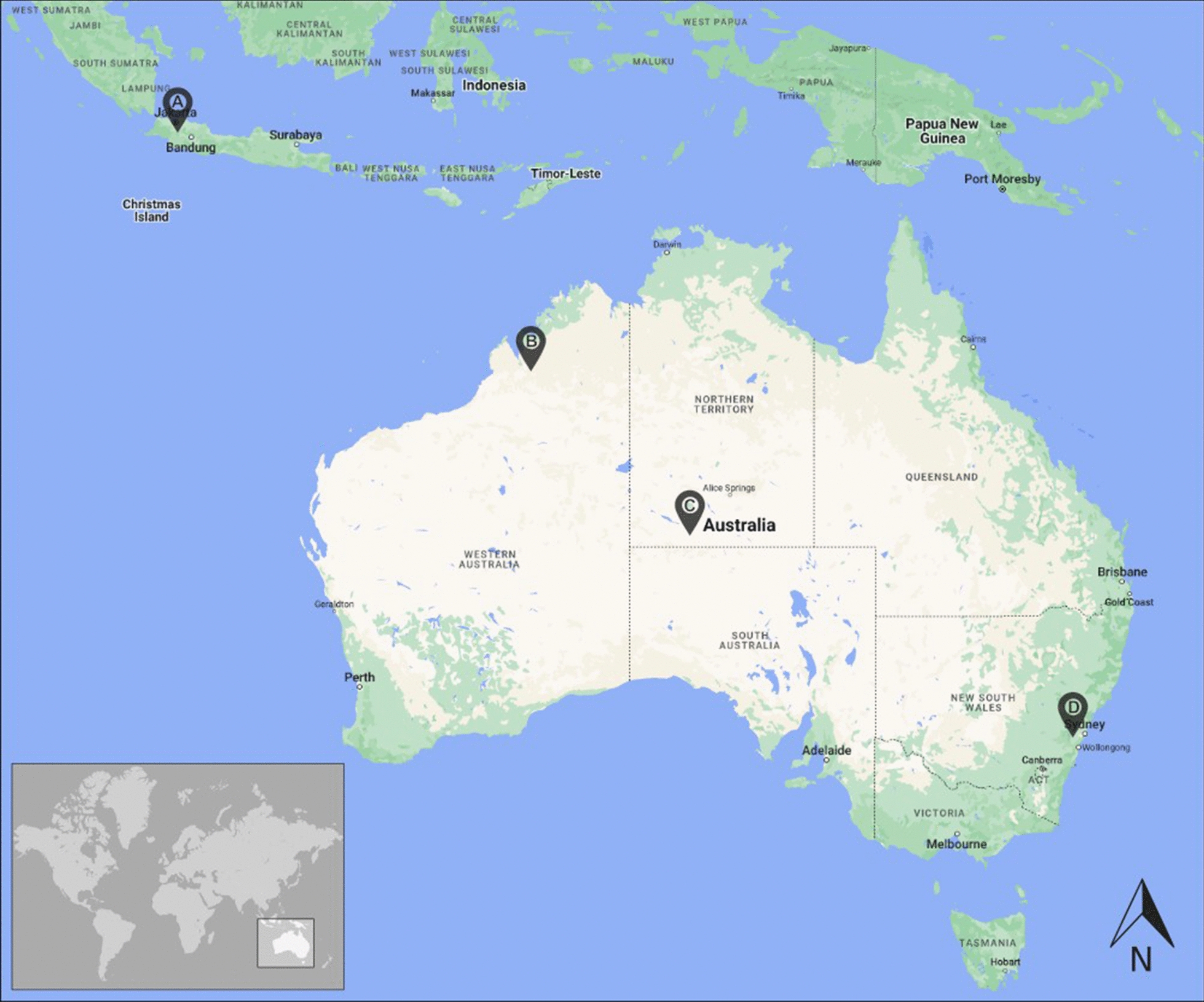
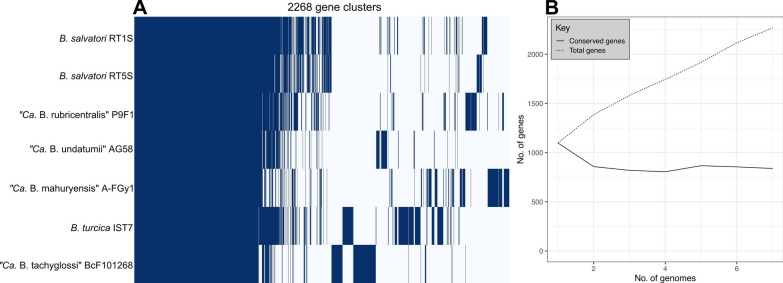
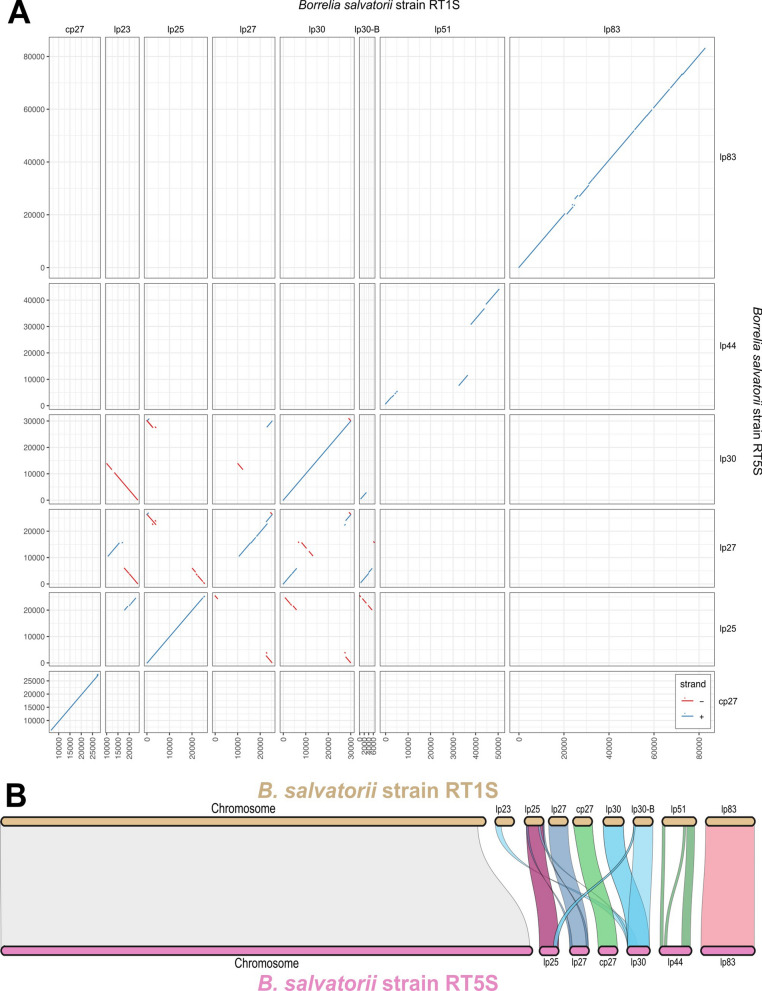
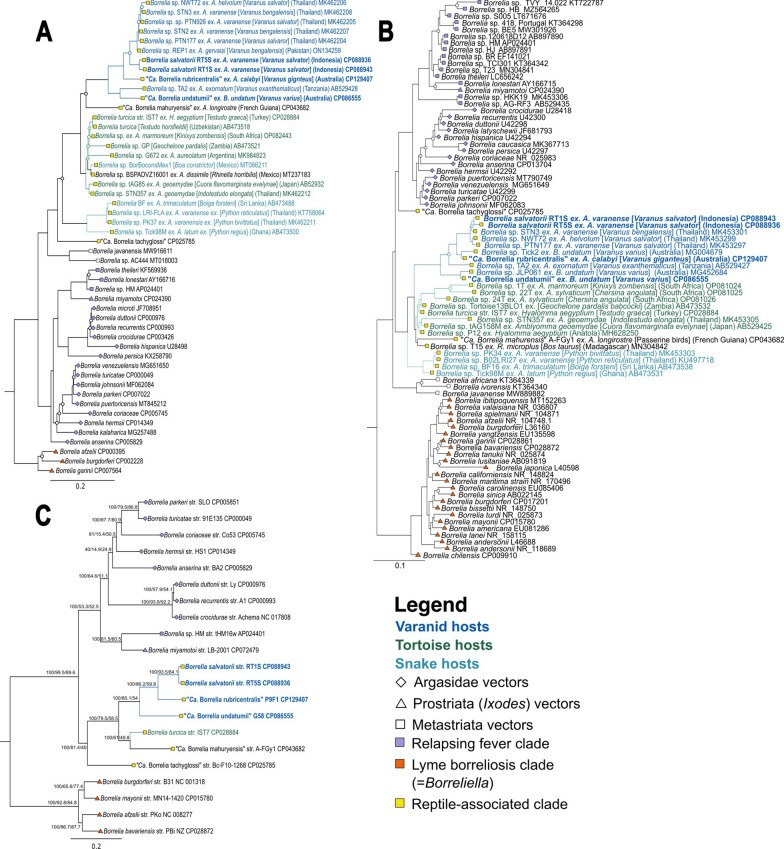
We used metagenomic techniques to sequence almost complete genomes of novel Borrelia spp. from Varanus varius and Varanus giganteus from Australia, and used long- and short-read technologies to sequence the complete genomes of two strains of a novel Borrelia sp. previously isolated from ticks infesting Varanus salvator from Indonesia. We investigated intra- and interspecies genomic diversity, including plasmid diversity and relatedness, among Varanus-associated Borrelia and other available REP Borrelia and, based on 712 whole genome orthologues, produced the most complete phylogenetic analysis, to the best of our knowledge, of REP Borrelia to date.
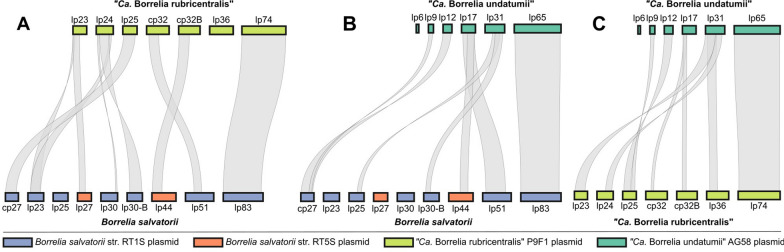
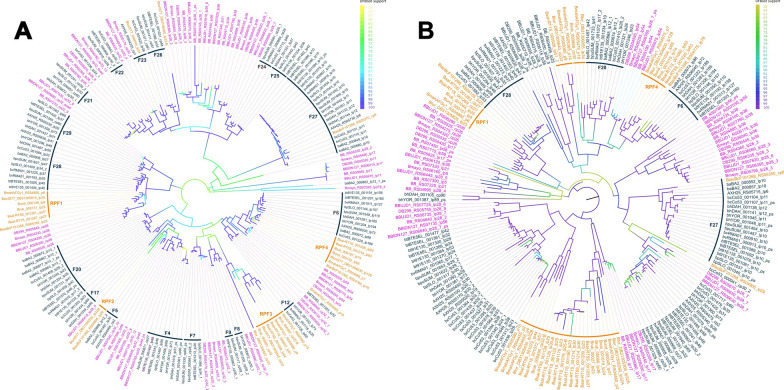
The genomic architecture of Varanus-associated Borrelia spp. is similar to that of Borrelia spp. that cause relapsing fever (RF), and includes a highly conserved megaplasmid and numerous smaller linear and circular plasmids that lack structural consistency between species. Analysis of PF32 and PF57/62 plasmid partitioning genes indicated that REP Borrelia plasmids fall into at least six distinct plasmid families, some of which are related to previously defined Borrelia plasmid families, whereas the others appear to be unique. REP Borrelia contain immunogenic variable major proteins that are homologous to those found in Borrelia spp. that cause RF, although they are limited in copy number and variability and have low sequence identities to RF variable major proteins. Phylogenetic analyses based on single marker genes and 712 single copy orthologs also definitively demonstrated the monophyly of REP Borrelia as a unique lineage.
In this work we present four new genomes from three novel Borrelia, and thus double the number of REP Borrelia genomes publicly available. The genomic characterisation of these Borrelia clearly demonstrates their distinctiveness as species, and we propose the names Borrelia salvatorii, 'Candidatus Borrelia undatumii', and 'Candidatus Borrelia rubricentralis' for them.
伯氏疏螺旋体是一种重要的蜱传和虱传螺旋体病原体,可感染包括人类和爬行动物在内的多种脊椎动物。曾被认为是一种奇特现象的与爬行动物相关(REP)伯氏疏螺旋体,现在被认为是一个独特且重要的进化谱系,并且在全球范围内越来越多地与新宿主一起被发现。在整个印度-太平洋地区,最近从巨蜥属(Varanus spp.)中发现了许多与巨蜥相关的新型伯氏疏螺旋体;然而,关于这些伯氏疏螺旋体的基因组数据却很少。
我们使用宏基因组技术对来自澳大利亚的巨蜥属的 Varanus varius 和 Varanus giganteus 中的新型伯氏疏螺旋体的近乎完整基因组进行测序,并使用长读和短读技术对之前从印度尼西亚侵袭巨蜥 salvator 的蜱中分离出的两种新型伯氏疏螺旋体菌株的完整基因组进行测序。我们研究了巨蜥相关伯氏疏螺旋体与其他可用的 REP 伯氏疏螺旋体之间的种内和种间基因组多样性,包括质粒多样性和相关性,并基于 712 个全基因组直系同源物,生成了迄今为止最完整的 REP 伯氏疏螺旋体系统发育分析。
巨蜥相关伯氏疏螺旋体的基因组结构与引起回归热(RF)的伯氏疏螺旋体相似,包括高度保守的大质粒和许多较小的线性和圆形质粒,这些质粒在物种之间缺乏结构一致性。PF32 和 PF57/62 质粒分区基因的分析表明,REP 伯氏疏螺旋体质粒至少可分为六个不同的质粒家族,其中一些与先前定义的伯氏疏螺旋体质粒家族有关,而其他家族则似乎是独特的。REP 伯氏疏螺旋体含有与引起 RF 的伯氏疏螺旋体同源的免疫原性可变主要蛋白,尽管它们的拷贝数和变异性有限,并且与 RF 可变主要蛋白的序列同一性较低。基于单标记基因和 712 个单拷贝直系同源物的系统发育分析也明确证明了 REP 伯氏疏螺旋体作为一个独特谱系的单系性。
在这项工作中,我们从三种新型伯氏疏螺旋体中提供了四个新基因组,从而使 REP 伯氏疏螺旋体的公开基因组数量增加了一倍。这些伯氏疏螺旋体的基因组特征清楚地表明了它们作为物种的独特性,我们建议为它们分别命名为伯氏 salvatorii、“Candidatus Borrelia undatumii”和“Candidatus Borrelia rubricentralis”。