Weber Johanna, Buske Julia, Mäder Karsten, Garidel Patrick, Diederichs Tim
Martin-Luther-University Halle-Wittenberg, Institute of Pharmacy, Faculty of Biosciences, Wolfgang-Langenbeck-Strasse 4, Halle (Saale) 06120, Germany.
Boehringer Ingelheim Pharma GmbH & Co. KG, Innovation Unit, TIP, Birkendorfer Straße 65, Biberach an der Riss 88397, Germany.
Int J Pharm X. 2023 Jul 27;6:100202. doi: 10.1016/j.ijpx.2023.100202. eCollection 2023 Dec 15.
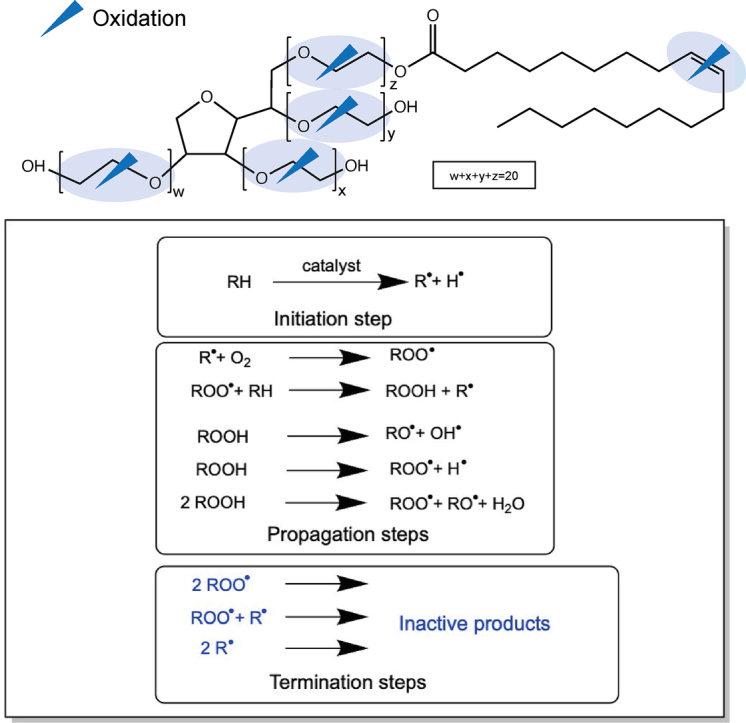
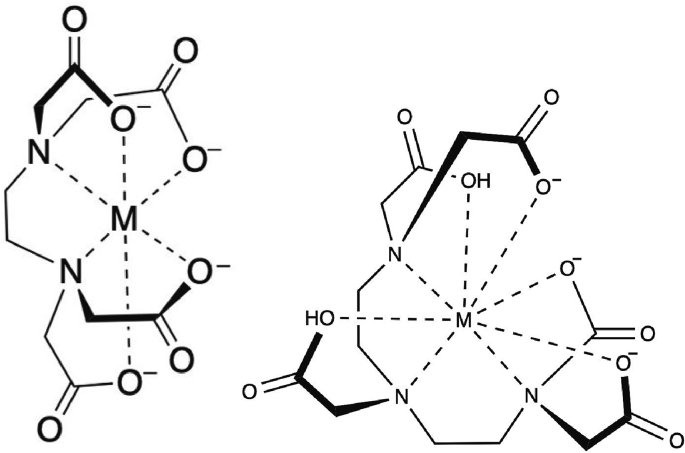
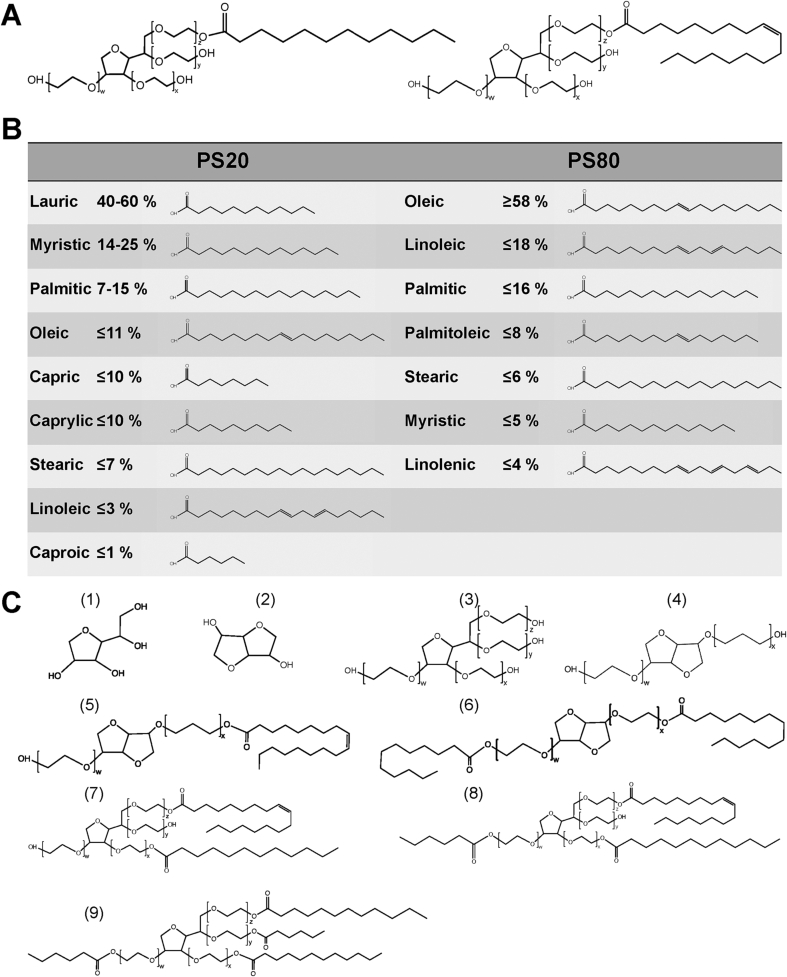
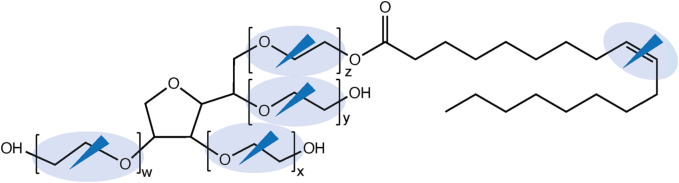
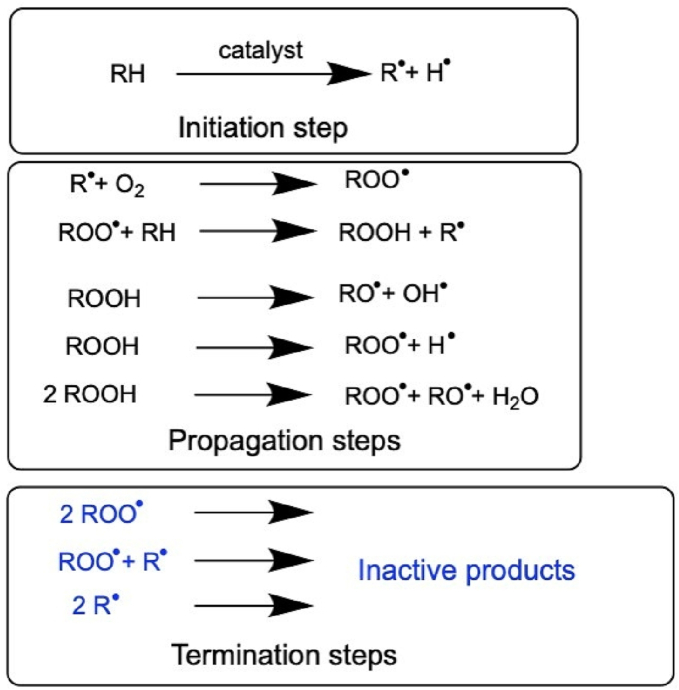
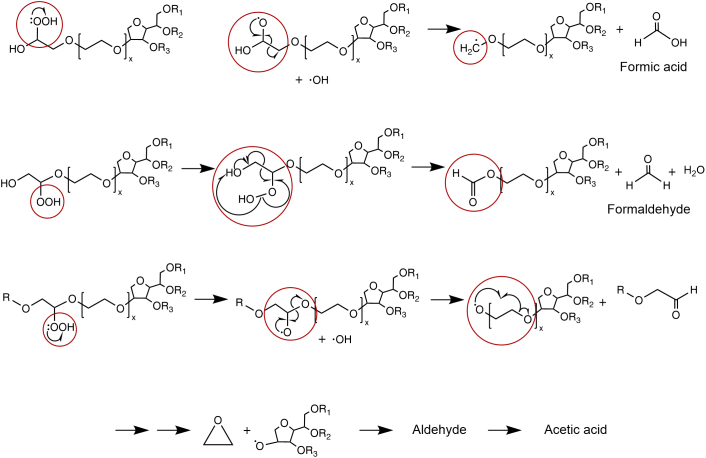
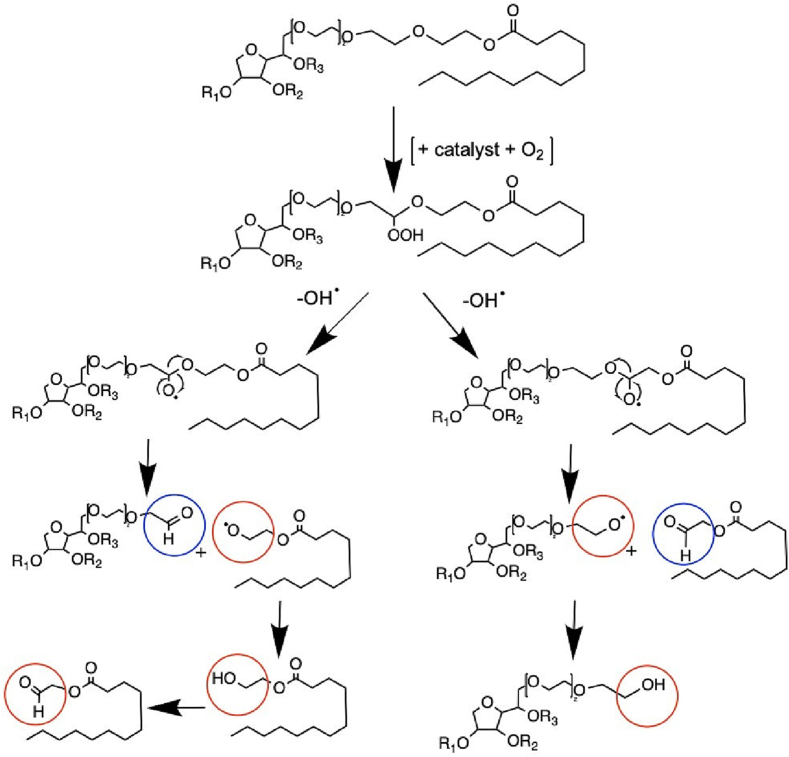
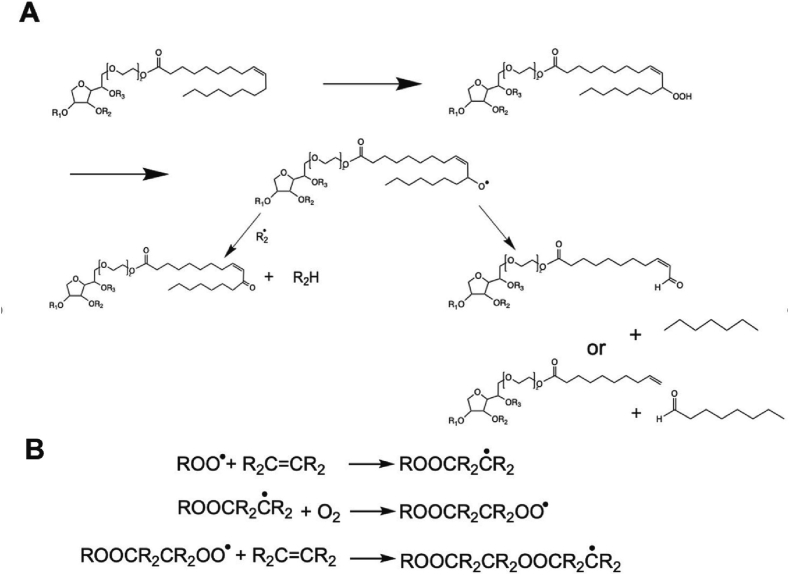
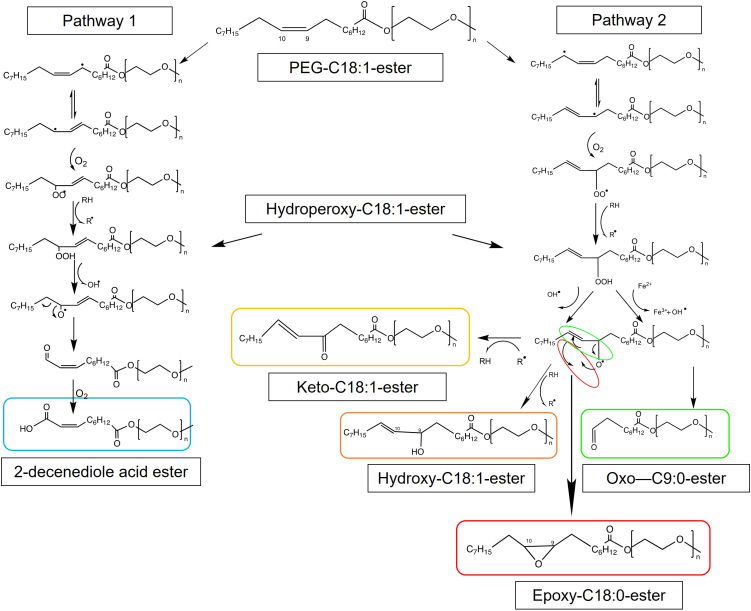
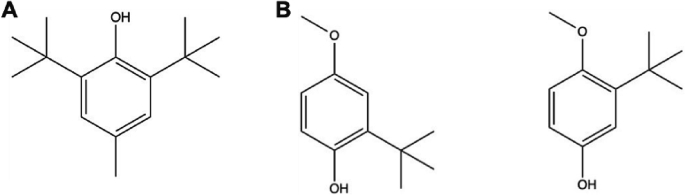
To ensure the stability of biologicals over their entire shelf-life, non-ionic surface-active compounds (surfactants) are added to protect biologics from denaturation and particle formation. In this context, polysorbate 20 and 80 are the most used detergents. Despite their benefits of low toxicity and high biocompatibility, specific factors are influencing the intrinsic stability of polysorbates, leading to degradation, loss in efficacy, or even particle formation. Polysorbate degradation can be categorized into chemical or enzymatic hydrolysis and oxidation. Under pharmaceutical relevant conditions, hydrolysis is commonly originated from host cell proteins, whereas oxidative degradation may be caused by multiple factors such as light, presence of residual metal traces, peroxides, or temperature, which can be introduced upon manufacturing or could be already present in the raw materials. In this review, we provide an overview of the current knowledge on polysorbates with a focus on oxidative degradation. Subsequently, degradation products and key characteristics of oxidative-mediated polysorbate degradation in respect of different types and grades are summarized, followed by an extensive comparison between polysorbate 20 and 80. A better understanding of the radical-induced oxidative PS degradation pathway could support specific mitigation strategies. Finally, buffer conditions, various stressors, as well as appropriate mitigation strategies, reagents, and alternative stabilizers are discussed. Prior manufacturing, careful consideration and a meticulous risk-benefit analysis are highly recommended in terms of polysorbate qualities, buffers, storage conditions, as well as mitigation strategies.
为确保生物制品在整个保质期内的稳定性,需添加非离子表面活性化合物(表面活性剂)以保护生物制品免于变性和颗粒形成。在此背景下,聚山梨醇酯20和80是最常用的去污剂。尽管它们具有低毒性和高生物相容性的优点,但特定因素会影响聚山梨醇酯的内在稳定性,导致降解、效力丧失甚至颗粒形成。聚山梨醇酯降解可分为化学或酶促水解及氧化。在药物相关条件下,水解通常源于宿主细胞蛋白,而氧化降解可能由多种因素引起,如光、残留金属痕迹、过氧化物或温度,这些因素可能在制造过程中引入,也可能已存在于原材料中。在本综述中,我们概述了关于聚山梨醇酯的现有知识,重点是氧化降解。随后,总结了不同类型和等级的氧化介导的聚山梨醇酯降解的降解产物和关键特征,接着对聚山梨醇酯20和80进行了广泛比较。更好地理解自由基诱导的聚山梨醇酯氧化降解途径有助于制定具体的缓解策略。最后,讨论了缓冲条件、各种应激源以及适当的缓解策略、试剂和替代稳定剂。在生产前,强烈建议就聚山梨醇酯质量、缓冲液、储存条件以及缓解策略进行仔细考虑和细致的风险效益分析。