Maroufkhani Mohammad, Hakimian Soroosh, Khodabandeh Alireza, Radu Iulian, Hof Lucas A, Jahazi Mohammad
Department of Mechanical Engineering, École de Technologie Supérieure, Montreal, QC H3C 1K3, Canada.
PCL Industrial Constructors Inc., Edmonton, AB T6E 3P4, Canada.
Materials (Basel). 2023 Aug 31;16(17):5968. doi: 10.3390/ma16175968.
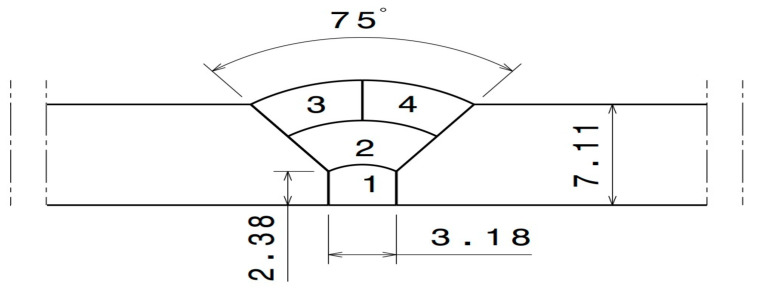
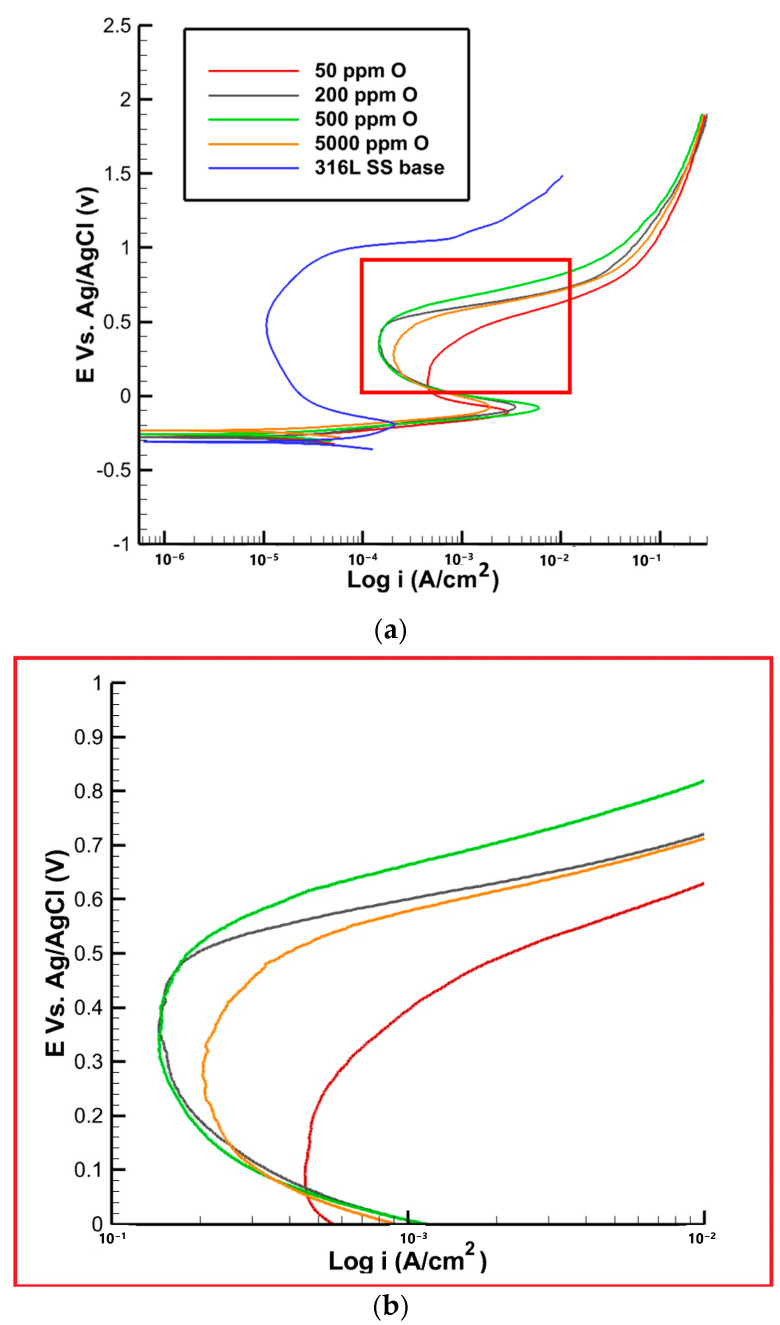
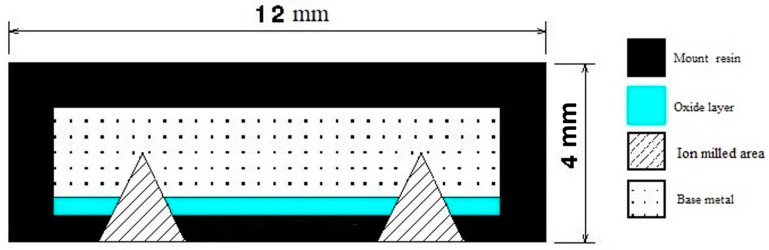
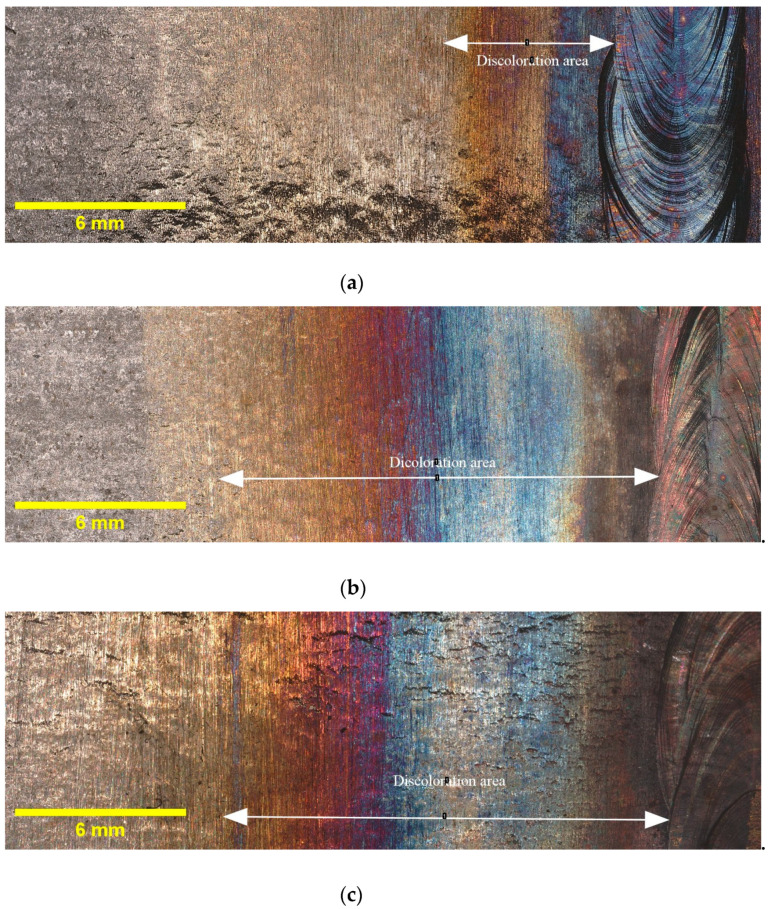
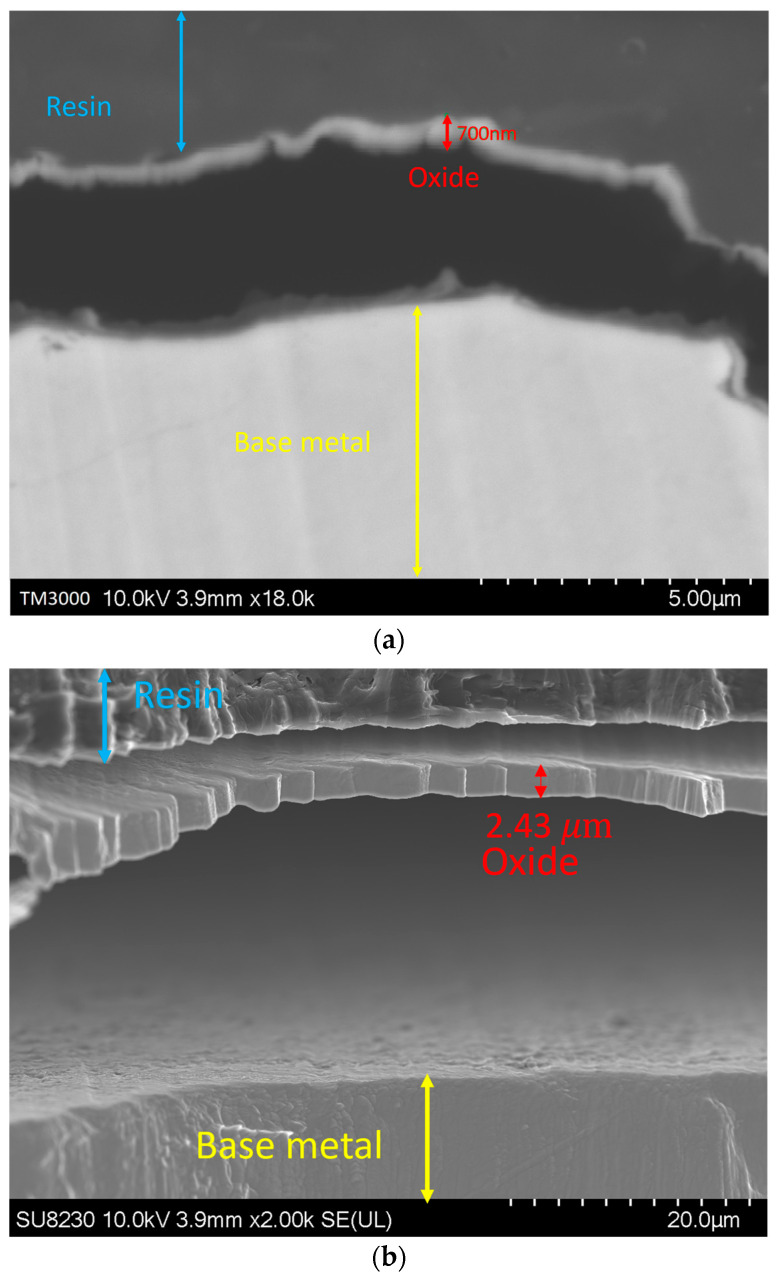
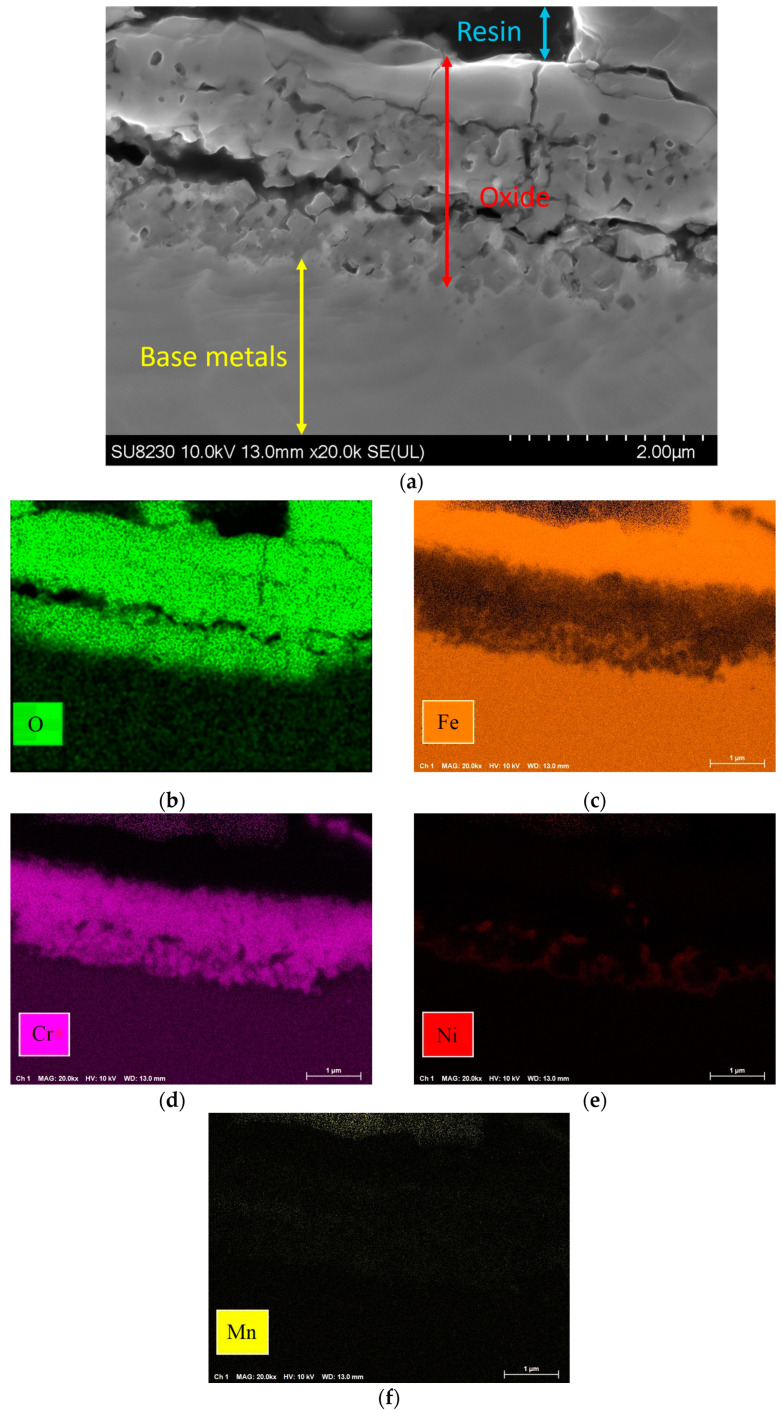
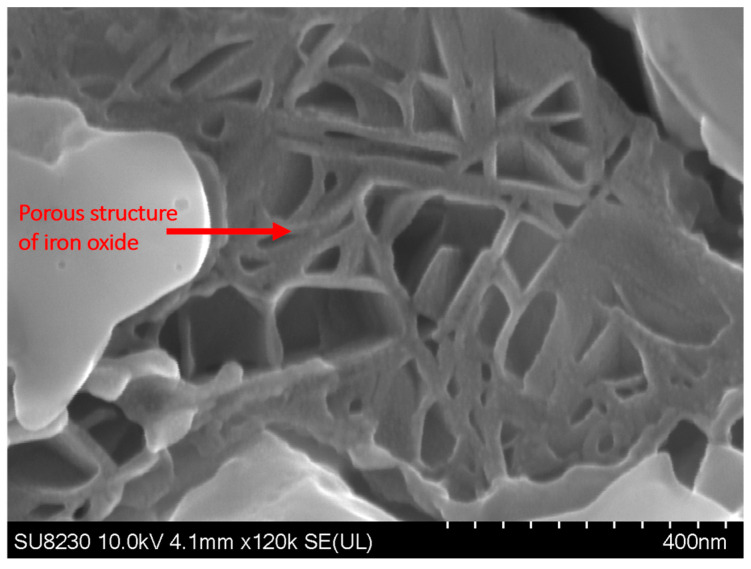
Gas tungsten arc welding (GTAW) is commonly used for joining pipelines; however, it often leads to discoloration in the heat-affected zone (HAZ). In this study, 316L pipes were welded with different concentrations of oxygen present in the argon purge gas during welding. The objective of this study was to investigate the effect of oxygen concentration in the protective gas on the pitting corrosion resistance of welded pipes. The experimental results showed that the thickness of the oxide layer formed in the HAZ depends on the concentration of oxygen in the protective gas. Increasing the oxygen concentration in the protective gas resulted in an increase in pitting corrosion resistance until a critical value, beyond which the resistance decreased. The results showed that the thickness of the oxide layer formed in the HAZ depends on the concentration of oxygen in the protective gas. Increasing the oxygen concentration in the protective gas increased the pitting corrosion resistance until a critical value, beyond which the resistance decreased due to the formation of iron oxide. This study provides valuable insights for improving the corrosion resistance of welded pipes in the oil and gas industry.
钨极气体保护电弧焊(GTAW)常用于管道连接;然而,它常常会导致热影响区(HAZ)变色。在本研究中,对316L管道进行焊接,焊接过程中在氩气保护气体中存在不同浓度的氧气。本研究的目的是探究保护气体中氧气浓度对焊接管道耐点蚀性能的影响。实验结果表明,热影响区形成的氧化层厚度取决于保护气体中的氧气浓度。增加保护气体中的氧气浓度会导致点蚀抗性增加,直至达到一个临界值,超过该临界值后抗性会降低。结果表明,热影响区形成的氧化层厚度取决于保护气体中的氧气浓度。增加保护气体中的氧气浓度会提高点蚀抗性,直至达到一个临界值,超过该临界值后由于氧化铁的形成抗性会降低。本研究为提高石油和天然气行业中焊接管道的耐腐蚀性提供了有价值的见解。