Rashbrook Victoria S, Brash James T, Ruhrberg Christiana
UCL Institute of Ophthalmology, University College London, 11-43 Bath Street, London EC1V 9EL, UK.
Nat Cardiovasc Res. 2022 Sep;1:806-816. doi: 10.1038/s44161-022-00125-6. Epub 2022 Sep 9.
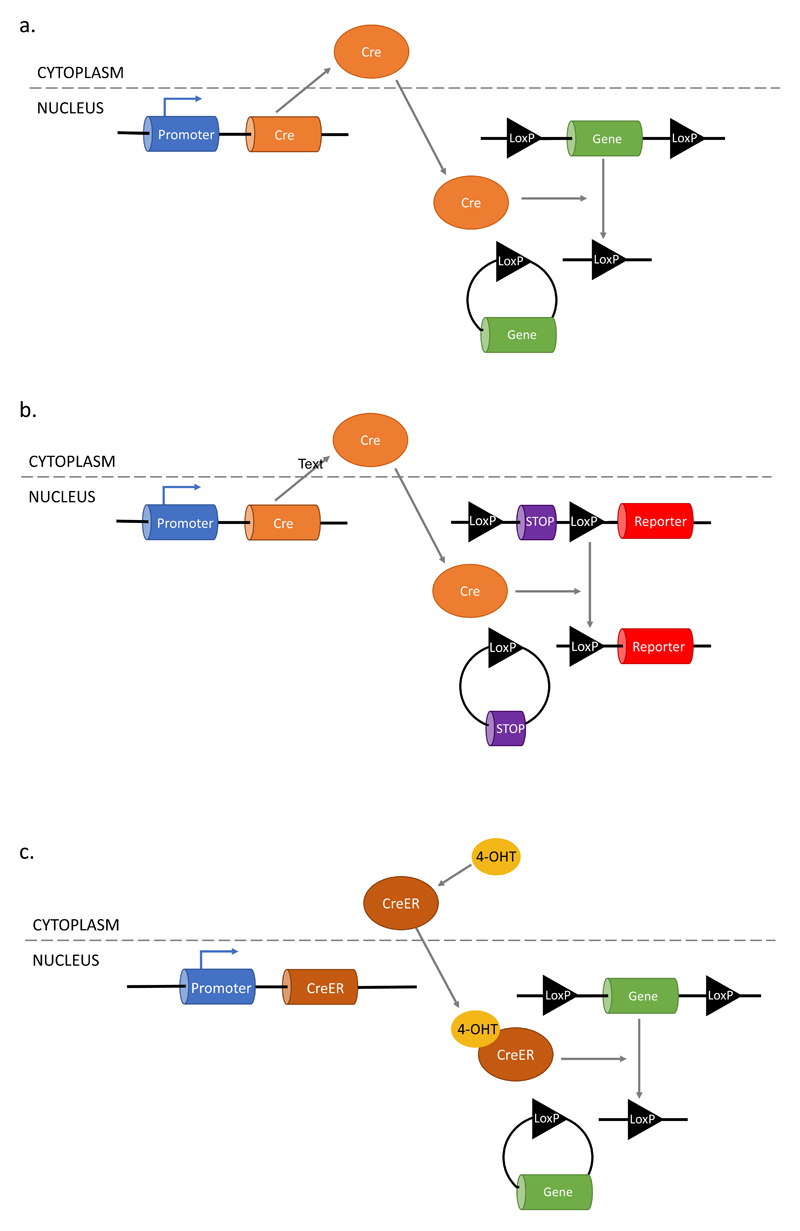
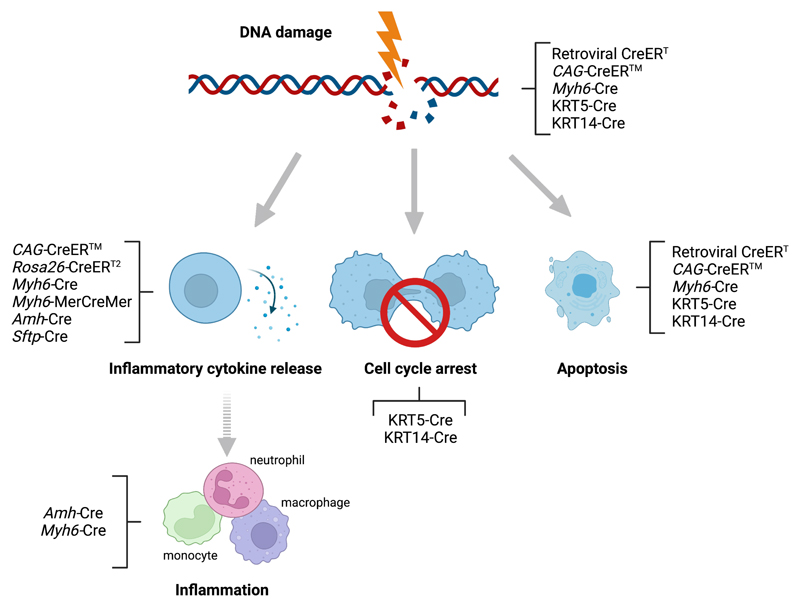
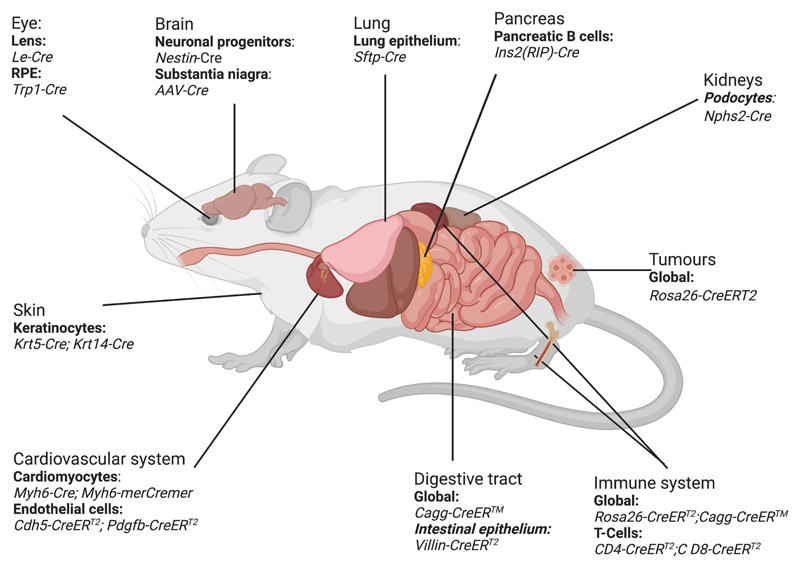
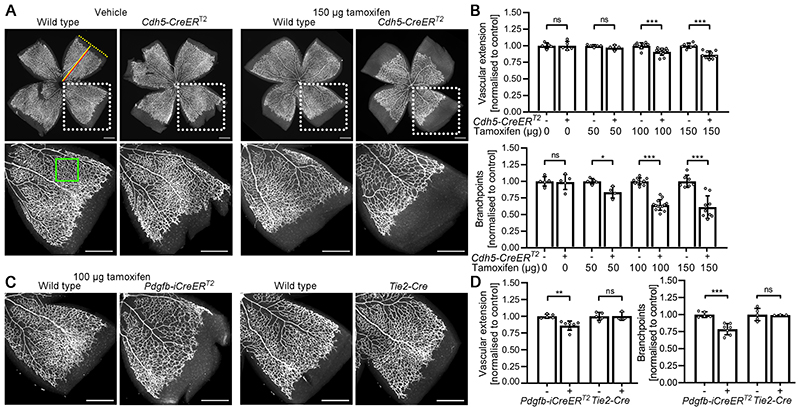
The Cre-LoxP system provides a widely used method for studying gene requirements in the mouse as the main mammalian genetic model organism. To define the molecular and cellular mechanisms that underlie cardiovascular development, function and disease, various mouse strains have been engineered that allow Cre-LoxP-mediated gene targeting within specific cell types of the cardiovascular system. Despite the usefulness of this system, evidence is accumulating that Cre activity can have toxic effects in cells, independently of its ability to recombine pairs of engineered LoxP sites in target genes. Here, we have gathered published evidence for Cre toxicity in cells and tissues relevant to cardiovascular biology and provide an overview of mechanisms proposed to underlie Cre toxicity. Based on this knowledge, we propose that each study utilising the Cre-LoxP system to investigate gene function in the cardiovascular system should incorporate appropriate controls to account for Cre toxicity.
作为主要的哺乳动物遗传模型生物,Cre-LoxP系统为研究小鼠基因需求提供了一种广泛使用的方法。为了确定心血管发育、功能和疾病背后的分子和细胞机制,人们构建了各种小鼠品系,这些品系允许在心血管系统的特定细胞类型中进行Cre-LoxP介导的基因靶向。尽管该系统很有用,但越来越多的证据表明,Cre活性在细胞中可能具有毒性作用,这与其在靶基因中重组工程化LoxP位点对的能力无关。在这里,我们收集了已发表的关于Cre在与心血管生物学相关的细胞和组织中的毒性的证据,并概述了提出的Cre毒性潜在机制。基于这些知识,我们建议,每项利用Cre-LoxP系统研究心血管系统基因功能的研究都应纳入适当的对照,以考虑Cre毒性。