Witkiewicz Agnieszka K, Schultz Emily, Wang Jianxin, Hamilton Deanna, Levine Ellis, O'Connor Tracey, Knudsen Erik S
Department of Molecular and Cellular Biology, Roswell Park Comprehensive Cancer Center, Buffalo, NY, 14203, USA.
Department of Pathology, Roswell Park Comprehensive Cancer Center, Buffalo, NY, 14203, USA.
NPJ Precis Oncol. 2023 Sep 13;7(1):90. doi: 10.1038/s41698-023-00438-0.
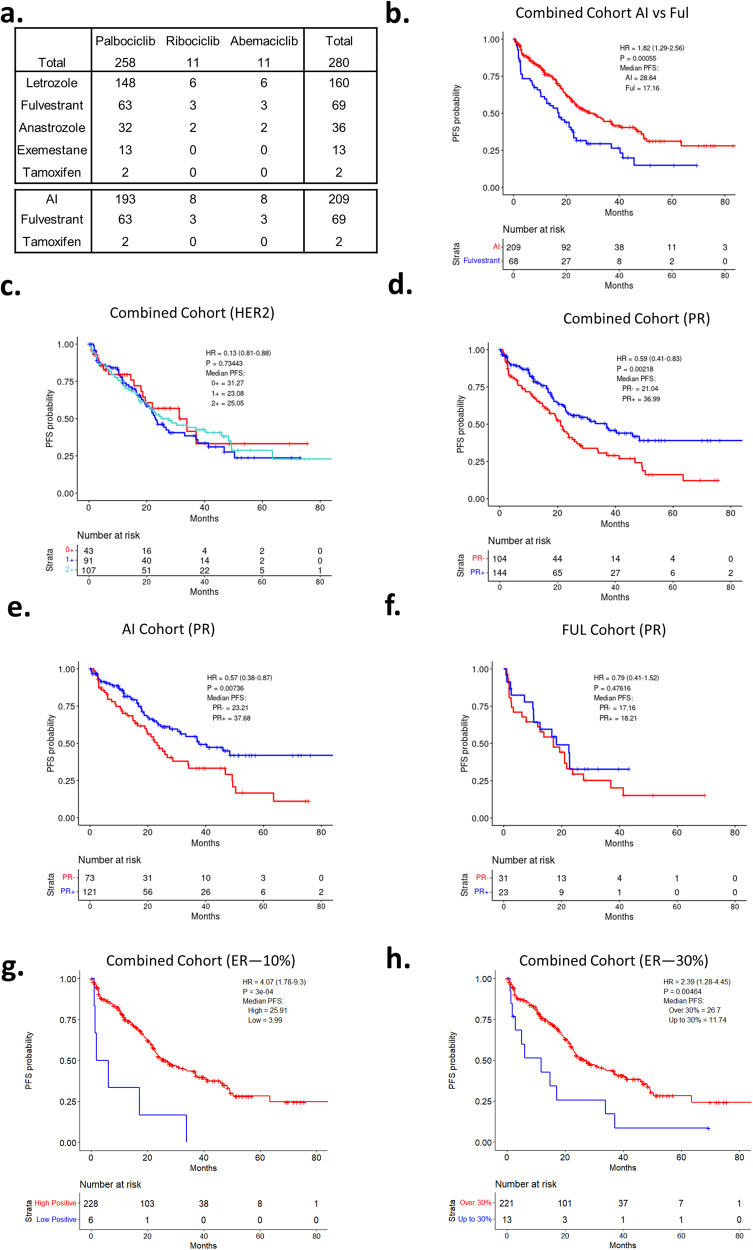
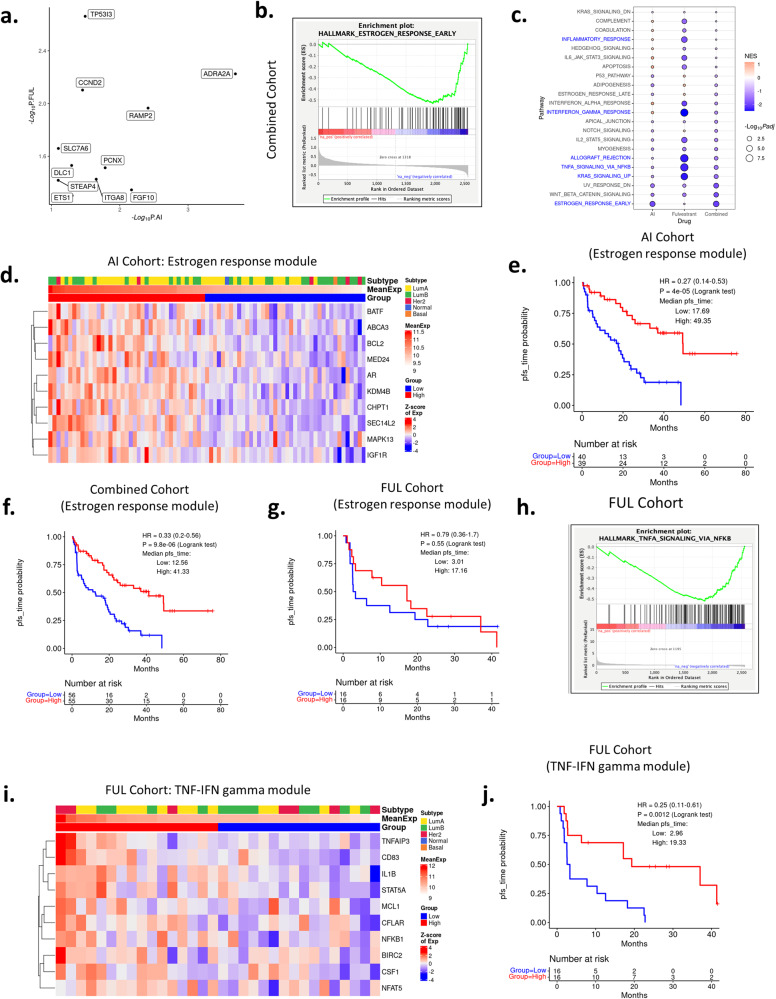
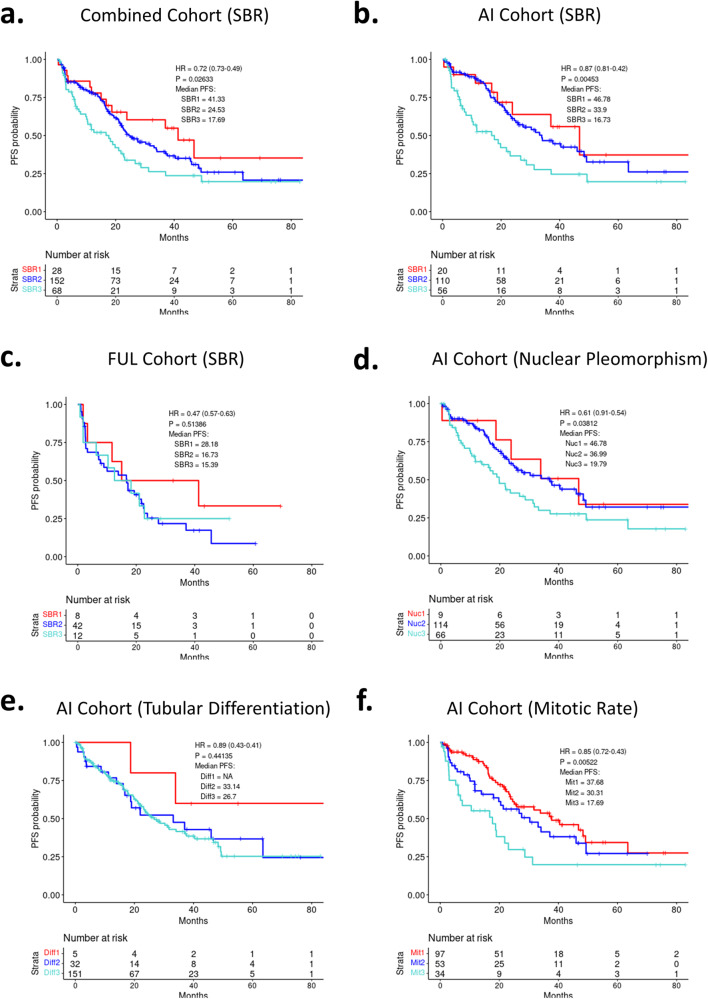
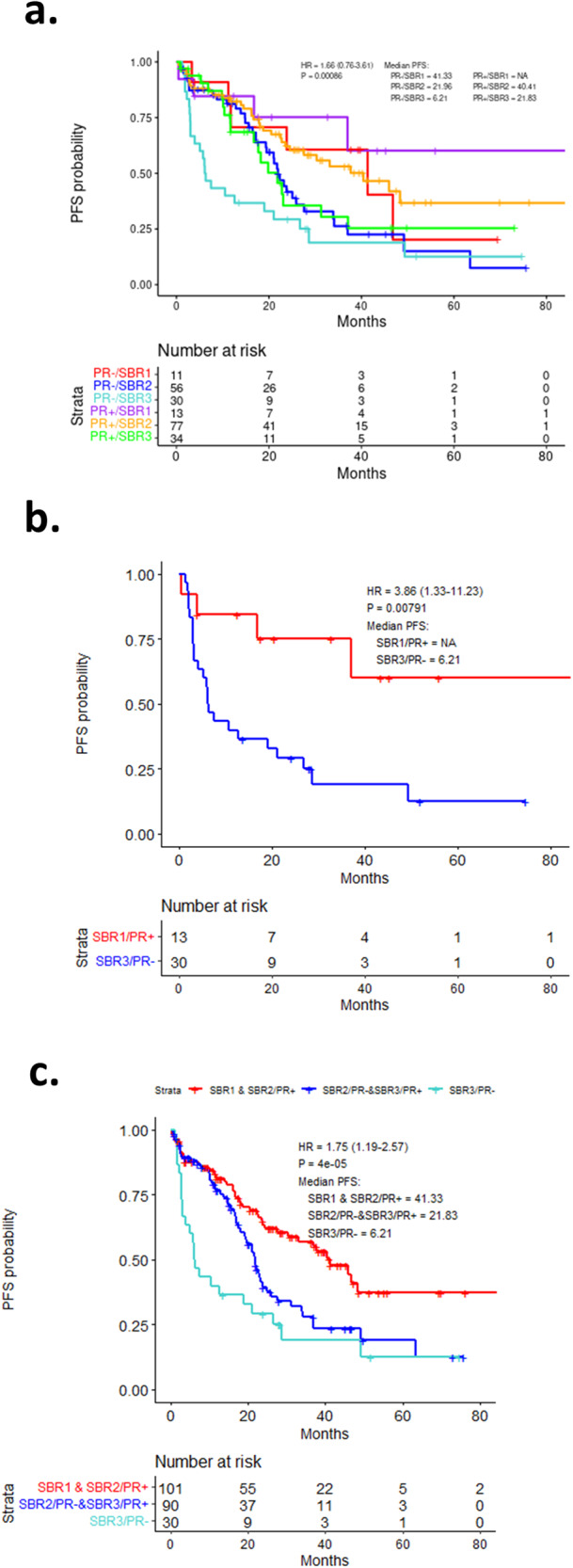
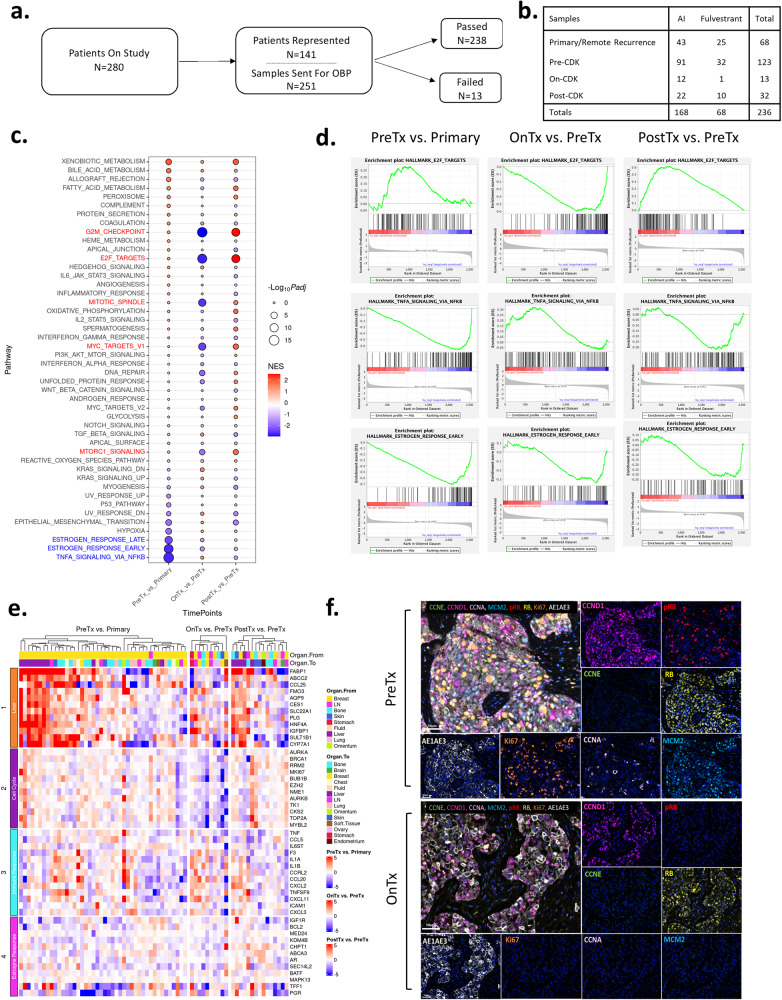
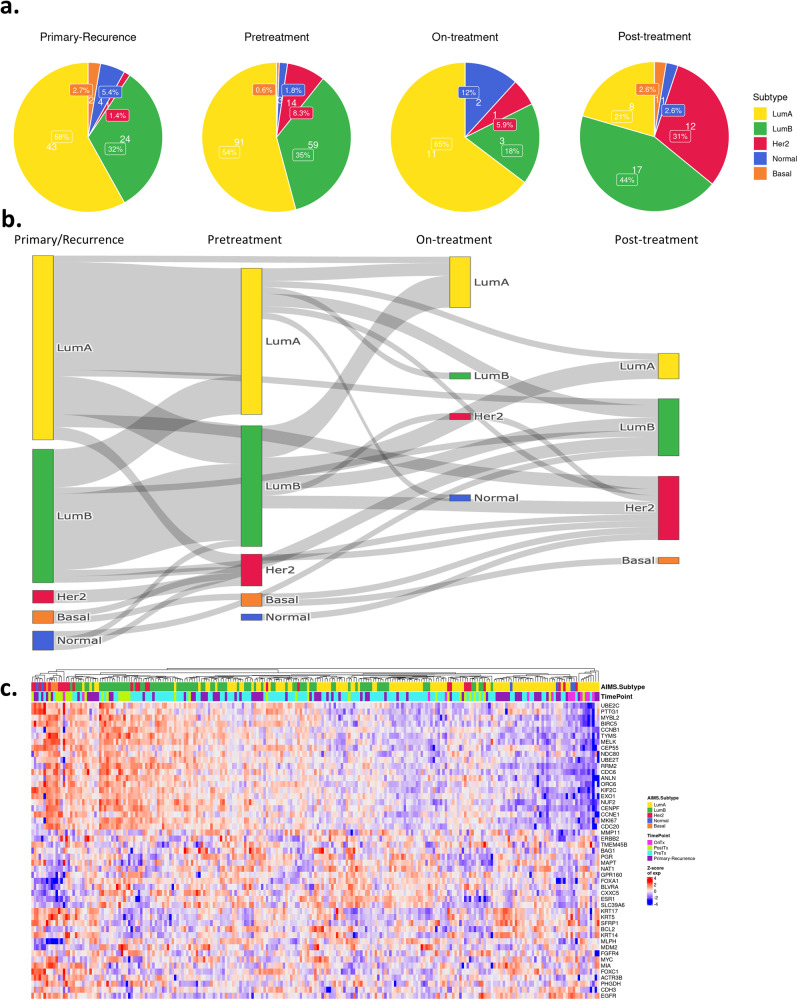
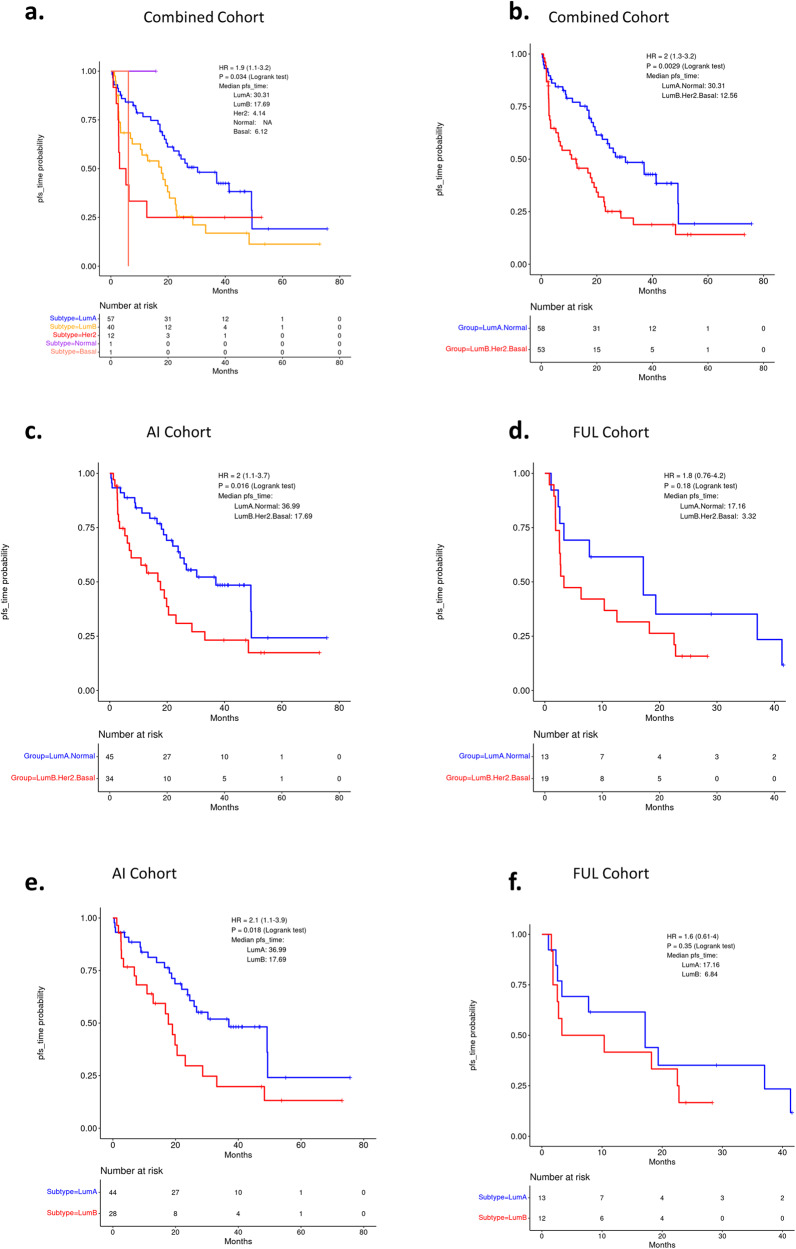
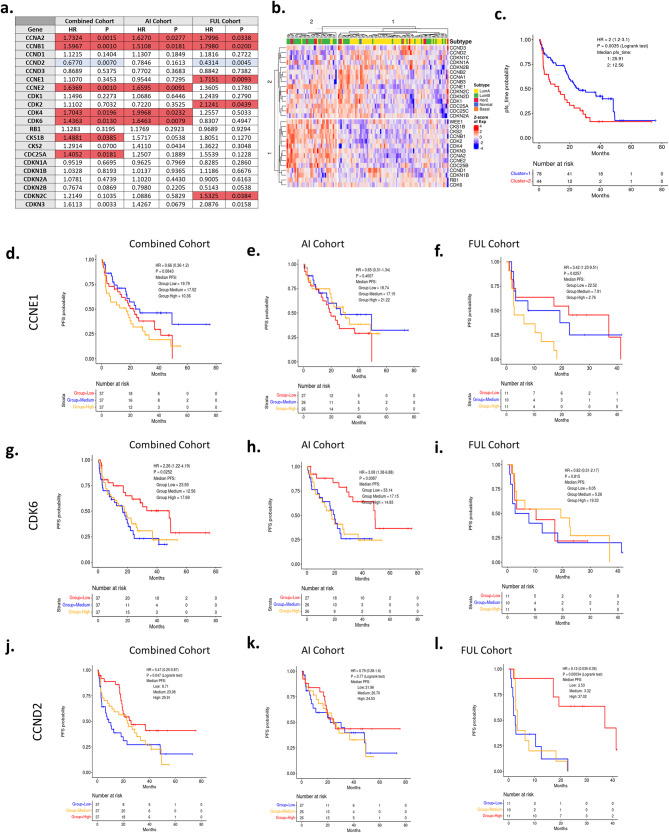
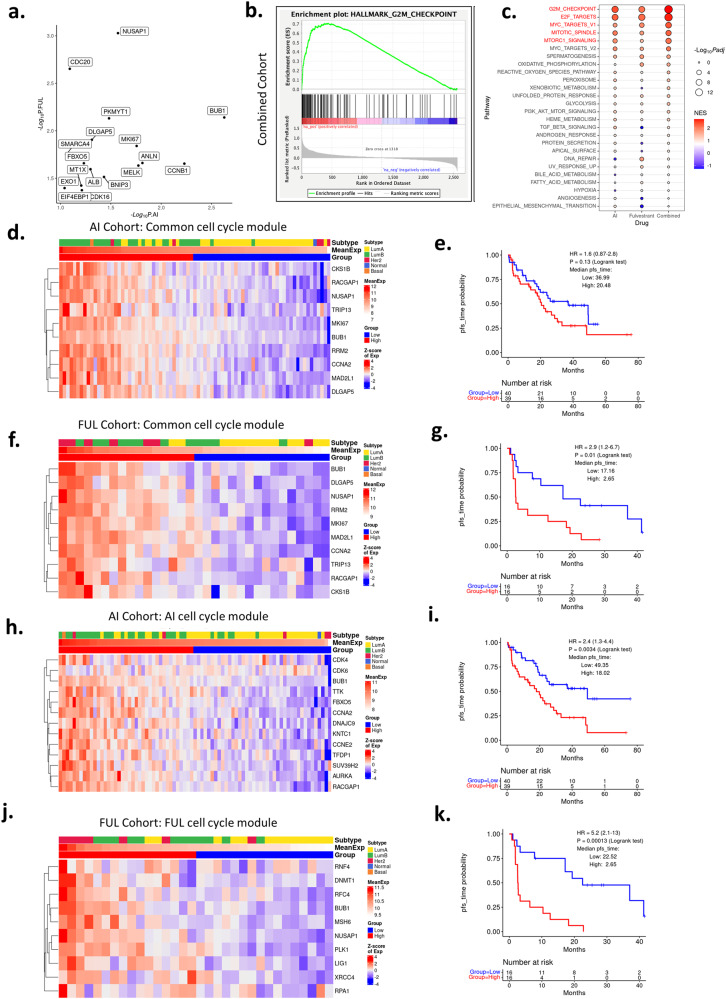
Despite widespread use and a known mechanism of action for CDK4/6 inhibitors in combination with endocrine therapy, features of disease evolution and determinants of therapeutic response in the real-world setting remain unclear. Here, a cohort of patients treated with standard-of-care combination regimens was utilized to explore features of disease and determinants of progression-free survival (PFS) and overall survival (OS). In this cohort of 280 patients, >90% of patients were treated with palbociclib in combination with either an aromatase inhibitor (AI) or fulvestrant (FUL). Most of these patients had modified Scarff-Bloom-Richardson (SBR) scores, and ER, HER2, and PR immunohistochemistry. Both the SBR score and lack of PR expression were associated with shorter PFS in patients treated with AI combinations and remained significant in multivariate analyses (HR = 3.86, p = 0.008). Gene expression analyses indicated substantial changes in cell cycle and estrogen receptor signaling during the course of treatment. Furthermore, gene expression-based subtyping indicated that predominant subtypes changed with treatment and progression. The luminal B, HER2, and basal subtypes exhibited shorter PFS in CDK4/6 inhibitor combinations when assessed in the pretreatment biopsies; however, they were not associated with OS. Using unbiased approaches, cell cycle-associated gene sets were strongly associated with shorter PFS in pretreatment biopsies irrespective of endocrine therapy. Estrogen receptor signaling gene sets were associated with longer PFS particularly in the AI-treated cohort. Together, these data suggest that there are distinct pathological and biological features of HR+/HER2- breast cancer associated with response to CDK4/6 inhibitors. Clinical trial registration number: NCT04526587.
尽管CDK4/6抑制剂与内分泌治疗联合使用广泛且作用机制明确,但在现实环境中疾病进展的特征和治疗反应的决定因素仍不清楚。在此,利用一组接受标准治疗联合方案的患者来探究疾病特征以及无进展生存期(PFS)和总生存期(OS)的决定因素。在这组280例患者中,超过90%的患者接受了哌柏西利与芳香化酶抑制剂(AI)或氟维司群(FUL)联合治疗。这些患者大多有改良的斯卡夫-布卢姆-理查森(SBR)评分以及雌激素受体(ER)、人表皮生长因子受体2(HER2)和孕激素受体(PR)免疫组化检测结果。SBR评分和PR表达缺失均与接受AI联合治疗患者的PFS缩短相关,且在多变量分析中仍具有显著性(风险比=3.86,p=0.008)。基因表达分析表明,治疗过程中细胞周期和雌激素受体信号传导发生了显著变化。此外,基于基因表达的亚型分析表明,主要亚型随治疗和疾病进展而改变。在治疗前活检中评估时,腔面B型、HER2型和基底型亚型在CDK4/6抑制剂联合治疗中的PFS较短;然而,它们与OS无关。采用无偏倚方法,无论内分泌治疗如何,细胞周期相关基因集与治疗前活检中较短的PFS密切相关。雌激素受体信号传导基因集与较长的PFS相关,尤其是在接受AI治疗的队列中。总之,这些数据表明,HR+/HER2-乳腺癌对CDK4/6抑制剂反应存在明显的病理和生物学特征。临床试验注册号:NCT04526587。