Clinical and Translational Hepatology, The Liver Institute, Center for Excellence in Gastrointestinal Sciences, Rajagiri Hospital, Aluva, Kerala, India.
Department of Hepatology, Amrita Institute of Medical Sciences, Kochi, Kerala, India.
Hepatol Commun. 2023 Sep 27;7(10). doi: 10.1097/HC9.0000000000000270. eCollection 2023 Oct 1.
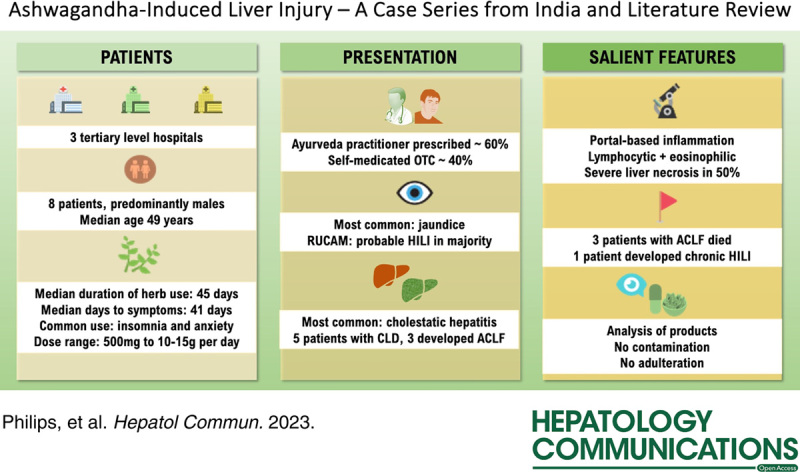
Ashwagandha herb is commonly used in Ayurveda and a "fad" dietary supplement for a host of indications based on low levels of evidence. Recently, ashwagandha was implicated in multiple reports of herb-induced liver injury (HILI), mainly from the United States. We present the first, and currently largest, series of ashwagandha-HILI from multiple centers in India.
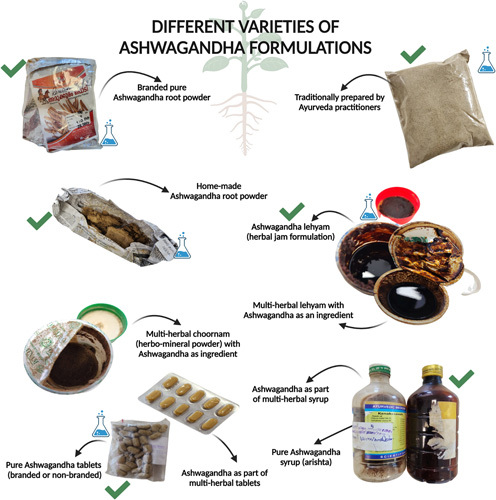
We retrospectively analyzed the respective institutional electronic medical records for ashwagandha-HILI. Patients consuming ashwagandha as part of multiherbal formulations or along with other known hepatotoxic supplements or medicines were excluded. All patients underwent a detailed diagnostic workup to exclude competing causes reasonably. Where possible, the implicated herbal formulation was retrieved and subjected to chemical analysis.
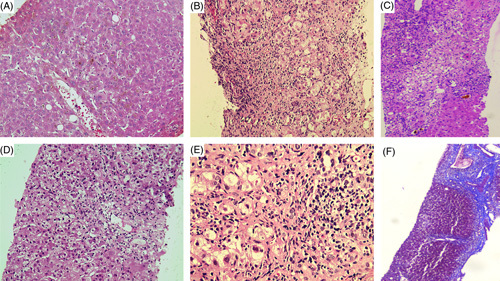
Out of 23 patients with liver injury from ashwagandha (January 2019 to December 2022), we report 8 patients with single-ingredient formulation-related HILI. Study cohort was male predominant, and cholestatic hepatitis was the commonest presentation. Five patients had underlying chronic liver disease; 3 presented with acute-on-chronic liver failure, and all 3 died on follow-up. In others, the liver injury was prolonged, nonetheless self-limiting. Liver biopsy revealed cholestatic features predominantly with hepatocellular necrosis and lymphocyte/eosinophil predominant portal-based inflammation. One patient progressed to chronic HILI. Chemical analysis revealed only natural phytochemicals without adulteration or contamination.
Ashwagandha-HILI presents with cholestatic hepatitis and can lead to the syndrome of acute-on-chronic liver failure with high mortality in those with pre-existing liver disease. Educating the public on avoiding the use of potentially toxic and unrecommended herbal supplements can help mitigate the avoidable liver disease burden in the community.
印度草( Ashwagandha )是阿育吠陀医学中常用的草药,也是一种基于低证据水平的流行的“时尚”膳食补充剂,用于多种适应症。最近, Ashwagandha 被牵连到多份关于草药诱导的肝损伤( HILI )的报告中,主要来自美国。我们提出了来自印度多个中心的第一份、也是目前最大的 Ashwagandha-HILI 系列报告。
我们回顾性分析了各自机构的电子病历中与 Ashwagandha-HILI 相关的内容。排除了同时服用多种草药配方或其他已知肝毒性补充剂或药物的患者。所有患者都接受了详细的诊断检查,以合理排除其他竞争原因。在可能的情况下,回收了相关的草药配方并进行了化学分析。
在 23 名因服用 Ashwagandha 而导致肝损伤的患者中( 2019 年 1 月至 2022 年 12 月),我们报告了 8 名因单一成分配方相关的 HILI 而导致肝损伤的患者。研究队列以男性为主,最常见的表现是胆汁淤积性肝炎。 5 名患者有潜在的慢性肝病; 3 名患者表现为急性加重的慢性肝衰竭,所有 3 名患者在随访中死亡。在其他人中,肝损伤是延长的,但自我限制的。肝活检显示主要是胆汁淤积性特征,伴有肝细胞坏死和淋巴细胞/嗜酸性粒细胞为主的门脉炎症。 1 名患者进展为慢性 HILI 。化学分析仅显示天然植物化学物质,没有掺杂或污染。
Ashwagandha-HILI 表现为胆汁淤积性肝炎,在有潜在肝病的患者中可导致急性加重的慢性肝衰竭综合征,死亡率高。教育公众避免使用潜在有毒和未经推荐的草药补充剂,可以帮助减轻社区中可避免的肝病负担。