
基于网络药理学、分子对接和分子动力学对用于治疗炎症性肠病的平胃散进行计算机模拟分析
In Silico Analysis of Pyeongwi-San Involved in Inflammatory Bowel Disease Treatment Using Network Pharmacology, Molecular Docking, and Molecular Dynamics.
作者信息
Bae Chang-Hwan, Kim Hee-Young, Seo Ji Eun, Lee Hanul, Kim Seungtae
机构信息
Department of Korean Medical Science, School of Korean Medicine, Pusan National University, Yangsan 50612, Republic of Korea.
Korean Medicine Research Center for Healthy Aging, Pusan National University, Yangsan 50612, Republic of Korea.
出版信息
Biomolecules. 2023 Aug 28;13(9):1322. doi: 10.3390/biom13091322.
BACKGOUND
Pyeongwi-san (PWS) is a widely used formula for treating digestive disorders in Korea and China. Inflammatory bowel disease (IBD) is characterized by progressive inflammation of the gastrointestinal tract. Emerging evidence supports the protective effect of PWS against IBD, but specific mechanisms are still elusive.
METHODS
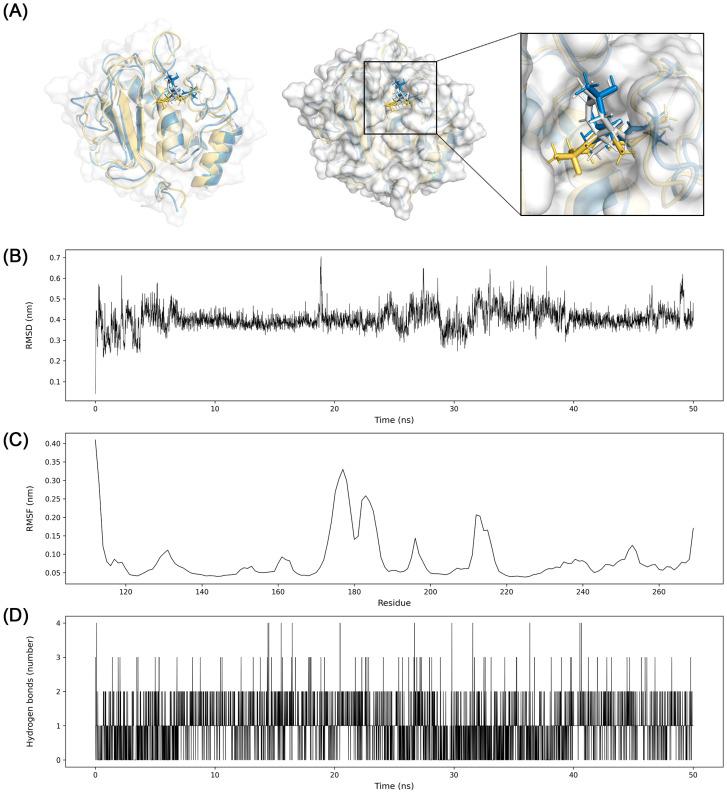
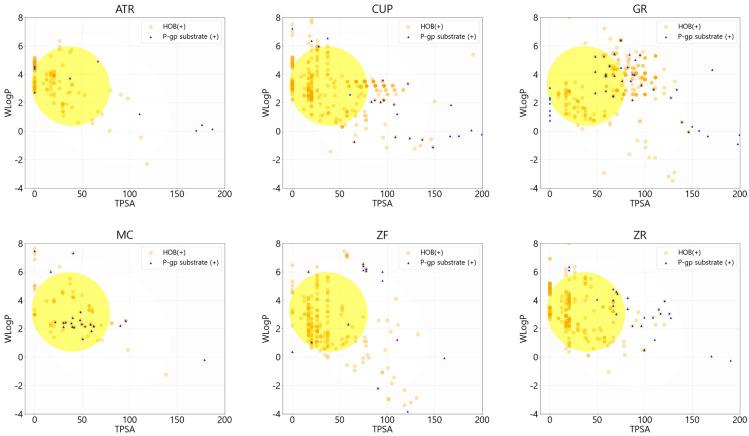
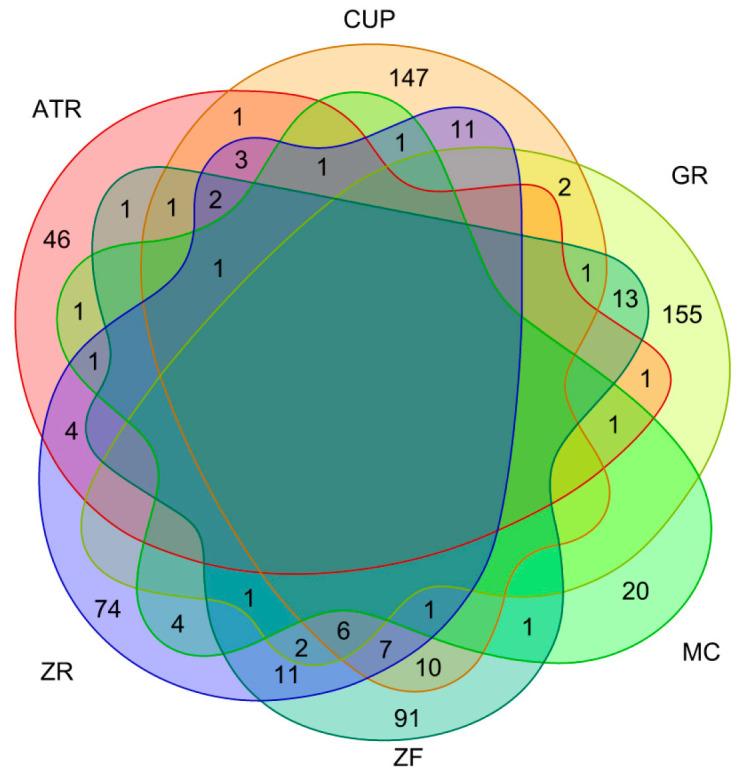
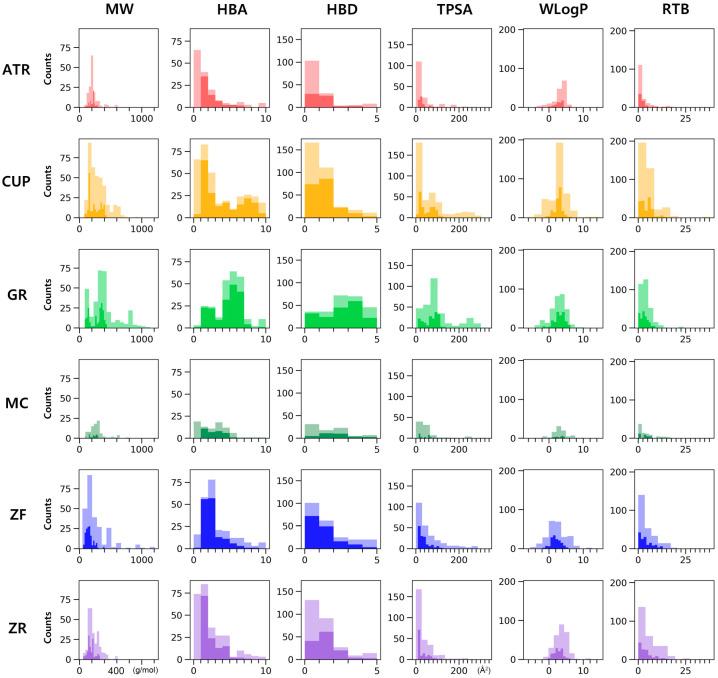
Active compounds of PWS were screened from the medicinal materials and chemical compounds in Northeast Asian traditional medicine (TM-MC) in the consideration of drug-likeness and oral bioavailability. Target candidates of active compounds were predicted using the ChEMBL database. IBD-related targets were obtained from the GeneCards and DisGeNET databases. The network of composition-targets-disease was constructed. Gene ontology (GO) and Kyoto Encyclopedia of Genes and Genomes (KEGG) pathway enrichment were analyzed. Molecular docking was used to simulate the binding affinity of active compounds on target proteins and molecular dynamics was used to validate the molecular docking result.
RESULTS
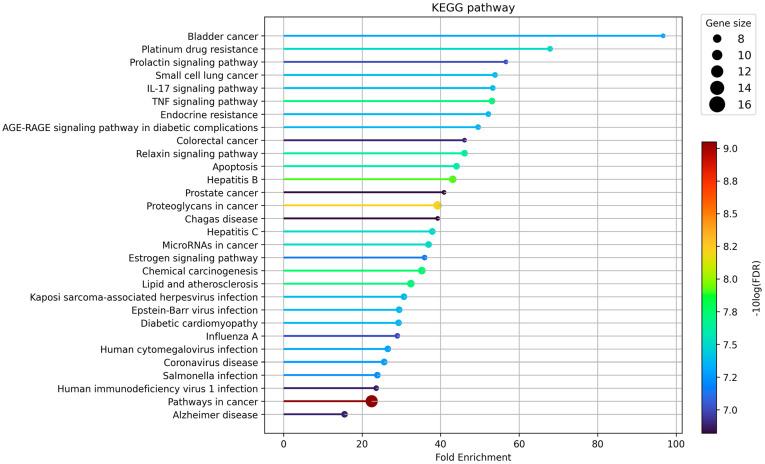
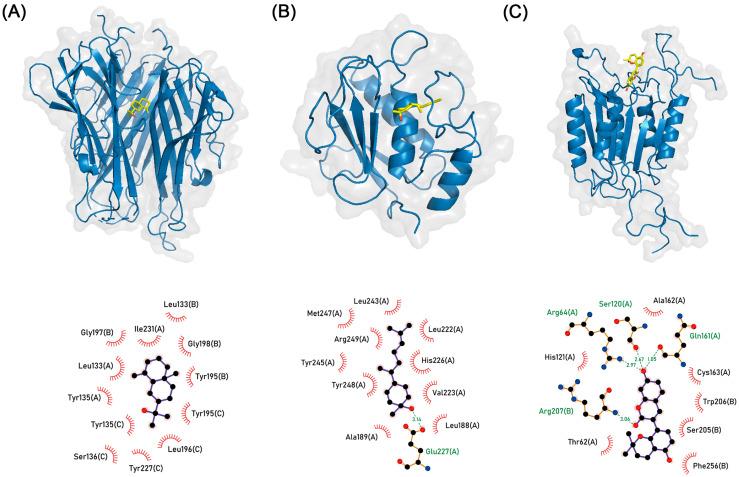
A total of 26 core target proteins of PWS were related to IBD. Enrichment analysis suggested that PWS is highly associated with tumor necrosis factor signaling pathway, apoptosis, and the collapse of tight junctions. Moreover, molecular docking and molecular dynamics simulation proposed β-eudesmol and (3R,6R,7S)-1,10-bisaboladien-3-ol to ameliorate IBD through the binding to TNF and MMP9, respectively.
CONCLUSION
Present in silico analysis revealed potential pathways and insight of PWS to regulate IBD. These results imply that the therapeutic effect of PWS might be achieved via an inhibitory effect.
背景
平胃散(PWS)是韩国和中国广泛用于治疗消化系统疾病的方剂。炎症性肠病(IBD)的特征是胃肠道进行性炎症。新出现的证据支持平胃散对IBD的保护作用,但具体机制仍不清楚。
方法
从东北亚传统医学(TM-MC)的药材和化合物中筛选平胃散的活性成分,同时考虑药物相似性和口服生物利用度。利用ChEMBL数据库预测活性成分的候选靶点。从GeneCards和DisGeNET数据库中获取IBD相关靶点。构建成分-靶点-疾病网络。分析基因本体(GO)和京都基因与基因组百科全书(KEGG)通路富集情况。采用分子对接模拟活性成分与靶蛋白的结合亲和力,并用分子动力学验证分子对接结果。
结果
平胃散共有26个核心靶蛋白与IBD相关。富集分析表明,平胃散与肿瘤坏死因子信号通路、细胞凋亡和紧密连接的破坏高度相关。此外,分子对接和分子动力学模拟表明,β-桉叶醇和(3R,6R,7S)-1,10-二氢金合欢烯-3-醇分别通过与TNF和MMP9结合来改善IBD。
结论
目前的计算机模拟分析揭示了平胃散调节IBD的潜在途径和见解。这些结果表明,平胃散的治疗效果可能是通过抑制作用实现的。

 Zotero 插件