Department of Gynecology and Obstetrics, University Medical Center Göttingen, 37075 Göttingen, Germany.
Int J Mol Sci. 2023 Sep 5;24(18):13705. doi: 10.3390/ijms241813705.
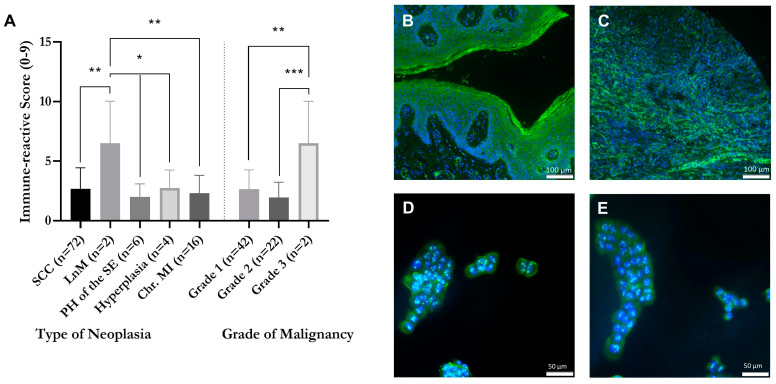
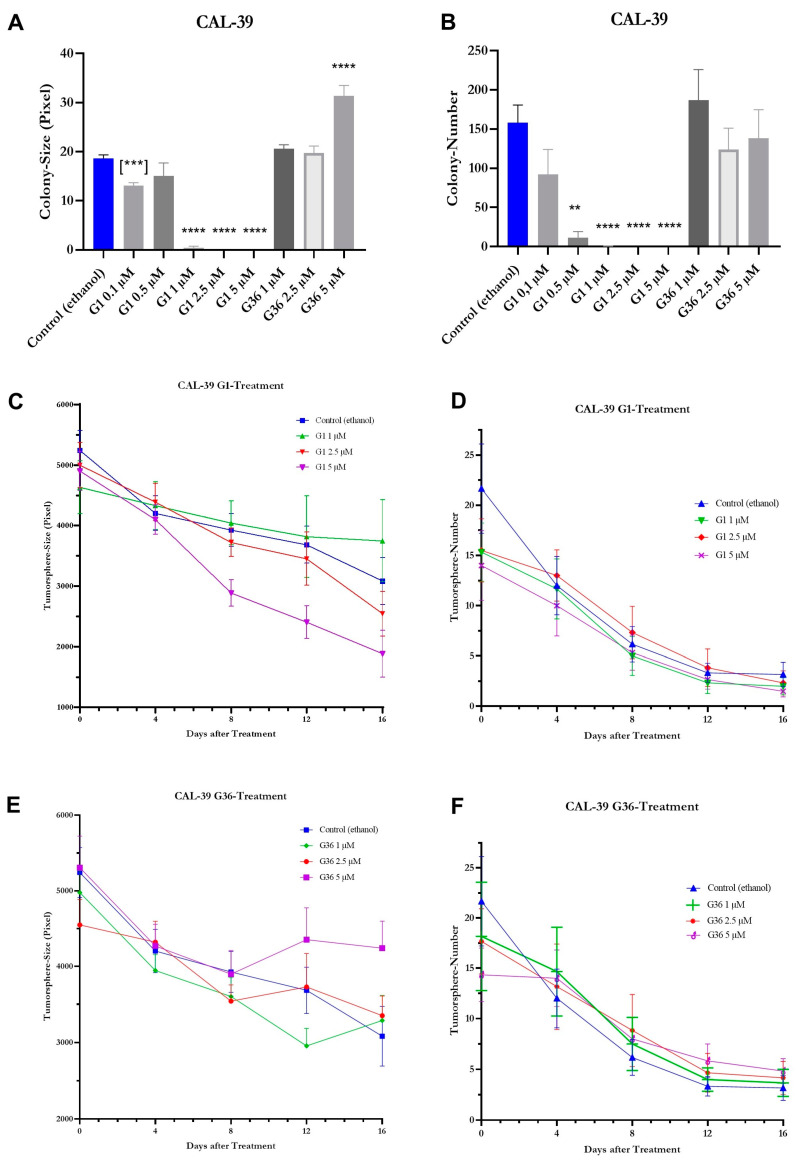
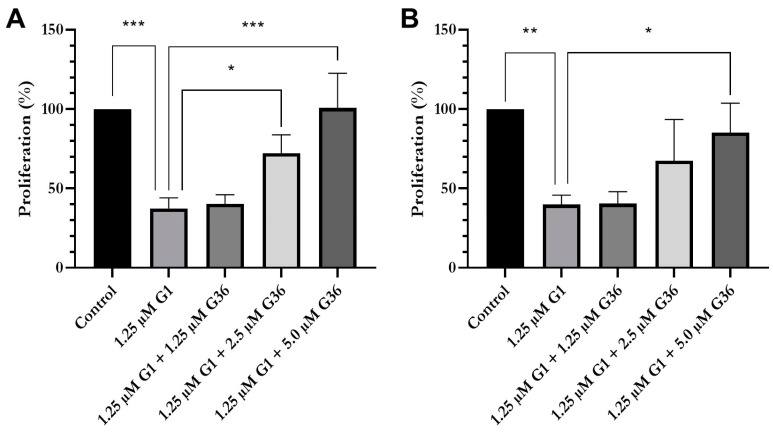
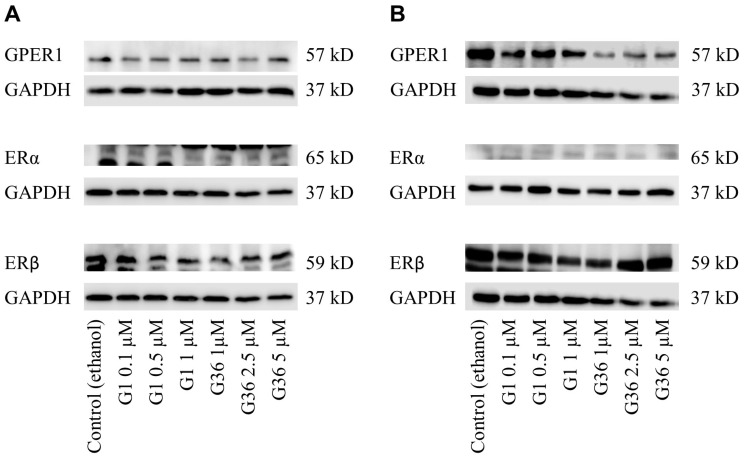
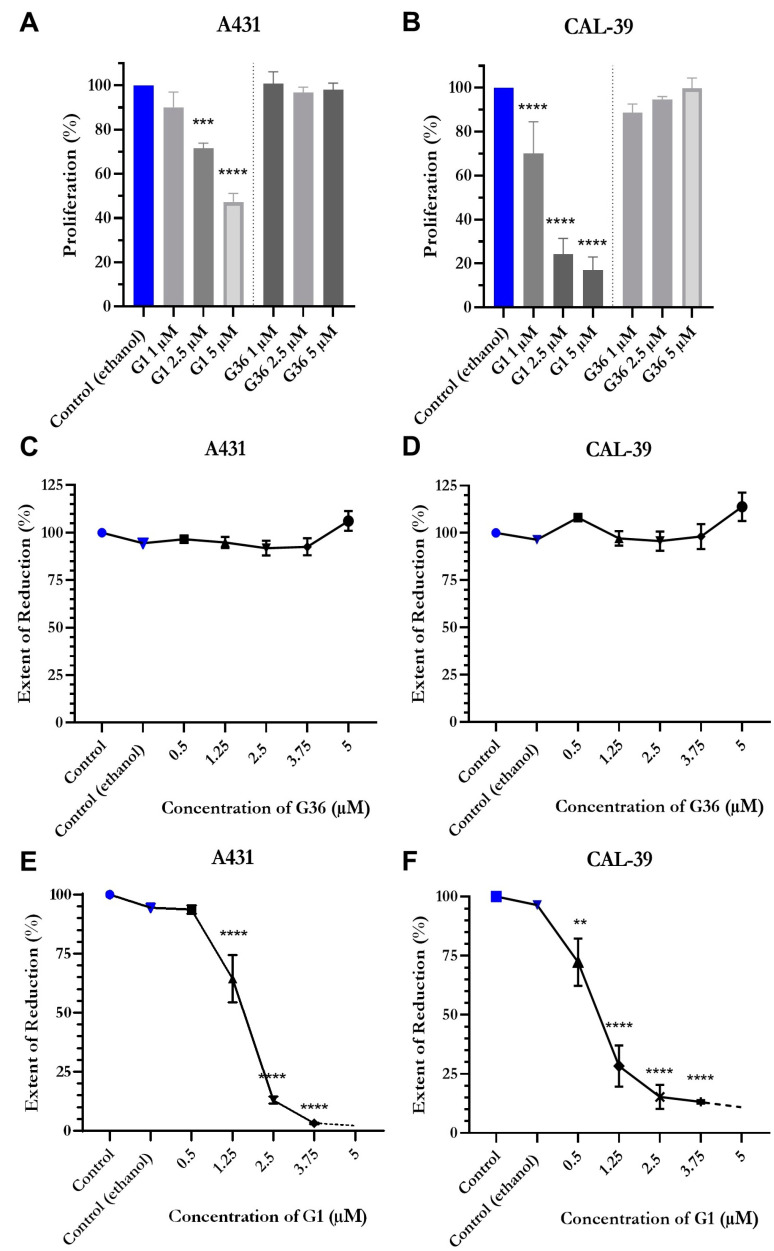
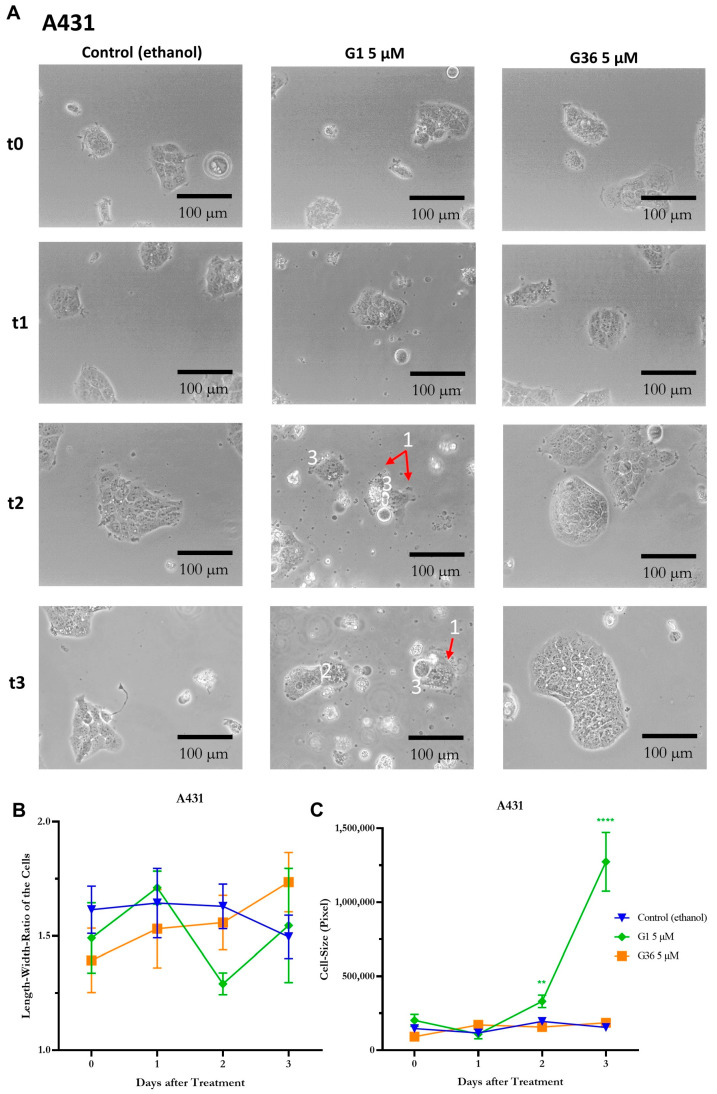
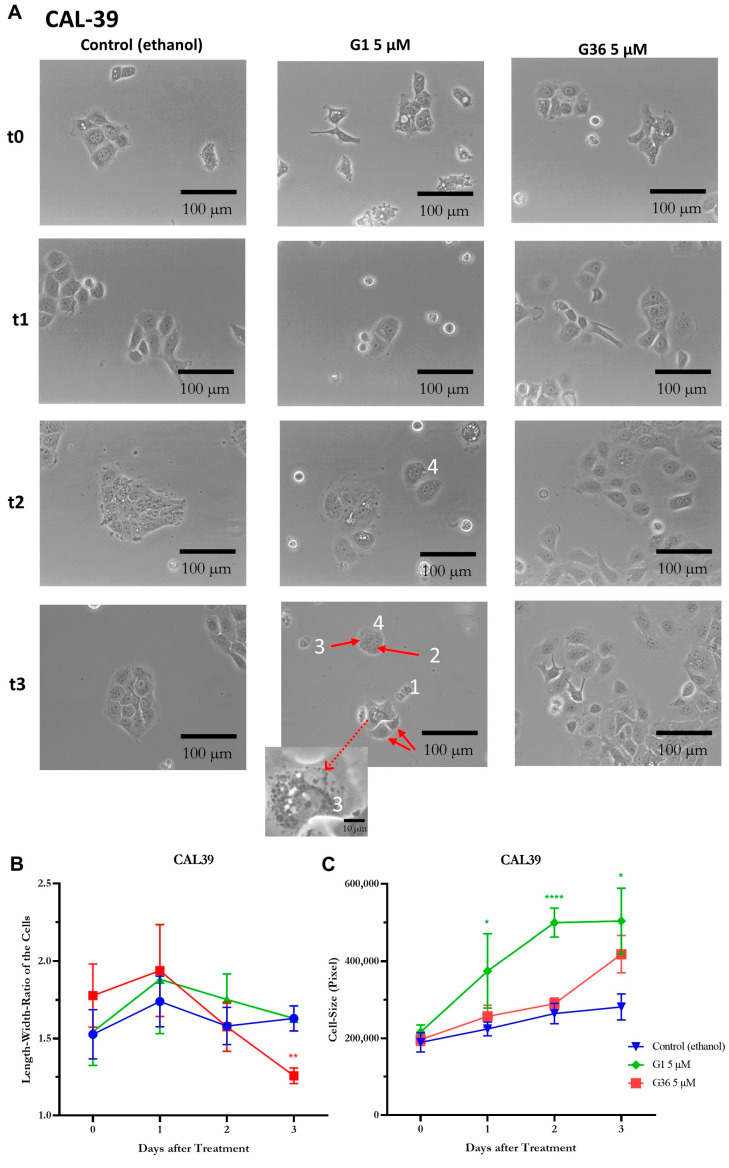
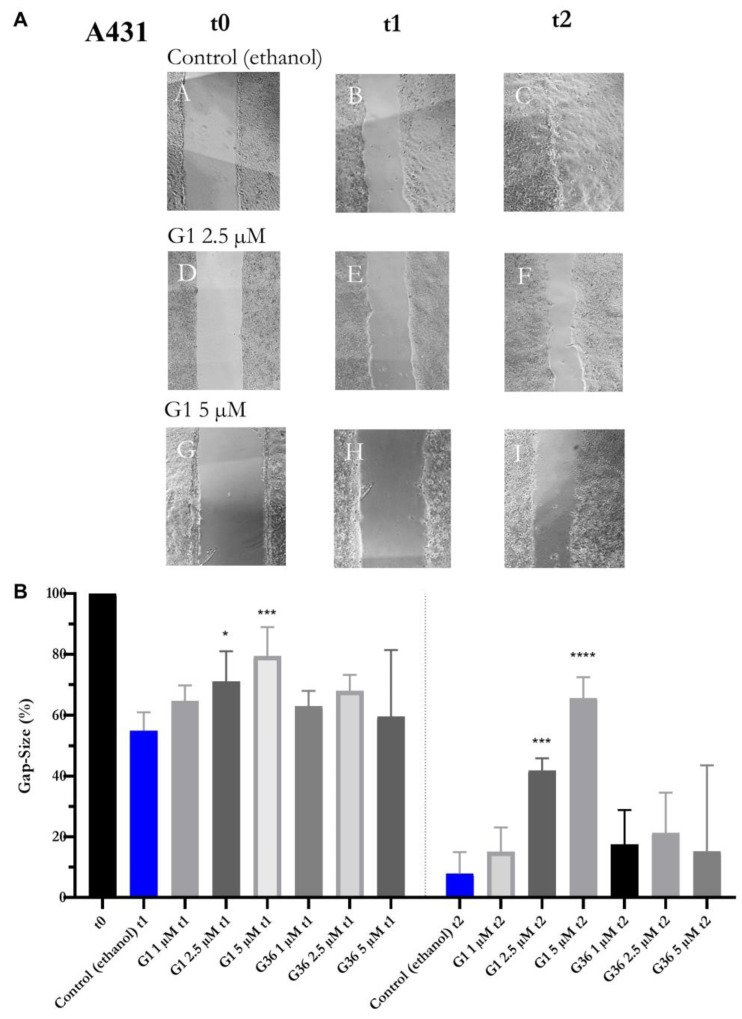
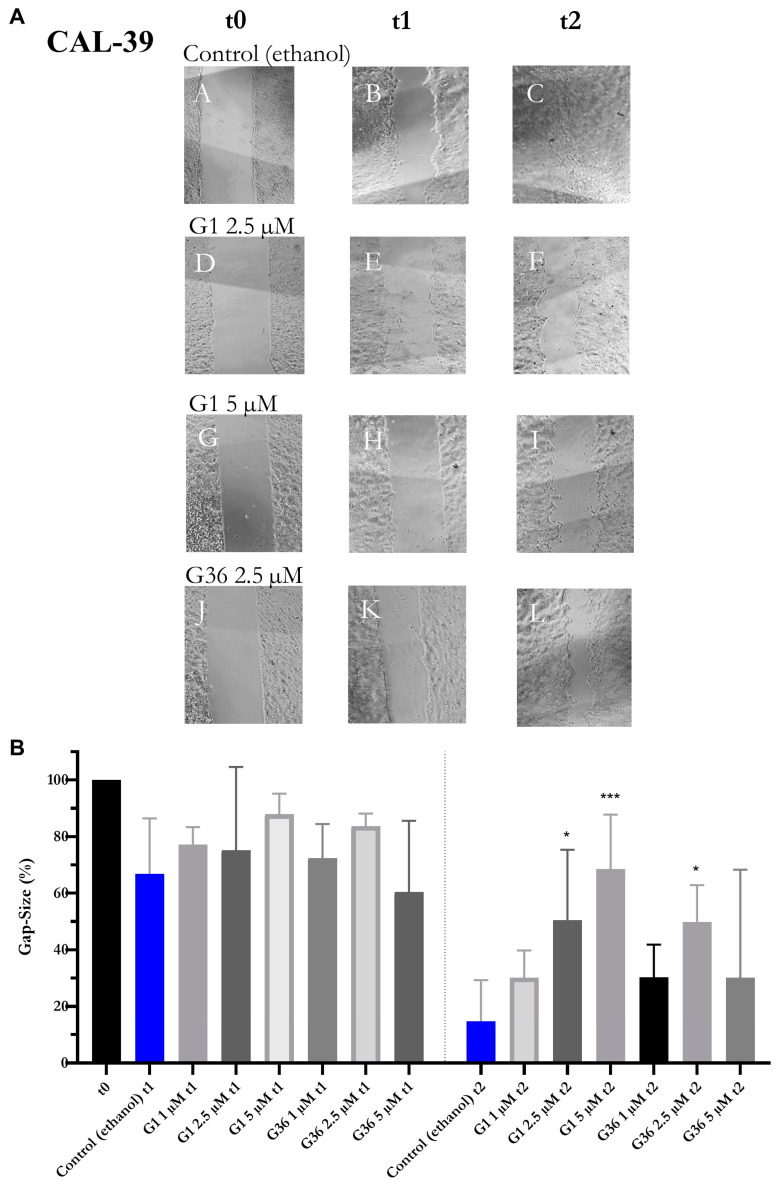
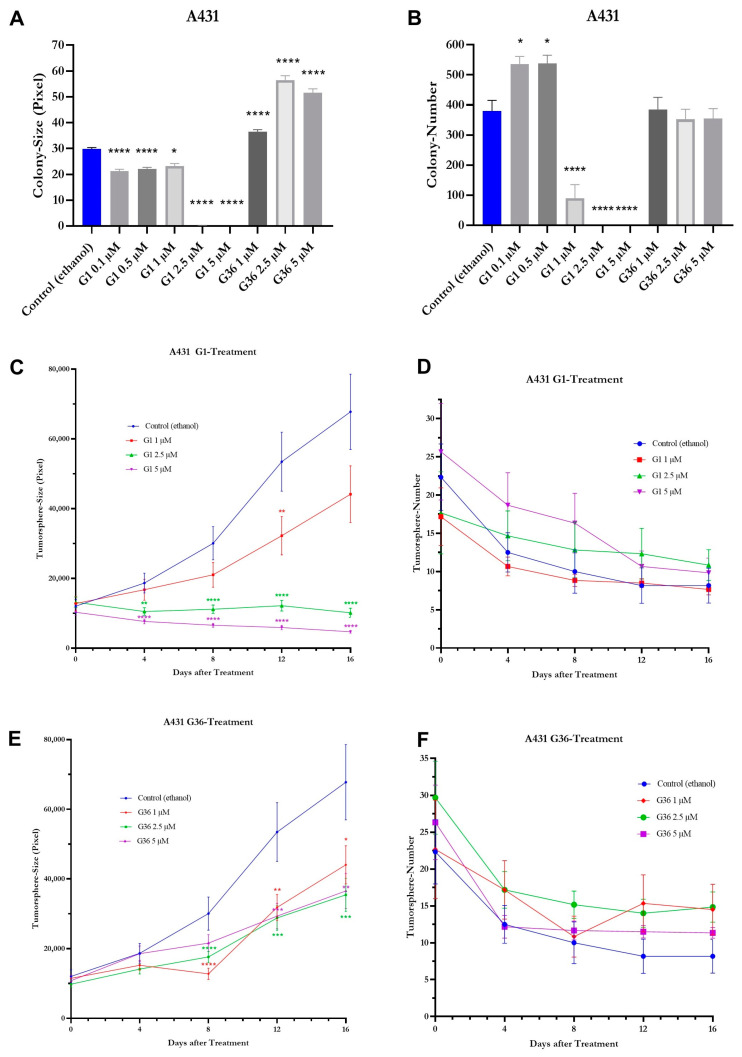
Whether G protein-coupled estrogen receptor 1 (GPER1) is tumor-promoting or tumor-suppressive depends in part on tumor entity. Little is known about the function of GPER1 in vulvar carcinoma. In this work, we aim to clarify what role GPER1 plays in vulvar cancer, tumor-promoting or tumor-suppressive. Localization of GPER1 in A431 and CAL-39 vulvar carcinoma cells was examined by immunofluorescence. Using a tissue microarray of vulvar neoplasias, the correlation between GPER1 expression and grade of malignancy was investigated. A431 and CAL-39 cells were treated either with GPER1 agonist G1 or antagonist G36. Proliferation was quantified by BrdU assay and viability examined using Resazurin assay. Morphological changes were analyzed by microscopy and measured using ImageJ. Cell migration was analyzed by gap closure assay. Clonogenic potential was tested by colony and sphere formation. Expression of estrogen receptors was examined by Western blot. GPER1 was found consistently expressed in vulvar neoplasia tissues. The immune-reactive score was found to be significantly higher in tissue samples of lymph node metastases and neoplasias with grade 3. In A431 and CAL-39 vulvar carcinoma cells, GPER1 expression was mainly found in the cytoplasm and nuclei. Treatment of A431 and CAL-39 cells with GPER1 agonist G1 resulted in a decrease in proliferation and migration. In addition, colony formation and tumor sphere formation were reduced. Furthermore, morphological signs of necrosis and reduction in cell viability after G1 treatment were observed. The GPER1 antagonist G36 did not have significant effects on vulvar carcinoma cells. Neither agonist G1 nor antagonist G36 treatment resulted in altered expression of estrogen receptors. Activation of GPER1 with GPER1 agonist G1 reduces the tumorigenic potential of the vulvar carcinoma cells. It can be deduced from this that GPER1 appears to have a tumor-suppressive effect in vulvar carcinoma.
G 蛋白偶联雌激素受体 1(GPER1)是促进肿瘤生长还是抑制肿瘤生长,部分取决于肿瘤实体。目前对于 GPER1 在外阴癌中的作用知之甚少。在这项工作中,我们旨在阐明 GPER1 在外阴癌中发挥的作用,是促进肿瘤生长还是抑制肿瘤生长。通过免疫荧光法检测 A431 和 CAL-39 外阴癌细胞中 GPER1 的定位。使用外阴肿瘤组织微阵列研究 GPER1 表达与恶性程度的相关性。用 GPER1 激动剂 G1 或拮抗剂 G36 处理 A431 和 CAL-39 细胞。通过 BrdU 测定法定量增殖,通过 Resazurin 测定法检查活力。通过显微镜分析形态变化,并使用 ImageJ 进行测量。通过缝隙闭合测定分析细胞迁移。通过集落和球体形成测试克隆形成潜力。通过 Western blot 检查雌激素受体的表达。在外阴肿瘤组织中发现 GPER1 一致表达。免疫反应评分在淋巴结转移和 3 级的肿瘤组织样本中明显更高。在 A431 和 CAL-39 外阴癌细胞中,GPER1 表达主要存在于细胞质和细胞核中。用 GPER1 激动剂 G1 处理 A431 和 CAL-39 细胞可导致增殖和迁移减少。此外,集落形成和肿瘤球体形成减少。此外,在用 G1 处理后观察到坏死和细胞活力降低的形态学迹象。GPER1 拮抗剂 G36 对外阴癌细胞没有显著影响。GPER1 激动剂 G1 或拮抗剂 G36 处理均未导致雌激素受体表达改变。用 GPER1 激动剂 G1 激活 GPER1 可降低外阴癌细胞的致瘤潜能。由此可以推断,GPER1 在外阴癌中似乎具有肿瘤抑制作用。