Morales-Guadarrama Gabriela, Méndez-Pérez Edgar A, García-Quiroz Janice, Avila Euclides, Ibarra-Sánchez María J, Esparza-López José, García-Becerra Rocío, Larrea Fernando, Díaz Lorenza
Departamento de Biología de la Reproducción Dr. Carlos Gual Castro, Instituto Nacional de Ciencias Médicas y Nutrición Salvador Zubirán (INCMNSZ), Vasco de Quiroga No. 15, Belisario Domínguez Sección XVI, Tlalpan, Ciudad de México 14080, Mexico.
Unidad de Bioquímica Dr. Guillermo Soberón Acevedo, Instituto Nacional de Ciencias Médicas y Nutrición Salvador Zubirán (INCMNSZ), Vasco de Quiroga No. 15, Belisario Domínguez Sección XVI, Tlalpan, Ciudad de México 14080, Mexico.
Int J Mol Sci. 2023 Sep 6;24(18):13770. doi: 10.3390/ijms241813770.
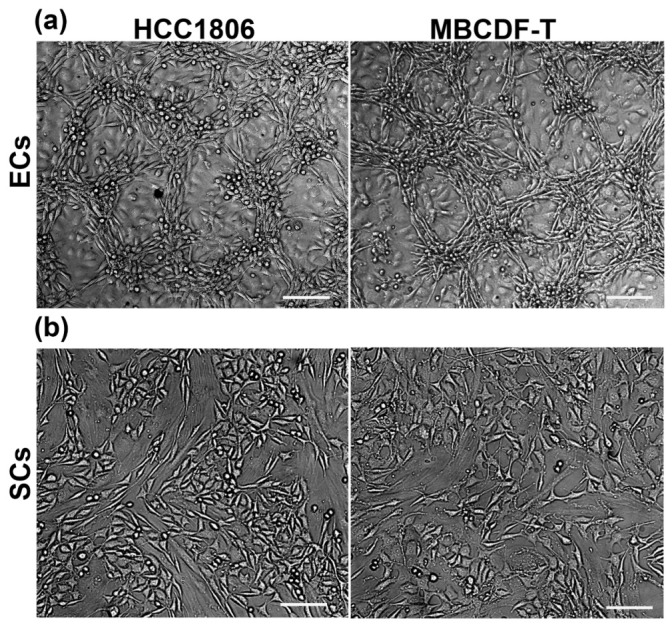
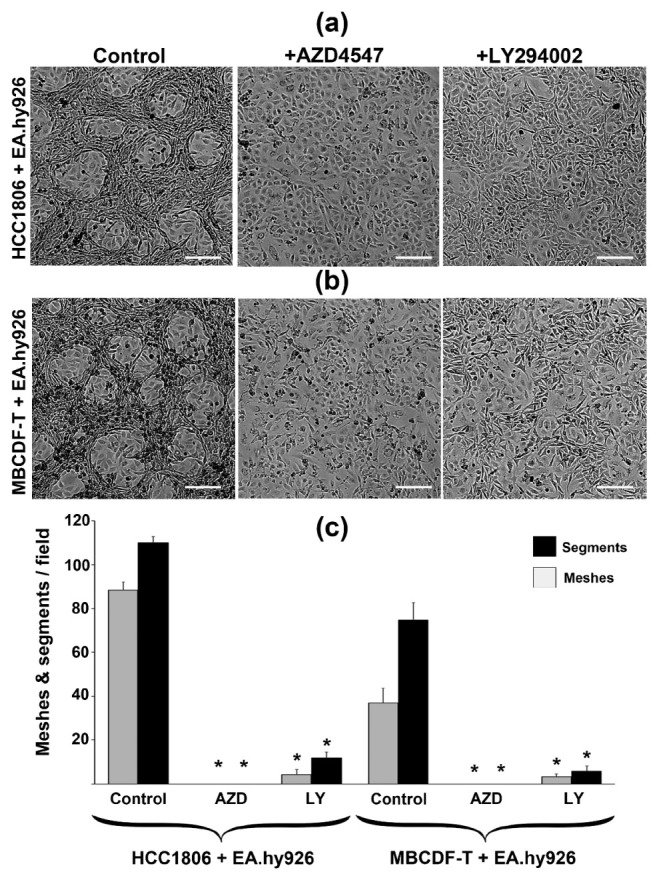
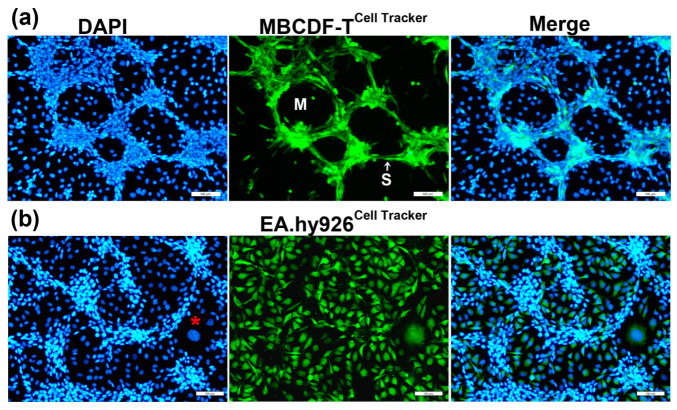
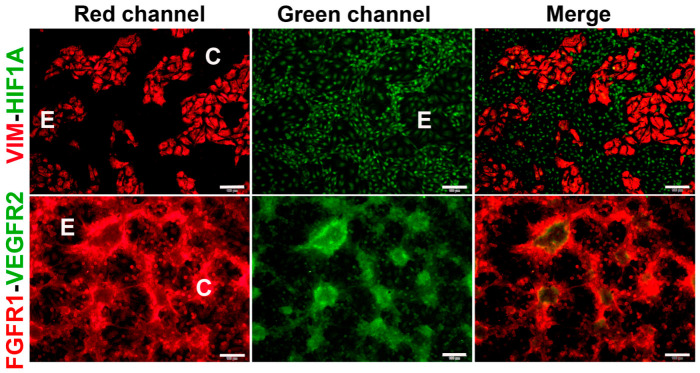
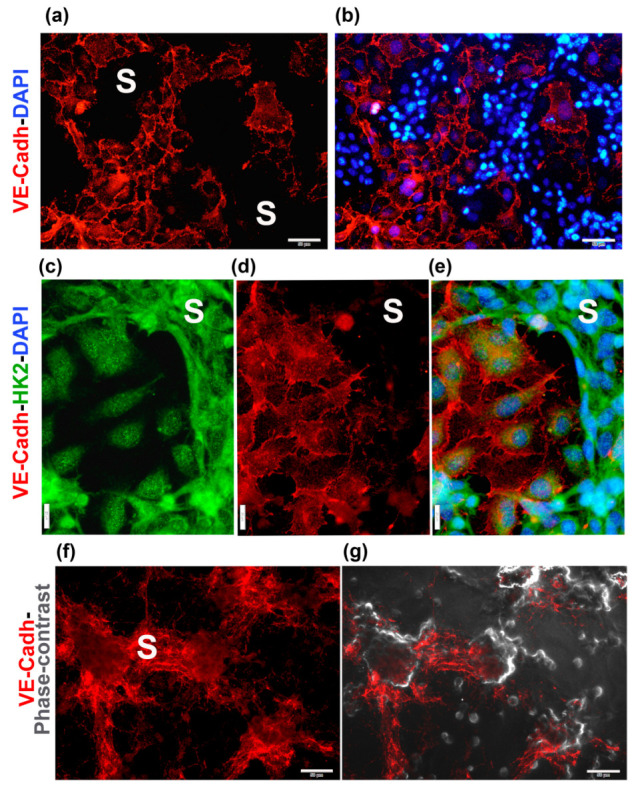
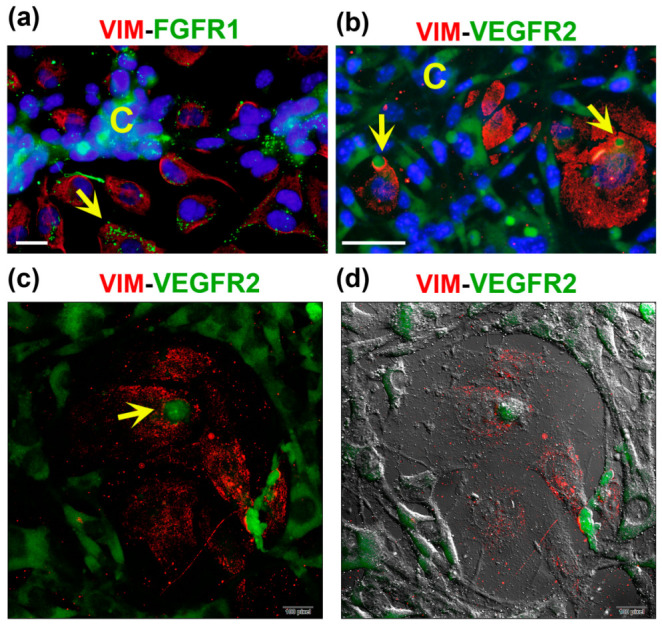
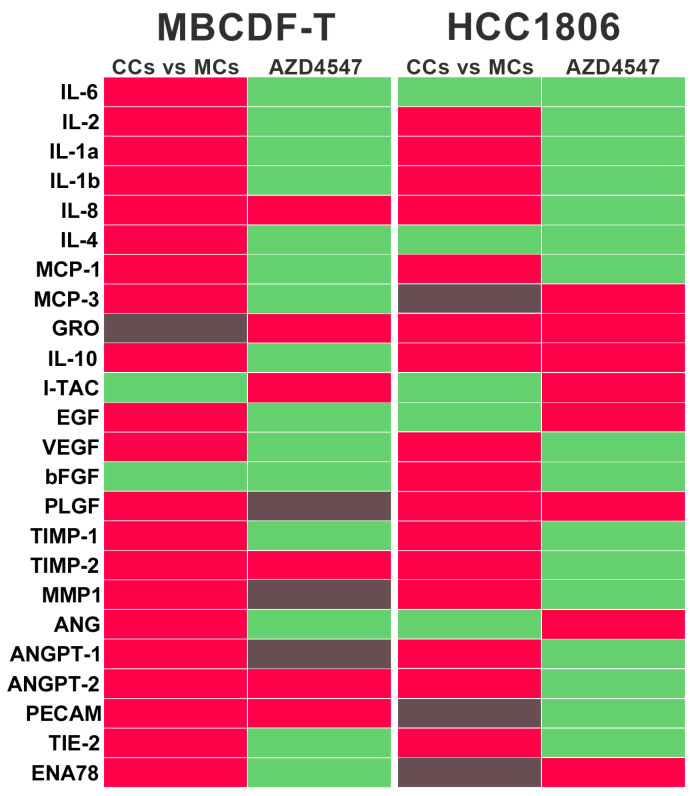
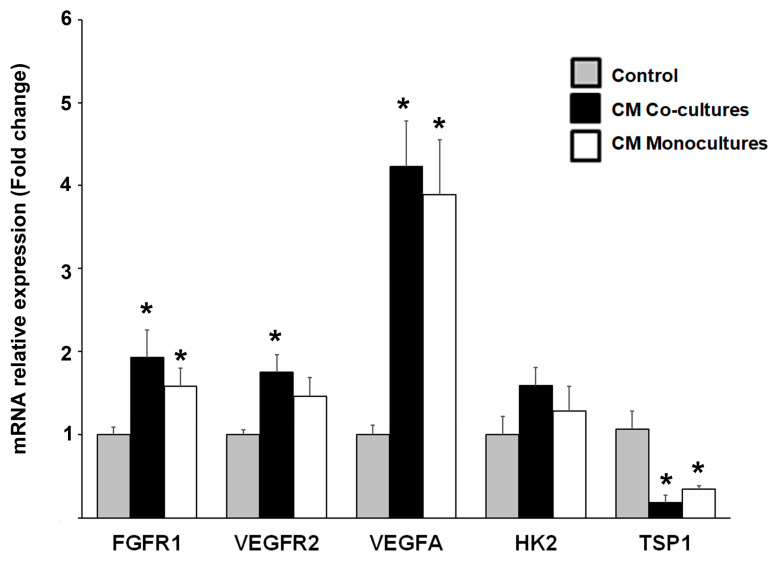
Vasculogenic mimicry (VM), a process in which aggressive cancer cells form tube-like structures, plays a crucial role in providing nutrients and escape routes. Highly plastic tumor cells, such as those with the triple-negative breast cancer (TNBC) phenotype, can develop VM. However, little is known about the interplay between the cellular components of the tumor microenvironment and TNBC cells' VM capacity. In this study, we analyzed the ability of endothelial and stromal cells to induce VM when interacting with TNBC cells and analyzed the involvement of the FGFR/PI3K/Akt pathway in this process. VM was corroborated using fluorescently labeled TNBC cells. Only endothelial cells triggered VM formation, suggesting a predominant role of paracrine/juxtacrine factors from an endothelial origin in VM development. Via immunocytochemistry, qPCR, and secretome analyses, we determined an increased expression of proangiogenic factors as well as stemness markers in VM-forming cancer cells. Similarly, endothelial cells primed by TNBC cells showed an upregulation of proangiogenic molecules, including FGF, VEGFA, and several inflammatory cytokines. Endothelium-dependent TNBC-VM formation was prevented by AZD4547 or LY294002, strongly suggesting the involvement of the FGFR/PI3K/Akt axis in this process. Given that VM is associated with poor clinical prognosis, targeting FGFR/PI3K/Akt pharmacologically may hold promise for treating and preventing VM in TNBC tumors.
血管生成拟态(VM)是一种侵袭性癌细胞形成管状结构的过程,在提供营养和逃逸途径方面起着关键作用。具有高度可塑性的肿瘤细胞,如三阴性乳腺癌(TNBC)表型的细胞,能够形成VM。然而,关于肿瘤微环境的细胞成分与TNBC细胞的VM能力之间的相互作用,我们所知甚少。在本研究中,我们分析了内皮细胞和基质细胞与TNBC细胞相互作用时诱导VM的能力,并分析了FGFR/PI3K/Akt信号通路在这一过程中的作用。使用荧光标记的TNBC细胞证实了VM的形成。只有内皮细胞触发了VM的形成,这表明内皮来源的旁分泌/近分泌因子在VM形成中起主要作用。通过免疫细胞化学、qPCR和分泌组分析,我们确定了促血管生成因子以及干性标志物在形成VM的癌细胞中的表达增加。同样,被TNBC细胞预处理的内皮细胞显示促血管生成分子上调,包括FGF、VEGFA和几种炎性细胞因子。AZD4547或LY294002可阻止内皮细胞依赖的TNBC-VM形成,这强烈表明FGFR/PI3K/Akt轴参与了这一过程。鉴于VM与不良临床预后相关,从药理学上靶向FGFR/PI3K/Akt可能为治疗和预防TNBC肿瘤中的VM带来希望。