Colletti Alessandro, Pellizzato Marzia, Cicero Arrigo Francesco
Department of Science and Drug Technology, University of Turin, 10124 Turin, Italy.
Italian Society of Nutraceutical Formulators (SIFNut), 31033 Treviso, Italy.
Microorganisms. 2023 Aug 26;11(9):2160. doi: 10.3390/microorganisms11092160.
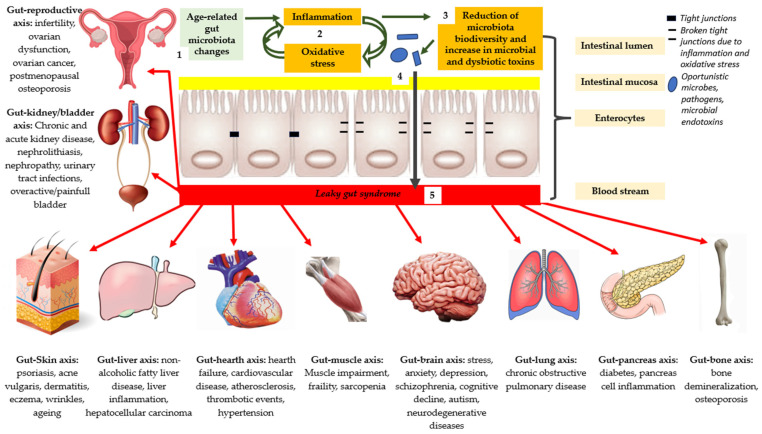
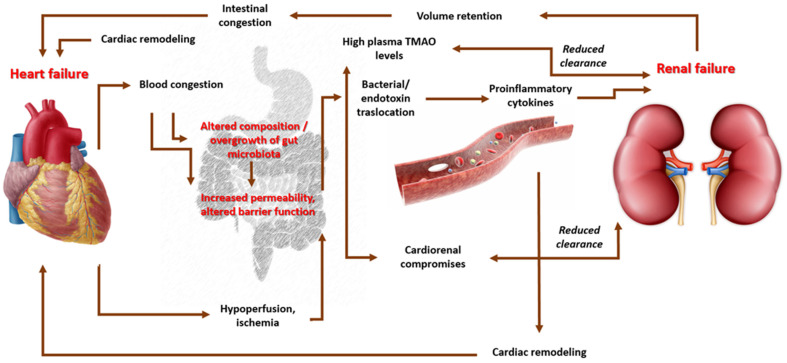
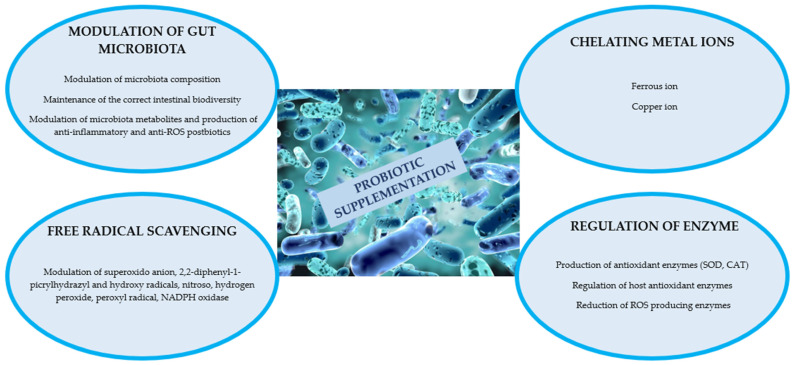
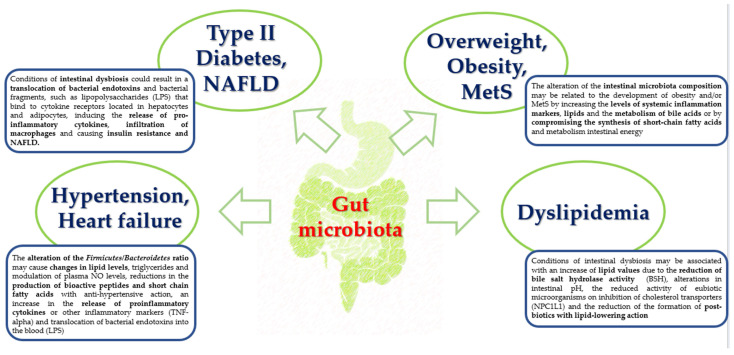
The fine balance between symbiotic and potentially opportunistic and/or pathogenic microorganisms can undergo quantitative alterations, which, when associated with low intestinal biodiversity, could be responsible for the development of gut inflammation and the so-called "intestinal dysbiosis". This condition is characterized by the disbalance of a fine synergistic mechanism involving the mucosal barrier, the intestinal neuroendocrine system, and the immune system that results in an acute inflammatory response induced by different causes, including viral or bacterial infections of the digestive tract. More frequently, however, dysbiosis is induced slowly and subtly by subliminal causal factors, resulting in a chronic condition related to different diseases affecting the digestive tract and other organs and apparatuses. Studies on animal models, together with studies on humans, highlight the significant role of the gut microbiota and microbiome in the occurrence of inflammatory conditions such as metabolic syndrome and cardiovascular diseases (CVDs); neurodegenerative, urologic, skin, liver, and kidney pathologies; and premature aging. The blood translocation of bacterial fragments has been found to be one of the processes linked to gut dysbiosis and responsible for the possible occurrence of "metabolic endotoxemia" and systemic inflammation, associated with an increased risk of oxidative stress and related diseases. In this context, supplementation with different probiotic strains has been shown to restore gut eubiosis, especially if administered in long-term treatments. The aim of this review is to describe the anti-inflammatory effects of specific probiotic strains observed in clinical trials and the respective indications, highlighting the differences in efficacy depending on strain, formulation, time and duration of treatment, and dosage used.
共生微生物与潜在的机会性和/或致病性微生物之间的微妙平衡可能会发生定量变化,当这种变化与肠道生物多样性降低相关时,可能会导致肠道炎症和所谓的“肠道生态失调”的发生。这种情况的特征是涉及黏膜屏障、肠道神经内分泌系统和免疫系统的精细协同机制失衡,从而导致由不同原因引起的急性炎症反应,包括消化道的病毒或细菌感染。然而,更常见的是,生态失调是由潜意识的因果因素缓慢而微妙地诱发的,导致与影响消化道及其他器官和系统的不同疾病相关的慢性疾病。对动物模型的研究以及对人类的研究都强调了肠道微生物群和微生物组在代谢综合征和心血管疾病(CVD)等炎症性疾病的发生中所起的重要作用;神经退行性、泌尿系统、皮肤、肝脏和肾脏疾病;以及早衰。细菌片段的血液转移被发现是与肠道生态失调相关的过程之一,也是“代谢性内毒素血症”和全身炎症可能发生的原因,这与氧化应激及相关疾病风险增加有关。在这种情况下,补充不同的益生菌菌株已被证明可以恢复肠道微生态平衡,尤其是在长期治疗中使用时。本综述的目的是描述在临床试验中观察到的特定益生菌菌株的抗炎作用及其各自的适应症,强调疗效因菌株、制剂、治疗时间和持续时间以及所用剂量而异。